
The cost of airplane tickets is a perennial question that plagues travelers worldwide. Far from being a static figure, airfare operates on a dynamic, often opaque system influenced by a myriad of factors. For anyone looking to manage their personal finances effectively, understanding how these prices are determined, and more importantly, how to secure the best value, is crucial. This deep dive into the financial mechanics behind airplane tickets aims to demystify the process, offering insights and strategies for smarter travel budgeting.
Understanding the Core Determinants of Airfare Costs
At its heart, airfare pricing is a sophisticated exercise in supply and demand, augmented by complex algorithms and competitive strategies. It’s not just about the distance you’re flying; it’s about a vast web of economic and operational considerations that collectively dictate the price you see.

Supply and Demand Dynamics
The fundamental economic principle of supply and demand exerts the most significant influence on ticket prices. When demand for a particular flight, route, or travel period is high, and the supply of available seats is limited, prices naturally surge. Conversely, during periods of lower demand or when an airline has many empty seats, prices tend to drop to stimulate bookings. This explains why peak holiday seasons, major events, or popular business routes consistently command higher fares. Airlines meticulously analyze historical booking data, current market trends, and even real-time competitor pricing to adjust their inventory and pricing strategies accordingly, ensuring they maximize revenue per available seat.
Booking Timing and Flexibility
The adage “book early for the best deals” holds significant, though not absolute, truth. Airlines often release a limited number of “saver” fares months in advance to entice early bookings and establish a baseline demand. As the departure date approaches, these lower fare buckets deplete, and prices generally escalate. However, there’s also a sweet spot, typically 2-4 months for international flights and 3-6 weeks for domestic, where prices might dip slightly as airlines fine-tune their load factors. Too close to departure, and you’re likely paying premium last-minute fares. Flexibility with your travel dates, even by a day or two, can yield substantial savings, as weekdays (especially Tuesday, Wednesday, Saturday for some routes) often present cheaper options than Fridays and Sundays.
Route Popularity and Competition
The popularity of a route and the level of competition among airlines serving it are critical financial drivers. A highly sought-after route served by only one or two carriers often leads to higher prices due as airlines face less pressure to compete on cost. Conversely, routes with multiple airlines fiercely competing for market share will typically see more aggressive pricing, promotional offers, and a wider range of fare classes, benefiting the consumer. This competitive landscape is constantly shifting, influenced by new market entrants, airline alliances, and capacity adjustments.
Seasonality and Special Events
Travel demand is highly seasonal. Summer holidays, end-of-year festive periods, spring breaks, and major public holidays universally drive up airfare prices due to concentrated demand. Beyond these general seasons, specific local or global events—like major sports tournaments, festivals, conventions, or even significant cultural celebrations—can cause localized price spikes for flights to and from affected destinations. Understanding these seasonal and event-driven patterns is crucial for any budget-conscious traveler looking to plan their trips strategically.
Deconstructing the Components of Your Ticket Price
When you purchase an airplane ticket, the single figure you pay is actually an amalgamation of several distinct financial components. Understanding what constitutes the final price helps in appreciating the actual cost structure and identifying potential areas for savings.
Base Fare: The Carrier’s Core Revenue
The base fare is the fundamental price set by the airline for transporting you from point A to point B. This is the primary revenue stream for the carrier, covering operational costs like fuel, crew salaries, aircraft maintenance, and airport landing fees. Airlines employ sophisticated revenue management systems to dynamically adjust this base fare based on the factors discussed above: demand, time of booking, route, and competition. Different “fare classes” (e.g., economy, premium economy, business, first class) are essentially variations of the base fare, offering different levels of service and flexibility at varying price points.
Taxes, Fees, and Surcharges: Government and Airline Add-ons
Beyond the base fare, a significant portion of your ticket price comprises various taxes, government-imposed fees, and airline surcharges. These can include:
- Airport Taxes: Levied by airports for the use of their facilities.
- Security Fees: For security screening services.
- Fuel Surcharges: Historically charged by airlines to offset fluctuating fuel costs, though less common as a separate line item now, often integrated into the base fare.
- International Departure/Arrival Taxes: Specific to certain countries for international travel.
- Customs and Immigration Fees: For processing international travelers.
These mandatory charges can sometimes add 20-40% or even more to the base fare, especially on international routes. While generally non-negotiable, being aware of them helps in comparing overall ticket prices.
Ancillary Services: Unbundling for Profit
In recent decades, airlines have increasingly adopted an “unbundled” pricing model, separating services that were once included in the base fare. These “ancillary services” represent a significant profit center for airlines and include:
- Checked Baggage Fees: One of the most common additional charges.
- Seat Selection Fees: For choosing a specific seat (e.g., window, aisle, extra legroom).
- In-flight Meals and Beverages: Especially common on budget carriers.
- Priority Boarding: Allowing passengers to board earlier.
- Wi-Fi Access: For internet connectivity during the flight.
- Change or Cancellation Fees: Penalties for modifying or canceling a booking.
While these allow airlines to offer lower initial base fares, they can quickly inflate the final cost if not factored into your budget. Savvy travelers compare the total cost, including all desired ancillary services, when evaluating different airline options.
Strategies for Budgeting and Saving on Flights
For the financially astute traveler, merely understanding airfare mechanics isn’t enough; applying this knowledge to actively save money is the ultimate goal. Several strategic approaches can significantly reduce the financial burden of air travel.
Leveraging Price Comparison Tools and Alerts
The digital age has armed consumers with powerful tools. Websites like Google Flights, Skyscanner, Kayak, and Expedia aggregate fares from hundreds of airlines and online travel agencies, allowing for quick comparison. Furthermore, setting up price alerts for specific routes and dates can notify you when fares drop, enabling you to act swiftly to secure a better deal. These tools often highlight cheaper alternative dates or nearby airports, expanding your options.
The Art of Flexible Travel Dates and Destinations
Rigid travel plans are often more expensive. If your schedule allows, being flexible with your departure and return dates, even by a day or two, can unlock substantial savings. Flying mid-week or during off-peak seasons almost invariably results in lower fares. Similarly, being open to different destinations within a region can be advantageous; flying into a less popular airport nearby and then using ground transport might be cheaper than a direct flight to a major hub. Many flight search engines now offer “explore” or “anywhere” features, allowing you to see the cheapest destinations from your origin for a given timeframe.
Exploring Alternative Airports and Stopovers
Direct flights, while convenient, often come with a premium. Investigating flights into smaller, secondary airports near your final destination can sometimes yield cheaper tickets. These airports might have lower landing fees for airlines, which can translate to savings for passengers. Additionally, choosing flights with one or more stopovers, rather than a direct route, can significantly reduce the fare, especially on long-haul international journeys. The added travel time needs to be weighed against the potential financial savings.
Maximizing Loyalty Programs and Credit Card Rewards
For frequent travelers, loyalty programs offered by airlines and travel-focused credit cards are invaluable financial tools. Accumulating miles or points through flying or everyday spending can lead to free flights, upgrades, or discounted fares. Strategic use of co-branded airline credit cards often comes with perks like free checked bags, priority boarding, and access to airport lounges, which can save substantial amounts in ancillary fees. Understanding how to earn and redeem these points effectively is a cornerstone of smart travel finance.
The Future of Airfare: Trends and Predictions
The air travel industry is constantly evolving, driven by technological advancements, shifting consumer expectations, and global economic pressures. These trends will undoubtedly reshape how airfare is calculated and perceived in the coming years.
Dynamic Pricing and AI Integration
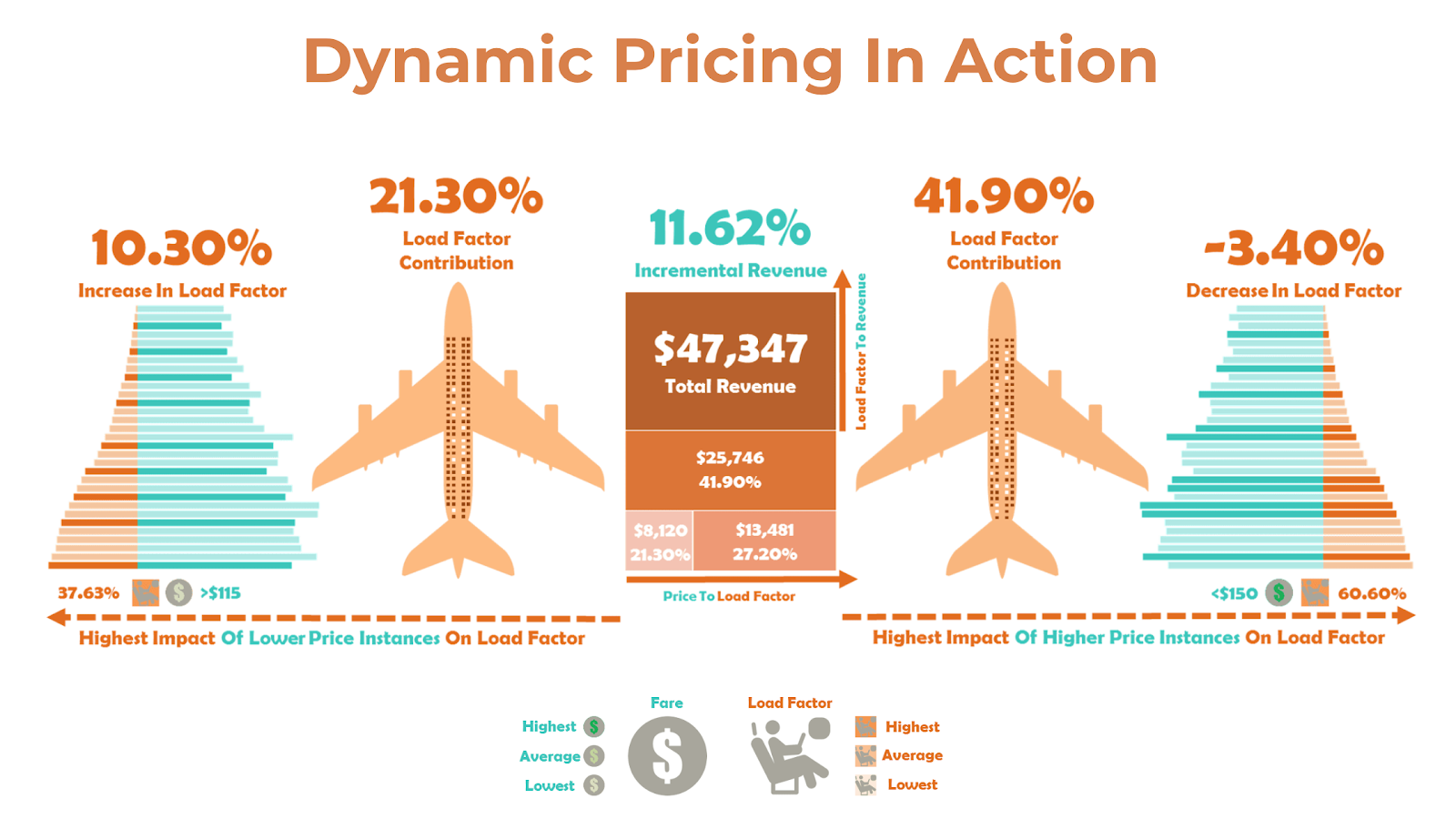
Airlines already use dynamic pricing, but the sophistication is set to intensify with AI and machine learning. These technologies can analyze vast datasets—including weather patterns, competitor pricing, social media sentiment, even individual browsing history—to optimize prices in real-time, personalized for each potential buyer. This could lead to even more volatile pricing, where the cost of a seat might change multiple times within an hour based on predictive analytics of demand and individual willingness to pay.
Sustainability Surcharges and Carbon Offsets
With growing environmental concerns, airlines are under increasing pressure to reduce their carbon footprint. This could lead to the widespread adoption of “sustainability surcharges” or mandatory carbon offset fees integrated into ticket prices. While these might initially increase the cost of travel, they reflect a necessary shift towards more environmentally responsible operations, allowing consumers to make more informed choices about their impact.
Subscription Models and Bundled Packages
We may see an expansion of subscription-based models, where travelers pay a recurring fee for unlimited flights on specific routes or within a certain network, similar to how gym memberships work. Alternatively, airlines might offer more diverse bundled packages, moving beyond basic economy to tiers that include various ancillary services at a fixed, discounted rate, catering to different traveler needs and providing more transparent pricing upfront.
Financial Tools and Practices for Smart Travel Planning
Beyond understanding the market, practical financial tools and disciplined practices are essential for managing travel expenses effectively. Integrating travel planning into your broader financial strategy ensures enjoyable trips without financial strain.
Budgeting Apps and Travel Expense Trackers
Utilizing budgeting apps (e.g., Mint, YNAB, Personal Capital) or specialized travel expense trackers can help you allocate funds specifically for travel, monitor spending against your budget, and track every dollar spent on flights, accommodation, food, and activities. This granular oversight prevents overspending and provides clear insights into where your money goes.
Dedicated Travel Savings Accounts
One of the simplest yet most effective financial practices is setting up a dedicated savings account specifically for travel. By automating regular transfers into this account, you build a travel fund incrementally, separating it from your everyday expenses. This systematic approach ensures that when the time comes to book that dream trip, the funds are readily available without impacting your other financial goals.
Understanding Travel Insurance: A Financial Safeguard
While an additional cost, travel insurance is a critical financial tool, especially for expensive international flights or complex itineraries. It protects against unforeseen circumstances such as trip cancellations, medical emergencies abroad, lost luggage, or flight delays. The cost of insurance is a small fraction of what you might lose if an unexpected event disrupts your plans, making it a wise investment for peace of mind and financial security. Carefully review policy details to ensure it covers your specific needs and potential risks.
In conclusion, “how much are airplane tickets?” is a multifaceted question with a dynamic answer. By understanding the underlying economic principles, deconstructing the cost components, employing smart booking strategies, and leveraging financial tools, travelers can navigate the complexities of airfare pricing with greater confidence and make more informed, financially sound decisions for their journeys.
aViewFromTheCave is a participant in the Amazon Services LLC Associates Program, an affiliate advertising program designed to provide a means for sites to earn advertising fees by advertising and linking to Amazon.com. Amazon, the Amazon logo, AmazonSupply, and the AmazonSupply logo are trademarks of Amazon.com, Inc. or its affiliates. As an Amazon Associate we earn affiliate commissions from qualifying purchases.