
The allure of “free shipping” on Amazon is undeniable, a cornerstone of its appeal for millions of shoppers worldwide. Yet, beneath the surface of this seemingly straightforward perk lies a complex financial landscape, influencing everything from personal budgets to the operational strategies of countless businesses. Understanding the true cost—or savings—of Amazon’s shipping ecosystem requires a deep dive into its various mechanisms, from Prime memberships to seller-fulfilled orders, all viewed through the lens of financial prudence.
Decoding Amazon’s “Free” Shipping Thresholds
Amazon’s approach to free shipping is multifaceted, extending beyond the well-known Prime membership. For non-Prime members, achieving free shipping often hinges on meeting specific order minimums and understanding various eligibility criteria.

The Baseline: Non-Prime Minimums
Historically, Amazon has offered free standard shipping on eligible orders reaching a certain monetary threshold. This threshold has varied over time and by region, typically ranging from $25 to $35 or more in the United States. For a non-Prime customer, the financial decision becomes whether to consolidate purchases to meet this minimum or pay a shipping fee for smaller orders. Paying a shipping fee, which can range from $5 to $10 or more depending on speed and item, can quickly erode any potential savings on individual items, making it a critical consideration for budget-conscious shoppers. Calculating the effective percentage increase this fee represents on a low-value item can reveal that paying for shipping is often disproportionately expensive compared to the item’s cost.
Item Eligibility and Vendor Requirements
Not all items on Amazon are created equal when it comes to free shipping. Even for non-Prime members meeting the minimum threshold, certain categories, oversized items, or products sold by third-party sellers who do not participate in Fulfillment by Amazon (FBA) may incur separate shipping charges. FBA allows third-party sellers to store their products in Amazon’s fulfillment centers, granting them eligibility for Prime shipping benefits and often contributing to the “free shipping over X amount” for non-Prime members. However, items shipped directly by merchants (FBM – Fulfillment by Merchant) might have their own shipping rates and policies, which the buyer must scrutinize carefully before checkout. This distinction is crucial for consumers looking to optimize their spending, as a seemingly good deal can be negated by unexpected shipping surcharges from an FBM seller.
Regional Nuances and Special Offers
Amazon’s shipping policies, including free shipping thresholds and speed options, can vary significantly by country and even by specific regions within a country. Factors like local infrastructure, logistics costs, and competitive landscapes influence these variations. Additionally, Amazon frequently rolls out limited-time promotions, such as free shipping on specific categories or brands, or extended trial periods for Prime. Astute shoppers can leverage these offers to reduce their out-of-pocket expenses, but they require vigilance and timely action. These promotional windows represent temporary opportunities to achieve savings that might otherwise be unavailable, adding another layer of complexity to the overall financial strategy.
The Financial Calculus of Amazon Prime
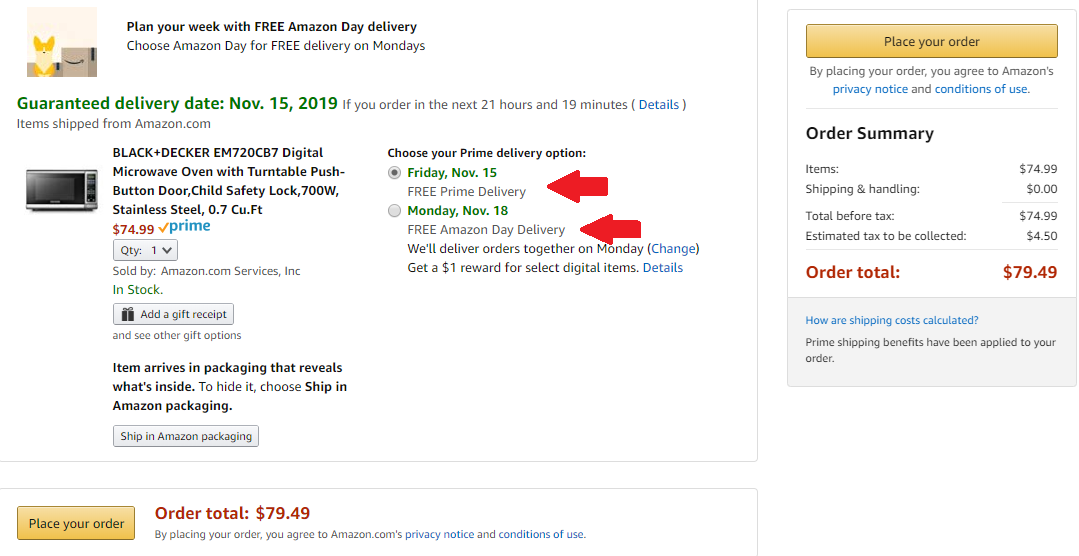
Amazon Prime is perhaps the most prominent driver of “free” shipping, offering unlimited two-day (and often faster) delivery on millions of eligible items for a fixed annual or monthly fee. However, the decision to subscribe to Prime is a significant financial commitment that demands a thorough cost-benefit analysis.
Annual vs. Monthly Membership Fees
Prime offers flexibility with both annual and monthly subscription options. While the annual fee (e.g., $139 in the US) provides a cost-saving compared to paying month-to-month (e.g., $14.99/month, totaling nearly $180 annually), it requires a larger upfront investment. The choice between these plans often comes down to a user’s anticipated shopping frequency and cash flow. For those who shop regularly on Amazon and fully utilize the Prime benefits, the annual fee typically presents better value. For infrequent shoppers or those testing the waters, the monthly option offers flexibility, though at a higher overall cost if sustained for a full year. Students and eligible government assistance recipients also benefit from discounted Prime memberships, which significantly alter the financial equation for these demographics.
Beyond Shipping: The Full Value Proposition
The true value of Prime extends far beyond expedited shipping. Membership bundles in a suite of digital services, including Prime Video, Amazon Music, Prime Reading, unlimited photo storage, exclusive deals, and more. From a financial perspective, evaluating Prime’s worth means weighing the cost of these bundled services against what one would pay for them individually or for competing services. For example, if a user already subscribes to a separate streaming service and a music service, the added value of Prime Video and Music might be marginal, reducing the effective “discount” provided by the bundle. Conversely, for someone who would otherwise pay for these services separately, Prime can represent substantial savings. This holistic view is critical for determining if the aggregate benefits outweigh the membership fee.
Leveraging Prime for Budget Optimization
For active Prime members, the “free” shipping aspect can be a powerful tool for budget optimization. It removes the psychological barrier of minimum order requirements, allowing for impulse buys or purchasing single, low-cost items without incurring additional fees. This can be beneficial when only one specific item is needed, preventing consumers from adding unnecessary products to their cart just to meet a free shipping threshold. Furthermore, access to Prime-exclusive deals and early access to lightning deals can lead to genuine savings, provided these purchases are genuinely needed and not simply driven by the thrill of a deal. Smart Prime members integrate these benefits into a broader savings strategy, not just passively receiving them.
When Prime Isn’t the Most Fiscally Prudent Choice
Despite its widespread appeal, Prime is not a universal financial panacea. For individuals who shop infrequently on Amazon, primarily purchase digital goods, or whose typical order values consistently exceed the non-Prime free shipping threshold, the annual fee may be an unnecessary expense. The “break-even point” for Prime, calculated by dividing the annual fee by the average shipping cost per order, helps determine how many non-Prime paid shipments would equate to the cost of a Prime membership. If a consumer’s shipping charges over a year would be less than the Prime fee, then Prime is not the fiscally prudent choice for them. Alternatives like utilizing free in-store pickup options offered by other retailers or consolidating orders on Amazon to meet the non-Prime minimums can prove more cost-effective.
Smart Shopping Strategies for Maximizing Savings
Whether a Prime member or not, strategic shopping can significantly reduce the effective “cost” of shipping and maximize overall savings on Amazon.
Bundling Orders to Meet Minimums
For non-Prime members, the most straightforward strategy is to bundle multiple items into a single order that meets the free shipping threshold. This requires planning and patience, consolidating purchases over time rather than making numerous small, separate orders. While this might mean waiting longer for some items, the financial savings on shipping fees can be substantial. This strategy also subtly encourages more mindful consumption by reducing impulse purchases.
Exploring Amazon’s Subscribe & Save
Amazon’s Subscribe & Save program offers discounts on frequently purchased household goods and essentials when customers commit to recurring deliveries. Crucially, these subscriptions often come with free shipping, regardless of whether the customer is a Prime member or not, and without a minimum order threshold. The financial benefits here are twofold: a percentage discount on the item itself (up to 15% with five or more subscriptions in a single month) and guaranteed free shipping. This can lead to significant long-term savings for items like toiletries, pet supplies, and groceries, transforming a recurring expense into an opportunity for consistent savings.
Utilizing Digital Coupons and Promotions
Amazon regularly features digital coupons and promotions that can be “clipped” and applied at checkout. These often include percentage discounts or fixed dollar amounts off specific products. While not directly related to shipping costs, using these effectively reduces the total cost of an order, thereby enhancing the overall value proposition of any associated free shipping. Combining these coupons with free shipping (whether Prime or non-Prime threshold-based) creates a powerful savings synergy, making the “free” shipping feel even more valuable.
The Role of Amazon Credit Cards in Shipping Savings
Amazon offers co-branded credit cards (e.g., Amazon Prime Rewards Visa Signature Card) that provide cashback rewards on Amazon purchases, groceries, and other categories. While these cards don’t directly offer free shipping beyond what Prime already provides, the cashback earned on purchases can effectively offset a portion of the Prime membership fee or reduce the net cost of items that incurred shipping charges. For a high-volume Amazon shopper, the accumulated rewards can represent significant financial recuperation, indirectly making shipping costs less impactful on their personal finance.
The Business Side: Amazon’s Shipping Impact on Sellers and the Economy
The concept of “free shipping” isn’t free for Amazon or its sellers. The costs are embedded and strategically managed, having profound implications for business finance and the broader economy.
Fulfillment by Amazon (FBA) and Merchant Costs
For third-party sellers, participating in Fulfillment by Amazon (FBA) is a common strategy to gain access to Prime’s expedited shipping and simplify logistics. However, FBA comes with a range of fees, including storage fees, fulfillment fees (picking, packing, shipping), and referral fees. While FBA sellers benefit from Amazon’s vast logistics network and the appeal of Prime shipping to customers, these costs directly impact their profit margins. Sellers must meticulously calculate these fees to ensure their pricing strategy remains competitive and profitable, often factoring these “shipping costs” into the product’s base price. This effectively means that even when a customer sees “free shipping,” the cost has already been absorbed into the item’s price by the seller.
Passing on Shipping Costs: A Pricing Dilemma
When shipping charges are incurred, either by the customer or the seller, they become a critical component of the overall pricing strategy. Sellers using Fulfillment by Merchant (FBM) must decide whether to charge customers directly for shipping, build the shipping cost into the product’s price, or offer “free shipping” at their own expense to remain competitive. Each approach has financial trade-offs. Charging for shipping might deter some customers, while absorbing the cost can squeeze profit margins. The perception of “free” shipping is so powerful that many businesses opt to embed shipping costs into product pricing, even if it means a slightly higher list price, believing it leads to better conversion rates.
The Environmental and Economic Footprint of Rapid Delivery
The emphasis on “free,” fast shipping has broader economic and environmental implications. The demand for next-day or same-day delivery drives increased fuel consumption, packaging waste, and logistical complexities, contributing to higher operational costs for Amazon and increased carbon emissions. Economically, this relentless pursuit of speed strains labor markets and infrastructure. While consumers enjoy the convenience, the societal and environmental costs are real, and understanding these externalized costs adds another dimension to the true price of “free” shipping. Governments and consumers are increasingly scrutinizing these impacts, leading to potential future regulations or shifts in consumer behavior that could reshape the economics of e-commerce delivery.

How Small Businesses Can Strategize for Profitability on Amazon
Small businesses selling on Amazon must develop sophisticated financial strategies to navigate the shipping landscape. This involves careful inventory management to minimize storage fees, optimizing product packaging to reduce shipping weight and dimensions, and strategically choosing between FBA and FBM based on product type, volume, and profit margins. For FBM sellers, negotiating favorable rates with carriers and leveraging shipping software can help reduce costs. Ultimately, the goal is to balance competitive pricing with sustainable profitability, ensuring that the “free shipping” expectation doesn’t come at the expense of the business’s financial health. Understanding the various shipping options and their true financial implications is not just an operational necessity but a core component of business sustainability on Amazon.
aViewFromTheCave is a participant in the Amazon Services LLC Associates Program, an affiliate advertising program designed to provide a means for sites to earn advertising fees by advertising and linking to Amazon.com. Amazon, the Amazon logo, AmazonSupply, and the AmazonSupply logo are trademarks of Amazon.com, Inc. or its affiliates. As an Amazon Associate we earn affiliate commissions from qualifying purchases.