
For anyone navigating the dynamic world of investing, understanding the operational hours of the stock market is as fundamental as knowing the value of your portfolio. The question “how late is the stock market open today?” isn’t just about a specific closing time; it encapsulates a broader inquiry into market accessibility, extended trading opportunities, and the various factors that influence when and how investors can interact with financial instruments. This article delves into the intricacies of stock market timings, offering a comprehensive guide for both seasoned investors and curious newcomers within the Money niche. We’ll explore standard trading sessions, the nuances of pre-market and after-hours activity, and the critical implications these timings have for investment strategies and risk management.
Understanding Standard Stock Market Hours
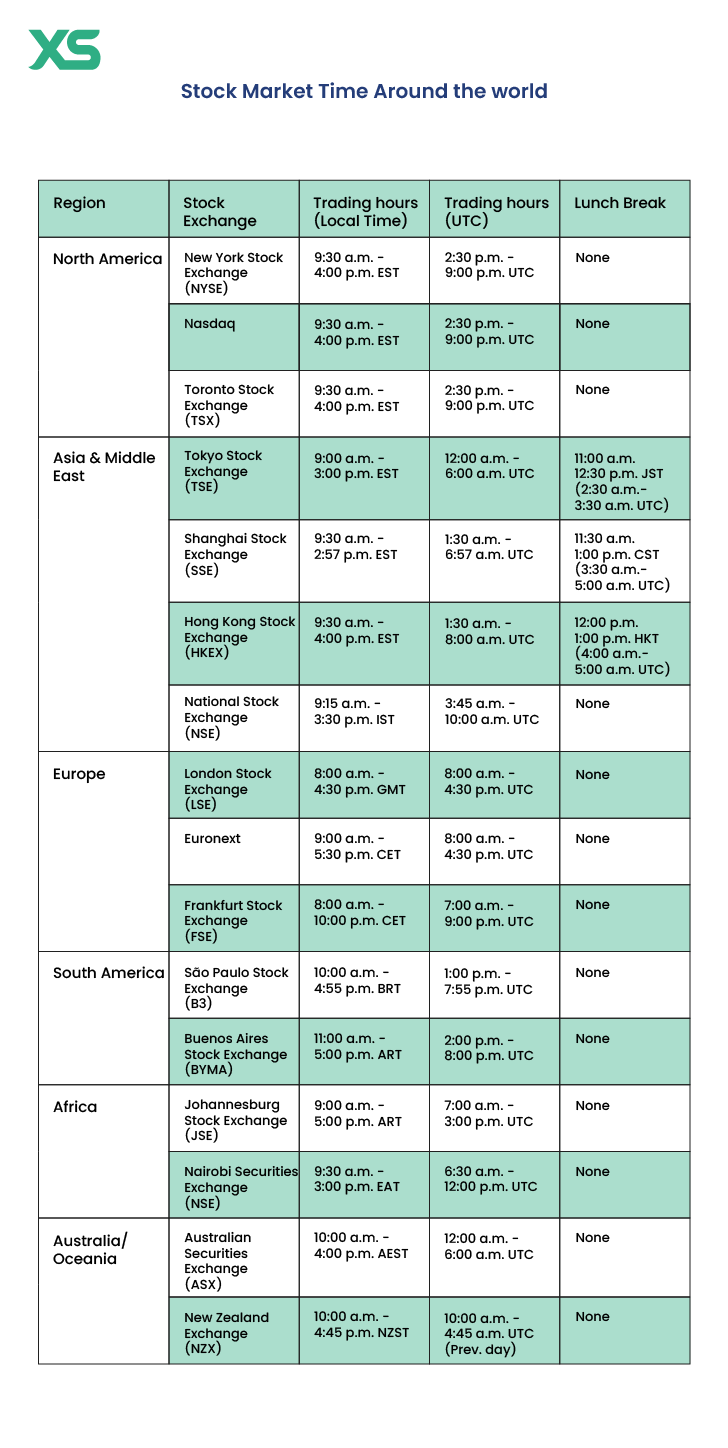
The backbone of global financial trading is built upon standardized operating hours, designed to create orderly and efficient markets. While the exact times can vary slightly by region and exchange, understanding the core principles is essential for any investor.
Core Trading Sessions: When the Action Happens
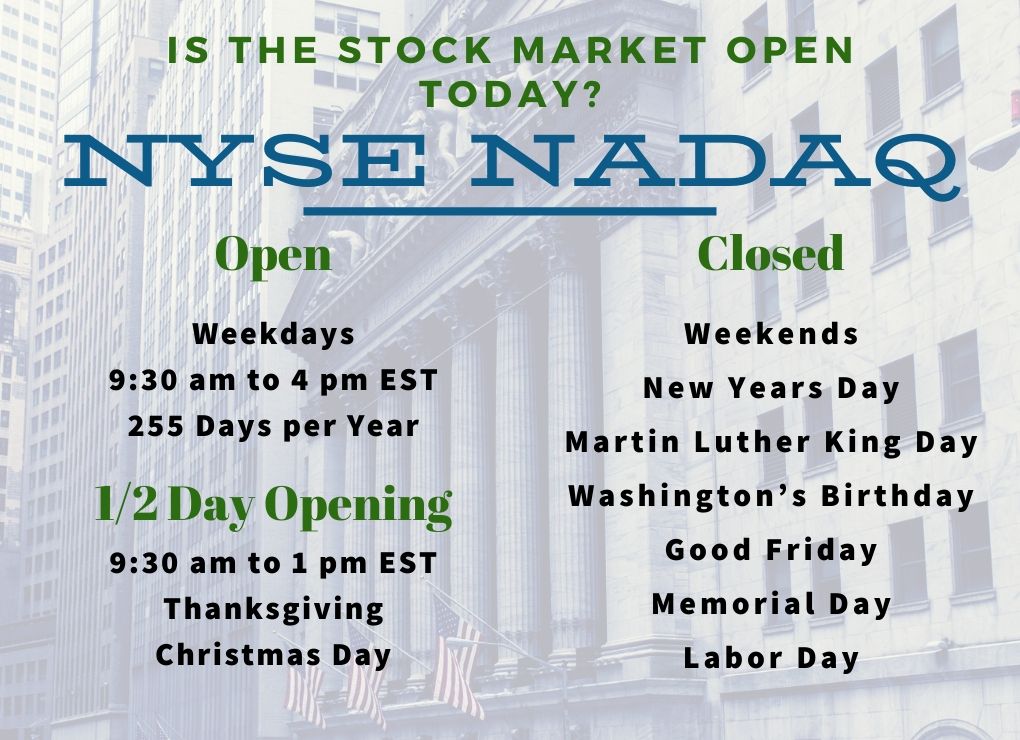
In the United States, the primary stock exchanges, such as the New York Stock Exchange (NYSE) and NASDAQ, adhere to a conventional schedule. The core trading session typically runs from 9:30 AM Eastern Time (ET) to 4:00 PM ET, Monday through Friday. This 6.5-hour window is when the vast majority of trading volume occurs, characterized by high liquidity and tighter bid-ask spreads. During these hours, individual investors, institutional traders, and market makers are all actively participating, driving price discovery and facilitating the smooth exchange of securities.
It’s important to note that while these are the standard hours for equity markets, other financial instruments might have different schedules. For instance, bond markets, commodities, and foreign exchange (forex) markets often operate on extended or even 24-hour cycles, reflecting their unique market structures and global nature. However, for the average stock investor, the 9:30 AM to 4:00 PM ET window is the most critical period.
Global Variations: A World of Trading Times
The world’s financial markets are a patchwork of different time zones and operating hours, reflecting the global economy’s diverse rhythms. While the U.S. markets close at 4:00 PM ET, other major exchanges are either just beginning their day or have long since closed.
-
Europe: Major European exchanges, like the London Stock Exchange (LSE), Euronext (Paris, Amsterdam, Brussels), and the Frankfurt Stock Exchange (Xetra), generally operate from morning to late afternoon local time. For example, the LSE’s main trading hours are typically 8:00 AM to 4:30 PM GMT (or BST during daylight saving).
-
Asia: Asian markets often lead the global trading day. The Tokyo Stock Exchange (TSE), Shanghai Stock Exchange (SSE), and Hong Kong Stock Exchange (HKEX) typically open in the morning local time and close in the afternoon, often with a midday break. For instance, the TSE operates from 9:00 AM to 3:00 PM JST with an hour-long lunch break.
These overlapping schedules mean that news or economic data released during one region’s trading hours can immediately impact markets in another region. Savvy investors often track global market movements to anticipate potential influences on their domestic portfolios. The question “how late is the stock market open today?” therefore takes on a global dimension, as the global market is always “open” somewhere.
Weekends and Holidays: When Markets Rest
Crucially, stock markets observe weekends and a range of national holidays. In the U.S., both the NYSE and NASDAQ are closed on Saturdays and Sundays. Additionally, they recognize federal holidays such as New Year’s Day, Martin Luther King, Jr. Day, Presidents’ Day, Good Friday, Memorial Day, Juneteenth National Independence Day, Independence Day, Labor Day, Thanksgiving Day, and Christmas Day. On certain days, like the day after Thanksgiving (Black Friday), markets may close early, typically at 1:00 PM ET.
These closures provide a necessary pause for market participants to digest information, re-evaluate strategies, and for market infrastructure to undergo maintenance. It also means that any significant news or economic developments occurring over a weekend or holiday cannot be immediately priced into stocks until the next trading day, potentially leading to gap openings or significant volatility at the open. Always consult the official exchange calendars for the most accurate information on holiday closures and early dismissals.
Beyond Standard Hours: Pre-Market and After-Hours Trading
The concept of the stock market being “open” is not strictly confined to the traditional 9:30 AM to 4:00 PM window. Modern technology and evolving market structures have introduced opportunities for trading outside these core hours.
The Rationale Behind Extended Hours
Pre-market and after-hours trading sessions allow investors to react to news and events that occur when the standard market is closed. Earnings reports, economic data releases, corporate announcements, and global market movements often happen outside the 9:30 AM to 4:00 PM ET timeframe. Extended hours trading provides an avenue for price discovery and liquidity in response to these developments, enabling investors to execute trades without waiting for the next day’s open. For instance, if a major tech company releases stellar earnings results at 4:30 PM ET, investors can buy its stock in the after-hours session, rather than waiting until the next morning, potentially missing out on an immediate price surge.
Accessing Extended Trading Sessions
Most major brokerage firms offer their clients access to extended trading hours.
-
Pre-market trading typically begins around 4:00 AM ET and runs until 9:30 AM ET.
-
After-hours trading generally starts at 4:00 PM ET and extends until 8:00 PM ET.
These sessions are facilitated by electronic communication networks (ECNs) rather than the traditional exchange floor. When placing an order during extended hours, investors usually need to specify that they want their order to be valid for these sessions, often by selecting an “extended hours” or “good ’til close” (GTC) order type, though exact terminology varies by broker. It’s important to understand that not all brokers offer the full range of extended hours, and some may have slightly different start and end times.
Risks and Rewards of Non-Standard Hours
While extended hours offer flexibility, they come with a distinct set of risks that investors must consider:
-
Lower Liquidity: Fewer participants trade during extended hours, leading to lower liquidity. This means it can be harder to buy or sell shares, especially for less popular stocks, and orders may take longer to fill.
-
Wider Spreads: Lower liquidity often results in wider bid-ask spreads, meaning the difference between the highest price a buyer is willing to pay and the lowest price a seller is willing to accept is greater. This can lead to less favorable execution prices for investors.
-
Increased Volatility: News and events can have a more pronounced impact on stock prices during extended hours due to thinner trading volumes. A single large trade can significantly move the price of a stock.
-
Professional Dominance: Institutional investors and high-frequency traders often dominate extended-hours trading, potentially putting individual retail investors at a disadvantage.
-
Limited Order Types: Not all order types (e.g., stop-loss orders) may be available or function identically during extended sessions, requiring careful management.
Despite these risks, the rewards can be significant. Early access to price movements, the ability to react quickly to breaking news, and the potential to capitalize on immediate market reactions can be advantageous for informed and agile investors. However, due to the inherent risks, many financial advisors recommend caution for less experienced investors engaging in extended-hours trading.
Factors Influencing Market Open/Close Times & Extensions
The rules governing market hours are not arbitrary; they are the result of regulatory oversight, exchange policies, and practical considerations. Understanding these influences helps demystify “how late is the stock market open today” and why schedules are structured as they are.
Market Regulator Influence (e.g., SEC)
Government bodies and regulatory agencies play a pivotal role in setting the framework for market operations. In the United States, the Securities and Exchange Commission (SEC) oversees the financial markets, ensuring fairness and investor protection. While the SEC doesn’t typically set the exact trading hours for exchanges, its regulations influence the environment in which exchanges operate, including rules around transparency, data dissemination, and the overall structure of trading systems. Any significant changes to market hours or trading mechanisms would likely involve discussions with or approval from regulatory bodies.
Exchange-Specific Rules (e.g., NYSE, NASDAQ)
Individual stock exchanges, such as the NYSE and NASDAQ, are primarily responsible for setting their own specific trading hours. These decisions are driven by a blend of historical precedent, operational efficiency, and competitive considerations. The 9:30 AM to 4:00 PM ET schedule, for instance, has been largely consistent for decades, providing a predictable rhythm for investors. Exchanges also determine the rules for pre-market and after-hours trading, including which securities are eligible and the specific ECNs used to facilitate these trades. They publish official calendars detailing holiday closures and any early dismissals, which are critical resources for investors.
Daylight Saving Time Adjustments
For markets in regions that observe Daylight Saving Time (DST), the transition can subtly shift the “how late is the stock market open today” question. While the local time for opening and closing remains constant (e.g., 9:30 AM to 4:00 PM ET), the offset from Coordinated Universal Time (UTC) changes. This becomes particularly relevant for international investors or those trading across different time zones. When the U.S. shifts to or from DST, it can temporarily alter the overlap window with European or Asian markets, impacting cross-market strategies. Most financial calendars and platforms automatically adjust for these changes, but it’s a detail worth noting for global traders.
Unexpected Closures and Early Finishes
While rare, markets can experience unexpected closures or early finishes due to unforeseen circumstances. These could include:
-
National Emergencies: Events like major natural disasters (e.g., hurricanes, blizzards impacting New York City) or significant national security threats can lead to market closures to ensure the safety of personnel and the integrity of operations. The most notable recent example was the multi-day closure of U.S. markets after the September 11, 2001 attacks.
-
Technical Glitches: Although less common with modern systems, severe technical failures within an exchange or a major market participant could theoretically lead to temporary halts or early closures.
-
Periods of Extreme Volatility: While not usually leading to full closure, extreme market volatility can trigger circuit breakers, which temporarily halt trading across all exchanges to allow investors to absorb information and prevent panic selling. These are designed to be temporary pauses, not closures.
Such events are communicated quickly through official exchange channels and major financial news outlets. Investors should always have reliable news sources to stay informed of any such deviations from the standard schedule.
Why Market Hours Matter to Investors
The timing of market operations isn’t just a logistical detail; it has profound implications for investment strategy, risk management, and overall portfolio performance. “How late is the stock market open today” therefore feeds directly into an investor’s decision-making process.
Impact on Liquidity and Volatility
As discussed, liquidity and volatility are directly tied to market hours. During core trading sessions, high liquidity typically means that orders can be executed quickly and efficiently with minimal price impact. This is the ideal environment for most transactions. Conversely, during extended hours, lower liquidity can exacerbate price swings, making it challenging to enter or exit positions without moving the market or incurring wider spreads. Investors must align their trading activity with appropriate liquidity levels based on their strategy and risk tolerance. Actively traded stocks usually maintain better liquidity during extended hours than thinly traded ones.
Strategic Trading During Different Sessions
Savvy investors often tailor their trading strategies to different market sessions:
-
Opening Bell: The first hour of trading (9:30 AM – 10:30 AM ET) is often characterized by significant volatility as investors react to overnight news, pre-market activity, and economic reports. This period can present opportunities for day traders seeking quick profits but also carries heightened risk.
-
Mid-Day Lull: The middle hours of the trading day (roughly 11:00 AM – 3:00 PM ET) often see reduced volume and volatility, as many active traders take a break. This can be a calmer period for longer-term investors to place orders without as much immediate price fluctuation.
-
Closing Bell: The final hour (3:00 PM – 4:00 PM ET) often sees another surge in activity as institutional traders adjust positions, rebalance portfolios, and try to fill orders before the market closes. This can also be a volatile period.
-
Extended Hours: As explored, extended hours are primarily for reacting to specific news events. They require a clear rationale and an understanding of the inherent risks, and are generally not recommended for casual or inexperienced investors due to low liquidity and higher volatility.
Understanding these patterns allows investors to choose the most appropriate time to execute trades based on their specific goals, whether it’s capturing immediate reactions to news or patiently building a long-term position.
Keeping Up with News and Earnings Releases
The schedule of market hours dictates when news and corporate earnings releases have their most direct impact. Most companies strategically release earnings reports outside of core trading hours (either before the market opens or after it closes) to allow investors time to digest the information before trading resumes. This minimizes disruption during the main trading session. Investors who monitor these releases closely can use extended-hours trading to react immediately, but they must weigh the potential for early gains against the increased risks of low liquidity and higher volatility. For long-term investors, the immediate extended-hours reaction might be less critical than the overall impact seen during the subsequent core trading day.
Tools and Resources for Tracking Market Hours
In today’s interconnected financial world, knowing “how late is the stock market open today” is rarely a manual calculation. A plethora of tools and resources are available to keep investors informed and ensure they never miss a trading window or are caught off guard by a market closure.
Financial News Websites and Apps
Leading financial news outlets, such as Bloomberg, Reuters, The Wall Street Journal, CNBC, and Yahoo Finance, provide real-time updates on market hours, holiday schedules, and any unexpected closures. Many of these platforms also offer mobile apps with push notifications for critical market events, including opening and closing times. These are excellent resources for a quick overview and immediate alerts.
Brokerage Platforms
Your own online brokerage platform is arguably the most direct and reliable source for information pertinent to your trading. Brokerage platforms typically display current market status (open/closed), countdowns to market open/close, and detailed schedules for extended hours trading. They also often provide access to official exchange calendars and alerts regarding any market-specific announcements. When placing an order, most platforms will clearly indicate if the market is open for that specific trade type and time, guiding the user automatically.

Official Exchange Calendars
For the most precise and authoritative information, consulting the official websites of the stock exchanges themselves is the best approach. The NYSE and NASDAQ, for example, publish comprehensive calendars detailing all holiday closures, early closing days, and normal trading hours for the current and upcoming years. These official calendars eliminate any ambiguity and are essential for detailed planning, especially around major holidays.
In conclusion, the question “how late is the stock market open today?” leads us down a path of understanding not just specific times, but the entire ecosystem of financial market operations. From the structured predictability of core trading hours to the dynamic risks and rewards of extended sessions, and the influence of global factors and regulatory bodies, market timing is a critical element of successful investing. By leveraging available tools and remaining informed, investors can navigate these complexities with greater confidence and strategic insight.
aViewFromTheCave is a participant in the Amazon Services LLC Associates Program, an affiliate advertising program designed to provide a means for sites to earn advertising fees by advertising and linking to Amazon.com. Amazon, the Amazon logo, AmazonSupply, and the AmazonSupply logo are trademarks of Amazon.com, Inc. or its affiliates. As an Amazon Associate we earn affiliate commissions from qualifying purchases.