
Understanding how much airline tickets cost is a fundamental component of modern financial planning, whether for a household managing a vacation budget or a corporation overseeing an annual travel expenditure of millions. Airfare is one of the few commodities in the global economy where two people sitting in identical seats, receiving the same service, may have paid prices that differ by several hundred percent. This disparity is not accidental; it is the result of sophisticated yield management systems, fluctuating macroeconomic variables, and a highly competitive marketplace. To truly grasp the financial implications of airfare, one must look beyond the sticker price and analyze the underlying economic drivers that dictate the cost of travel.
The Mechanics of Dynamic Pricing: Why Costs Vary
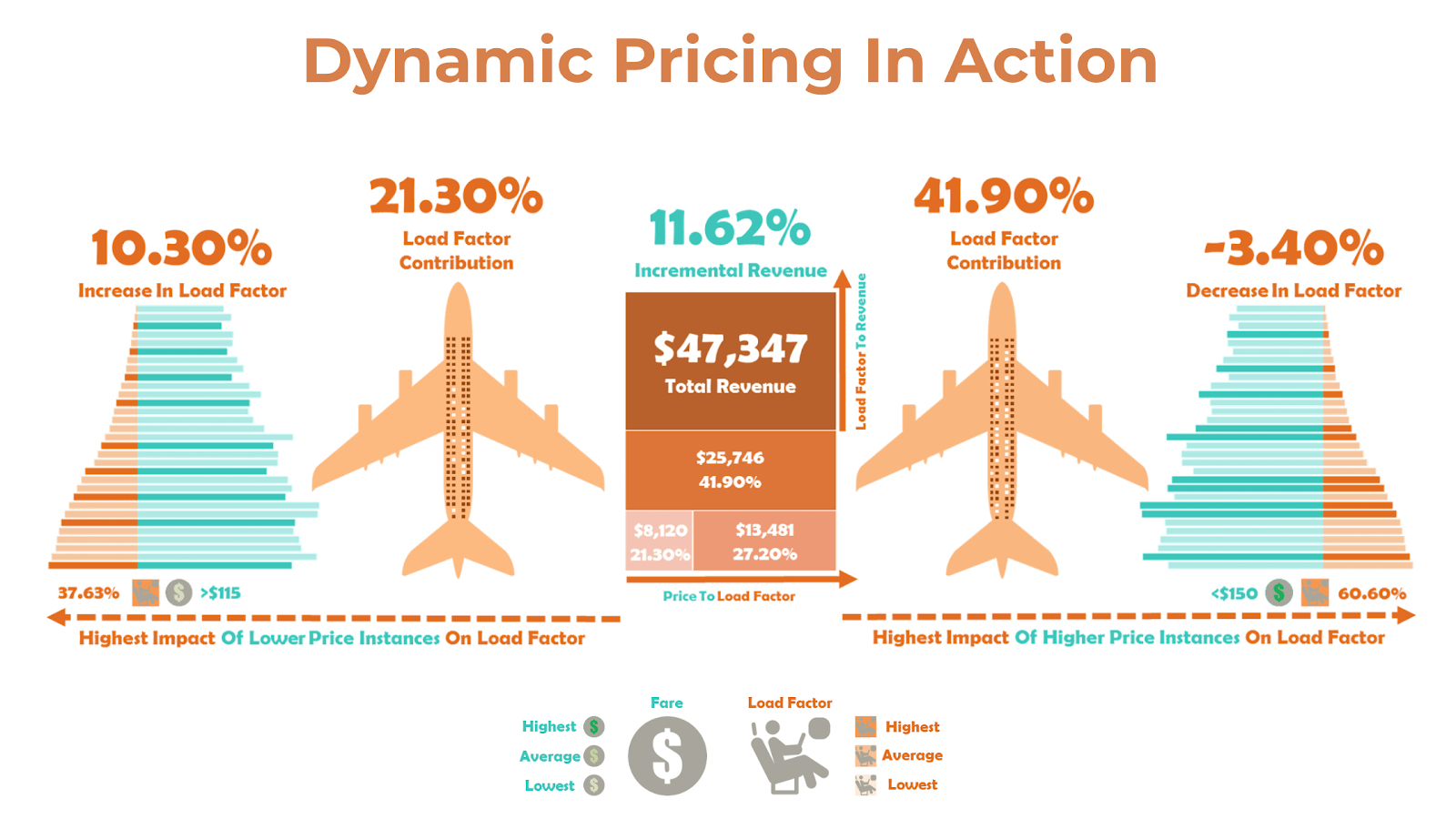
The primary reason airline ticket prices are so volatile is a strategy known as dynamic pricing or yield management. Developed in the wake of the 1978 Airline Deregulation Act, these systems are designed to maximize the revenue generated from every single flight. Unlike a retail store that marks up a product by a fixed percentage, an airline views each seat as a perishable asset. Once a plane takes off, any empty seat represents a total loss of potential revenue that can never be recovered.
Supply and Demand Cycles
At its core, the cost of an airline ticket is a reflection of real-time supply and demand. Airlines divide their cabin inventory into various “fare buckets.” A certain number of seats are allocated at a lower price point to stimulate early demand, while the remaining seats are held for late-booking travelers—often business professionals—who are less price-sensitive and willing to pay a premium for flexibility.
Seasonal demand plays a massive role in this equation. During peak periods such as summer holidays, year-end festivities, or major sporting events, the “supply” of seats remains fixed while “demand” skyrockets. In these scenarios, the lower fare buckets are exhausted months in advance, leaving only the high-tier prices. Conversely, during “shoulder seasons” or mid-week flights when demand is low, airlines lower prices to attract budget-conscious travelers who might otherwise stay home.
Algorithm-Driven Fluctuations
Modern airlines use incredibly complex algorithms that monitor thousands of variables every second. These algorithms track historical booking patterns, competitor pricing, current booking velocity, and even local weather patterns or currency fluctuations. If a flight is filling up faster than expected, the algorithm will automatically move to a higher price tier. If bookings are sluggish, it may trigger a temporary “flash sale” to boost load factors. For the consumer, this means that the price quoted on a Monday morning could be significantly different by Tuesday afternoon, making timing a critical factor in personal finance management.
Budgeting for Airfare: A Strategic Approach to Travel Expenses
For the individual or the small business owner, airfare often represents the largest single line item in a travel budget. Managing this cost requires a shift from passive searching to proactive financial strategy. Effectively navigating the market requires an understanding of the “sweet spot” for booking and a clear-eyed assessment of total costs.
The Rule of Diminishing Returns in Last-Minute Booking
There is a common misconception that waiting until the last minute will result in “fire sale” prices as airlines try to fill seats. In the modern aviation industry, the opposite is usually true. Most airlines increase prices significantly within 14 to 21 days of departure. This is because the travelers booking in this window are typically corporate travelers who have no choice but to fly, allowing the airline to capture a higher margin.
For optimal financial efficiency, data suggests that for domestic flights, the ideal booking window is typically one to three months in advance. For international travel, this expands to four to eight months. Booking outside these windows often results in paying a “convenience premium” that can eat into other areas of a personal or business budget.
Hidden Costs and the “Unbundled” Model
When calculating how much airline tickets cost, the “base fare” is often a misleading figure. Over the last decade, the industry has moved toward an “unbundled” pricing model, popularized by low-cost carriers and now adopted by legacy airlines. In this model, the initial price only covers the seat itself. Additional costs—which can add 30% to 50% to the total financial outlay—include:
-
Baggage Fees: Both checked and carry-on bags are increasingly monetized.
-
Seat Selection: Paying for the privilege of sitting with family or having extra legroom.
-
In-flight Services: Wi-Fi, meals, and beverages.
-
Taxes and Surcharges: Airport improvement fees, security taxes, and international departure taxes.
From a financial planning perspective, it is essential to calculate the “all-in” cost rather than comparing base fares. A $200 ticket on a budget carrier might end up costing more than a $300 ticket on a full-service airline once all fees are accounted for.
Business Finance and Corporate Travel Management

For corporations, the cost of airline tickets is not just an expense; it is an investment in human capital and business development. Managing this spend requires a structured approach to corporate travel policy and vendor negotiations.
Cost-Benefit Analysis of Cabin Classes
The price gap between Economy, Premium Economy, and Business Class is substantial, often ranging from 3x to 10x the base fare. For a business, deciding which class to book involves a complex cost-benefit analysis. While an Economy ticket is cheaper on the balance sheet, the physical toll of long-haul travel on an executive can result in “lost productivity” costs that far outweigh the savings. Many firms now use a “travel duration” rule, where Business Class is only authorized for flights exceeding eight hours, balancing the need for employee well-being with fiscal responsibility.
Leveraging Corporate Partnerships
Large organizations rarely pay the “retail” price for airline tickets. Instead, they leverage their total annual travel volume to negotiate “preferred partner” agreements with specific airline alliances. These contracts offer fixed-percentage discounts off published fares, complimentary upgrades, or waived change fees. For a company spending $500,000 annually on travel, a negotiated 10% discount represents a $50,000 direct addition to the bottom line. This highlights why business finance departments often centralize travel booking through a single agency or platform to maintain data visibility and negotiating leverage.
Global Economic Factors Influencing Ticket Prices
While supply, demand, and timing are internal factors, the cost of an airline ticket is also heavily influenced by global macroeconomic trends. Travelers and businesses must remain aware of these external pressures to forecast future travel costs accurately.
Fuel Surcharges and Inflationary Pressures
Jet fuel typically accounts for 20% to 30% of an airline’s total operating expenses. Because fuel prices are tied to the volatile global oil market, airlines are highly sensitive to energy costs. When oil prices spike, airlines often implement “fuel surcharges” that are passed directly to the consumer.
Furthermore, general inflation affects every part of the aviation ecosystem. Increased labor costs for pilots and ground crew, higher catering prices, and the rising cost of aircraft maintenance all place upward pressure on ticket prices. In an inflationary environment, the “real cost” of travel may remain stable, but the “nominal cost” seen by the consumer will inevitably rise.
Regional Infrastructure and Competitive Markets
The geography of an airline’s route network also dictates price. Routes served by multiple competing airlines tend to have lower prices due to price wars. Conversely, “fortress hubs”—airports where a single airline controls a majority of the gates—often see significantly higher ticket costs because there is little incentive for the dominant carrier to lower prices. Additionally, government-imposed taxes and carbon offset mandates (particularly in Europe) add a fixed cost to every ticket that is independent of the airline’s own pricing strategy.
Financial Tools for Optimizing Travel Spend
In the face of rising costs, savvy financial managers—both at the individual and corporate level—utilize specific tools and strategies to mitigate the impact of high airfare.
Credit Card Rewards and Point Valuation
The strategic use of travel-branded credit cards has become a cornerstone of modern travel finance. By channeling everyday business or personal spending through these cards, consumers earn points or miles that can be redeemed for flights. However, the true financial expert looks at “cents per point” (CPP). If a ticket costs $500 or 50,000 miles, the value is 1 cent per mile. If the same 50,000 miles can be used for a $2,000 Business Class seat, the value jumps to 4 cents per mile. Maximizing the ROI on points is a sophisticated way to reduce the effective cost of an airline ticket to near zero.
Predictive Analytics and Forecasting
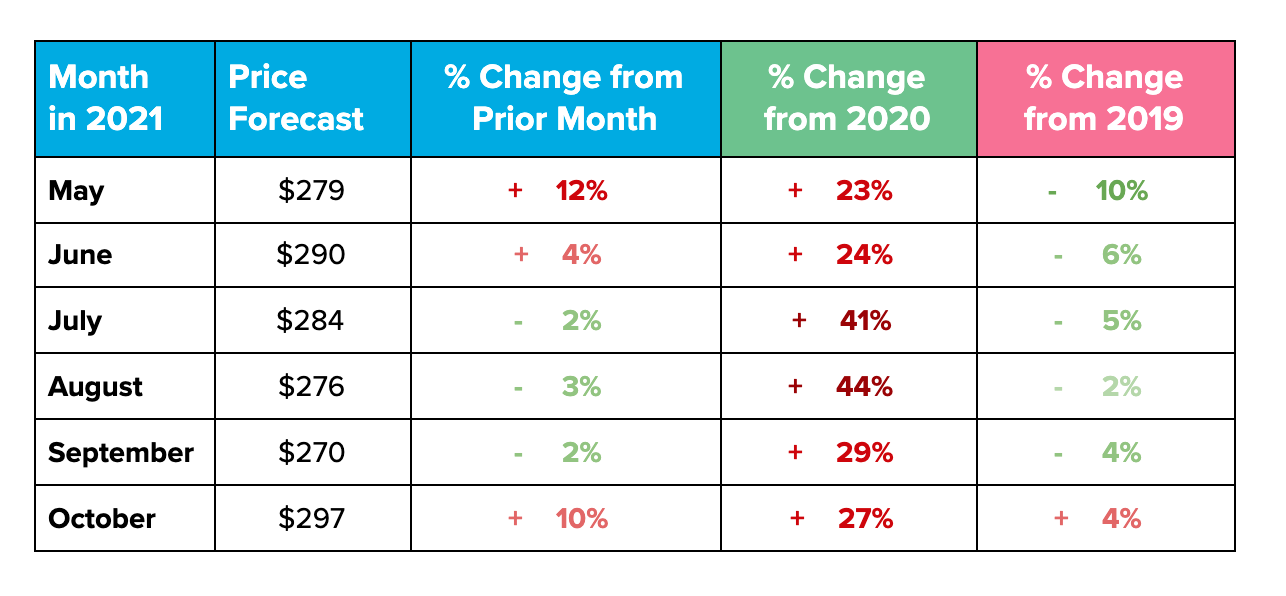
Technology has leveled the playing field for consumers. Various financial platforms and travel aggregators now offer “price protection” or “price freeze” tools. These tools use historical data to predict whether a fare is likely to rise or fall in the coming weeks. Some even offer “price drop protection,” where the platform will refund the difference if the ticket price decreases after purchase. Utilizing these data-driven tools allows for a more disciplined approach to capital allocation, ensuring that neither individuals nor businesses overpay for the necessity of flight.
In conclusion, the question of how much airline tickets cost does not have a single answer. It is a shifting target influenced by algorithmic precision, global economic shifts, and strategic booking behavior. By understanding the underlying financial principles of the aviation industry, one can transform travel from an unpredictable expense into a manageable and optimized component of a broader financial strategy.
aViewFromTheCave is a participant in the Amazon Services LLC Associates Program, an affiliate advertising program designed to provide a means for sites to earn advertising fees by advertising and linking to Amazon.com. Amazon, the Amazon logo, AmazonSupply, and the AmazonSupply logo are trademarks of Amazon.com, Inc. or its affiliates. As an Amazon Associate we earn affiliate commissions from qualifying purchases.