
Cruising has evolved from an elite luxury into one of the most popular and versatile vacation formats in the global travel market. However, for the financially conscious traveler, the sticker price seen on a promotional banner rarely represents the total outflow of capital. Understanding how much a cruise costs requires a deep dive into the tiered pricing structures, hidden fees, and discretionary spending that define the modern maritime experience. From a personal finance perspective, a cruise is not a single purchase but a series of financial decisions that begin months before embarkation and continue until the final bill is settled on the morning of disembarkation.
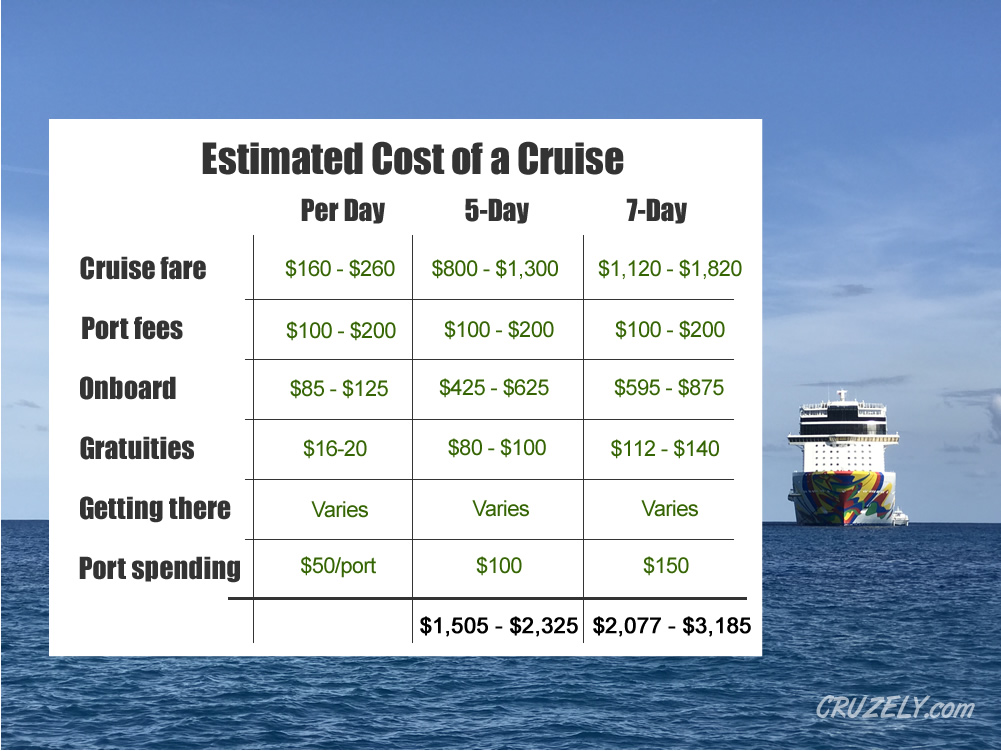
To accurately budget for a cruise, one must look past the “per person, per day” marketing and analyze the total cost of ownership for the vacation. This guide breaks down the financial components of cruising into base fares, mandatory extras, and lifestyle variables to help you plan a trip that aligns with your financial goals.
Decoding the Base Fare: What Your Initial Payment Actually Covers
The base fare is the most visible element of a cruise’s cost, and it varies wildly based on the cruise line’s market positioning. In the financial ecosystem of travel, cruise lines generally fall into three categories: budget/contemporary, premium, and luxury.
The Standard Inclusions
Regardless of the price point, the base fare typically covers your accommodations (the stateroom), basic dining in the main dining room and buffet, onboard entertainment such as theater shows and live music, and access to most shipboard facilities like pools and gyms. For a budget line, this base fare might start as low as $75 to $100 per person, per day. For luxury lines, this can soar to $1,000 per person, per day, but it includes significantly more “value-adds” such as alcohol, shore excursions, and airfare.
Variations by Cabin Category
Your choice of “real estate” on the ship is the primary driver of the base fare. An interior cabin, which lacks a window, represents the most cost-effective entry point for those prioritizing the destination over the room itself. Moving up to an oceanview or a balcony cabin typically increases the cost by 30% to 60%. Suites, which often come with concierge or butler service and private lounge access, can cost three to five times the price of a standard interior room. From a financial planning perspective, travelers must decide if the premium for a balcony provides a sufficient return on investment (ROI) based on the itinerary; for example, a balcony is often considered essential for an Alaskan glacier cruise but perhaps less so for a port-heavy Mediterranean route where the room is only used for sleeping.
The Impact of Seasonality and Booking Windows
Cruise pricing is dynamic, much like airline tickets. High-demand periods—such as summer break, Christmas, and New Year’s—command the highest premiums. Conversely, “shoulder seasons” like May or September offer significant discounts. Furthermore, the timing of your booking affects your capital outlay. Booking 12 to 18 months in advance often secures “early bird” rates and the best cabin selection. Alternatively, last-minute bookings (within 90 days of sailing) can result in fire-sale prices as cruise lines move to fill unsold inventory, though this requires the flexibility to handle potentially higher last-minute airfare costs.
The Hidden Costs and Mandatory Extras
One of the most common mistakes in travel budgeting is equating the base fare with the total cost. Several “non-negotiable” expenses must be factored into your financial model to avoid a surprise balance on your credit card statement at the end of the week.
Taxes, Fees, and Port Expenses
The price you see in the large font on a travel website often excludes government-mandated taxes and port fees. These are calculated based on the number of ports the ship visits and can range from $150 to $500 per person depending on the itinerary. These fees are fixed and non-commissionable, meaning they are rarely discounted. When comparing two different itineraries, always look at the “all-in” price including these fees to ensure an apples-to-apples financial comparison.
Gratuities and Service Charges
Most major cruise lines automatically add a daily gratuity or service charge to your onboard account. These funds are distributed among the dining staff, cabin stewards, and behind-the-scenes crew members. As of current market standards, these charges typically range from $16 to $20 per person, per day. For a family of four on a seven-night cruise, this adds over $500 to the total cost. While some lines allow you to prepay these at the time of booking—which is a recommended strategy for locking in current rates—they remain a mandatory component of the cruise economy.
Travel Insurance and Financial Protection
From a risk management perspective, travel insurance is a critical component of the cruise cost. A cruise involves multiple moving parts: flights, weather-dependent maritime schedules, and international medical risks. A comprehensive policy typically costs 5% to 10% of the total trip cost. While it adds to the upfront expense, it protects against the total loss of your investment due to cancellations or medical emergencies at sea, which can cost tens of thousands of dollars in evacuation fees.
Navigating Onboard Spending and Discretionary Expenses
The cruise industry has increasingly shifted toward an “unbundled” pricing model, where the base fare is kept low, but ancillary services carry high margins. Managing these discretionary expenses is where the most significant budgetary variances occur.
Beverage Packages: The ROI Calculation
For many, the most significant onboard expense is the beverage package. Cruise lines offer tiered packages for soda, premium coffees, and unlimited alcoholic beverages. An alcoholic beverage package typically costs between $60 and $100 per person, per day, plus an automatic 18% to 20% gratuity. To determine the financial viability of such a package, you must calculate your “break-even” point. If the average cocktail costs $14, you generally need to consume 6 to 8 drinks per day to justify the cost. For light drinkers, paying “a la carte” is almost always the more fiscally responsible choice.
Shore Excursions and Port Activities
While the ship is a destination in itself, the primary value of a cruise is the ports of call. Shore excursions organized by the cruise line offer convenience and a guarantee that the ship won’t leave without you, but they come at a premium—often 20% to 50% higher than booking an independent tour or exploring on your own. Budgeting $100 to $250 per person, per port, is a safe estimate for a standard excursion. For a seven-day cruise with four ports, this can easily add $1,000 to a couple’s travel budget.
Specialty Dining and Premium Services
While the “free” food on a cruise is generally high quality, cruise lines heavily market their specialty restaurants—steakhouses, sushi bars, and French bistros—which carry a cover charge ranging from $30 to $90 per person. Other “money pits” include the onboard spa (where treatments are often 50% more expensive than land-based equivalents), the casino, and the photo gallery. From a wealth management perspective, setting a strict “onboard credit” limit before the trip begins is the most effective way to prevent these small transactions from ballooning into a significant financial burden.
Strategic Financial Planning for Your Cruise
Treating a cruise as a financial project allows you to maximize value and minimize waste. By utilizing specific financial tools and strategies, you can significantly reduce the net cost of your vacation.
Leveraging Credit Card Rewards and Loyalty Programs
Many frequent cruisers utilize “travel hacking” to offset costs. Co-branded cruise credit cards or general travel cards (such as those offering flexible points) can be used to pay for the base fare or to erase onboard charges after the fact. Additionally, cruise line loyalty programs offer “milestone” benefits that provide real financial value, such as free laundry, complimentary Wi-Fi, or discounted beverage packages. Before booking, check if your existing credit card portfolio offers “Statement Credits” for specific cruise lines, which can sometimes save you $100 to $500 on a single booking.
The “Sinking Fund” Approach to Travel
To avoid high-interest credit card debt, the most prudent way to fund a cruise is through a dedicated sinking fund. By identifying the total “all-in” cost—including airfare, hotels for the night before embarkation, and onboard spending—you can divide that total by the number of months until the final payment is due. This turns a $4,000 vacation into a manageable $333 monthly line item in your budget.

Early Booking vs. The Opportunity Cost of Capital
In the cruising world, the “Final Payment Date” (usually 90 to 120 days before sailing) is a major financial milestone. Until that date, most deposits are fully refundable. This allows you to “lock in” a price early while keeping your options open. However, always consider the opportunity cost of your deposit. If you place a $1,000 deposit two years in advance, that capital is not earning interest in a High-Yield Savings Account (HYSA) or the stock market. Ensure the “early booking discount” outweighs the potential 5% to 10% return that money could have generated elsewhere.
In conclusion, the cost of a cruise is a multifaceted equation. While the base fare serves as the foundation, the true cost is built through taxes, gratuities, and lifestyle choices made onboard. By approaching the cruise purchase with the same analytical rigor one would apply to any significant financial investment, travelers can enjoy the vast horizons of the ocean without drifting into a sea of unexpected debt. Budgeting effectively, understanding the hidden fees, and strategically using financial tools ensures that the memories of the voyage are the only thing you carry home—not a lingering financial deficit.
aViewFromTheCave is a participant in the Amazon Services LLC Associates Program, an affiliate advertising program designed to provide a means for sites to earn advertising fees by advertising and linking to Amazon.com. Amazon, the Amazon logo, AmazonSupply, and the AmazonSupply logo are trademarks of Amazon.com, Inc. or its affiliates. As an Amazon Associate we earn affiliate commissions from qualifying purchases.