
The modern economic landscape has undergone a seismic shift, moving away from traditional corporate office structures toward a more decentralized, home-based entrepreneurship model. Starting a business from home is no longer just a trend; it is a viable path to financial independence and professional fulfillment. However, the transition from an aspiring entrepreneur to a profitable business owner requires more than just a good idea. It demands a rigorous focus on financial planning, strategic market positioning, and the discipline to manage a professional enterprise within a domestic setting.
To navigate this journey successfully, you must approach your home business through the lens of a financial architect. By minimizing overhead, optimizing your tax situation, and selecting a business model with high scalability, you can transform a spare room or a laptop into a powerful engine for wealth creation.
Evaluating Your Profitable Niche and Business Model
The first step in launching a home-based business is identifying where your skills intersect with market demand. In the realm of personal finance and online income, your choice of business model determines your “ceiling” for earnings and the complexity of your operations.
Identifying High-Demand Skills for Remote Services
Service-based businesses are often the most accessible starting point because they require minimal upfront capital. If you possess skills in copywriting, financial consulting, digital marketing, or software development, you can sell your expertise directly to clients. The primary financial advantage here is the high profit margin; since you are selling your time and knowledge, your “Cost of Goods Sold” is virtually zero. To maximize income, focus on high-value niches where clients are willing to pay a premium for specialized results rather than hourly labor.
E-commerce and Inventory Management
For those interested in tangible products, the home-based model has been revolutionized by dropshipping and third-party logistics. You no longer need a warehouse to sell physical goods. By utilizing platforms that handle fulfillment, you can focus on the financial aspects of the business: profit margins, customer acquisition costs (CAC), and inventory turnover. If you prefer a more hands-on approach, such as selling handmade goods or curated boutique items, you must carefully calculate your shipping costs and storage requirements to ensure that your home space remains functional while your business grows.
Content Monetization and Digital Products
One of the most scalable ways to generate income from home is through the creation of digital assets. This includes e-books, online courses, membership sites, or specialized software. The financial beauty of digital products lies in the “create once, sell forever” logic. While the initial time investment is significant, the marginal cost of selling an additional unit is nearly zero. This allows for exponential growth without a corresponding increase in expenses, making it one of the most efficient side hustles to scale into a full-time enterprise.
Building a Solid Financial Foundation
A home business often fails not because the idea was bad, but because the financial structure was weak. Treating your home business like a professional entity from day one is essential for long-term survival.
Calculating Startup Costs and Lean Operations
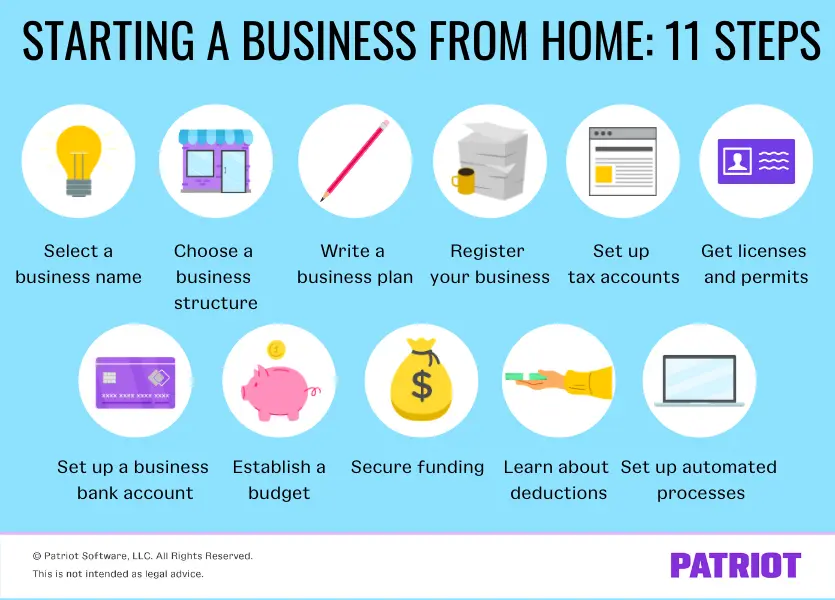
The primary advantage of a home-based business is the ability to “bootstrap”—starting with little to no outside funding. Begin by auditing your essential needs: a reliable computer, high-speed internet, and specific software. Avoid the temptation to invest in “luxury” business assets like expensive furniture or premium branding packages until you have proven your concept with actual revenue. Focus your limited capital on activities that directly generate income, such as lead generation or product development.
Managing Business vs. Personal Finances
A common mistake for home entrepreneurs is the co-mingling of personal and business funds. To ensure financial clarity, you must open a dedicated business bank account. This simplifies your bookkeeping and provides a clear picture of your business’s profitability. Additionally, consider setting up a separate credit card for business expenses. This not only helps in tracking deductible expenses but also builds a credit profile for your business, which can be vital if you ever need to apply for a small business loan or a line of credit in the future.
Understanding Tax Obligations and Legal Structure
Operating from home offers unique tax advantages, such as the home office deduction, which allows you to write off a portion of your rent or mortgage, utilities, and insurance. However, you must also navigate the complexities of self-employment taxes. Depending on your location, you may need to register as a Sole Proprietorship or an LLC (Limited Liability Company). An LLC is often preferred for home businesses because it provides a layer of protection between your personal assets and your business liabilities, while also offering flexibility in how you are taxed. Consult with a financial advisor to determine the most tax-efficient structure for your specific income level.

Designing Your Digital Infrastructure and Workspace
When your home is your headquarters, your digital tools and physical environment become your most important infrastructure. To compete with established firms, you must leverage technology to automate tasks and maintain a professional image.
Essential Productivity and Financial Tools
In the absence of a corporate IT department, you must curate your own “tech stack.” For financial management, tools like QuickBooks or FreshBooks are essential for tracking invoices, expenses, and tax preparation. For project management and client communication, platforms like Trello, Asana, or Slack ensure that your workflows remain organized. Automation is your greatest ally; use tools like Zapier to connect different apps and handle repetitive tasks, allowing you to focus on high-level strategy and revenue-generating activities.
Creating a High-Performance Home Office Environment
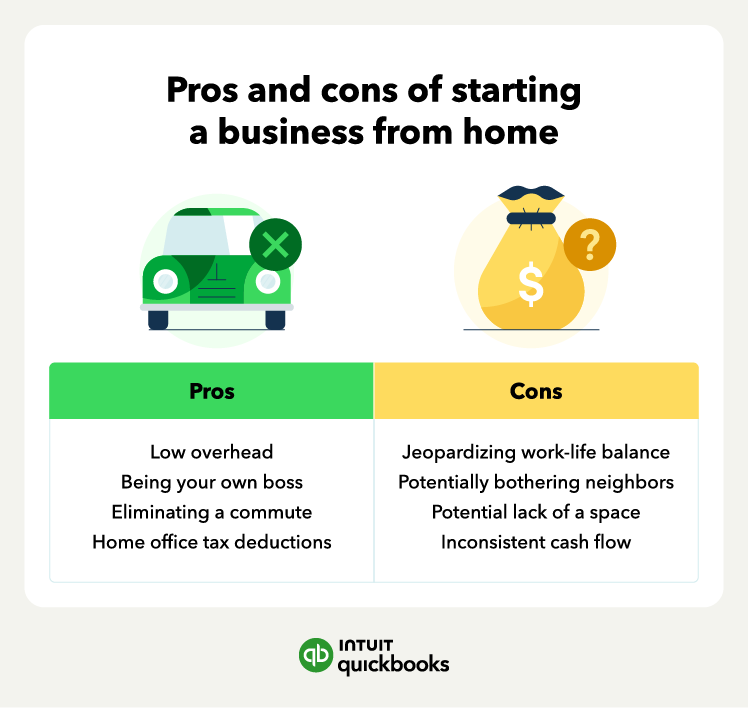
While the idea of working from a couch is appealing, it is rarely sustainable or productive. To maintain professional discipline, designate a specific area of your home exclusively for work. This helps psychologically separate “home life” from “work life,” which is critical for preventing burnout. From a financial perspective, this dedicated space is what qualifies you for many tax deductions. Ensure your workspace is equipped with ergonomic furniture and the necessary hardware to prevent physical strain, as your health is the most critical asset in a solo enterprise.
Scaling Through Strategic Marketing and Networking
Starting the business is only half the battle; the other half is ensuring that the market knows you exist. Scaling a home-based business requires a data-driven approach to marketing that prioritizes Return on Investment (ROI).
Organic Growth Strategies on a Budget
You do not need a massive advertising budget to find clients. Content marketing—creating valuable blog posts, videos, or social media content—allows you to build authority in your niche for the cost of your time. Search Engine Optimization (SEO) is a long-term investment that can drive “free” traffic to your website for years. By focusing on solving problems for your target audience, you build trust and attract high-quality leads who are already looking for the solutions you provide.
Leveraging Client Retention for Long-Term Revenue
The cost of acquiring a new customer is significantly higher than the cost of retaining an existing one. For a home-based business, building strong relationships is the key to financial stability. Implement a system for regular follow-ups and offer additional value to your current clients. Referrals are the “gold standard” of business growth; a satisfied client acting as a brand advocate provides the highest ROI of any marketing strategy. As your reputation grows, you can gradually increase your rates, shifting from a volume-based business to a value-based one.
Navigating Growth and Mitigating Financial Risk
As your home business begins to generate consistent profit, you will face new challenges related to scaling and risk management. Transitioning from a side hustle to a full-time career requires a calculated approach to risk.
When to Transition from Side Hustle to Full-Time
Many successful entrepreneurs start their home businesses while maintaining a full-time job. The ideal time to “go all in” is when your business income consistently covers your essential living expenses and you have a financial “runway” of at least six months of savings. This safety net allows you to navigate the inevitable fluctuations in business income without compromising your personal financial security. Look for “proof of concept” in your data: if you are turning away work because you lack the time, it is a clear indicator that the market demand justifies a full-time commitment.
Reinvesting Profits for Sustainable Expansion
Profit is not just money to be spent; it is fuel for future growth. Instead of immediately increasing your personal lifestyle spending as your business grows, reinvest a significant portion of your earnings back into the company. This might mean hiring a virtual assistant to handle administrative tasks, investing in more advanced software, or increasing your ad spend. By prioritizing reinvestment, you create a compounding effect that accelerates your path toward significant wealth and a truly sustainable home-based business.
In conclusion, starting a business from home is a strategic financial move that requires discipline, planning, and a commitment to continuous learning. By treating your home office as a professional hub, managing your finances with precision, and scaling through high-value activities, you can build an enterprise that provides both the freedom of remote work and the security of a robust income.
aViewFromTheCave is a participant in the Amazon Services LLC Associates Program, an affiliate advertising program designed to provide a means for sites to earn advertising fees by advertising and linking to Amazon.com. Amazon, the Amazon logo, AmazonSupply, and the AmazonSupply logo are trademarks of Amazon.com, Inc. or its affiliates. As an Amazon Associate we earn affiliate commissions from qualifying purchases.