
The global financial landscape is currently undergoing a period of profound structural transformation. For the better part of the last decade, investors operated in an environment defined by ultra-low interest rates, predictable central bank intervention, and the undisputed dominance of growth-oriented technology stocks. Today, that paradigm has shifted. As we navigate the complexities of the current fiscal year, markets are characterized by a transition from a “higher-for-longer” interest rate narrative toward a more nuanced focus on economic growth resilience, corporate earnings quality, and the geopolitical realignment of global trade.
Understanding how markets are moving now requires a multi-dimensional approach. It is no longer sufficient to track a single index; instead, one must look at the interplay between monetary policy, sector-specific innovation, and the evolving behavior of both retail and institutional capital.
The Macroeconomic Engine: Interest Rates and Inflation
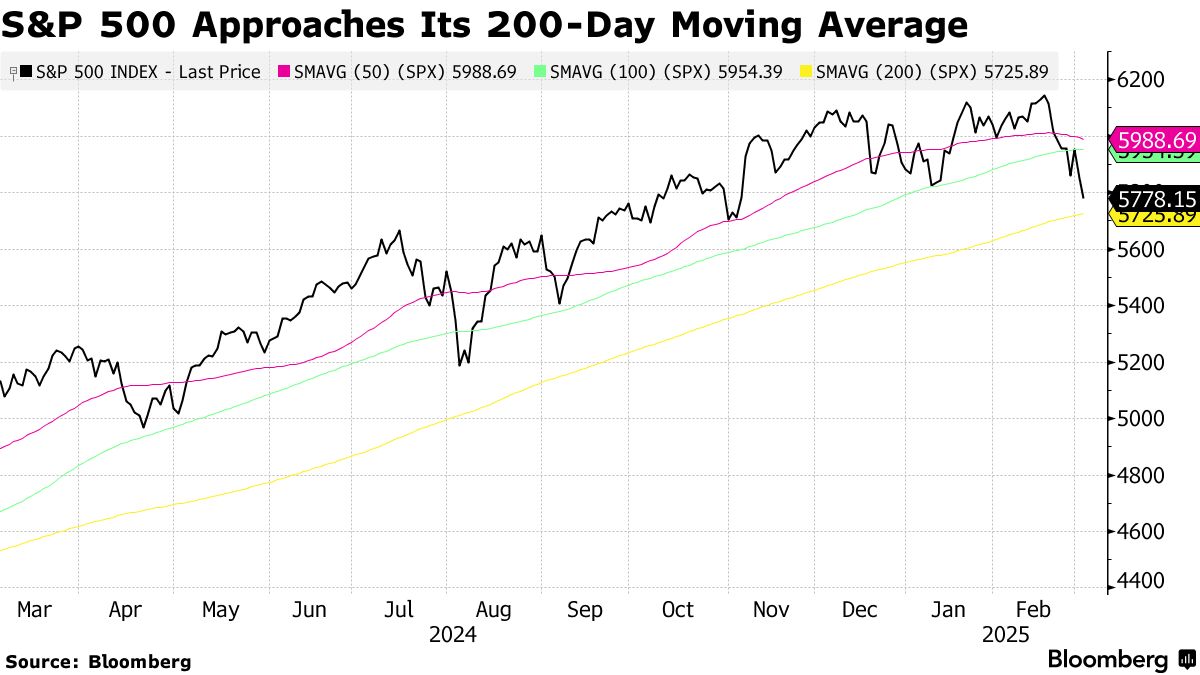
The primary driver of market movement over the past twenty-four months has been the aggressive tightening cycle orchestrated by central banks, led by the Federal Reserve. As inflation surged following a period of unprecedented stimulus and supply chain disruptions, the cost of capital rose at its fastest pace in decades. However, the current phase of the market is less about the hikes themselves and more about the timing and magnitude of the inevitable pivot toward easing.
The Federal Reserve’s Balancing Act
Investors are currently hyper-focused on “terminal rates”—the point at which the Fed stops tightening and begins to lower costs. Markets are moving based on every data point regarding the Consumer Price Index (CPI) and Personal Consumption Expenditures (PCE). When inflation data cools, equities and bonds typically rally as the market prices in a more “dovish” stance. Conversely, signs of a “sticky” labor market or resilient service-sector inflation tend to push yields higher, putting pressure on growth stocks. The current volatility is a direct reflection of this tug-of-war between the hope for lower rates and the reality of a resilient economy that may not require immediate stimulus.
The Return of the Bond Market
For years, the phrase “There Is No Alternative” (TINA) drove investors into stocks because bonds offered negligible returns. That has changed. With Treasury yields reaching levels not seen since before the 2008 financial crisis, fixed income has returned as a legitimate competitor for capital. This shift has fundamentally altered asset allocation. Institutional investors are no longer forced into the riskier ends of the equity market to achieve 5% or 6% returns. This migration of capital into “safe” yields is one of the most significant undercurrents moving markets today, providing a floor for bond prices but creating a ceiling for equity valuations that aren’t backed by massive earnings growth.
Equity Markets: The Great Decoupling and Sector Rotation
While the headline indices often suggest a uniform upward or downward trend, a closer look reveals a significant decoupling of performance across different sectors. The “Magnificent Seven” and other AI-adjacent companies have historically carried the weight of the market, but we are beginning to see a broadening of participation.
The Evolution of the AI Rally
Artificial Intelligence remains the most potent narrative in the equity markets. However, the way this trend moves the market is evolving. In the initial phase, investors piled into hardware providers—the “picks and shovels” of the AI revolution. Now, the market is moving toward the “application phase.” Investors are scrutinizing which companies can successfully integrate AI to drive margin expansion and productivity. This has led to a divergence between companies that are merely talking about AI and those that are demonstrating tangible fiscal benefits from its implementation.
The Resurgence of Value and Cyclicals
As the prospect of a “soft landing”—an economic scenario where inflation cools without a recession—becomes more plausible, capital is rotating into cyclical sectors. Industrial, financial, and energy stocks, which were largely ignored during the tech-heavy bull runs of the past, are seeing renewed interest. This rotation is a sign of a healthy, maturing market. When the market moves beyond just a handful of tech giants to include mid-cap and small-cap stocks, it suggests a broader confidence in the underlying strength of the global economy.
Earnings Quality Over Growth at Any Cost
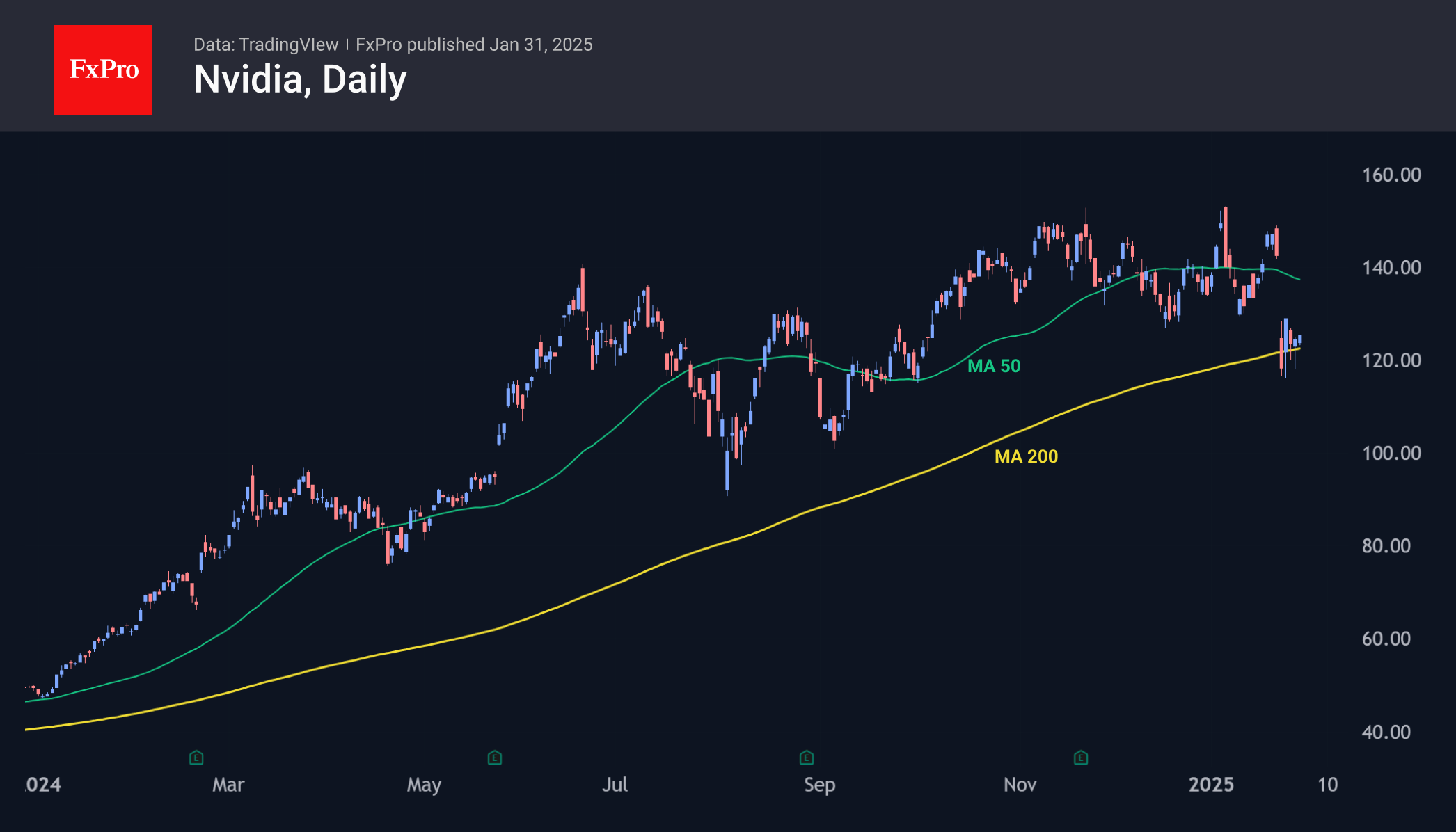
The era of “growth at any cost” has ended. Markets are now moving in favor of companies with “fortress balance sheets”—low debt, high cash flow, and strong pricing power. In an environment where the cost of borrowing remains significantly higher than it was in 2020, investors are punishing companies that rely on cheap debt to fund operations. Quarterly earnings calls are now focused on GAAP profitability and EBITDA margins rather than just top-line revenue growth or user acquisition metrics.
Alternative Assets and the Search for Diversification
In a world where traditional correlations between stocks and bonds have occasionally broken down, investors are increasingly looking toward alternative assets to stabilize their portfolios. How these markets move often provides a contrarian view of the broader economy.
Gold and the Geopolitical Risk Premium
Gold has recently hit all-time highs, driven not just by inflation concerns, but by a massive uptick in central bank buying, particularly in emerging markets. This movement reflects a growing desire for “de-dollarization” and a hedge against geopolitical instability. When traditional currency markets or sovereign debt markets feel shaky, gold moves as a barometer of global anxiety. For the individual investor, the movement in gold prices today serves as a reminder that the world is moving toward a multi-polar financial system.
The Institutionalization of Cryptocurrency
The digital asset market has matured from a speculative fringe to a structured asset class. The approval of spot ETFs for major cryptocurrencies has fundamentally changed the liquidity profile of the market. Cryptocurrency now moves more in line with “high-beta” tech stocks, sensitive to liquidity conditions and interest rate expectations. However, it also serves as a liquidity sponge; when there is excess capital in the system, it tends to flow into digital assets first. Monitoring these moves provides insight into the “risk-on” or “risk-off” sentiment of the younger demographic of market participants.
Real Estate and the Inventory Crunch
The real estate market is currently experiencing a unique phenomenon where high interest rates have not led to a significant crash in prices, primarily due to a lack of inventory. Homeowners who locked in 3% mortgages are unwilling to sell and move into 7% mortgages, creating a supply “lock-in” effect. As a result, the real estate market is moving sideways in terms of volume, even as prices remain elevated. For investors, this has shifted interest toward Real Estate Investment Trusts (REITs) and specialized commercial sectors like data centers and logistics hubs, which are less sensitive to residential mortgage fluctuations.
Strategies for the Modern Investor
Navigating how markets are moving now requires a departure from the passive “set it and forget it” mentality that characterized the 2010s. The current environment rewards agility, diversification, and a deep understanding of fiscal fundamentals.
The Importance of Active Rebalancing
With sector rotation occurring more frequently, the risk of becoming overweight in a single area—like large-cap tech—is high. Markets are moving so quickly that an annual rebalance may be insufficient. Investors are increasingly looking at quarterly or even monthly adjustments to lock in gains from high-performing sectors and redistribute them into undervalued areas. This “buy low, sell high” discipline is essential in a volatile, high-rate environment.
Leveraging Financial Tools and Data
The democratization of financial data means that retail investors now have access to the same real-time analytics as institutional desks. Markets move on information, and the speed of that information has increased. Utilizing tools that track institutional “dark pool” prints, options flow, and sentiment analysis has become a standard part of the modern toolkit. Understanding the technical levels—support and resistance—is as important as understanding the fundamental earnings, as algorithmic trading continues to dominate daily price action.
Psychology and Risk Management
Ultimately, markets are moved by human emotion: fear and greed. In the current era of social media-driven “meme stocks” and 24-hour news cycles, the psychological component of investing is more pronounced than ever. Successful participants are those who can distinguish between “market noise”—temporary price fluctuations driven by headlines—and “market signals”—long-term trends driven by economic reality. Maintaining a margin of safety and a diversified portfolio remains the most effective defense against the inherent unpredictability of the global markets.
The Outlook: Looking Toward the Horizon
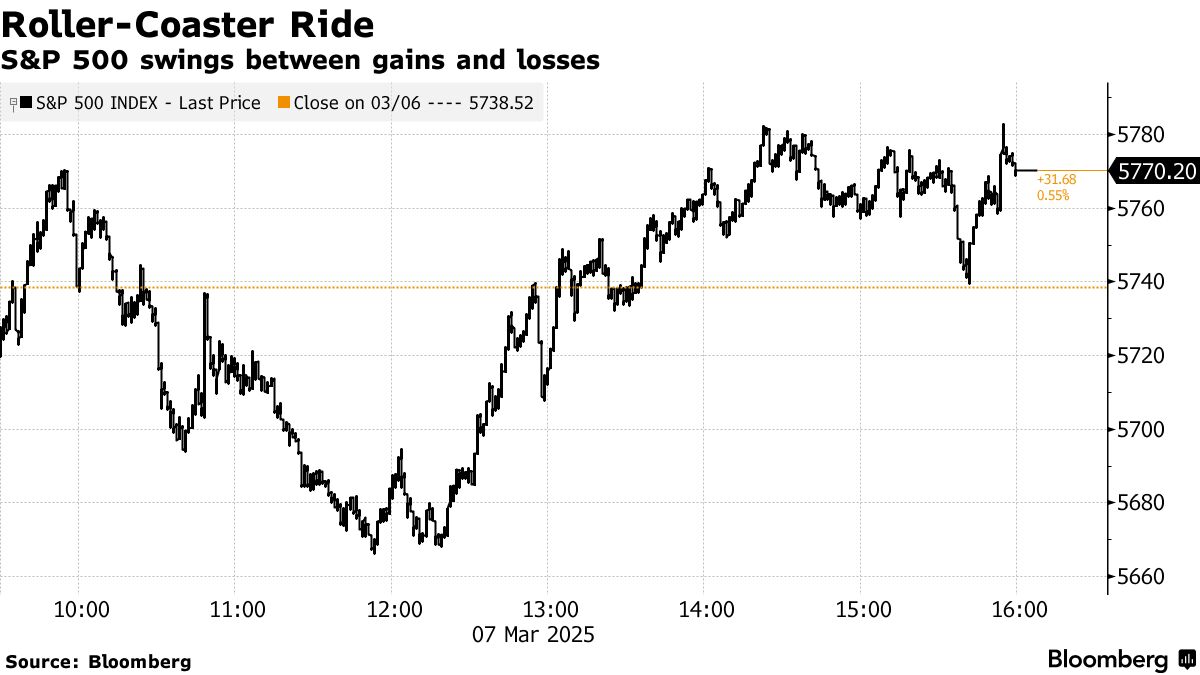
As we look forward, the movement of the markets will likely be dictated by the transition from a policy-driven environment to an earnings-driven one. If central banks successfully navigate the “soft landing,” we may enter a period of sustained, albeit slower, growth. However, risks remain on the horizon, including high levels of sovereign debt, potential energy shocks, and the ongoing challenges of global trade fragmentation.
The markets are moving away from the simplicity of the past decade and toward a more complex, challenging, but ultimately rewarding landscape. For the diligent investor, this volatility is not a threat but an opportunity to acquire quality assets at reasonable valuations and to build a portfolio that is resilient enough to withstand the shifts of the new economic era. Staying informed, remaining disciplined, and focusing on long-term value will be the hallmarks of success in the months and years to come.
aViewFromTheCave is a participant in the Amazon Services LLC Associates Program, an affiliate advertising program designed to provide a means for sites to earn advertising fees by advertising and linking to Amazon.com. Amazon, the Amazon logo, AmazonSupply, and the AmazonSupply logo are trademarks of Amazon.com, Inc. or its affiliates. As an Amazon Associate we earn affiliate commissions from qualifying purchases.