
Understanding the physical footprint of a retail giant like Home Depot goes far beyond a simple numerical tally; it offers profound insights into its market penetration, operational strategy, financial health, and future growth trajectory. For investors, financial analysts, and business enthusiasts, the store count is a critical metric, indicative of a company’s scale, reach, and capacity to generate revenue. As one of the world’s largest home improvement retailers, Home Depot’s extensive network of stores forms the backbone of its business model, underpinning its supply chain, customer service capabilities, and overall financial performance.
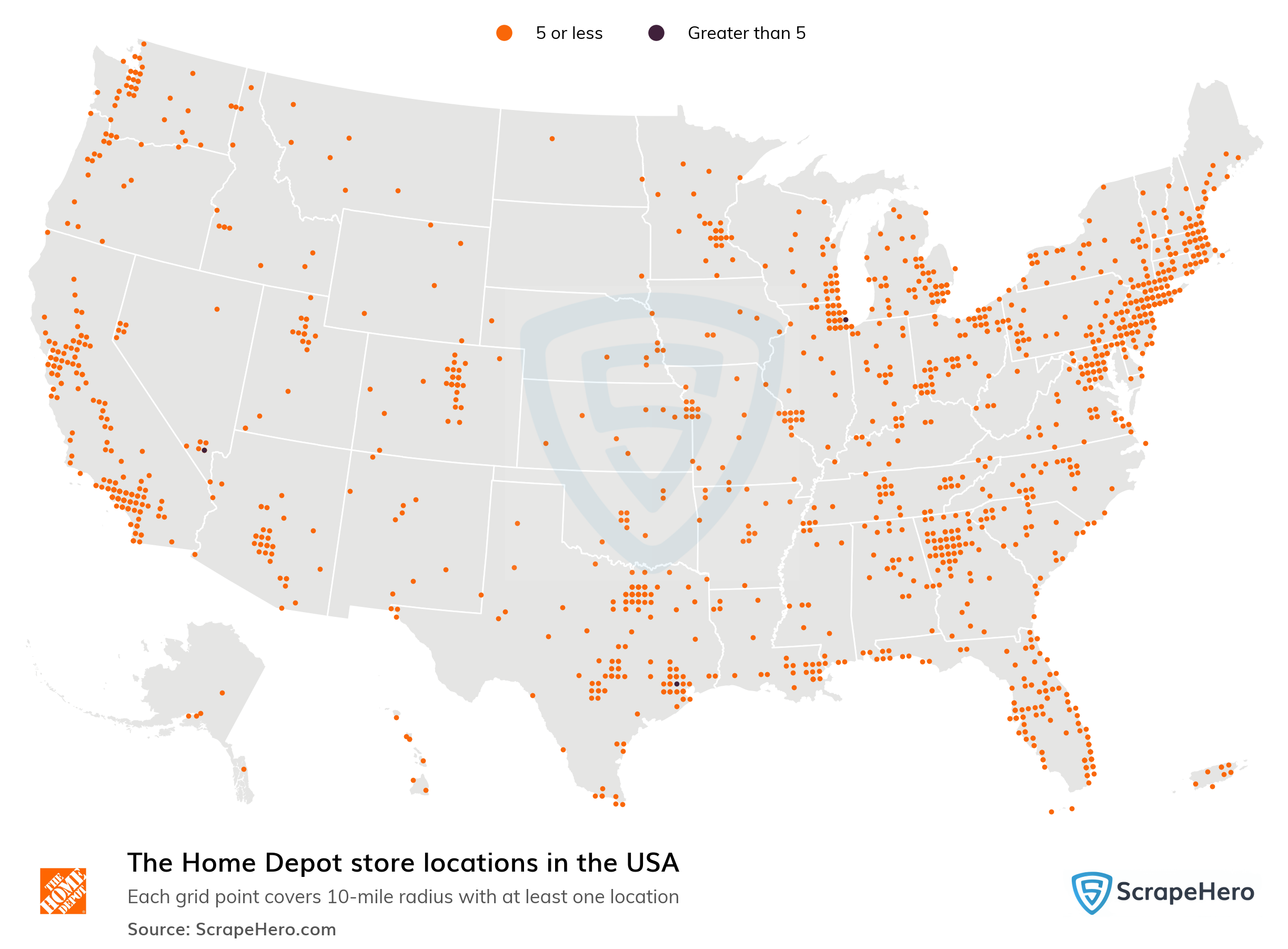
As of early 2024, The Home Depot operates over 2,300 stores across North America. This formidable number solidifies its position as a dominant force in the home improvement sector, showcasing a carefully cultivated expansion strategy designed to maximize market access and operational efficiency. Each store represents not just a retail outlet, but a significant asset in a vast, interconnected financial ecosystem that drives billions in annual revenue. This extensive network is a testament to decades of strategic planning, market analysis, and a relentless pursuit of growth within a highly competitive landscape. The implications of this store count reverberate through every aspect of the company’s financials, from capital expenditures and real estate holdings to sales volumes and profit margins.
The Global Footprint: A Snapshot of Home Depot’s Scale
The sheer number of Home Depot stores speaks volumes about its strategic ambition and market dominance. This extensive network is not merely a collection of buildings, but a meticulously planned distribution of assets designed to serve a vast customer base, from DIY homeowners to professional contractors. Delving into these numbers provides a clearer picture of the financial machinery at play.
Unpacking the Numbers: Current Store Count
As mentioned, Home Depot’s store count typically hovers around the 2,330 mark, a number that fluctuates slightly with new openings, closures, or relocations. The vast majority of these stores are situated within the United States, which remains the company’s primary and most lucrative market. This concentrated presence ensures that a significant portion of the U.S. population has convenient access to a Home Depot store, directly impacting its market share and competitive advantage against rivals. Each store averages approximately 104,000 square feet of indoor retail space, complemented by a significant outdoor garden center, representing a substantial real estate asset and a considerable capital investment. These large-format stores require significant upfront capital for land acquisition, construction, and inventory, underscoring the company’s financial commitment to its physical infrastructure.
Geographic Distribution and Market Dominance
The geographic distribution of Home Depot’s stores is a key element of its financial strategy. While the U.S. accounts for the lion’s share, Home Depot also operates a significant number of stores in Canada and a smaller, but strategically important, presence in Mexico. This North American focus allows the company to leverage economies of scale in logistics, marketing, and purchasing across a contiguous market. In Canada, Home Depot is a leading player in the home improvement sector, adapting its product offerings and services to local market demands. Similarly, its Mexican operations tap into a growing consumer base, providing diversification and additional revenue streams. The decision to concentrate geographically, rather than pursuing a broader global expansion, reflects a strategic choice to deepen market penetration and optimize operational efficiency within its core markets, ultimately safeguarding profitability and shareholder value. This regional dominance minimizes the complexities associated with navigating diverse international regulations and supply chains, allowing for a more streamlined and financially efficient operation.
Strategic Expansion: Driving Financial Growth and Market Share
Home Depot’s store count isn’t static; it’s the result of a dynamic strategy that balances market saturation, growth opportunities, and capital allocation. Every decision regarding store expansion or optimization is fundamentally rooted in its potential financial returns and impact on market share.
Domestic Saturation vs. International Opportunities
For decades, Home Depot pursued aggressive domestic expansion, establishing a presence in virtually every major metropolitan area and many secondary markets across the U.S. This strategy led to significant market share gains and formidable brand recognition. However, as markets mature, the opportunities for new store builds diminish, leading to a focus on optimization and consolidation rather than pure growth in numbers. In mature markets, growth often comes from increasing sales per square foot, enhancing customer experience, and improving supply chain efficiency, all of which directly impact the bottom line.
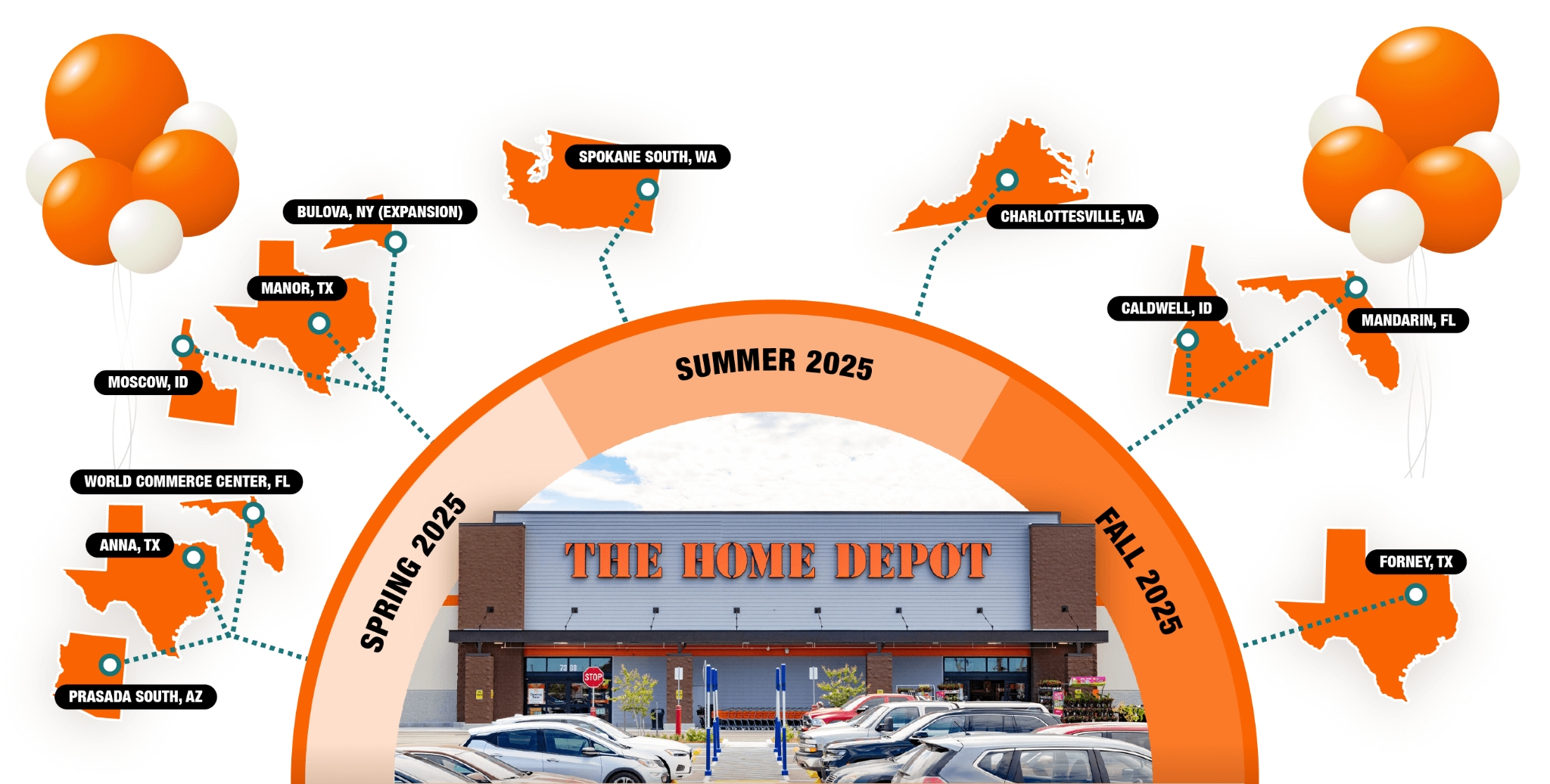
While the U.S. market is largely saturated in terms of new store locations, targeted investments continue in underserved areas or for replacement stores that offer improved layouts and greater efficiency. International expansion, though limited to North America for Home Depot, represents a controlled approach to capturing growth outside its core U.S. market. Any future international ventures would be subject to rigorous financial modeling, assessing market potential, competitive landscape, regulatory hurdles, and projected return on investment, ensuring that capital is deployed judiciously to maximize shareholder value.
The Role of Store Count in Revenue Generation
The number of stores a retailer operates is directly correlated with its potential revenue generation. More stores mean wider customer reach, increased transaction volumes, and greater opportunity to capture market share. For Home Depot, each store acts as a sales hub, a distribution point, and a brand touchpoint. The sheer scale of its network enables the company to negotiate favorable terms with suppliers, benefit from bulk purchasing, and spread fixed costs across a larger revenue base, leading to improved profit margins. Furthermore, a dense store network reduces shipping costs for online orders fulfilled from stores and facilitates faster delivery times, enhancing customer satisfaction and encouraging repeat business—all contributing to sustained financial performance. The ongoing optimization of store layouts, inventory management, and associate training are also key financial levers to maximize revenue per store.
Store Operations and Financial Efficiency
Beyond the raw numbers, the operational efficiency of each Home Depot store is paramount to its overall financial success. How these stores are managed, the investments made in them, and their interplay with other company assets directly impact profitability and return on invested capital.
Optimizing Store Performance for Profitability
Each Home Depot store is a complex operational entity, and its individual performance significantly contributes to the company’s consolidated financials. Metrics such as sales per square foot, average transaction value, inventory turnover, and operating expenses are meticulously tracked to ensure profitability. The company continuously invests in technology and process improvements designed to enhance store operations, from advanced inventory management systems that reduce stockouts and excess inventory costs to self-checkout kiosks that streamline customer experience and optimize labor costs. Energy efficiency initiatives, such as LED lighting and HVAC upgrades, also contribute to significant operational savings over time. The goal is to maximize the profitability of each location, ensuring that the substantial investment in each physical store yields strong financial returns.
Real Estate Investment and Asset Management
The vast portfolio of Home Depot stores represents a massive real estate investment. While some stores are leased, a significant portion are owned, providing the company with substantial tangible assets. Managing this real estate portfolio effectively is a critical financial function. Decisions regarding property acquisition, development, maintenance, and potential divestment are driven by long-term strategic goals and financial returns. Owning properties provides stability, allows for greater control over store design and expansion, and can appreciate in value over time, adding to the company’s asset base. Lease agreements, on the other hand, offer flexibility and can free up capital for other investments. The strategic mix of owned versus leased properties is a carefully managed financial decision, balancing capital preservation, operational flexibility, and long-term asset growth. This real estate strategy is a cornerstone of Home Depot’s financial strength and provides a buffer against market volatility.
The Omnichannel Advantage: Stores as Pillars of a Digital Strategy
In the age of e-commerce, the role of physical stores has evolved. For Home Depot, its extensive store network is not just about brick-and-mortar sales; it’s an indispensable component of its sophisticated omnichannel retail strategy, significantly enhancing its financial performance in the digital realm.
Blending Brick-and-Mortar with E-commerce for Financial Synergy
Home Depot has masterfully integrated its physical and digital channels to create a seamless shopping experience. Customers frequently research products online before visiting a store to see items in person, or they purchase online for in-store pickup. This “Buy Online, Pick Up In Store” (BOPIS) option leverages the existing store network as convenient fulfillment centers, reducing shipping costs and improving delivery times. This financial synergy is crucial: stores drive online traffic, and online capabilities enhance store productivity. The vast inventory available in stores provides immediate access to products that might otherwise require shipping, which is particularly vital for home improvement projects where immediate availability is often critical. This integration enhances customer loyalty and drives overall sales, ultimately boosting the company’s consolidated revenue and profitability.
The Last-Mile Challenge and Fulfillment Centers
The “last mile” of delivery, getting products from a distribution center or store to the customer’s doorstep, is often the most expensive and complex part of the supply chain. Home Depot’s extensive store network significantly mitigates this challenge. By using stores as micro-distribution hubs, the company can fulfill online orders more efficiently, especially for larger, bulkier items typical of home improvement. This strategy reduces reliance on distant fulfillment centers for many orders, cutting down on transportation costs and accelerating delivery. Additionally, Home Depot has invested in dedicated flatbed distribution centers and direct fulfillment centers specifically for online orders, creating a robust, multi-tiered supply chain that supports both its physical and digital sales channels. This strategic investment in logistics and fulfillment infrastructure is a significant financial commitment designed to ensure competitive delivery speed and cost-effectiveness, critical factors in maintaining market leadership.
Investor Insights: Why Store Count Matters to Shareholders
For current and prospective investors, the number of stores Home Depot operates provides a fundamental lens through which to evaluate the company’s value, stability, and growth prospects. It’s a key indicator of market presence, operational scale, and competitive positioning.
Evaluating Market Penetration and Growth Potential
A high store count signifies deep market penetration, suggesting a strong competitive moat against new entrants and smaller rivals. It indicates that Home Depot has effectively captured a significant share of the home improvement market across its operating regions. For investors, this translates into consistent revenue streams and a relatively predictable business model. While new store growth in mature markets may slow, investors look for growth in same-store sales (comparable sales), which measures the sales performance of existing stores. This metric provides insight into the company’s ability to drive demand and increase profitability from its current asset base, rather than simply expanding its physical footprint. Future growth potential is also assessed through the company’s ability to strategically optimize existing locations, implement technological upgrades, and continue to innovate its product and service offerings to extract maximum value from its expansive network.

Comparative Analysis within the Retail Sector
When analyzing Home Depot as an investment, its store count is often compared against direct competitors like Lowe’s. This comparative analysis helps investors gauge relative market share, operational efficiency, and potential for future expansion. While Lowe’s also boasts a substantial store count, Home Depot often leads in total stores, which reflects its slightly larger market share and broader geographical reach within the sector. Beyond direct competitors, the store count also serves as a benchmark against other large-format retailers, providing context on the capital intensity of the business and its operational scale. For investors seeking stable, dividend-paying companies with a strong market position, Home Depot’s extensive and well-managed store network makes it an attractive proposition, underpinning its long-term financial stability and capacity for shareholder returns. The scale of its operations allows for significant investment in technology, supply chain, and employee training, all of which contribute to a sustainable competitive advantage and robust financial performance.
In conclusion, Home Depot’s formidable store count is far more than a simple statistic; it is a powerful indicator of its financial strength, market dominance, and strategic vision. Each store is a critical asset in a finely tuned financial machine, contributing to revenue, profitability, and shareholder value. From driving strategic growth and optimizing operational efficiency to enabling a sophisticated omnichannel strategy and reassuring investors, the extensive network of Home Depot stores remains a cornerstone of its enduring success in the competitive home improvement retail landscape.
aViewFromTheCave is a participant in the Amazon Services LLC Associates Program, an affiliate advertising program designed to provide a means for sites to earn advertising fees by advertising and linking to Amazon.com. Amazon, the Amazon logo, AmazonSupply, and the AmazonSupply logo are trademarks of Amazon.com, Inc. or its affiliates. As an Amazon Associate we earn affiliate commissions from qualifying purchases.