
For investors, analysts, and financial enthusiasts, few metrics are as telling as the share count of a trillion-dollar behemoth like Apple Inc. (AAPL). While casual observers focus on the latest iPhone release or the prowess of the M-series chips, seasoned investors look at the underlying equity structure to determine value, ownership stake, and the efficiency of the company’s capital allocation.
As of the most recent quarterly filings in 2024, Apple has approximately 15.2 to 15.3 billion shares outstanding. However, this number is not a static figure. It is the result of decades of corporate evolution, massive stock splits, and a historically aggressive share repurchase program. Understanding how many shares of Apple exist—and why that number changes—is essential for anyone looking to grasp the mechanics of modern corporate finance.
The Current Inventory: Shares Outstanding vs. Floating Shares
To answer the question of how many shares exist, one must first distinguish between “shares outstanding” and the “public float.” These two metrics provide different insights into Apple’s liquidity and market valuation.
Defining Total Shares Outstanding
Shares outstanding refers to the total number of shares currently held by all stockholders, including share blocks held by institutional investors and restricted shares owned by company officers and insiders. For Apple, this number currently sits just north of 15 billion. This is the denominator used to calculate Earnings Per Share (EPS). When Apple reports its net income, it is divided by this massive number to determine how much profit is attributed to a single share.
Understanding the Public Float
The “float” represents the portion of shares outstanding that are actually available for public trading. It excludes “closely held” shares owned by insiders or major stakeholders who are often restricted from selling. Because Apple is a mature, widely-held public company, its float is exceptionally high. This high liquidity ensures that even multi-billion-dollar trades can occur without causing erratic price swings, making AAPL a staple in almost every major mutual fund and ETF globally.
Basic vs. Diluted Shares
In financial reporting, Apple provides two figures: basic shares and diluted shares. Basic shares represent the current number of shares in the hands of investors. Diluted shares, however, account for all potential shares that could exist if convertible securities, such as employee stock options and restricted stock units (RSUs), were exercised. For a company like Apple, which uses stock-based compensation to attract top talent, the diluted share count is the more conservative and widely used metric for valuation.
The History of Apple’s Stock Splits: Multiplying the Slices
One might wonder how a single company ended up with over 15 billion shares. If Apple had never split its stock, a single share would today be worth hundreds of thousands of dollars, much like Berkshire Hathaway’s Class A shares. Instead, Apple has opted for five stock splits throughout its history to keep its share price accessible to retail investors.
The Logic Behind the Splits
Stock splits do not change the fundamental value of a company; they simply change the number of “slices” the “corporate pizza” is cut into. If you owned one share worth $100 and the company performed a 2-for-1 split, you would then own two shares worth $50 each. Apple utilizes this strategy to maintain liquidity and ensure that the price of a single share remains within a “psychological” range that encourages trading and inclusion in price-weighted indices like the Dow Jones Industrial Average.
A Timeline of Apple’s Stock Splits
To reach the current 15-billion-plus share count, Apple executed the following splits:
- June 16, 1987: 2-for-1 split
- June 21, 2000: 2-for-1 split
- February 28, 2005: 2-for-1 split
- June 9, 2014: 7-for-1 split
- August 31, 2020: 4-for-1 split
The 2014 and 2020 splits were particularly impactful. The 7-for-1 split in 2014 was a massive adjustment that significantly lowered the nominal price per share, while the 4-for-1 split in 2020 occurred during a period of rapid retail investment growth. Without these splits, the current share count would be a fraction of what it is today, but the price per share would be prohibitively expensive for many.
The Impact of Share Buybacks: Reducing the Supply
While stock splits increase the number of shares, Apple has spent the last decade doing the opposite through a massive share repurchase program. Since 2012, Apple has been the most aggressive buyer of its own stock in corporate history, a move that has fundamentally altered its financial profile.
The Mechanics of Share Repurchases
When Apple buys back its own shares from the open market, it effectively “retires” them. These shares are moved from “shares outstanding” into “treasury stock,” or cancelled altogether. This reduces the total supply of shares. From a “Money” perspective, this is a form of returning capital to shareholders. By reducing the number of shares, the company ensures that each remaining share represents a larger percentage of the company’s earnings.
Enhancing Earnings Per Share (EPS)
The primary driver behind Apple’s buybacks is the enhancement of Earnings Per Share. Even if Apple’s net income remains flat, the EPS will rise if the number of shares decreases. For example, if Apple earns $100 billion and has 20 billion shares, the EPS is $5. If they buy back 5 billion shares, leaving 15 billion, that same $100 billion in earnings results in an EPS of $6.67. This “financial engineering” has been a cornerstone of Apple’s ability to drive shareholder value even during quarters of modest revenue growth.
The Scale of the Buyback Program
Apple has spent over $600 billion on share repurchases over the last decade. To put that into perspective, that amount is larger than the total market capitalization of most companies in the S&P 500. This strategy signals management’s confidence in the company’s future and provides a “floor” for the stock price, as the company’s consistent buying creates a reliable source of demand for the equity.
Why the Share Count Matters for Today’s Investor
Understanding the sheer volume of Apple shares is more than an exercise in big numbers; it is vital for accurate valuation and for understanding the company’s future dividend potential.
Market Capitalization Calculation
The share count is the primary multiplier used to determine Apple’s market capitalization (Market Cap = Share Price × Shares Outstanding). Because the share count is so high, even a $1 move in the stock price adds or subtracts over $15 billion from the company’s total valuation. For investors, this highlights why Apple is often the “anchor” of the market; its massive share count gives it an outsized influence on index-tracking funds and overall market sentiment.
Dividend Sustainability and Growth
The total number of shares also determines the cost of Apple’s dividend payments. Since Apple pays a quarterly dividend, the cash outlay is calculated by multiplying the dividend per share by the total shares outstanding. As Apple continues its buyback program, it reduces the number of shares it must pay dividends on. This allows the company to increase the “dividend per share” while keeping the total “cash paid for dividends” relatively stable—a highly efficient way to reward long-term holders.
Institutional Ownership and Governance
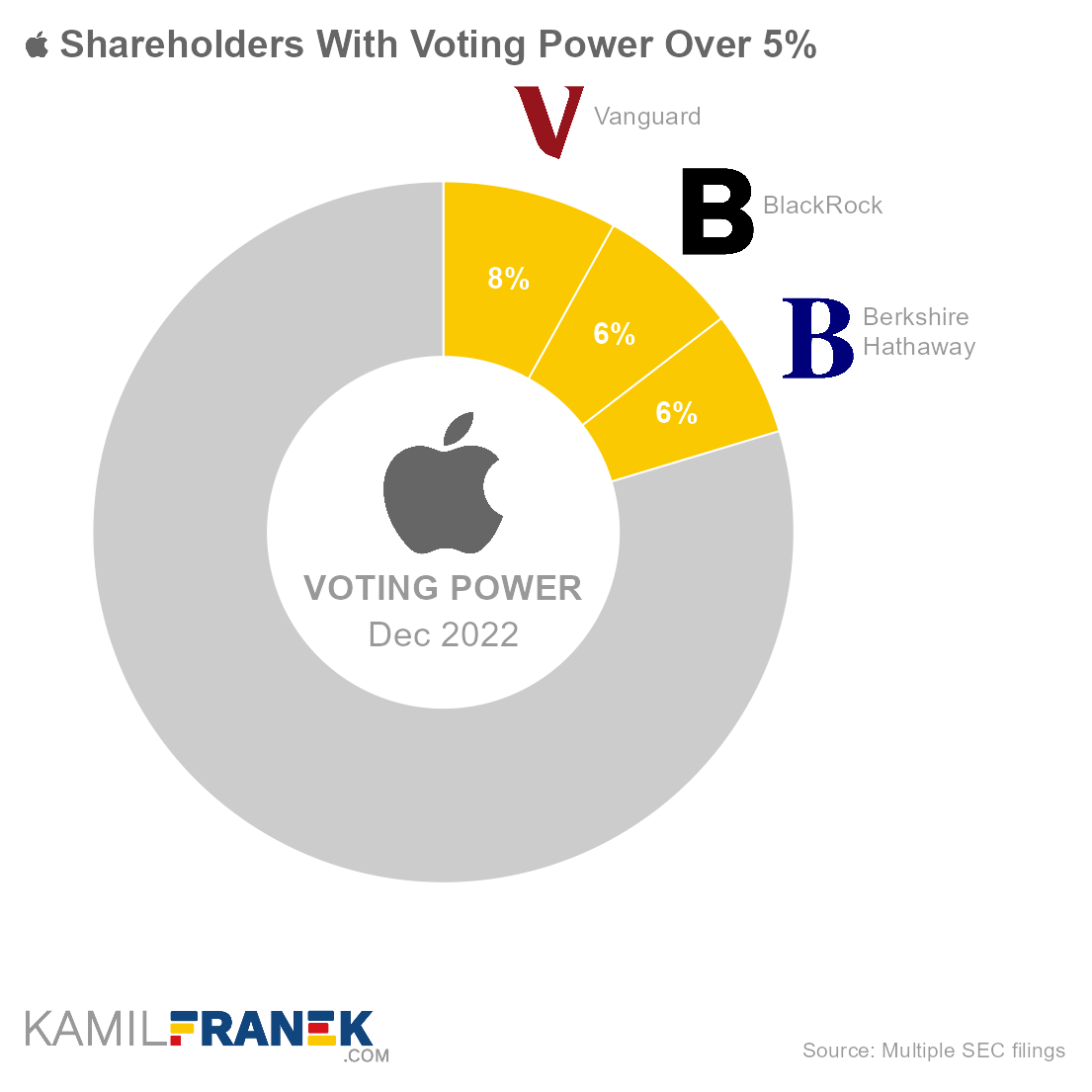
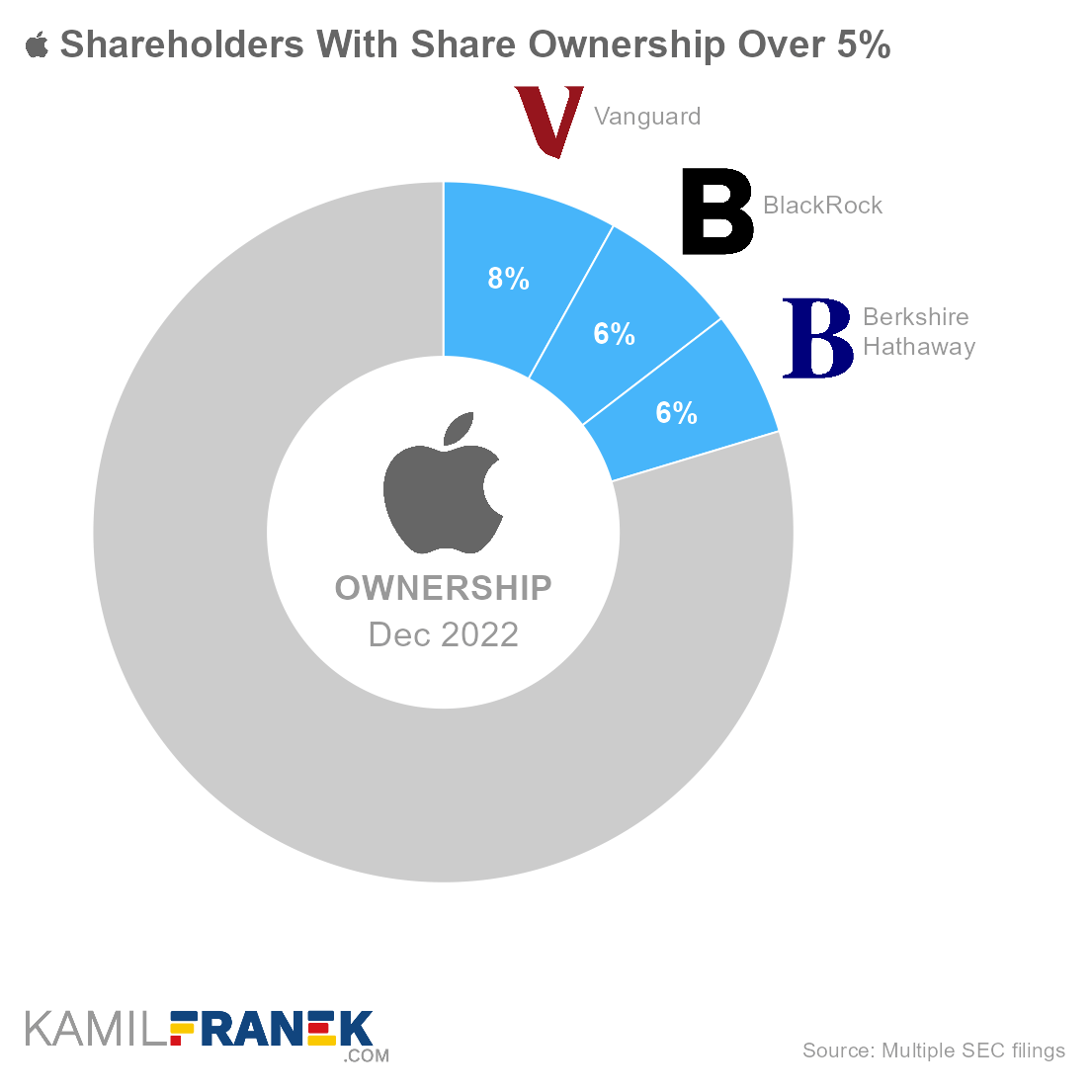
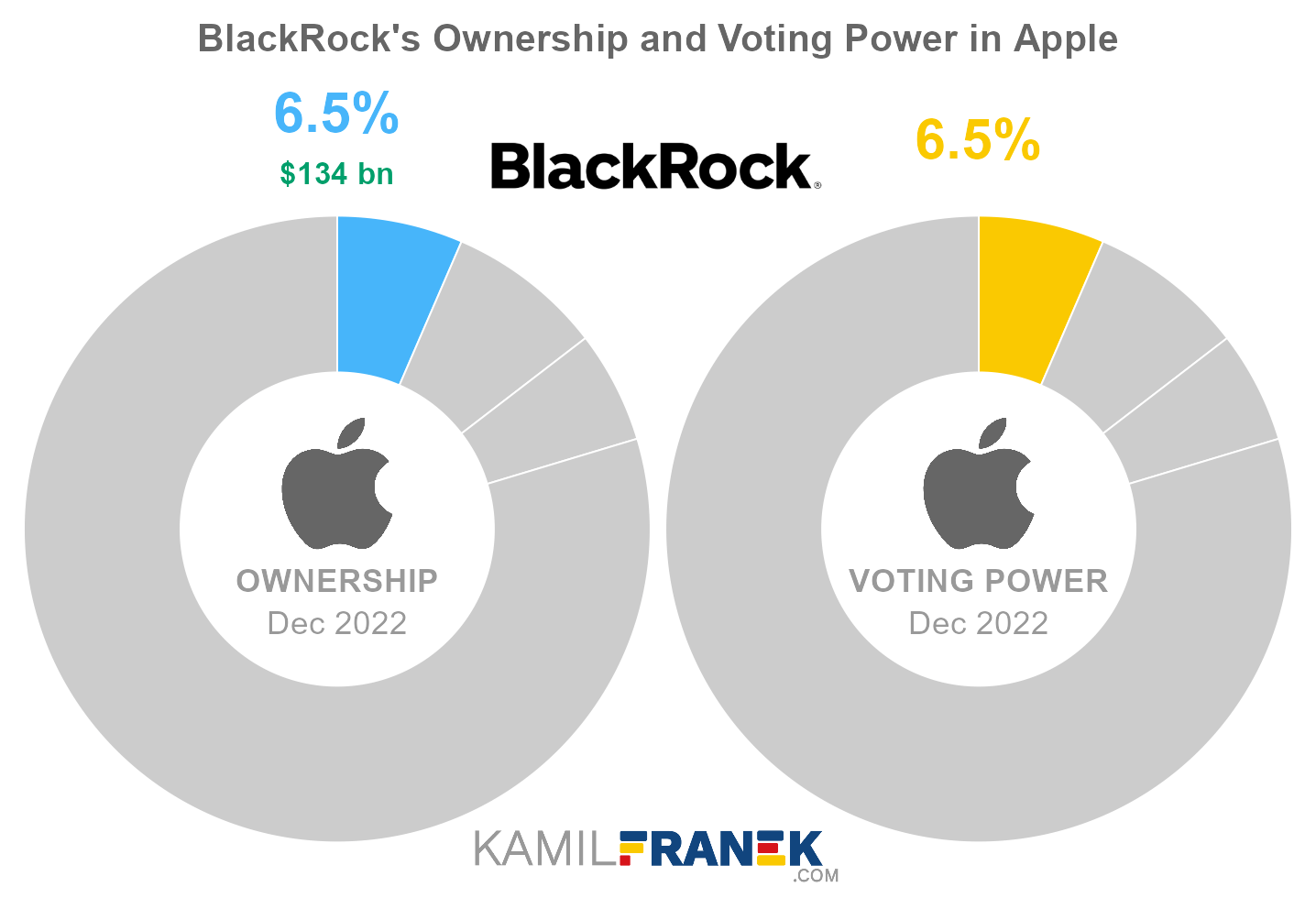
With over 15 billion shares, ownership of Apple is highly decentralized. While founders and early employees once held significant stakes, the majority of Apple is now owned by institutional giants like Vanguard, BlackRock, and Berkshire Hathaway. For the individual investor, the high share count means that no single person or entity (short of a massive sovereign wealth fund) can easily execute a hostile takeover. It provides a level of institutional stability that is rare in the volatile world of finance.
Conclusion: The Strategic Evolution of Apple Equity
The question of “how many shares of Apple are there” reveals the story of a company that has mastered the art of capital management. From using stock splits to democratize ownership to using multi-billion dollar buybacks to concentrate value, Apple’s share count is a reflection of its financial maturity.
While the current figure of approximately 15.2 billion shares may seem astronomical, it is a calculated component of a broader strategy. By balancing the need for liquidity with the goal of increasing shareholder yield, Apple continues to provide a blueprint for how a mega-cap corporation should manage its equity. For investors, monitoring this number is not just about counting shares—it is about tracking the heartbeat of one of the world’s most successful financial machines.
aViewFromTheCave is a participant in the Amazon Services LLC Associates Program, an affiliate advertising program designed to provide a means for sites to earn advertising fees by advertising and linking to Amazon.com. Amazon, the Amazon logo, AmazonSupply, and the AmazonSupply logo are trademarks of Amazon.com, Inc. or its affiliates. As an Amazon Associate we earn affiliate commissions from qualifying purchases.