
Understanding and managing your calorie intake is a cornerstone of effective health, fitness, and weight management strategies. For decades, this process was largely manual, involving meticulous food diaries, calorie counting books, and often, educated guesswork. However, in our increasingly digital world, technology has revolutionized how we approach this critical aspect of personal well-being. From sophisticated mobile applications to advanced AI-driven platforms and wearable devices, determining your calorie intake has become more accessible, accurate, and personalized than ever before. This article delves into the technological ecosystem designed to help you precisely calculate, track, and optimize your daily caloric consumption, empowering you with the data needed to achieve your health objectives.
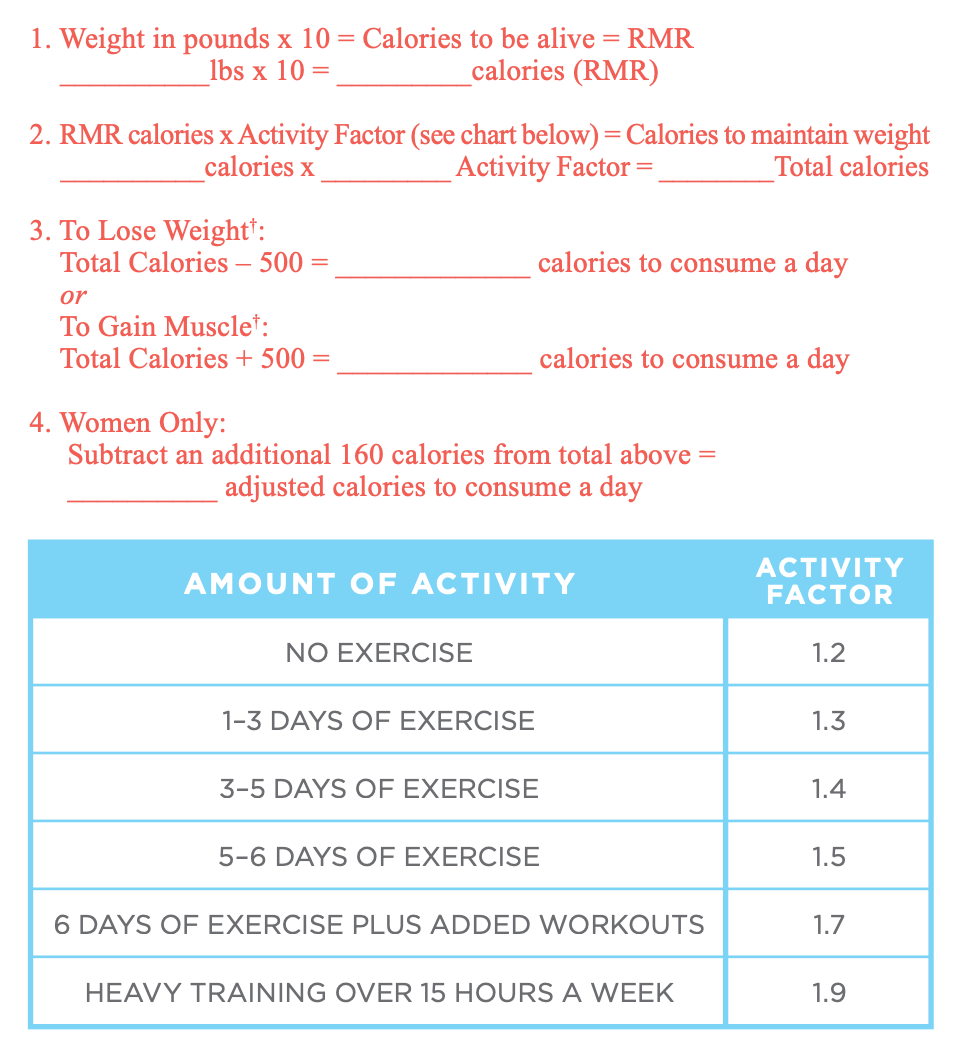
The Digital Evolution of Calorie Tracking
The journey from pen-and-paper food logs to integrated digital ecosystems represents a significant leap in personal health management. Early attempts at digital tracking were rudimentary, often standalone software programs requiring manual data entry and offering limited analytical capabilities. Today, the landscape is dominated by sophisticated applications and interconnected systems that leverage vast food databases, intuitive interfaces, and powerful algorithms to demystify calorie determination.
Early Digital Tools vs. Modern Apps
The initial foray into digital calorie tracking began with desktop software that essentially digitized calorie books. Users would manually search for foods, enter portion sizes, and the software would tally the calories. These tools, while an improvement over physical books, were often cumbersome, lacked portability, and required significant user effort. The advent of smartphones, however, ushered in a new era. Modern calorie tracking apps, such as MyFitnessPal, Cronometer, and Lose It!, transformed the experience. They moved calorie tracking from the desktop to the pocket, offering unparalleled convenience. These apps boast extensive, crowd-sourced, and professionally curated food databases, often numbering millions of items, including restaurant meals and brand-specific products. The ability to scan barcodes, save favorite meals, and quickly log recurring foods drastically reduces the friction associated with daily tracking. Furthermore, they provide a much more granular breakdown of macronutrients (proteins, fats, carbohydrates), micronutrients, and even water intake, moving beyond simple calorie counts to a comprehensive nutritional profile.
The Role of Databases and User Interfaces
At the heart of any effective calorie tracking app is its database. These vast repositories of nutritional information are continuously updated and expanded, ensuring accuracy for a wide array of foods and beverages. Sophisticated algorithms are employed to handle variations in preparation methods, portion sizes, and even regional differences in food composition. Beyond the sheer volume of data, the user interface (UI) and user experience (UX) are paramount. A well-designed app makes the complex task of logging food feel effortless. Features like quick add, voice input, photo recognition (where users can snap a picture of their meal for AI analysis), and predictive text entry streamline the process. Intuitive dashboards present caloric intake, macro breakdowns, and progress towards goals in easily digestible visual formats, making it simple for users to understand their daily consumption at a glance. The ability to set and adjust goals, track weight changes, and visualize progress over time keeps users engaged and informed, transforming a tedious chore into an empowering data-driven habit.
Leveraging Smart Devices for Precision
The integration of smart devices has added another layer of precision and automation to calorie determination. Wearable technology and smart scales are no longer just novelty gadgets; they are integral components of a holistic digital health strategy, providing invaluable real-time data that informs and refines caloric calculations.
Fitness Trackers and Wearables
Fitness trackers and smartwatches, such as those from Apple, Garmin, Fitbit, and Samsung, have evolved far beyond simple step counters. Modern wearables are equipped with a suite of sensors capable of monitoring heart rate, activity levels, sleep patterns, and even estimated calorie expenditure. While direct calorie intake isn’t measured, these devices play a crucial role in determining your total daily energy expenditure (TDEE). By tracking active calories burned during exercise and non-exercise activity thermogenesis (NEAT), wearables provide a more accurate picture of how many calories your body is actually using. This expenditure data can then be seamlessly synced with calorie tracking apps, allowing the system to suggest more precise intake targets. For instance, if a strenuous workout burns an additional 500 calories, the linked app can adjust your net calorie balance, providing a more dynamic and personalized recommendation for subsequent meals to stay on track with weight loss, maintenance, or gain goals. The continuous, passive data collection by wearables eliminates the need for manual logging of exercise, making the overall process more automated and less prone to human error.
Smart Scales and Body Composition Analyzers
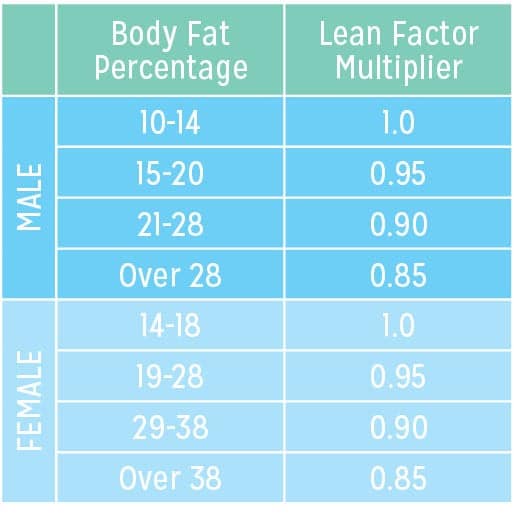
Complementing calorie tracking and activity monitoring are smart scales and body composition analyzers. Traditional scales only provide total weight, which can be misleading in understanding body changes. Smart scales, however, utilize bioelectrical impedance analysis (BIA) to estimate body composition metrics such as body fat percentage, muscle mass, bone mass, and even water percentage. While the accuracy of BIA can vary, these devices provide valuable trend data over time. When synced with health apps, this data offers a more comprehensive view of progress beyond just calorie input and output. For example, if someone is eating at a caloric deficit and their smart scale shows an increase in muscle mass and a decrease in body fat, it indicates effective body recomposition, even if the total weight hasn’t changed dramatically. This integrated feedback loop between calorie intake apps, activity trackers, and smart scales creates a powerful, data-rich environment for self-monitoring and fine-tuning nutritional strategies. They provide objective metrics that validate efforts and help users understand the physiological impact of their calorie intake adjustments.
AI and Advanced Software for Personalized Nutrition
The cutting edge of calorie determination lies in the application of artificial intelligence and machine learning. AI is transforming raw data into actionable insights, moving beyond simple tracking to offering personalized recommendations, predictive analytics, and even virtual coaching.
AI-Powered Meal Planners and Virtual Dietitians
AI’s ability to process vast amounts of data and learn from patterns makes it an ideal tool for personalized nutrition. AI-powered meal planners can take your stated calorie goals, dietary preferences (vegetarian, keto, gluten-free), allergies, and even exercise schedule into account to generate bespoke meal plans. These systems analyze food databases, nutrient profiles, and cooking instructions to create daily menus that are not only calorically appropriate but also nutritionally balanced and aligned with user tastes. Some advanced platforms integrate with grocery delivery services, compiling shopping lists based on the meal plan. Furthermore, the concept of “virtual dietitians” is emerging, where AI algorithms emulate the advice and guidance of human nutrition experts. These AI systems can analyze your historical eating patterns, identify common pitfalls, and suggest micro-adjustments to optimize your intake. They can learn from your food logging habits, recognizing specific dishes you frequently consume and suggesting healthier alternatives or portion control strategies. This level of personalized guidance, available 24/7, democratizes access to sophisticated nutritional advice that was once the exclusive domain of professional dietitians.
Predictive Analytics and Goal-Oriented Adjustments
Beyond real-time tracking, AI introduces the power of predictive analytics. By analyzing historical calorie intake, activity levels, weight changes, and even hormonal cycles (for women), AI algorithms can forecast future outcomes based on current behaviors. For example, an AI model could predict how long it might take to reach a specific weight goal given current average daily caloric deficit. More importantly, these systems can provide goal-oriented adjustments. If a user is consistently overshooting their calorie target or not seeing desired progress, the AI can suggest specific, actionable changes—perhaps recommending a slightly lower calorie dense snack, suggesting a different dinner recipe, or prompting increased physical activity. This proactive guidance moves beyond simply reporting data; it actively helps users course-correct and optimize their strategy. Some AI tools even incorporate behavioral psychology, sending timely nudges and reminders to help users stick to their plans, anticipating moments of weakness or forgetfulness. This blend of data science and behavioral nudging makes calorie determination a dynamic and responsive process.
Data Security and Privacy in Digital Health
As we increasingly entrust our personal health data to apps and devices, the importance of data security and privacy cannot be overstated. Determining calorie intake through digital means often involves sharing highly sensitive information about our bodies, habits, and health goals.
Protecting Your Personal Health Information
The collection of dietary habits, weight fluctuations, exercise routines, and even biometric data constitutes personal health information (PHI) that requires robust protection. Developers of calorie tracking apps and smart device platforms have a significant responsibility to implement stringent security measures. This includes end-to-end encryption for data transmission, secure cloud storage with advanced access controls, and regular security audits. Users, too, have a role to play. It’s crucial to use strong, unique passwords for accounts, enable two-factor authentication (2FA) where available, and be mindful of the permissions granted to apps on your device. Understanding how your data is used, shared, and stored is paramount. Before committing to a platform, review its privacy policy carefully to ensure it aligns with your comfort level regarding data sharing with third parties, research institutions, or advertising partners.

Choosing Reputable Platforms and Practices
Not all digital health tools are created equal, especially concerning data security and ethical practices. When selecting apps, wearables, or AI nutrition platforms, prioritize reputable companies with a proven track record of data protection and transparency. Look for platforms that are compliant with relevant data protection regulations (like GDPR in Europe or HIPAA in the US, where applicable for health data). User reviews and independent security assessments can also offer insights into a product’s reliability. Avoid sharing excessive or unnecessary personal details. Be cautious about connecting your health apps to social media platforms unless you fully understand the implications. Regularly review your privacy settings within apps and consider data minimization—only providing the information essential for the app’s functionality. By being proactive and informed, users can harness the immense power of technology for calorie determination without compromising their digital privacy and security.
In conclusion, the digital revolution has transformed the once-arduous task of determining calorie intake into a streamlined, precise, and highly personalized experience. From sophisticated mobile apps with vast food databases and intuitive interfaces to smart wearables that track expenditure and AI-driven platforms offering predictive insights, technology offers an unparalleled suite of tools. These innovations empower individuals to gain granular control over their nutritional journey, making health and fitness goals more achievable than ever before. As technology continues to evolve, we can anticipate even more integrated, intelligent, and secure solutions that will further refine our understanding and management of personal caloric balance.
aViewFromTheCave is a participant in the Amazon Services LLC Associates Program, an affiliate advertising program designed to provide a means for sites to earn advertising fees by advertising and linking to Amazon.com. Amazon, the Amazon logo, AmazonSupply, and the AmazonSupply logo are trademarks of Amazon.com, Inc. or its affiliates. As an Amazon Associate we earn affiliate commissions from qualifying purchases.