
The question of “how many products does Amazon have” isn’t merely an exercise in numerical estimation; it delves into the very essence of Amazon’s brand strategy and its colossal impact on global commerce. For many consumers, Amazon is synonymous with choice – an online marketplace where virtually anything imaginable can be found, often with rapid delivery. This perception is not accidental; it is the deliberate result of a brand strategy that has systematically cultivated an “everything store” identity. Understanding the sheer scale of Amazon’s product catalog, from both a direct inventory and third-party marketplace perspective, is crucial to dissecting the unique elements of its corporate identity, marketing prowess, and enduring brand power. This extensive product offering isn’t just about sales volume; it’s a foundational pillar that underpins Amazon’s brand promise, customer loyalty, and ultimately, its unparalleled market position.

The Unfathomable Scale: Defining Amazon’s Product Universe
When attempting to quantify Amazon’s product catalog, one quickly encounters a challenge: the number is not only staggering but also in constant flux, defying simple categorization. What constitutes a “product” on Amazon is a complex interplay of direct sales, vast third-party contributions, and a relentless commitment to expand into every conceivable market niche. This dynamic ecosystem is central to Amazon’s brand narrative – a narrative of limitless possibility and unparalleled convenience.
The Elusive Number: Why Exact Counts Are Challenging
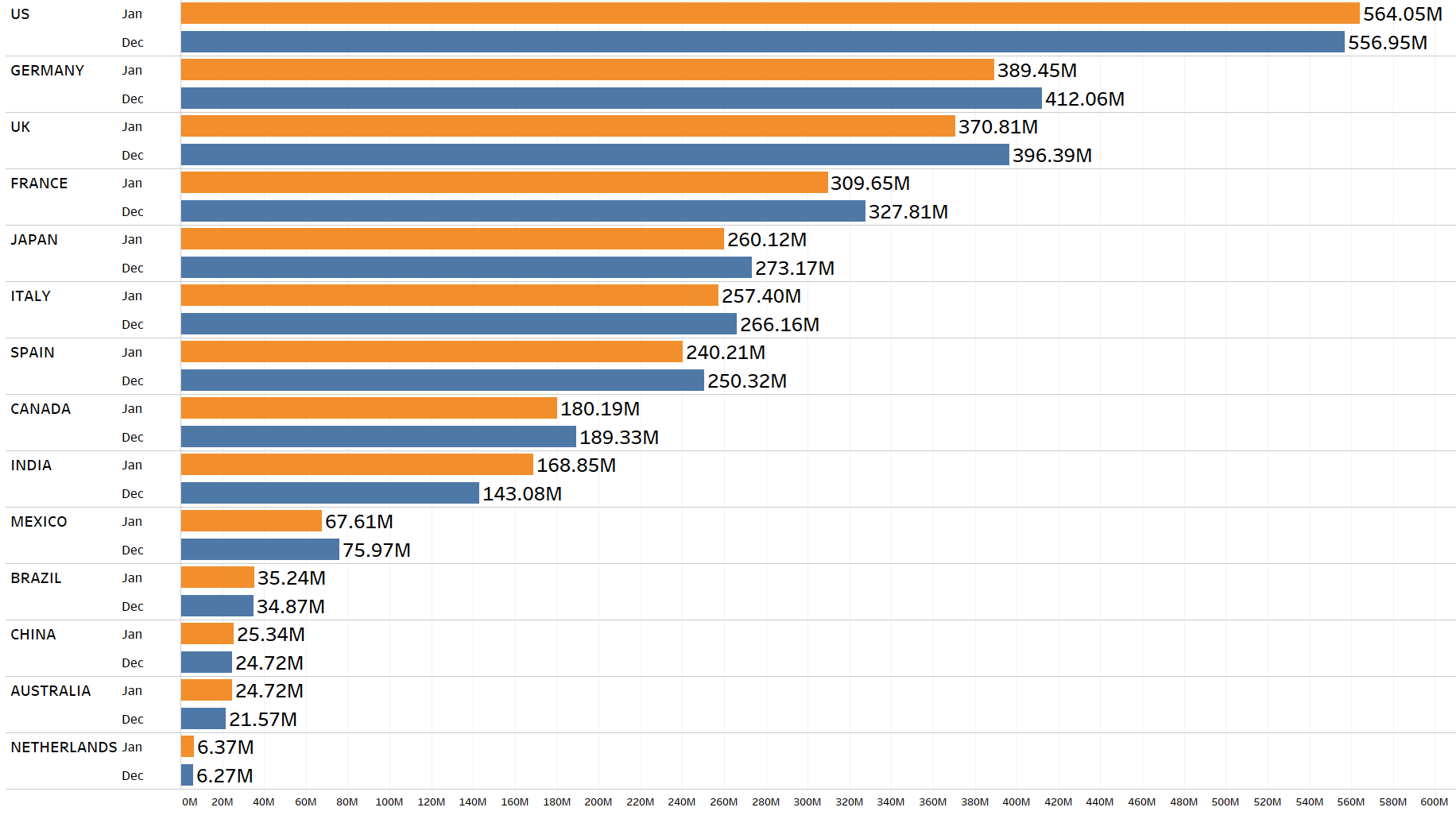
Pinpointing an exact figure for the number of products Amazon offers is akin to counting grains of sand on a beach. Estimates frequently hover in the hundreds of millions, often citing figures ranging from 350 million to well over 600 million individual products or SKUs (stock-keeping units) listed on its primary U.S. marketplace alone. Globally, across its numerous international domains, this number multiplies exponentially. The difficulty in arriving at a definitive figure stems from several factors. Firstly, new products are added by third-party sellers at an astounding rate every single day, while others are removed, go out of stock, or become obsolete. Secondly, Amazon’s own inventory, while substantial, is only a fraction of the total listings. The vast majority come from its Marketplace, where millions of independent sellers offer their goods. Each variation of a product (e.g., different sizes, colors of a single t-shirt) is often counted as a separate SKU, further inflating the numbers. This fluidity means that any number provided is, at best, a snapshot in time. From a brand perspective, this constant growth reinforces Amazon’s image as an ever-expanding universe of goods, solidifying the perception that if it exists, Amazon probably sells it. This overwhelming scale, rather than being a logistical nightmare, has been strategically leveraged to become a core component of its brand identity: the ultimate one-stop shop.
Beyond Direct Sales: The Marketplace Multiplier
A critical distinction in understanding Amazon’s product breadth is the division between products sold directly by Amazon and those sold by third-party sellers through the Amazon Marketplace. While Amazon itself maintains an enormous inventory of first-party goods, it is the Marketplace that truly catapults its product count into the stratosphere. Over 60% of all sales on Amazon now come from third-party sellers, a testament to the success of this strategy. These sellers, ranging from small businesses to large enterprises, pay Amazon commissions and fees to list their products, often utilizing Amazon’s Fulfillment by Amazon (FBA) service for warehousing and shipping. This model effectively turns Amazon into a platform for millions of other retailers, exponentially diversifying its product offerings without Amazon having to bear the direct inventory risk for every single item. From a brand identity standpoint, this partnership model reinforces Amazon’s brand as an “ecosystem” rather than just a retailer. It positions Amazon as the central hub of e-commerce, a trusted facilitator for both buyers and sellers, broadening its appeal and solidifying its reputation as the destination for online shopping, irrespective of whether the product originates from Amazon itself or a third-party vendor. This strategic decentralization of inventory directly contributes to the perception of endless choice, a cornerstone of the Amazon brand.
The “Everything Store” Philosophy: A Brand Promise Delivered
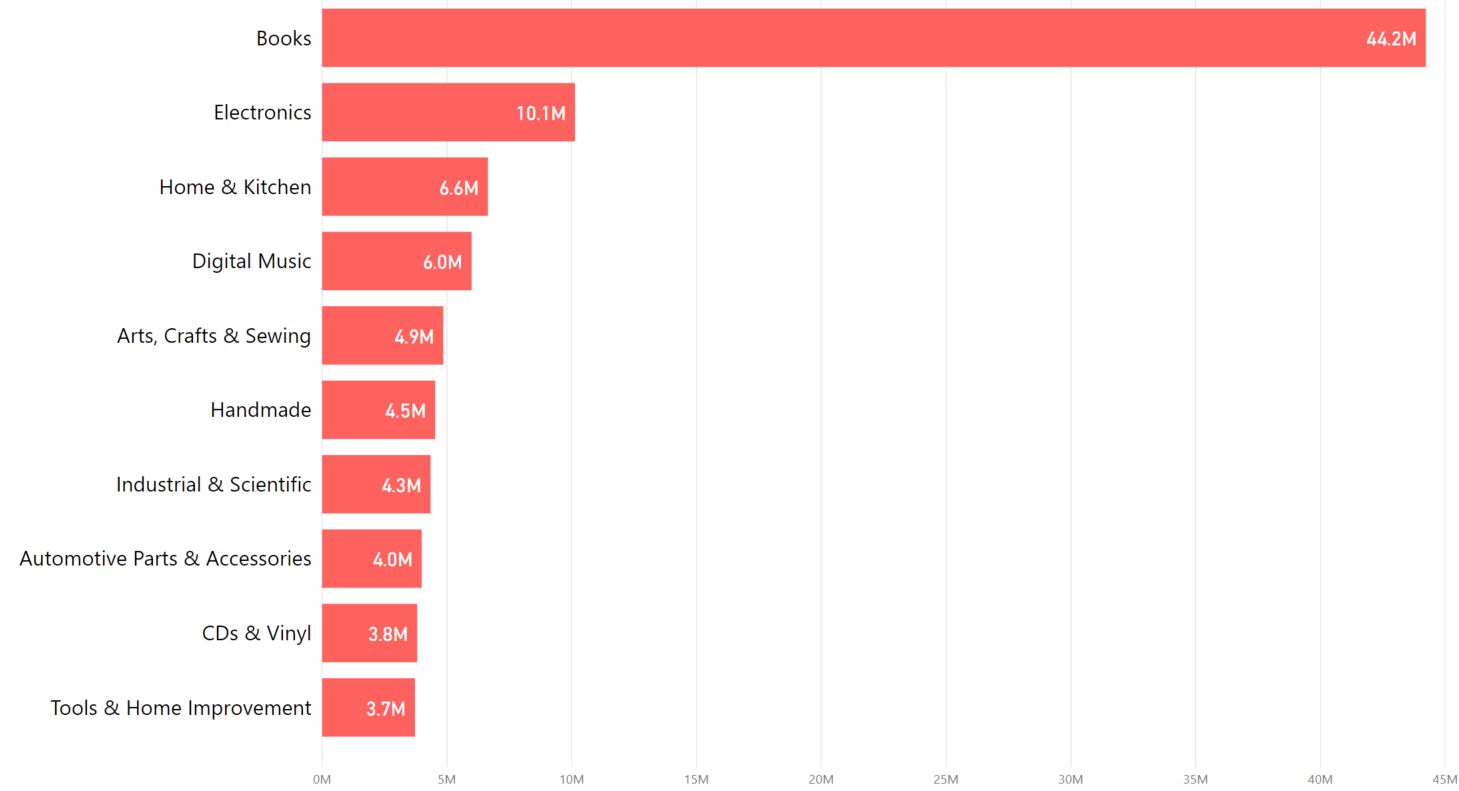
At the heart of Amazon’s brand strategy lies the “everything store” philosophy, a vision articulated by Jeff Bezos early in the company’s history. This isn’t merely a marketing slogan; it’s a deeply embedded brand promise that has guided Amazon’s relentless expansion across product categories and services. The sheer number of products is the tangible manifestation of this promise. From books and electronics, its initial strongholds, Amazon has systematically branched out into apparel, home goods, groceries, automotive parts, industrial supplies, and even digital content and cloud services. This diversification ensures that consumers rarely need to look elsewhere, fostering a powerful sense of loyalty and convenience. The brand message is clear: “Whatever you need, we have it.” This comprehensive approach aims to capture every facet of a consumer’s purchasing journey, creating a frictionless and all-encompassing retail experience. By delivering on the “everything store” promise through its massive product catalog, Amazon has cultivated an image of ultimate reliability and indispensability. This perception reduces cognitive load for consumers, as they instinctively turn to Amazon first for almost any need, effectively cementing its brand as the default online shopping destination for millions worldwide.
The Brand Power of Infinite Choice: Customer Experience and Loyalty
The vastness of Amazon’s product catalog is not just a logistical marvel; it’s a potent brand asset that profoundly influences customer experience and cultivates unwavering loyalty. The ability to find virtually anything, often at competitive prices and with convenient delivery, shapes how consumers perceive and interact with the Amazon brand, transforming mere transactions into habitual behavior.
Cultivating Trust Through Availability and Convenience
The sheer availability of products on Amazon builds a powerful foundation of trust with consumers. When a brand consistently delivers on the promise of having what customers are looking for, it fosters a sense of reliability and dependability. This isn’t just about having popular items; it’s about having niche products, obscure replacements, or specific variations that might be difficult to source elsewhere. The relief and satisfaction derived from finding such items on Amazon reinforce its brand image as a problem-solver and a reliable partner in consumption. Coupled with this availability is the unparalleled convenience that Amazon offers: streamlined search functions, transparent pricing, customer reviews, and often, expedited shipping options like Prime. This comprehensive convenience package, fueled by the extensive product range, creates a frictionless shopping journey. The brand benefits from this by becoming associated with effortlessness and peace of mind. Customers implicitly trust that turning to Amazon will simplify their lives, allowing them to find what they need quickly and easily. This deep-seated trust and the expectation of convenience are critical drivers of customer retention and positive brand perception.
Personalization at Scale: Tailoring the Infinite
Despite the overwhelming number of products, Amazon cleverly avoids the “paradox of choice” for many users through sophisticated personalization algorithms. The brand’s ability to suggest relevant products, often based on past purchases, browsing history, and even wish lists, is a critical component of its marketing and brand experience. This personalization makes the infinite catalog feel manageable and tailored to individual needs and preferences. Instead of being overwhelmed by millions of options, customers are presented with a curated selection that increases the likelihood of a successful purchase. This strategy reinforces Amazon’s brand as intelligent and customer-centric, capable of understanding and anticipating consumer desires. It transforms the daunting scale into a personalized boutique experience, albeit one with an endless backroom. By making the vast catalog feel intimate and relevant, Amazon deepens its connection with individual customers, enhancing loyalty and encouraging repeat visits. This intelligent use of data to navigate the product universe is a subtle yet powerful aspect of its brand strategy, turning potential confusion into a highly personalized and efficient shopping journey.
From Niche to Mainstream: Expanding Brand Reach
Amazon’s extensive product offerings also play a crucial role in expanding its brand reach into diverse demographic and geographic segments. By catering to a wide array of interests and needs—from obscure hobbies to essential household items—Amazon ensures that its brand resonates with a broad spectrum of consumers. This expansive reach is not just about capturing market share; it’s about building a ubiquitous brand presence that transcends specific product categories. For instance, a customer who initially comes to Amazon for electronics might discover its extensive range of gardening supplies, art materials, or even gourmet foods. This cross-pollination of interests, facilitated by the sheer breadth of products, allows Amazon to gradually integrate itself into more aspects of a consumer’s life, strengthening its overall brand association. The “everything store” becomes relevant for every occasion and every need, from everyday essentials to special purchases. This strategy transforms Amazon from a transactional platform into an indispensable lifestyle brand, becoming an intrinsic part of modern consumption patterns and daily routines for millions worldwide.
Amazon’s Brand Strategy: Leveraging Product Breadth for Market Dominance
The prodigious number of products Amazon offers is not merely an operational achievement; it is a meticulously crafted brand strategy that has been instrumental in securing and maintaining its market dominance. This strategy is multi-faceted, leveraging the catalog to create a robust ecosystem, inform its evolution, and establish an insurmountable competitive advantage.
Ecosystem Lock-in: Products as Pillars of a Unified Brand
Amazon’s brand strategy is less about individual product sales and more about creating a holistic, interconnected ecosystem where products serve as pillars supporting a unified brand experience. The vast product catalog is the primary gateway into this ecosystem. Once a customer is drawn in by the promise of infinite choice, they are subtly encouraged to engage with other facets of the Amazon brand, such as Prime membership (which offers faster shipping, streaming services, and exclusive deals tied to products), Alexa-enabled devices (which facilitate voice-activated product reordering), and Amazon Web Services (AWS) which underpins many other businesses, including many selling on the marketplace. Each product, whether physical or digital, acts as an entry point or an enhancer to this broader brand experience. This creates a powerful “lock-in” effect: the more a customer utilizes Amazon’s various offerings, the more integrated they become into the Amazon brand, making it difficult and less appealing to switch to competitors. The sheer number of products ensures that there are always new reasons to engage, strengthening brand loyalty and making Amazon an indispensable part of their digital and physical lives. This ecosystem strategy cements Amazon’s brand not just as a retailer, but as a comprehensive lifestyle provider.
Data-Driven Expansion: Informing Brand Evolution
The massive scale of Amazon’s product catalog generates an unparalleled volume of data, which is meticulously analyzed to inform the ongoing evolution of its brand and business strategy. Every search, click, purchase, and review contributes to a vast reservoir of consumer insights. This data allows Amazon to identify emerging trends, unmet needs, and underserved categories, guiding its strategic decisions on which new product lines to develop, which third-party sellers to promote, and even where to invest in new fulfillment centers. The brand leverages this data to refine its offerings, improve discoverability, and predict future consumer behavior, ensuring that its “everything store” promise remains relevant and forward-looking. For instance, if data reveals a surge in demand for sustainable home goods, Amazon can proactively expand its selection in that category, reinforcing its brand as responsive and aligned with contemporary values. This data-driven approach allows Amazon’s brand to continuously adapt and expand in an intelligent manner, staying ahead of market shifts and reinforcing its image as an innovative and customer-aware leader in e-commerce. It ensures that the brand remains dynamic, always evolving to meet the ever-changing demands of its global customer base.
Competitive Edge: Differentiating Through Sheer Volume
In a highly competitive e-commerce landscape, Amazon’s sheer volume of products serves as an almost insurmountable competitive advantage, deeply embedded in its brand differentiation. While competitors may excel in specific niches, no other single retailer or platform can match the breadth and depth of Amazon’s catalog. This extensive offering creates a barrier to entry for new players and a constant challenge for existing ones. For consumers, the knowledge that Amazon likely has what they need, regardless of how specific or obscure, significantly reduces their incentive to shop elsewhere. This differentiation is not just about price; it’s about the entire value proposition encapsulated in the Amazon brand: universal availability, combined with convenience and reliability. It means less time spent searching across multiple sites and greater confidence in finding the right product. This comprehensive offering solidifies Amazon’s brand as the ultimate destination for convenience and choice, making it incredibly difficult for rivals to replicate its appeal. The extensive catalog effectively positions Amazon as the “default” choice for online shopping, a powerful brand association that drives sustained market leadership and customer preference.
Navigating the Vastness: Brand Challenges and Future Directions
While Amazon’s vast product catalog is a cornerstone of its brand identity and market success, it also presents unique challenges that the company must continually address to maintain brand integrity and customer satisfaction. Managing such an immense and diverse array of offerings requires strategic foresight in areas like brand consistency, customer experience, and future innovation.
Maintaining Brand Consistency Across Millions of SKUs
One of the most significant brand challenges for Amazon is maintaining a consistent brand experience and quality standard across millions of SKUs, particularly those from third-party sellers. While Amazon sets guidelines for its marketplace, the sheer volume makes strict control over every product description, image, and seller interaction incredibly complex. Issues such as counterfeit products, inaccurate listings, or inconsistent customer service from independent sellers can dilute Amazon’s overall brand reputation for quality and trustworthiness. To counteract this, Amazon invests heavily in robust review systems, seller performance metrics, and customer service infrastructure, acting as a mediator and enforcer of its brand standards. The brand’s success hinges on ensuring that even when a product is not sold directly by Amazon, the experience of purchasing it through the platform upholds the high standards associated with the Amazon name. This involves a delicate balance between fostering an open marketplace and rigorously protecting its brand integrity, requiring continuous innovation in monitoring and enforcement mechanisms to ensure that the “everything store” remains the “reliable everything store.”
The Paradox of Choice: Simplifying Brand Perception
While infinite choice is a core brand promise, it can also lead to the “paradox of choice,” where too many options overwhelm consumers, leading to decision paralysis or dissatisfaction. Amazon’s brand must continuously work to simplify this vastness, ensuring that the sheer number of products enhances, rather than detracts from, the customer experience. This involves sophisticated search filters, curated recommendations, “best-seller” lists, “Amazon’s Choice” labels, and clear product categorization. The goal is to make the immense catalog feel accessible and navigable, allowing customers to efficiently find what they need without feeling lost in the overwhelming sea of options. For the brand, this means evolving from merely offering everything to offering the right thing efficiently. Future brand strategies will likely focus even more on AI-driven curation and intuitive user interfaces that personalize the shopping journey to an even greater degree, ensuring that the brand promise of comprehensive choice translates into a streamlined and satisfying experience, rather than a frustrating one. The perception of an organized and helpful “everything store” is paramount.
Innovation and Specialization within the Infinite Brand
Looking ahead, Amazon’s brand strategy for its product catalog will likely involve a dual approach of continued innovation in existing categories and strategic specialization within its vast offerings. While the “everything store” ethos will persist, there’s an increasing emphasis on developing proprietary brands (e.g., AmazonBasics, Amazon Essentials) and cultivating specific niches to address evolving consumer demands. This allows Amazon to exert greater quality control, build direct brand loyalty for its own products, and capture higher margins. Furthermore, as the digital landscape evolves, Amazon’s product expansion will undoubtedly continue into emerging technologies and services, such as augmented reality shopping experiences, advanced smart home integration, and expanded digital content libraries. The future of Amazon’s product count isn’t just about adding more items; it’s about strategically evolving the brand’s offerings to anticipate and shape consumer trends, ensuring that its extensive catalog remains at the forefront of innovation while maintaining the core brand promise of unparalleled choice and convenience. The focus will be on smart growth, ensuring that every new product or category thoughtfully reinforces and expands the dominant Amazon brand.
aViewFromTheCave is a participant in the Amazon Services LLC Associates Program, an affiliate advertising program designed to provide a means for sites to earn advertising fees by advertising and linking to Amazon.com. Amazon, the Amazon logo, AmazonSupply, and the AmazonSupply logo are trademarks of Amazon.com, Inc. or its affiliates. As an Amazon Associate we earn affiliate commissions from qualifying purchases.