
Embarking on the journey of stock market investing can feel like stepping into a vast, complex maze. For many aspiring investors, the sheer volume of information, coupled with the inherent risks, creates a significant barrier to entry. Yet, the stock market remains one of the most powerful engines for wealth creation, offering individuals the opportunity to grow their capital, outpace inflation, and secure their financial future. This guide is designed to demystify the process, providing a clear, actionable roadmap for beginners to confidently take their first steps into the world of stock market investing. By breaking down the essential concepts, preparing your financial groundwork, and outlining practical strategies, we aim to equip you with the knowledge and tools needed to start investing wisely and strategically.
Understanding the Fundamentals Before You Dive In
Before you commit any capital, it’s crucial to grasp the foundational concepts of the stock market. This initial understanding will not only build your confidence but also help you make informed decisions, distinguishing between informed strategies and mere speculation.
What is the Stock Market?
At its core, the stock market is a collection of exchanges where shares of publicly traded companies are bought and sold. When you buy a stock, you’re purchasing a tiny slice of ownership in that company. As the company grows and becomes more profitable, the value of its shares typically increases, leading to capital gains for investors. Conversely, if a company struggles, its stock price may fall. The stock market serves as a vital mechanism for companies to raise capital for expansion and for investors to participate in the growth of businesses. It’s influenced by a myriad of factors, including economic indicators, company performance, geopolitical events, and investor sentiment, making it a dynamic and ever-changing environment.
Why Invest in Stocks?
The primary allure of stock market investing lies in its potential for significant returns over the long term. Historically, the stock market has outperformed other asset classes, such as bonds and savings accounts, making it an effective tool for wealth accumulation. Investing in stocks allows your money to work for you, benefiting from compound returns – where your earnings generate further earnings. This compounding effect, especially over decades, can transform even modest initial investments into substantial wealth. Furthermore, stock market investing offers the opportunity to beat inflation, protecting your purchasing power over time, and participate directly in the economic growth of innovative companies.
Understanding Risk and Volatility
While the potential for reward is high, so too is the inherent risk. Stock prices can be volatile, meaning they can fluctuate significantly over short periods. Market downturns, often referred to as bear markets, can see stock values plummet, causing anxiety for investors. It’s critical for beginners to understand that short-term losses are a normal part of investing and that the market often recovers over time. The key is to adopt a long-term perspective, avoid panic selling during dips, and only invest money you can afford to lose or tie up for several years. Diversification – spreading your investments across various companies and sectors – is a powerful strategy to mitigate specific company risk, though it won’t eliminate market-wide risk.
Setting Your Financial Goals
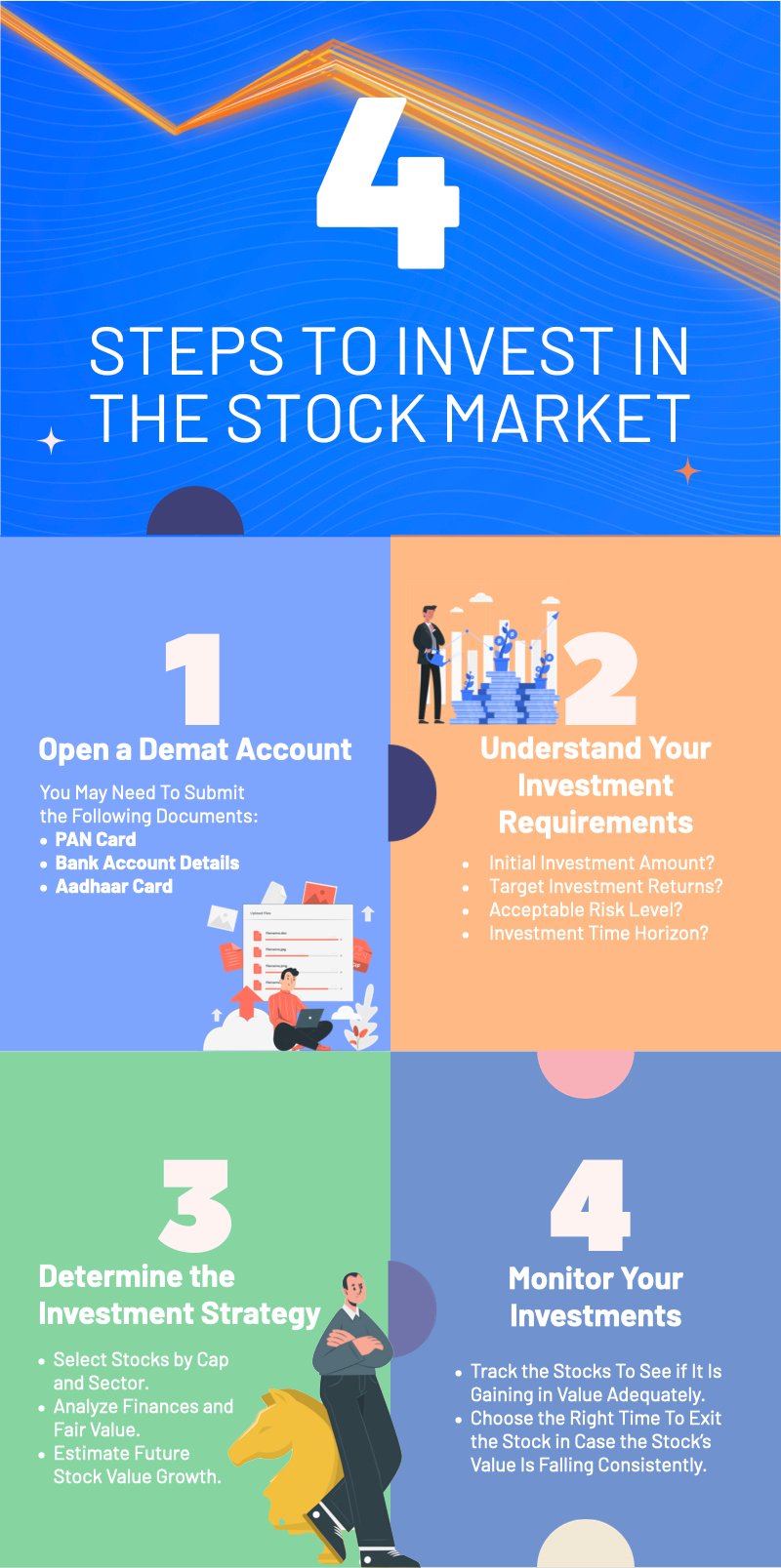
Before you even open a brokerage account, define why you want to invest. Are you saving for retirement, a down payment on a house, your children’s education, or simply long-term wealth growth? Your financial goals will dictate your investment horizon (how long you plan to invest) and, consequently, the level of risk you might be comfortable taking. For instance, someone investing for retirement in 30 years can afford to take on more risk than someone saving for a house down payment in three years. Clearly defined goals provide direction and help you stay disciplined, especially during market turbulence.
Preparing Your Financial Foundation
Successful investing isn’t just about picking the right stocks; it’s about having a solid financial base that can withstand market fluctuations and unexpected life events. Before dedicating funds to the stock market, ensure your personal finances are in order.
Eliminate High-Interest Debt
One of the most crucial prerequisites for investing is to tackle high-interest debt, such as credit card balances or personal loans. The interest rates on these debts often far exceed the average returns you can expect from the stock market. Paying off a credit card with 18% interest is equivalent to earning an 18% guaranteed, risk-free return on your money – a return that’s incredibly difficult to achieve consistently in the stock market. Prioritizing debt repayment frees up more capital for investing in the future and eliminates a significant financial drain.
Build an Emergency Fund
An emergency fund is a financial safety net designed to cover unexpected expenses like job loss, medical emergencies, or car repairs. Financial advisors typically recommend having three to six months’ worth of living expenses saved in an easily accessible, liquid account (like a high-yield savings account) before you start investing. This fund ensures that you won’t be forced to sell your investments at an inopportune time (e.g., during a market downturn) to cover an emergency, protecting your long-term investment strategy.
Assess Your Risk Tolerance
Your risk tolerance is your emotional and financial ability to withstand potential losses in your investments. Some people are comfortable with significant fluctuations in their portfolio in pursuit of higher returns, while others prefer a more conservative approach with less volatility. Factors influencing risk tolerance include your age, income stability, time horizon, and personal disposition. Understanding your comfort level with risk is vital, as it will guide your investment choices, from the types of assets you invest in to the allocation of your portfolio. Be honest with yourself about how you would react to a significant market correction.
Determine Your Investment Capital
Decide how much money you can realistically commit to investing regularly. It’s often advisable to start small, perhaps with as little as $50 or $100 per month, and gradually increase your contributions as your comfort and income grow. The key is consistency. Regular contributions, even modest ones, benefit from dollar-cost averaging (discussed later) and the power of compounding. Remember, this should be money you don’t need in the short to medium term and whose loss would not significantly impact your lifestyle.
Choosing Your Investment Path and Account
Once your financial foundation is solid, the next step is to choose how you’ll access the market and what types of investments align with your goals and risk tolerance.
Brokerage Accounts: The Gateway to Investing
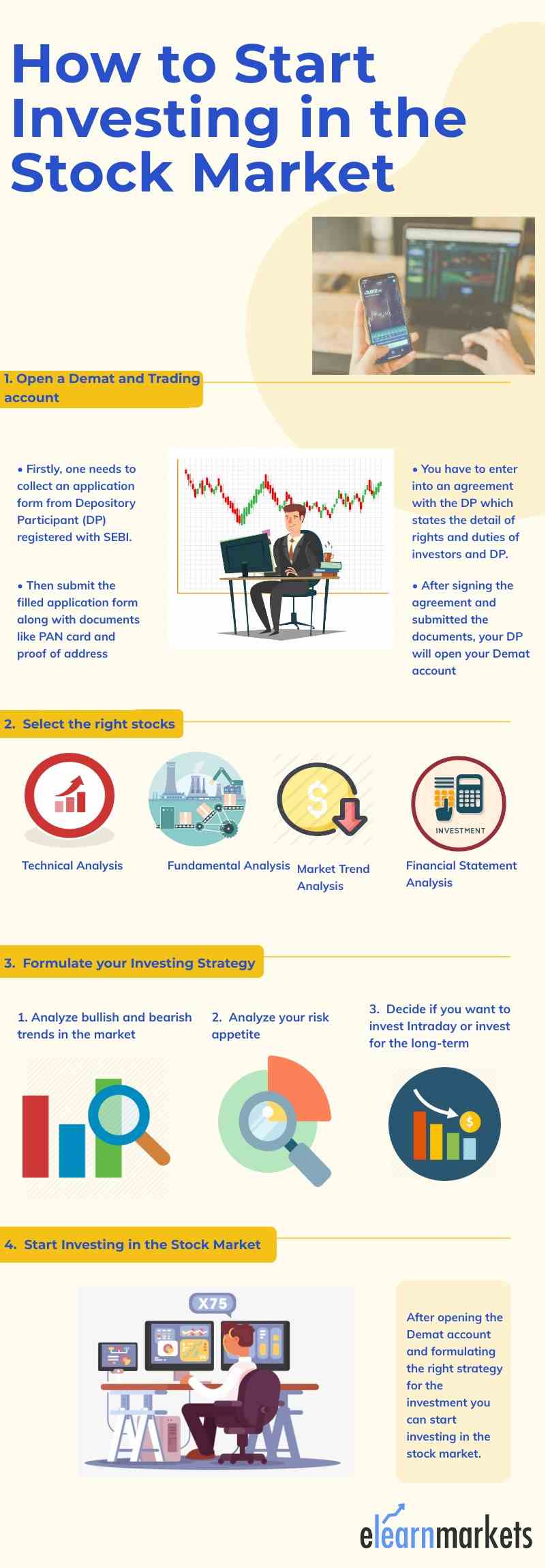
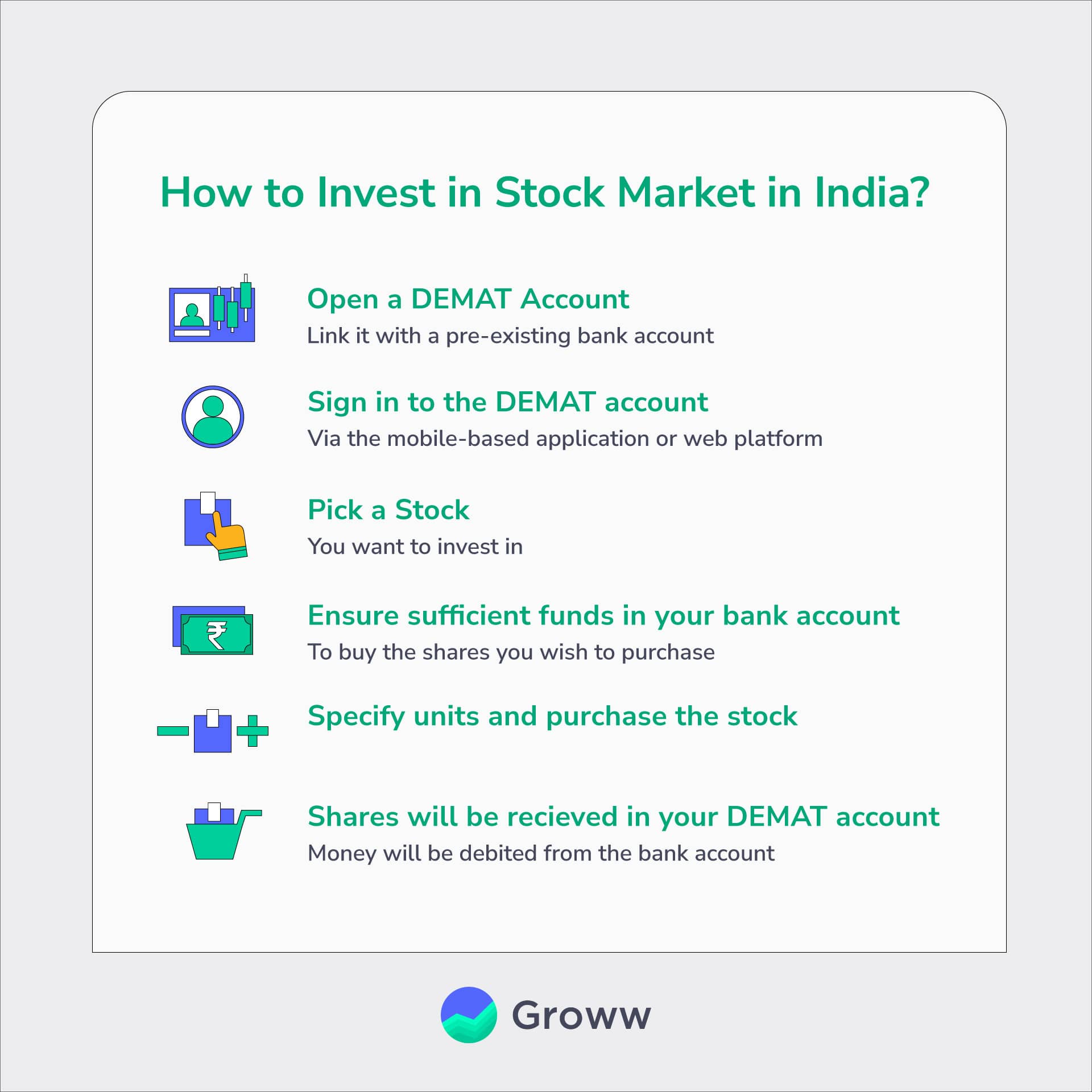
To buy stocks, you’ll need to open an investment account with a brokerage firm. These firms act as intermediaries, executing trades on your behalf. There are several types of accounts:
- Taxable Brokerage Accounts: These are standard investment accounts where your capital gains and dividends are subject to taxation each year. They offer maximum flexibility in terms of withdrawals.
- Retirement Accounts (IRAs, Roth IRAs, 401(k)s): These accounts offer significant tax advantages, either tax-deductible contributions (traditional IRA/401(k)) or tax-free withdrawals in retirement (Roth IRA/401(k)). They are specifically designed for long-term retirement savings. For beginners, a Roth IRA is often recommended if you expect to be in a higher tax bracket in retirement, allowing tax-free growth and withdrawals.
When choosing a brokerage, consider factors like fees (commissions, expense ratios), available investment options, user-friendliness of their platform, research tools, and customer service. Many reputable online brokers now offer commission-free trading for stocks and ETFs.
Active vs. Passive Investing
- Active Investing: This involves an investor or fund manager actively selecting individual stocks, attempting to “beat the market” by identifying undervalued companies or timing market movements. It requires significant research, time, and carries higher risk, often resulting in higher fees.
- Passive Investing: This strategy involves investing in funds that track a market index, such as the S&P 500, rather than trying to outperform it. Examples include index funds and Exchange-Traded Funds (ETFs). Passive investing is generally less time-consuming, has lower fees, and historically has proven to be a highly effective strategy for long-term growth for most individual investors. For beginners, passive investing through diversified index funds or ETFs is often the recommended starting point.
Understanding Different Investment Vehicles
Beyond individual stocks, several other investment vehicles offer diversification and varying risk profiles:
- Individual Stocks: Directly buying shares of a specific company. Higher risk but potentially higher reward if the company performs exceptionally well. Requires significant research.
- Mutual Funds: Professionally managed portfolios of stocks, bonds, or other securities. They offer instant diversification but often come with higher fees (expense ratios).
- Exchange-Traded Funds (ETFs): Similar to mutual funds, but they trade like individual stocks on an exchange throughout the day. ETFs are popular for their low fees, tax efficiency, and ability to track various indexes or sectors, making them an excellent choice for beginners to achieve broad market exposure.
- Bonds: Debt instruments issued by governments or corporations. Generally less volatile than stocks and provide fixed income, offering diversification to a stock-heavy portfolio.
Robo-Advisors vs. Traditional Brokers
- Robo-Advisors: These are digital platforms that use algorithms to manage your investment portfolio based on your financial goals and risk tolerance. They offer automated portfolio rebalancing, tax-loss harvesting, and typically charge lower fees than human advisors. Robo-advisors are ideal for beginners who want a hands-off, low-cost approach to investing.
- Traditional Brokers/Financial Advisors: These offer personalized advice and often manage portfolios directly. While they can provide tailored strategies and comprehensive financial planning, they typically come with higher fees, which can significantly eat into your returns over time.
Making Your First Investments and Beyond
With your account set up and an understanding of the available options, it’s time to make your first investment. But remember, investing is a continuous process, not a one-time event.
Diversification: Your Best Friend Against Risk
The adage “Don’t put all your eggs in one basket” is particularly pertinent in investing. Diversification means spreading your investments across different assets, industries, and geographical regions to minimize risk. If one company or sector performs poorly, the impact on your overall portfolio is lessened if you’re diversified. For beginners, investing in broad market index funds or ETFs (like those tracking the S&P 500 or a total stock market index) is an excellent way to achieve instant, wide-ranging diversification with minimal effort.
Dollar-Cost Averaging: A Strategy for Beginners
Dollar-cost averaging (DCA) is a simple yet powerful strategy where you invest a fixed amount of money at regular intervals (e.g., $100 every month), regardless of the market’s performance. When prices are high, your fixed amount buys fewer shares; when prices are low, it buys more shares. Over time, this strategy averages out your purchase price, reducing the risk of buying at a market peak and removing the emotional temptation to time the market. DCA cultivates discipline and is particularly effective for long-term investors.
The Importance of Long-Term Perspective
The stock market is subject to cycles of boom and bust. Short-term fluctuations can be unsettling, but history shows that over longer periods (10 years or more), the stock market has consistently delivered positive returns. A long-term perspective encourages patience, helps you ride out market downturns, and allows the power of compounding to work its magic. Avoid the temptation to check your portfolio daily or make impulsive decisions based on short-term news cycles.
Continuous Learning and Monitoring
While passive investing requires less active management, it doesn’t mean “set it and forget it” entirely. Periodically review your portfolio to ensure it still aligns with your financial goals and risk tolerance, especially after significant life changes. Stay informed about broader economic trends, but resist the urge to constantly tinker with your investments. Continue to educate yourself through reputable financial news sources, books, and courses. The more you understand, the more confident and capable you’ll become as an investor.
Common Pitfalls and How to Avoid Them
The path to successful investing is often fraught with missteps. Recognizing and avoiding common beginner mistakes can save you significant time and money.
Chasing Hot Tips and Trends
Resist the urge to invest based on “hot tips” from friends, social media, or unsubstantiated rumors. True investing is based on research, fundamentals, and a long-term strategy, not fleeting trends or speculative hype. Companies that see rapid, unsustainable growth often experience equally rapid declines, leaving latecomers with substantial losses. Focus on sound companies with strong fundamentals and a clear growth trajectory.
Emotional Investing
Fear and greed are powerful emotions that can derail even the best-laid investment plans. Fear can lead you to sell during market downturns, locking in losses, while greed can push you to take on excessive risk or buy at inflated prices during market rallies. Develop a disciplined approach, stick to your investment plan, and make decisions based on logic and data rather than fleeting emotions. Dollar-cost averaging and a long-term outlook are excellent antidotes to emotional investing.
Ignoring Fees and Taxes
Fees, no matter how small they seem, can significantly erode your returns over decades. Pay attention to expense ratios on funds, trading commissions, and advisory fees. Opt for low-cost index funds and ETFs whenever possible. Similarly, understand the tax implications of your investments. Capital gains and dividends are subject to taxes, and strategic use of tax-advantaged accounts (like IRAs and 401(k)s) can significantly improve your net returns. Consult with a tax professional if you have complex tax situations.
Lack of Patience
Wealth creation through stock market investing is a marathon, not a sprint. It takes time for investments to grow, for compounding to take full effect, and for market cycles to play out. Impatience often leads to short-term thinking, frequent trading, and ultimately, underperformance. Cultivate patience, maintain a long-term perspective, and trust in the power of consistent contributions and market growth.
Beginning to invest in the stock market is a powerful step towards building financial independence and securing your future. While the initial learning curve might seem steep, by understanding the fundamentals, preparing your financial foundation, choosing appropriate investment vehicles, and adopting disciplined strategies, you can confidently navigate this exciting world. Start small, stay consistent, diversify your portfolio, and commit to continuous learning. The journey of investing is a continuous one, but with a solid start, you are well on your way to achieving your financial aspirations.
aViewFromTheCave is a participant in the Amazon Services LLC Associates Program, an affiliate advertising program designed to provide a means for sites to earn advertising fees by advertising and linking to Amazon.com. Amazon, the Amazon logo, AmazonSupply, and the AmazonSupply logo are trademarks of Amazon.com, Inc. or its affiliates. As an Amazon Associate we earn affiliate commissions from qualifying purchases.