
Understanding the fundamental details of your banking accounts is a cornerstone of sound personal finance. One of the most common questions individuals have, especially when setting up direct deposits, automatic payments, or simply trying to identify their financial information, is regarding the structure of their account numbers. For customers of Chase, one of the largest financial institutions in the United States, knowing “how many digits are in a Chase account number” is a practical piece of knowledge that extends beyond mere curiosity into the realm of financial security and efficient management.

Typically, a Chase checking or savings account number will consist of 10 to 12 digits. This range allows Chase to assign a unique identifier to millions of accounts, ensuring that each customer’s funds are accurately tracked and managed within their vast system. While the exact number of digits can sometimes vary slightly based on the specific type of account or when it was opened, this 10 to 12-digit range is the standard you can expect to encounter. This number is distinct from other identifiers like your debit card number or the routing number, each serving a different purpose in the banking ecosystem. Grasping these distinctions and knowing where to locate your account number are crucial steps in taking charge of your financial health.
Demystifying Chase Account Numbers: Length and Location
Navigating the world of personal finance often involves understanding a myriad of numbers and identifiers. Your Chase account number is arguably one of the most critical, serving as the unique fingerprint for your specific checking or savings account. While the common range is 10 to 12 digits, understanding why this matters and precisely where to find it can save you time and prevent potential errors.
The Standard Length for Checking and Savings
As mentioned, Chase checking and savings account numbers generally fall within a 10- to 12-digit range. This length is not arbitrary; it’s a carefully determined standard that provides sufficient capacity for the bank to assign a unique number to every single customer account. In the realm of large-scale banking, uniqueness is paramount to prevent misdirection of funds or mix-ups between accounts. Each digit contributes to this specificity, creating a robust identification system that ensures your transactions are correctly attributed to your account. This differs significantly from, for example, a credit card number, which is typically 16 digits and serves a different function entirely, primarily for processing card-based transactions rather than direct account transfers.
Variations and Exclusions
While the 10-12 digit rule applies to checking and savings accounts, it’s vital to note that other financial products offered by Chase will have different numbering systems. For instance:
-
Credit Card Numbers: As mentioned, these are usually 16 digits and are printed directly on your credit card. They are specifically for processing card transactions and are not interchangeable with your checking or savings account number.
-
Loan Account Numbers: Personal loans, mortgages, or auto loans will also have their own distinct account numbers, which may vary in length and format compared to deposit accounts.
-
Investment Account Numbers: If you have investment accounts with Chase (e.g., through Chase Wealth Management), these will also have unique identifiers separate from your traditional banking accounts.
It’s crucial not to confuse these different numbers. Always ensure you are using the correct account number for the specific financial activity you are undertaking.
Where to Find Your Chase Account Number
Knowing the length is one thing, but knowing where to find your actual account number is even more practical. Fortunately, Chase provides several convenient ways to access this information:
-
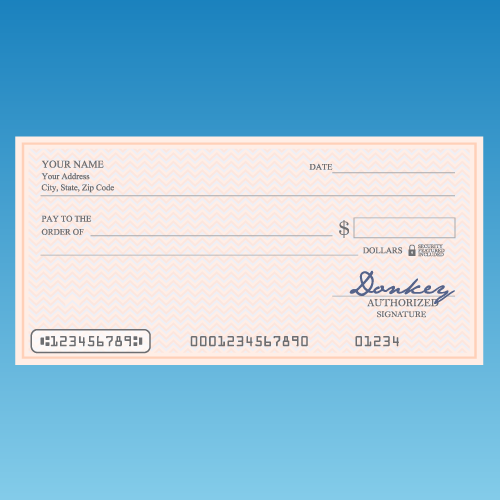
On Your Checks: Your account number is prominently displayed on the bottom of your personal checks, typically the middle set of numbers between the routing number (first set) and the check number (last set).
-
Online Banking/Mobile App: This is often the quickest and most secure method. Log into your Chase online banking portal or the Chase Mobile app. Navigate to the specific account (checking or savings) you need the number for. You may need to click on “Account Details” or a similar option to reveal the full account number, often masked for security until you specifically request to view it.
-
Bank Statements: Your monthly or quarterly bank statements will clearly list your account number. You can usually access these electronically through online banking or receive paper statements via mail.
-
Contact Chase Directly: If all else fails, you can always contact Chase customer service by phone or visit a local branch. After verifying your identity, a representative can provide you with your account number.
Remember that while your routing number is universal for all Chase accounts in a specific region, your account number is unique to your individual account.
The Critical Role of Your Account Number in Financial Management
Beyond simply identifying your account, your Chase account number plays a pivotal role in nearly every financial transaction you undertake. It’s the central piece of information that links funds to and from your specific account, enabling a wide array of banking activities that are essential for modern personal finance. Understanding its importance reinforces the need for both accuracy and security when handling this sensitive data.
Facilitating Deposits and Withdrawals
The most basic function of your account number is to facilitate the movement of money. When someone wants to deposit funds directly into your account—be it a payroll direct deposit, a tax refund, or a payment from a friend—they will need your account number (and often the routing number). Similarly, when you set up automated withdrawals for loan payments or investments, your account number ensures the correct funds are debited from your account. Without this unique identifier, transactions would be impossible to process accurately, leading to funds being lost or misdirected.
Setting Up Bill Payments and Direct Debits
In an increasingly digital world, managing recurring bills and subscriptions relies heavily on your account number. Utility companies, landlords, subscription services, and various creditors often offer direct debit options, allowing them to pull funds directly from your checking or savings account on a scheduled basis. Setting these up requires you to provide your account number (alongside the routing number) to authorize these automated payments. This convenience helps ensure bills are paid on time, avoiding late fees and maintaining a good credit history. However, it also underscores the importance of only providing this information to trusted entities.
Enhanced Security and Fraud Prevention
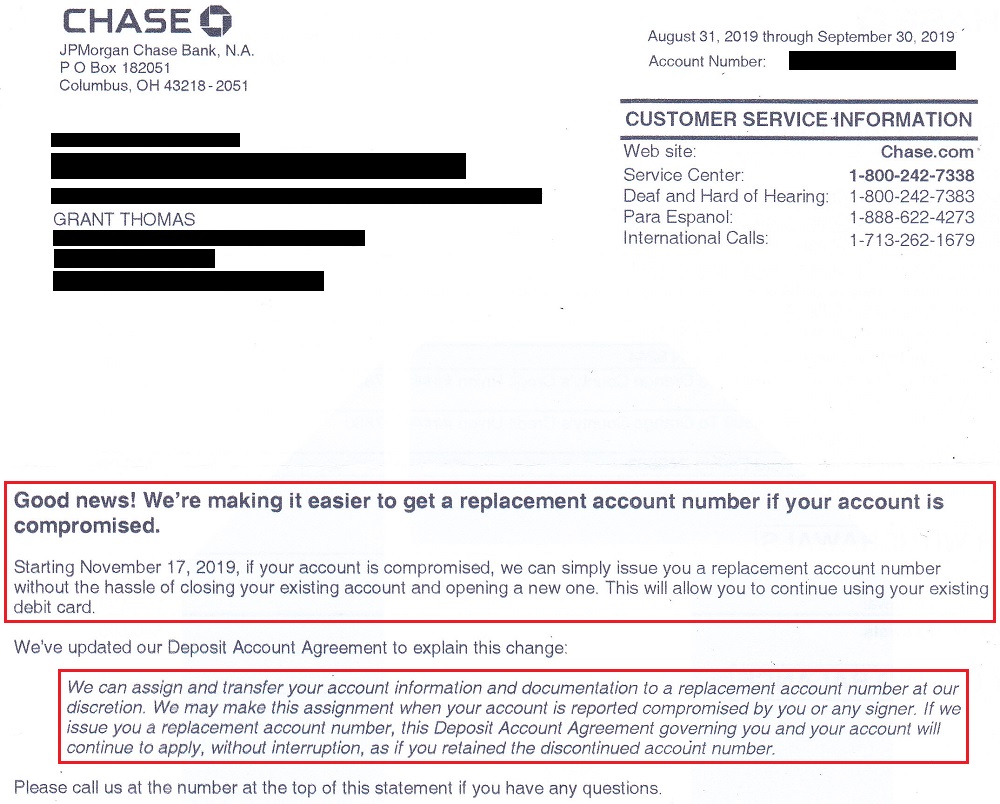
While an account number is essential for transactions, it’s also a critical component in the bank’s security protocols. When you contact Chase for support, or when the bank needs to verify your identity for certain high-risk transactions, your account number (among other details) serves as a key piece of verification. This helps prevent unauthorized individuals from gaining access to your funds or making changes to your account. Banks employ sophisticated systems that constantly monitor transactions linked to specific account numbers for unusual activity, flagging potential fraud and protecting your assets. It’s a delicate balance: the number needs to be accessible for legitimate use but highly protected from malicious intent.
Distinguishing Account Numbers from Other Key Chase Identifiers
In the bustling world of banking, it’s easy to confuse the various numbers and codes associated with your accounts. While your Chase account number is primary for transactions to and from your specific account, it’s crucial to understand how it differs from other identifiers like routing numbers, debit card numbers, and online banking credentials. Each serves a distinct purpose, and mixing them up can lead to transaction failures or, worse, security vulnerabilities.
Account Number vs. Routing Number
This is perhaps the most common point of confusion.
-
Account Number: This is your unique identifier for a specific checking or savings account at Chase. As discussed, it’s typically 10-12 digits. It tells the bank which individual account within the institution the money should go to or come from.
-
Routing Number (ABA Transit Number): This is a nine-digit code that identifies the specific financial institution (in this case, Chase) and its physical location involved in a transaction. It essentially tells the financial system which bank to send the money to. Different Chase branches or regions might have slightly different routing numbers, but once the funds reach Chase via the correct routing number, the account number then directs them to your specific account. You need both for most electronic transfers, such as direct deposits or wire transfers.
Account Number vs. Debit Card Number
While both are numbers associated with your banking, their functions are fundamentally different.
-
Account Number: Identifies your deposit account (checking or savings) for direct bank-to-bank transactions.
-
Debit Card Number: This is the 16-digit number found on the front of your debit card. It is linked to your checking account but is primarily used for point-of-sale purchases (online or in-store) and ATM transactions. When you use your debit card, the transaction goes through the card network (Visa, Mastercard, etc.), which then debits your checking account. It’s a payment instrument, not a direct account identifier for transfers.
Account Number vs. Online Banking Username/Password
Your online banking credentials are for accessing your account information and managing it digitally, not for directly moving money from third parties.
-
Account Number: A static identifier for your actual bank account.
-
Username/Password: These are your security credentials for logging into Chase’s online banking platform or mobile app. They grant you access to view balances, statements, transfer funds yourself, and manage account settings. They are never to be shared with anyone, and they are not used by others to send money to your account.
Maintaining a clear understanding of these distinctions is vital for both efficient financial transactions and safeguarding your personal information.
Best Practices for Protecting Your Chase Account Information
Given the pivotal role your Chase account number plays in your financial life, protecting it—along with all your banking details—is paramount. In an age of increasing digital threats and sophisticated scams, adopting robust security practices is not just recommended; it’s essential for maintaining your financial well-being.
Secure Online Access
Your online banking portal and mobile app are powerful tools, but they are also potential entry points for fraudsters if not secured properly.
-
Strong Passwords: Always use unique, complex passwords that combine uppercase and lowercase letters, numbers, and symbols. Avoid using easily guessable information like birthdays or common phrases.
-
Two-Factor Authentication (2FA): Enable 2FA whenever possible. This adds an extra layer of security, typically requiring a code sent to your phone or email in addition to your password, making it much harder for unauthorized users to gain access.
-
Secure Wi-Fi: Only access your banking accounts on secure, private Wi-Fi networks. Avoid conducting financial transactions over public Wi-Fi networks, which are often unencrypted and vulnerable to eavesdropping.
-
Log Out: Always log out of your online banking session, especially if you’re using a shared computer or device.
Physical Document Security
Even in a digital age, physical documents remain a source of sensitive information.
-
Shred Sensitive Documents: Before discarding old bank statements, checks, or any document containing your account number, shred them thoroughly. Identity thieves often dumpster dive for such information.
-
Secure Storage: Keep current bank statements and checkbooks in a secure location, away from prying eyes. If you move, update your address with Chase promptly to prevent statements from falling into the wrong hands.
-
Lost/Stolen Checks: If your checkbook is lost or stolen, report it to Chase immediately so they can put a stop on those checks and monitor your account for fraudulent activity.
Beware of Phishing and Scams
Fraudsters constantly devise new ways to trick individuals into revealing their banking information.
-
Phishing Emails/Texts: Be highly skeptical of unsolicited emails or text messages claiming to be from Chase that ask you to click on links or provide personal information. Chase will never ask for your full account number, password, or PIN via email or text. Always go directly to the Chase website (type the URL yourself) or use the official app if you need to access your account.
-
Vishing (Phone Scams): Be wary of phone calls from individuals claiming to be from Chase who pressure you to reveal sensitive information. If you’re unsure, hang up and call Chase back using the official number listed on their website or your debit card.
-
Social Engineering: Be aware of tactics where fraudsters try to build rapport or create a sense of urgency to extract information. Always verify the identity of anyone asking for your banking details.
Regular Account Monitoring
Proactive monitoring is your best defense against unauthorized activity.
-
Review Statements Regularly: Carefully examine your bank statements (both paper and digital) for any unfamiliar transactions. Report discrepancies to Chase immediately.
-
Set Up Alerts: Utilize Chase’s alert features to be notified of significant transactions, low balances, or suspicious activity on your account.
-
Check Credit Reports: Regularly review your credit reports for any accounts or inquiries you don’t recognize, which could be a sign of identity theft.
By diligently practicing these security measures, you can significantly reduce your risk of becoming a victim of financial fraud and ensure the integrity of your Chase account information.
In conclusion, knowing that your Chase checking or savings account number typically comprises 10 to 12 digits is more than a simple fact; it’s a foundational piece of knowledge for effective financial management. This unique identifier is crucial for countless transactions, from direct deposits to automated bill payments. However, its utility also underscores the critical importance of safeguarding this information. By understanding its role, differentiating it from other banking identifiers, and adhering to best practices for digital and physical security, you empower yourself to manage your finances with confidence and protect your assets against potential threats. Your account number is a key to your financial world – handle it with care.
aViewFromTheCave is a participant in the Amazon Services LLC Associates Program, an affiliate advertising program designed to provide a means for sites to earn advertising fees by advertising and linking to Amazon.com. Amazon, the Amazon logo, AmazonSupply, and the AmazonSupply logo are trademarks of Amazon.com, Inc. or its affiliates. As an Amazon Associate we earn affiliate commissions from qualifying purchases.