
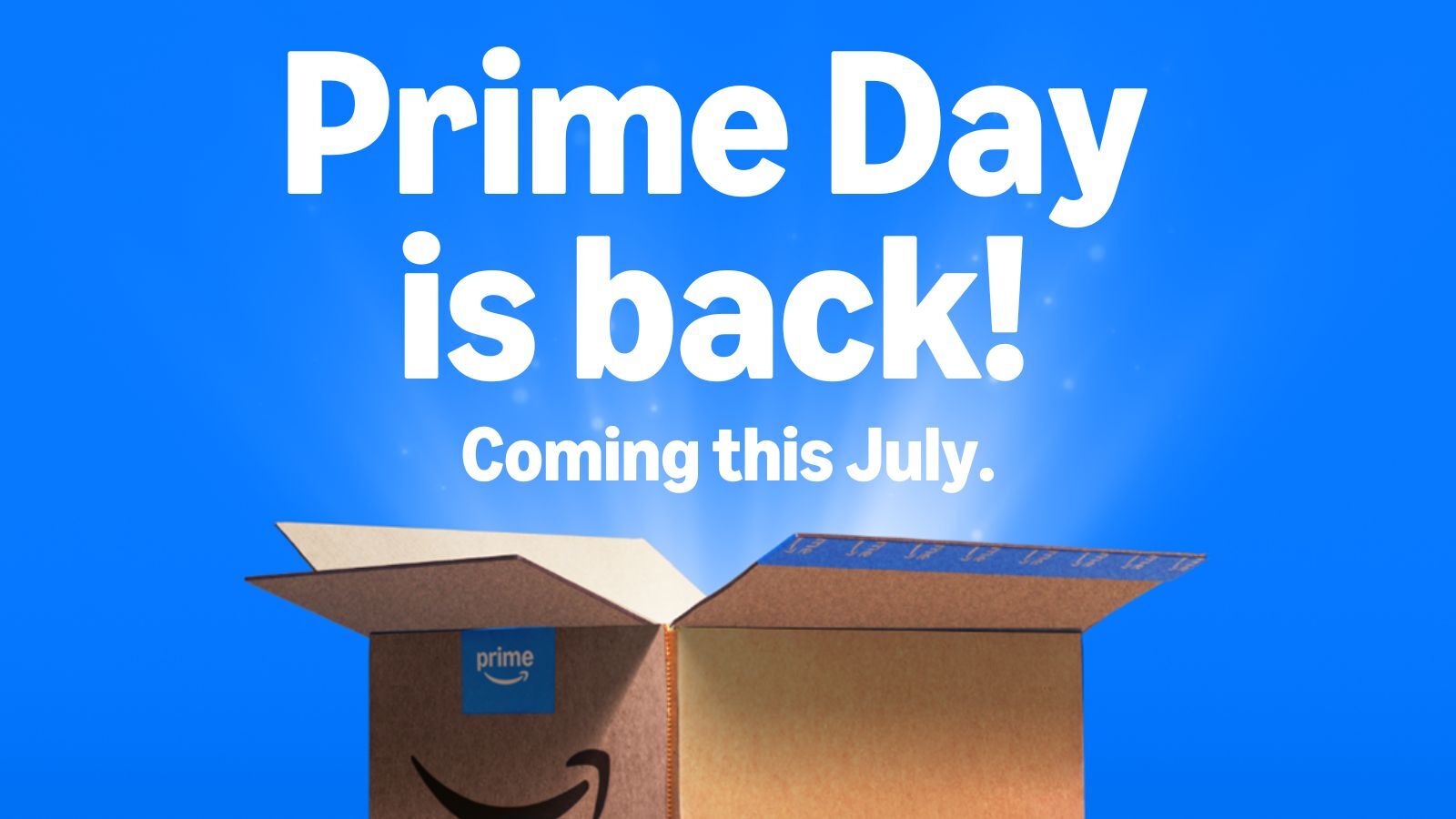
Amazon Prime Day has evolved from a novel concept into a global retail benchmark, an annual spectacle eagerly anticipated by millions of consumers worldwide. The fundamental question, “How many days is Prime Day?”, delves far deeper than a simple numerical answer; it uncovers the intricate layers of Amazon’s brand strategy, its approach to event marketing, and its relentless pursuit of consumer engagement and loyalty. While the exact duration can vary slightly from year to year and region to region, Prime Day is typically a two-day event, strategically positioned in mid-summer. However, to truly understand its impact and the strategic brilliance behind this duration, we must unpack the brand considerations that dictate its structure and execution. This multi-day approach is not arbitrary; it’s a carefully calculated decision designed to maximize brand impact, sustain consumer interest, and reinforce the overarching value proposition of the Amazon Prime ecosystem.

The Dynamic Duration of Prime Day: A Brand’s Evolving Strategy
From its inception, Prime Day has been a masterclass in brand evolution, with its duration serving as a critical lever in Amazon’s broader marketing and corporate identity strategy. The journey from a celebratory one-day event to a sprawling multi-day retail festival reflects a dynamic adaptation to market demands, competitive pressures, and the ever-shifting landscape of consumer behavior.
From Humble Beginnings to a Multi-Day Spectacle
Prime Day first launched on July 15, 2015, as a one-day celebration marking Amazon’s 20th anniversary, exclusive to Prime members. Its initial intent was clear: to reward existing loyal customers and entice new sign-ups. The “one-day only” urgency was a core brand message, designed to create immediate excitement and drive impulsive purchases. It was a bold move, carving out a new retail holiday during a typically quiet sales period. The brand’s initial goal was to test the waters, to see if a proprietary event could stand alongside traditional sales seasons like Black Friday.
The success of that inaugural event quickly revealed its immense potential, but also highlighted areas for strategic expansion. While the one-day format generated significant buzz, it also led to site traffic surges, potential missed opportunities for shoppers across different time zones, and a feeling of being rushed for some. Recognizing this, Amazon’s brand strategists swiftly recognized the need for a more expansive window to capitalize fully on the momentum they had created. The shift to a multi-day event wasn’t merely about extending sales; it was about enhancing the brand experience, ensuring broader accessibility, and allowing for deeper engagement, thereby solidifying Prime Day’s place as a cornerstone of Amazon’s annual calendar.
The Rationale Behind Expanding the Event Window
The decision to expand Prime Day to two full days, and occasionally even longer with “early deals” leading up to the main event, is rooted in several key brand and marketing objectives. Firstly, it addresses the challenge of temporal accessibility. A 48-hour window accommodates a wider range of consumer schedules, time zones, and browsing habits, ensuring that more Prime members globally have ample opportunity to participate. This inclusivity strengthens Amazon’s brand image as a customer-centric platform.
Secondly, a longer duration allows for more strategic deployment of deals. Instead of a single, overwhelming surge of discounts, Amazon can pace its offerings, creating ongoing excitement and driving repeat visits to the site. This drip-feed approach keeps the brand top-of-mind for an extended period, fostering sustained engagement rather than a fleeting transaction. From a brand identity perspective, it transforms Prime Day from a frantic dash into a more considered, yet still urgent, shopping festival. It reinforces Amazon’s commitment to delivering value consistently, not just in an isolated burst. This extended exposure also provides a greater opportunity to showcase the breadth of products and services available on the platform, subtly cross-promoting different categories and strengthening the perception of Amazon as the “everything store.”
Prime Day as a Masterclass in Event Marketing and Brand Engagement
Prime Day is far more than a discount bonanza; it’s a meticulously engineered event marketing campaign designed to engage consumers, reinforce brand loyalty, and elevate the perceived value of Amazon Prime membership. Its multi-day format is central to orchestrating this intricate dance between urgency and sustained interest.
Orchestrating Consumer Anticipation and Urgency
The brand strategy behind Prime Day excels at building anticipation. Months before the event, subtle hints and countdowns begin, signaling to Prime members that significant savings are on the horizon. This pre-event marketing creates a sense of shared excitement and an underlying current of FOMO (Fear Of Missing Out) that is crucial for driving traffic. When the event officially begins, the multi-day structure allows Amazon to deploy a range of tactical marketing tools. “Lightning Deals,” which are time-sensitive and limited-quantity offers, generate intense urgency, prompting quick decision-making. These are strategically interspersed throughout the 48-hour period, ensuring that shoppers remain vigilant and frequently check back, thereby maximizing their time spent on the platform.
This blend of sustained availability and intermittent urgency is a powerful psychological lever. It prevents immediate fatigue while consistently reminding consumers of the limited window, maintaining a high level of engagement. From a brand perspective, this careful orchestration demonstrates Amazon’s understanding of consumer psychology and its ability to create a compelling, gamified shopping experience that extends beyond mere transactional exchanges. It reinforces the brand as innovative and dynamic, always seeking new ways to delight its customers.
Reinforcing Prime Membership Value and Loyalty
At its core, Prime Day is a celebration of Amazon Prime. The entire event is gated behind a Prime membership, making the duration an intrinsic part of its value proposition. A two-day sales event, packed with exclusive deals, free expedited shipping, and access to entertainment benefits, offers a tangible return on the annual Prime subscription fee. By structuring the event this way, Amazon powerfully reinforces to existing members that their subscription is worth every penny, thereby boosting retention rates. For non-members, the allure of Prime Day often serves as the tipping point, converting them into subscribers who then gain access to the full suite of Prime benefits beyond just the sales event.
This strategy is brilliant in its simplicity: leverage a highly anticipated sales event to drive subscriptions, then use the subscription to reinforce customer loyalty year-round through a myriad of integrated services. The multi-day nature of Prime Day provides ample time for potential members to sign up and take advantage of the deals, effectively broadening the funnel for new customer acquisition. It’s a continuous feedback loop that strengthens the Amazon brand by demonstrating consistent, exclusive value to its most engaged customers.
The Halo Effect on Amazon’s Brand Perception
Beyond direct sales and Prime subscriptions, Prime Day generates a significant “halo effect” on Amazon’s overall brand perception. The sheer scale and global media coverage surrounding the event position Amazon as an undisputed leader in e-commerce, a brand synonymous with convenience, innovation, and value. The multi-day format allows for prolonged media attention, generating more news cycles, social media conversations, and word-of-mouth marketing. Analysts and consumers alike discuss the deals, the trends, and the overall impact, keeping Amazon’s brand name in constant circulation.

This consistent visibility reinforces Amazon’s corporate identity as a customer-first enterprise capable of delivering massive, coordinated global events. It contributes to a perception of reliability and technological prowess, even for those who don’t participate in the sales. Furthermore, the spotlight on small businesses selling through Amazon during Prime Day helps diversify Amazon’s brand narrative, showcasing its role as an enabler for entrepreneurs and a diverse marketplace, rather than just a monolithic retailer. This strategic narrative subtly enhances Amazon’s brand reputation and resilience in the face of scrutiny.
The Global Reach and Cultural Impact of a Branded Sales Event
Prime Day’s two-day duration is particularly crucial for its global expansion, allowing Amazon to tailor and execute a massive, synchronized retail event across diverse geographies and cultures, further solidifying its brand as a truly international powerhouse.
Tailoring the Experience to Diverse Markets
Operating in numerous countries, Amazon faces the challenge of localizing a global event. The multi-day format provides flexibility to adjust deal timings and promotional strategies to suit local shopping habits, peak browsing hours, and even different product preferences across various regions. While the core event usually kicks off at the same time globally (adjusted for local time zones), the extended period allows for staggered releases of country-specific deals, ensuring relevance and maximizing engagement in each market. This localized approach strengthens Amazon’s brand appeal by demonstrating cultural sensitivity and an understanding of regional nuances, moving beyond a one-size-fits-all model.
For example, a product category that performs well in one country might not be as popular in another. The extended Prime Day window allows Amazon’s local teams to dynamically adjust inventory and promotions, ensuring that the brand is always presenting the most appealing offers to its respective audiences. This global yet local strategy is critical for a brand aiming for universal recognition and trust.
Building Brand Affinity Beyond Transactions
Prime Day, by its nature, transcends mere transactions. It fosters a sense of community and shared experience among Prime members worldwide. Shoppers engage in discussions about deals, share tips, and anticipate upcoming offers, creating a collective excitement that builds significant brand affinity. The extended duration allows this communal aspect to flourish, providing more opportunities for interaction and shared discovery. This is particularly evident on social media, where hashtags related to Prime Day trend for days, amplifying Amazon’s brand message organically.
This focus on creating an experience rather than just a sale is central to Amazon’s brand strategy. It positions Prime Day not just as a day to buy things, but as an event to participate in, to be part of. The brand leverages this human connection to foster loyalty that extends beyond the annual event, intertwining Amazon with positive memories of discovery and value. It showcases the brand as a facilitator of joy and satisfaction, rather than just a retail platform.
Prime Day as a Catalyst for Retail Innovation
The ongoing evolution of Prime Day, including its duration, also serves as a catalyst for retail innovation, both within Amazon and across the wider industry. Each year, Amazon experiments with new features, such as influencer collaborations, live shopping events, and interactive games, all designed to enhance the two-day experience. These innovations not only keep Prime Day fresh and engaging but also reinforce Amazon’s brand image as a cutting-edge, forward-thinking company. Competitors are forced to react, developing their own “anti-Prime Day” sales or similar branded events, inadvertently validating Amazon’s pioneering role and further cementing its leadership position.
The strategic decisions around Prime Day’s length and format directly influence how other brands and retailers approach their own promotional calendars. It has effectively created a new benchmark for branded sales events, forcing the industry to reconsider traditional seasonal sales and embrace more dynamic, experience-driven approaches. This ripple effect underscores Amazon’s powerful influence on the retail landscape and its consistent ability to set new standards for brand engagement.
Measuring Brand Success: Metrics Beyond Sales Figures
While sales figures are undoubtedly a critical component of Prime Day’s evaluation, Amazon’s brand strategy extends far beyond immediate revenue. The two-day event is a massive investment designed to yield long-term brand equity, measurable through a diverse set of metrics that reflect its broader impact on corporate identity and market positioning.
Tracking Brand Sentiment and Media Buzz
A key measure of Prime Day’s brand success lies in monitoring public sentiment and the volume and tone of media coverage it generates. Amazon meticulously tracks social media mentions, news articles, and consumer reviews leading up to, during, and after the event. Positive sentiment—reflecting excitement about deals, satisfaction with the shopping experience, and appreciation for Prime benefits—indicates a strong brand resonance. Conversely, identifying areas of negative feedback allows Amazon to refine future brand strategies and address pain points. The sustained nature of a two-day event provides a longer window for this media buzz to build and propagate, offering a richer dataset for analysis compared to a fleeting one-day sale. This continuous feedback loop ensures the brand remains agile and responsive to public perception.
Analyzing Customer Acquisition and Retention
Beyond the immediate sales, Prime Day’s ultimate brand objective is to grow and retain its Prime membership base. Metrics such as new Prime sign-ups during the event, churn rates for existing members in the subsequent months, and the lifetime value of customers acquired during Prime Day are critical indicators of success. The multi-day format provides ample opportunity for potential customers to explore the value proposition of Prime membership and convert. The continued loyalty of these members long after the deals have ended is a testament to the brand’s ability to foster lasting relationships rather than just one-off transactions. This long-term view of customer acquisition and retention is fundamental to Amazon’s sustainable brand growth.
Sustaining Brand Relevance in a Competitive Market
In an increasingly crowded e-commerce landscape, maintaining brand relevance is paramount. Prime Day serves as an annual reminder of Amazon’s dominance, its innovative spirit, and its commitment to offering unparalleled value. By consistently delivering a highly anticipated and well-executed multi-day event, Amazon reinforces its brand as a market leader, difficult for competitors to emulate effectively. The event creates a recurring positive touchpoint with consumers, ensuring Amazon remains a top-of-mind destination for online shopping. This sustained relevance is crucial for Amazon’s long-term corporate identity and its ability to withstand market fluctuations and competitive pressures. The “how many days” question, therefore, becomes a strategic decision in maintaining this continuous brand conversation and reinforcing Amazon’s unique position in the global retail ecosystem.
aViewFromTheCave is a participant in the Amazon Services LLC Associates Program, an affiliate advertising program designed to provide a means for sites to earn advertising fees by advertising and linking to Amazon.com. Amazon, the Amazon logo, AmazonSupply, and the AmazonSupply logo are trademarks of Amazon.com, Inc. or its affiliates. As an Amazon Associate we earn affiliate commissions from qualifying purchases.