
Social Security stands as a cornerstone of financial security for millions of Americans, providing retirement income, disability benefits, and life insurance protection for families. Yet, despite its widespread impact, many individuals remain unclear about the fundamental requirement for eligibility: Social Security credits. These credits are the building blocks that determine your access to a safety net designed to support you and your loved ones through various life stages. Understanding how these credits are earned, how many are needed, and how to track your progress is not merely an administrative detail; it’s a critical component of proactive financial planning.
This comprehensive guide will demystify the concept of Social Security credits, providing a clear roadmap to understanding your eligibility for future benefits. We’ll delve into the mechanics of earning credits, outline the specific requirements for different types of benefits, and empower you with the knowledge to monitor your Social Security record effectively. By the end, you’ll have a profound understanding of how “how many credits for Social Security” directly impacts your financial future, enabling you to make informed decisions that secure your well-being for decades to come.
The Foundation of Eligibility: What Are Social Security Credits?
At its core, Social Security operates on an earned benefits system. The contributions you make through payroll taxes during your working life translate into credits, which then determine your eligibility for benefits. These credits are not a measure of the total amount you’ve contributed, but rather a gauge of your participation in the workforce and your consistent earnings over time. Think of them as attendance points that qualify you for the main event.
Earning Your Credits: The Annual Threshold
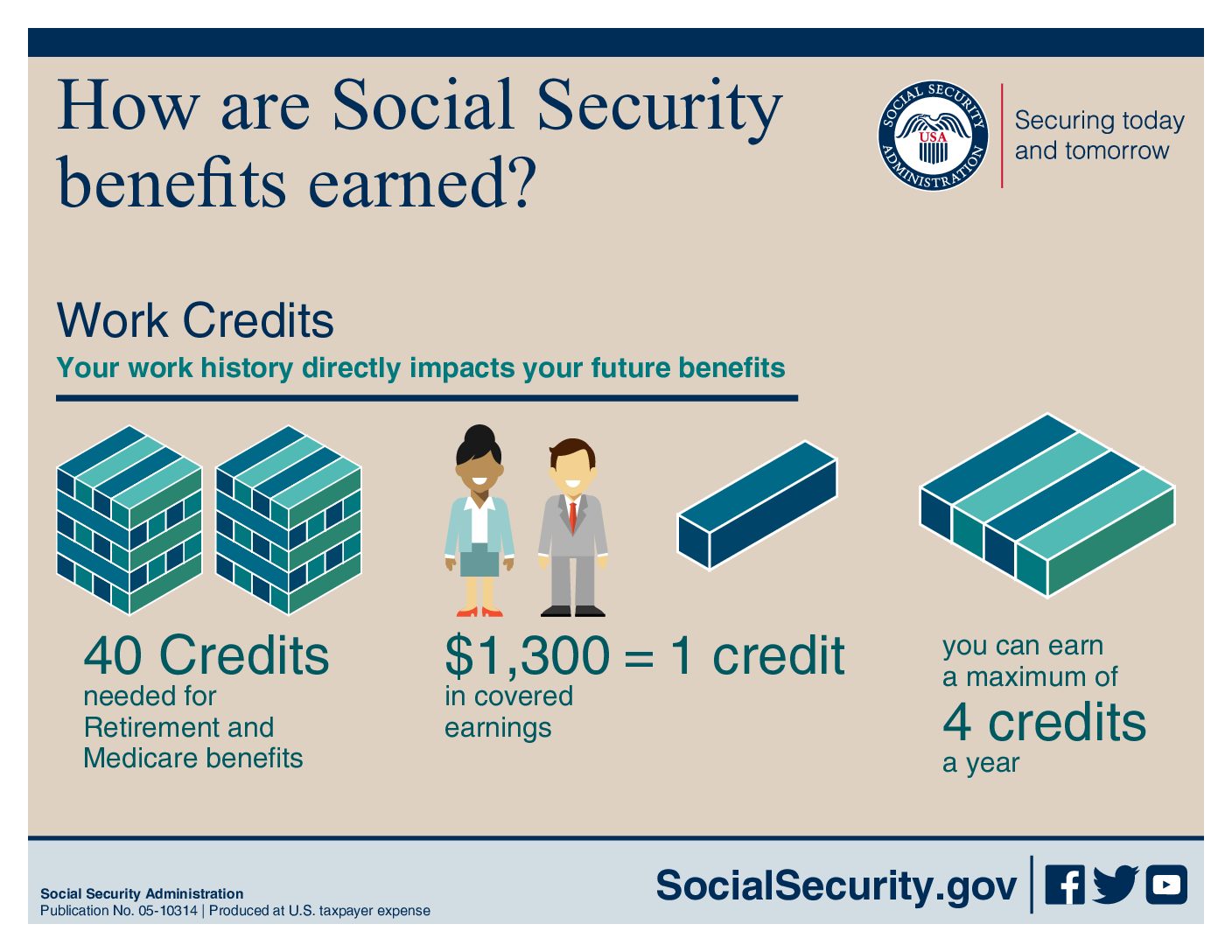
Each year, the Social Security Administration (SSA) sets a specific amount of earnings required to earn one Social Security credit. This threshold typically increases annually to adjust for inflation and changes in the national average wage index. For example, in 2024, you earned one Social Security credit for every $1,730 in wages or self-employment income. The crucial point here is that you can earn a maximum of four credits per year, regardless of how much you earn beyond the four-credit threshold. This means that if you earn $6,920 ($1,730 x 4) or more in a given year, you will receive all four credits for that year. Earning more than that amount does not grant you additional credits, though it will likely lead to higher benefit calculations later on. The system is designed to reward consistent participation over a long period rather than exceptionally high earnings in a short burst.
Who Earns Credits and How
Virtually anyone working in jobs covered by Social Security is earning credits. This includes the vast majority of wage earners and self-employed individuals in the United States. If you work for an employer, your Social Security taxes (FICA taxes) are automatically withheld from your paycheck, and your employer reports your earnings to the SSA. For self-employed individuals, you pay self-employment taxes, which include your contributions to Social Security and Medicare, and you report your net earnings on Schedule SE (Form 1040).
The key is that your earnings must be taxable earnings. This means that income from investments, pensions, or other sources that are not subject to Social Security taxes do not count towards earning credits. For most people, consistently working full-time or even part-time for a significant portion of the year is enough to earn the maximum four credits annually. The system ensures that even individuals with modest incomes can build up their credit count, recognizing the broad-based nature of the program’s support. Understanding this mechanism is the first step towards taking control of your Social Security eligibility and ensuring that your hard work translates into future financial security.
The Magic Number: Credits Required for Different Benefits
While earning credits is straightforward, the number of credits you need isn’t a one-size-fits-all answer. The specific credit requirement depends entirely on the type of benefit you or your family members are applying for, as well as your age and work history. Social Security provides a variety of protections, and each has its own eligibility criteria tied to your credit count.
Retirement Benefits: The Full Insured Status
The most common goal for accumulating Social Security credits is to qualify for retirement benefits. To be eligible for these benefits, you generally need to achieve “fully insured” status, which requires 40 Social Security credits. Since you can earn a maximum of four credits per year, this means you need to have worked and paid Social Security taxes for at least 10 years over your lifetime. Once you’ve earned 40 credits, you are permanently fully insured, regardless of whether you continue to work or not. This status allows you to receive your own retirement benefits, or potentially benefits as a spouse or survivor based on another worker’s record, if those are higher. It’s a critical milestone for anyone planning their post-career financial future, guaranteeing access to a significant income stream in retirement.
Disability Benefits: Varies by Age
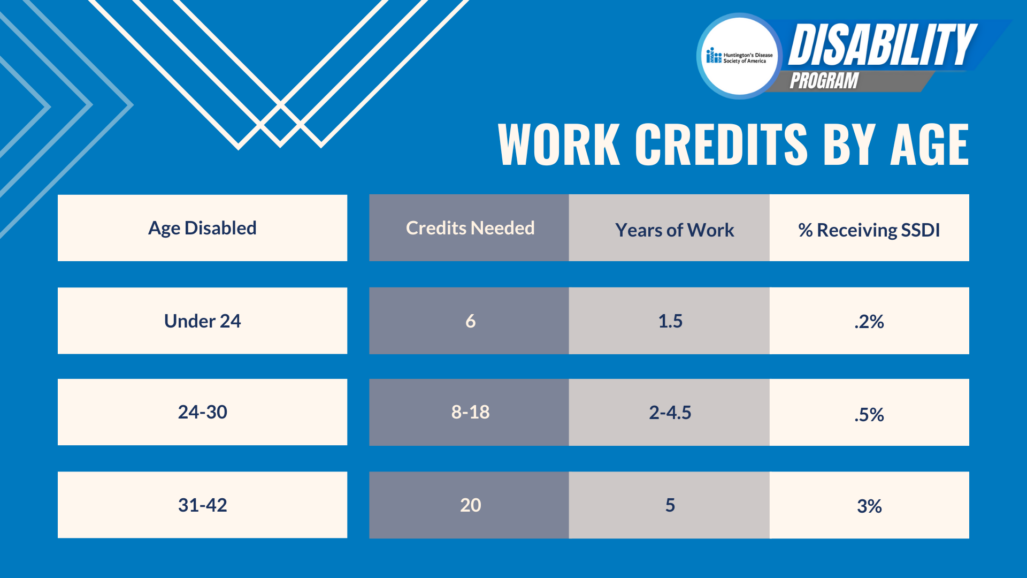
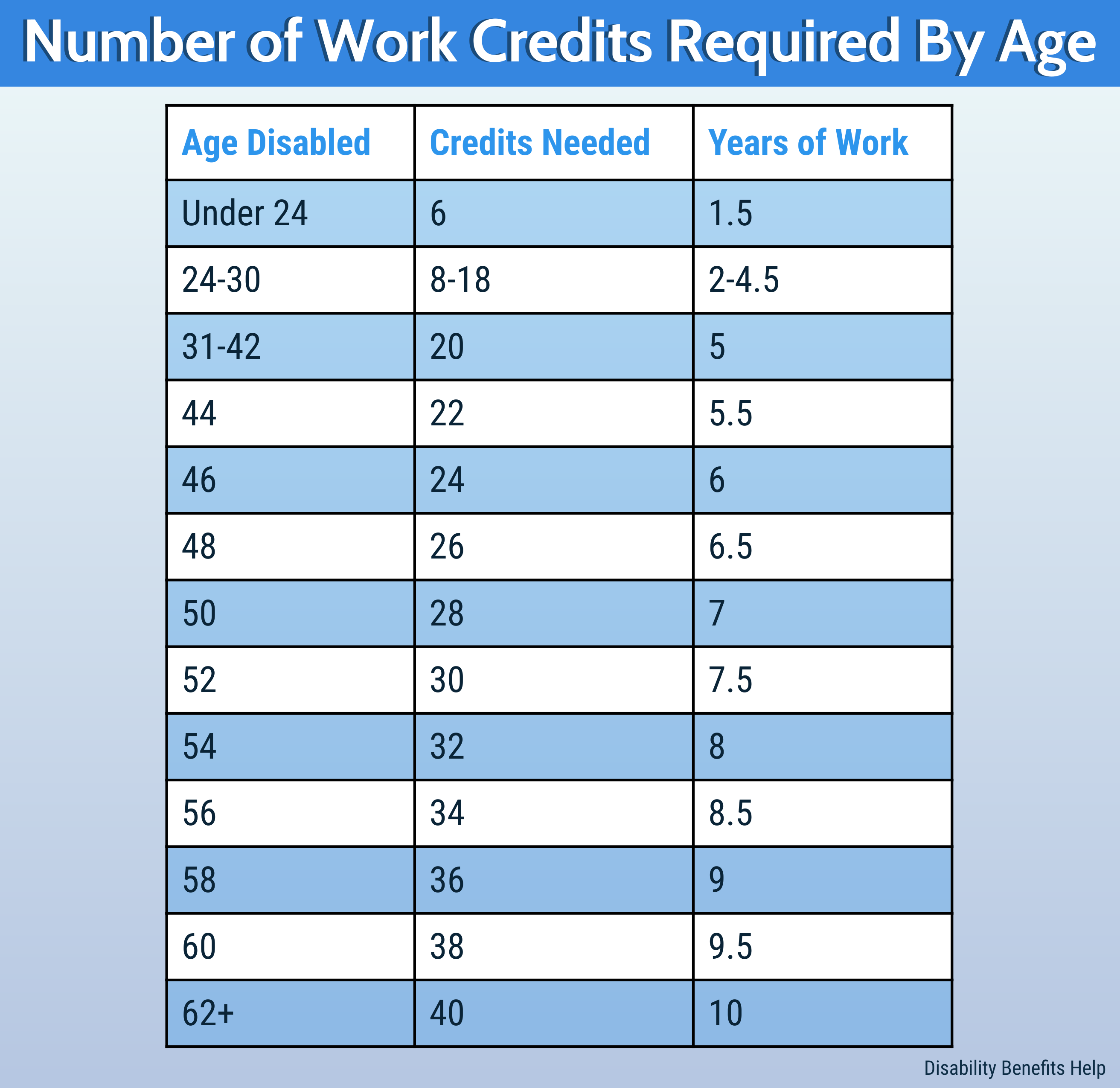
Social Security also offers disability benefits to workers who become unable to perform substantial gainful activity due due to a severe medical condition. The number of credits required for disability benefits is more nuanced than for retirement and depends on your age when you become disabled.
- Under age 24: You need 6 credits earned in the 3-year period ending when your disability starts.
- Age 24 to 31: You generally need to have credits for half the time between age 21 and the time you become disabled. For example, if you become disabled at age 27, you would need 3 years of work (12 credits) out of the past 6 years (between ages 21 and 27).
- Age 31 or older: You typically need to be “fully insured” (40 credits) and also have worked for 5 out of the last 10 years immediately before you became disabled (20 credits in the last 10 years).
These varying requirements highlight the program’s aim to provide protection for workers who suffer debilitating conditions at different points in their careers, emphasizing recent work history for younger individuals.
Survivor Benefits: Protecting Your Loved Ones
In the unfortunate event of a worker’s death, Social Security provides benefits to eligible family members, including a surviving spouse, children, and dependent parents. The number of credits required for these “survivor benefits” depends on the deceased worker’s age at death.
- Fully Insured: If the deceased worker was fully insured (40 credits), their surviving spouse and children are generally eligible for benefits.
- Currently Insured: Even if a worker wasn’t fully insured, some family members may still qualify for benefits if the worker was “currently insured.” This means the worker had at least 6 credits in the 3-year period ending with their death. This “currently insured” status is primarily for young workers with dependent children, ensuring a safety net even for those who haven’t had a long career.
Special Cases and Medicare
Beyond direct cash benefits, Social Security credits also play a role in Medicare eligibility. If you have 40 credits, you automatically qualify for premium-free Medicare Part A (hospital insurance) when you turn 65, even if you defer your Social Security retirement benefits. This is a significant advantage, as Medicare Part A can be costly if you have to pay premiums. For those who don’t have 40 credits, there might be options to purchase Medicare Part A, or qualify through a spouse’s work record. Understanding these diverse credit requirements is crucial for comprehensive financial planning, as it impacts not only your income but also your healthcare access in retirement.
Tracking Your Progress: Monitoring Your Social Security Record
With such critical benefits tied to your Social Security credit count, it becomes paramount to accurately track your progress and ensure your earnings record is correct. Proactive monitoring is a simple yet powerful step in securing your financial future, preventing potential headaches and delays down the road. The Social Security Administration provides robust tools and resources to help you do just that.
The Social Security Statement: Your Annual Report Card
For decades, the SSA mailed a paper Social Security Statement to workers aged 25 and over. While paper statements are now primarily sent to those aged 60 and above who are not receiving benefits and do not have an online account, the information contained within remains vital. Your Social Security Statement is essentially your annual report card from the SSA. It provides a detailed summary of your reported earnings throughout your working life, a year-by-year breakdown of your credited earnings, and most importantly, an estimate of your future benefits for retirement, disability, and survivor protection. It also clearly indicates how many credits you have accumulated and how many you need to be fully insured for various benefits. Regularly reviewing this statement is crucial to verify that your earnings have been accurately recorded by the SSA.
Online Access and Tools
In the digital age, accessing your Social Security information is easier than ever. The SSA’s official website (www.ssa.gov) offers a secure and convenient portal for managing your record. By creating a personal “my Social Security” account, you gain instant access to a wealth of information. Through your account, you can:
- View your complete earnings record, year by year.
- Check your number of accumulated Social Security credits.
- Get personalized estimates of your future retirement, disability, and survivor benefits.
- Review the status of your application if you’ve applied for benefits.
- Request a replacement Social Security card.
- Even print an official Social Security Statement.
This online portal is an indispensable financial tool, providing real-time access to information that directly impacts your long-term security. It empowers you to take an active role in managing your Social Security future from the comfort of your home.
Correcting Errors: What If Something Is Wrong?
While the SSA strives for accuracy, errors in earnings records can occur. These might stem from employer mistakes in reporting wages, misspellings of your name, incorrect Social Security numbers, or even identity theft. Discovering an error on your Social Security Statement or online record can be concerning, but it’s crucial to address it promptly.
If you find discrepancies, you should contact the SSA immediately. You’ll typically need to provide documentation to support your claim, such as W-2 forms, tax returns, or pay stubs from the years in question. The SSA will then investigate and, if the error is verified, correct your earnings record. This correction is vital because an incomplete or inaccurate earnings history could lead to fewer credits than you’ve actually earned, potentially delaying or reducing your future benefits. Proactive monitoring and timely correction of errors ensure that every dollar you’ve contributed to the system is accurately reflected, securing the benefits you rightly deserve.
Strategic Planning: Maximizing Your Social Security Benefits
Understanding how Social Security credits work is the first step; the next is to integrate this knowledge into your broader financial planning. While credits ensure eligibility, strategic decisions regarding your work life and retirement timing can significantly impact the ultimate size of your benefits and their role in your overall financial picture. Social Security, while foundational, is best viewed as one pillar among many in a robust retirement strategy.
Earning Consistently: The Long-Term View
The most straightforward way to maximize your Social Security benefits is through consistent earnings over a long career. Your retirement benefit amount is calculated based on your 35 highest-earning years, adjusted for inflation. This means that gaps in employment or years with very low earnings can negatively impact your average, even if you’ve accumulated the necessary 40 credits. Aiming for a full career, or at least 35 years of substantial earnings, ensures that your benefit calculation includes a high average indexed monthly earnings (AIME), leading to a higher Primary Insurance Amount (PIA) and, consequently, a larger monthly benefit check in retirement. Every year you earn income above the Social Security taxable maximum contributes to this average, up to the 35-year mark.
Understanding Your Full Retirement Age (FRA)
While 40 credits grant you eligibility, your Full Retirement Age (FRA) determines when you can receive 100% of your calculated retirement benefit. Your FRA varies based on your birth year, ranging from 66 to 67. You can claim benefits as early as age 62, but doing so results in a permanent reduction of your monthly payment. Conversely, delaying benefits past your FRA, up to age 70, can earn you Delayed Retirement Credits, increasing your monthly benefit by 8% for each year you wait. Strategic consideration of your health, other income sources, and financial needs is crucial when deciding when to claim, as this decision can significantly affect your total lifetime benefits, even after you’ve secured your 40 credits.
Bridging Gaps: What If You’re Short on Credits?
Life rarely follows a perfectly linear path, and many individuals may find themselves nearing retirement age with fewer than 40 credits. This doesn’t necessarily mean all hope is lost. If you’re close to the 40-credit mark, working a few extra years, even part-time, might be all it takes to bridge the gap. For instance, if you have 36 credits, working one more year and earning the four maximum credits would qualify you. The flexibility to earn credits at any age allows for this kind of strategic catch-up. For those who are far short of 40 credits and are unable to work more, exploring spousal or survivor benefits based on a spouse’s work record or investigating other government programs might be necessary. It’s never too late to assess your situation and explore your options.
Integrating Social Security into Your Overall Financial Plan
Ultimately, Social Security should be viewed as a foundational, but not exclusive, component of your retirement income. It provides a reliable income stream, indexed to inflation, but it’s typically designed to replace only about 40% of an average worker’s pre-retirement income. Relying solely on Social Security is often insufficient for maintaining a comfortable lifestyle in retirement. Therefore, integrating your Social Security strategy with other financial tools – personal savings, 401(k)s, IRAs, investments, and pensions – is paramount. Understanding your potential Social Security benefits, secured by your credits, allows you to more accurately calculate your retirement income gap and plan accordingly, ensuring a secure and fulfilling future.
Conclusion
Understanding “how many credits for Social Security” is more than just knowing a number; it’s about grasping the fundamental mechanism that unlocks crucial financial protections for you and your family. From the foundational 40 credits for retirement to the age-dependent requirements for disability and the vital safety net of survivor benefits, each credit earned is a step towards greater financial security.
We’ve explored how these credits are accumulated through taxable earnings, highlighted the varying requirements for different benefits, and, critically, emphasized the importance of proactively monitoring your Social Security record. By utilizing tools like the Social Security Statement and your online “my Social Security” account, you can ensure your work history is accurately reflected and secure the benefits you’ve earned.
Ultimately, Social Security is a powerful, yet often misunderstood, element of personal finance. Taking the time to understand its credit system empowers you to make informed decisions about your career, retirement planning, and overall financial well-being. Don’t leave your future to chance; take control of your Social Security credits today and build a solid foundation for the decades to come.
aViewFromTheCave is a participant in the Amazon Services LLC Associates Program, an affiliate advertising program designed to provide a means for sites to earn advertising fees by advertising and linking to Amazon.com. Amazon, the Amazon logo, AmazonSupply, and the AmazonSupply logo are trademarks of Amazon.com, Inc. or its affiliates. As an Amazon Associate we earn affiliate commissions from qualifying purchases.