
In the intricate world of personal finance, a bank’s routing number serves as a fundamental identifier, crucial for a myriad of essential transactions. Far more than just a sequence of digits, it’s the digital DNA that directs funds to and from your specific financial institution, ensuring the smooth flow of your money. Whether you’re setting up direct deposit for your paycheck, paying bills online, sending money to family, or initiating an international transfer, knowing how to quickly and accurately locate your bank’s routing number is an indispensable financial skill. This guide will demystify the routing number, explain its importance, and provide you with a comprehensive roadmap to find it with ease and confidence.

Understanding Your Bank’s Routing Number: A Foundation for Financial Transactions
Before diving into how to find it, let’s establish a clear understanding of what a routing number is and why it holds such significance in your financial life.
What Exactly Is a Routing Number?
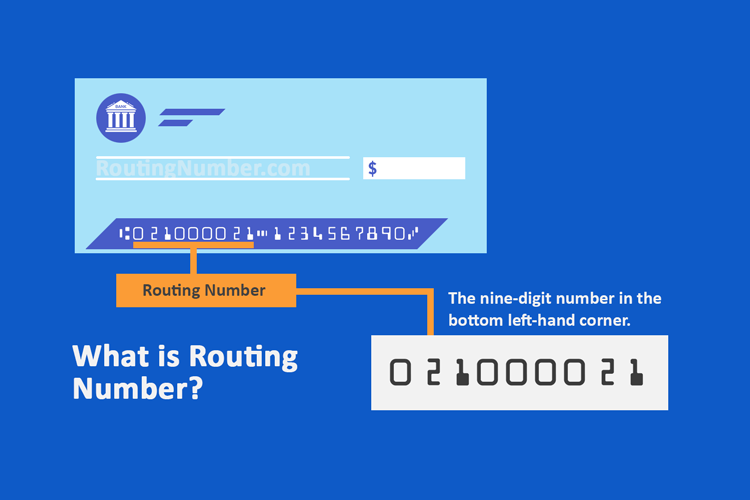
A routing number, also known as an ABA (American Bankers Association) routing transit number (RTN), is a nine-digit code used by financial institutions in the United States to identify themselves. It acts much like a postal code for your bank, ensuring that checks and electronic transactions reach the correct institution. Established in 1910 by the American Bankers Association, its primary purpose was to facilitate the sorting and delivery of paper checks. Today, its role has expanded dramatically, becoming a cornerstone of both traditional and digital banking.
Each of the nine digits within a routing number holds specific information:
- The first four digits identify the Federal Reserve District where the bank is located.
- The next four digits identify the specific financial institution.
- The final digit is a check digit, used to validate the accuracy of the preceding eight digits, preventing errors in processing.
This unique identifier ensures that when you initiate a transaction, your funds are directed precisely to the intended bank, reducing delays and preventing misdirection.
Why Is Your Routing Number Indispensable?
Your bank’s routing number is not merely a formality; it’s a critical component for nearly every electronic financial transaction you undertake. Without it, the seamless movement of money in today’s digital economy would grind to a halt.
Here are some key scenarios where your routing number is absolutely indispensable:
- Direct Deposit: The most common use. Employers require your bank’s routing number (along with your account number) to deposit your paycheck directly into your account. This is also true for government benefits like Social Security or tax refunds from the IRS.
- Automated Bill Payments: Setting up recurring payments for utilities, loans, or subscriptions often requires your routing number to authorize automatic withdrawals from your account.
- Electronic Funds Transfers (EFTs): Sending or receiving money electronically, whether through online banking, peer-to-peer payment apps (though sometimes abstracted by the app), or bank-to-bank transfers, relies on this number.
- ACH Transfers: The Automated Clearing House (ACH) network is the primary system for electronic payments in the U.S. All ACH transactions, from direct deposits to bill payments, depend on correct routing numbers.
- Wire Transfers: While often using a different routing number (more on this later), wire transfers, especially international ones, require specific identifiers, and the domestic routing number is often a starting point.
- Tax Payments and Refunds: When filing taxes, you’ll need your routing number to facilitate direct payments to the IRS or to receive your refund directly into your bank account.
Understanding its critical role underscores why knowing how to find it readily is a fundamental aspect of modern financial literacy.
Diverse Avenues to Locate Your Routing Number
Fortunately, your bank’s routing number is not a secret kept under lock and key. Financial institutions make it accessible through several common and convenient channels.
The Classic Method: Your Checkbook
For many, the most straightforward and traditional way to find their routing number is by looking at a physical check. This method has been reliable for decades and remains a primary source.
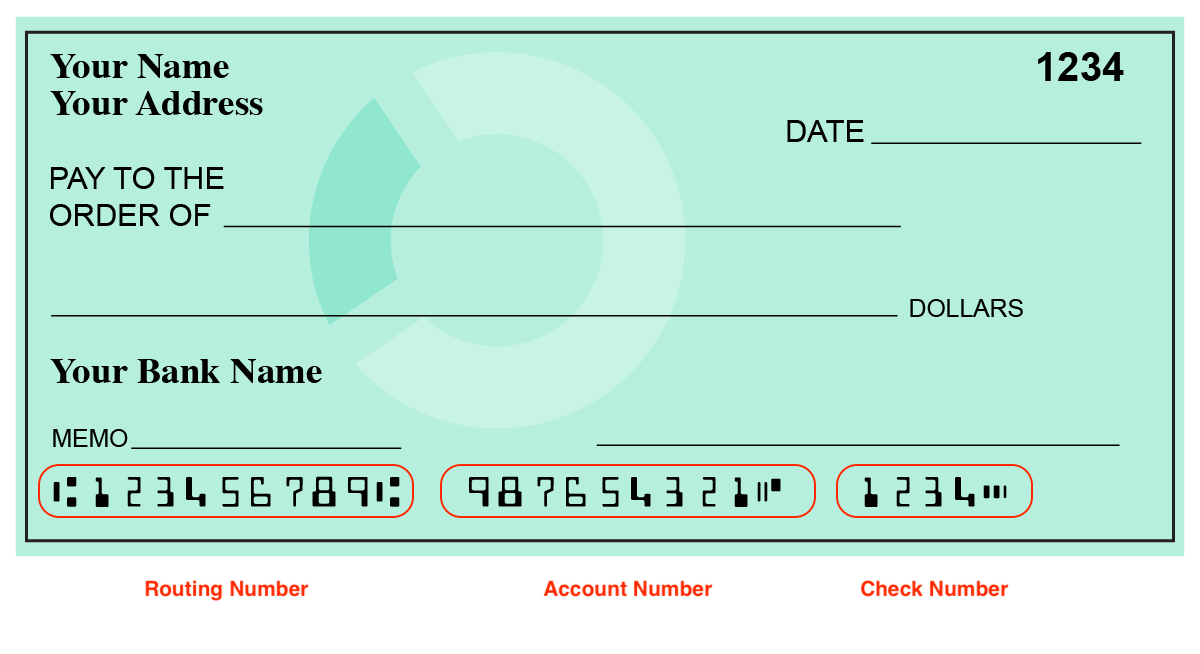
On the bottom of a standard personal check, you’ll find three sets of numbers printed in magnetic ink characters (MICR font). From left to right, these typically represent:
- Your bank’s routing number: The first nine-digit sequence.
- Your account number: The second set of numbers, which varies in length.
- The check number: The third set, corresponding to the number at the top right corner of the check.
Always double-check to ensure you’re identifying the correct nine-digit sequence as the routing number, especially if you have an older checkbook or a unique check design. Business checks follow a similar pattern.
Navigating Digital Banking Platforms
In today’s digital age, online banking portals and mobile apps have become central to managing finances, and they are excellent resources for finding your routing number.
- Online Banking Portal: Log in to your bank’s website using your credentials. Once logged in, you can often find your routing number by:
- Clicking on your specific account (checking or savings).
- Looking for an “Account Details,” “Account Information,” or “My Profile” section.
- Some banks display it prominently on the account summary page.
- There might also be an “E-statements” or “Documents” section where you can view past statements which contain the number.
- Mobile Banking App: Most bank mobile apps offer similar functionality. After logging in:
- Tap on the relevant account.
- Look for an “Account Info,” “Details,” or “Show Routing Number” option.
- Many apps have a dedicated section for “Deposit a Check” which will display the routing number you need for mobile deposits, or will prompt you if it differs for specific transaction types.
The exact steps can vary slightly between banks and app versions, but a quick search within the app’s menu or help section will usually point you in the right direction.
Unearthing It on Bank Statements
Your monthly or quarterly bank statements are another reliable source of your bank’s routing number.
- Printed Statements: If you receive paper statements by mail, your routing number is typically printed on the statement, usually near your account number, bank address, or in the “Account Summary” section.
- Electronic Statements (E-statements): Accessing e-statements through your online banking portal provides the same information. Download a recent PDF statement, and you’ll find the routing number clearly listed. This is particularly useful if you don’t have a physical checkbook handy.
Direct Communication: Calling Your Bank
When all else fails, or if you prefer direct human interaction, calling your bank’s customer service line is always an option.
- Customer Service Number: You can usually find this number on the back of your debit card, on your bank’s official website, or on a recent bank statement.
- What to Ask For: Clearly state that you need your bank’s routing number. Be prepared to verify your identity with personal information (e.g., account number, date of birth, mother’s maiden name) for security purposes.
- Specific Needs: If you need the routing number for a specific type of transaction (e.g., wire transfer), be sure to mention this, as it might differ from the standard ACH routing number.
Leveraging Your Bank’s Official Website
Beyond logging into your personal account, the public section of your bank’s official website is an excellent resource.
- “Contact Us” or “Help/FAQ” Sections: Many banks prominently list their routing number on their “Contact Us” or “Frequently Asked Questions” pages.
- Website Search Function: Use the website’s internal search bar and type “routing number” or “ABA number.”
- Online Routing Number Locators: Some bank websites offer a tool where you can enter your state or ZIP code to find the correct routing number for your specific region, especially for larger banks with multiple routing numbers.
Always ensure you are on your bank’s official website to avoid phishing scams or misinformation. Look for “https://” in the URL and a padlock icon.
Crucial Distinctions and Considerations
While finding your routing number is generally straightforward, there are important nuances to be aware of, especially concerning different transaction types and geographical factors.
ACH vs. Wire Transfers: The Routing Number Nuance
It’s a common misconception that all electronic transfers use the same routing number. This is not always the case, particularly when distinguishing between ACH transfers and wire transfers.
- ACH (Automated Clearing House) Routing Number: This is the most commonly used routing number, found on your checks and within your online banking details. It’s used for everyday transactions like direct deposits, bill payments, and standard electronic funds transfers (e.g., sending money to another bank account within the U.S.). ACH transfers are typically processed in batches, making them less immediate but more cost-effective.
- Wire Transfer Routing Number: For domestic wire transfers, some banks use a different routing number than their standard ACH number. Wire transfers are typically faster and more expensive, handled individually rather than in batches. For international wire transfers, you’ll almost certainly need a SWIFT/BIC code (Society for Worldwide Interbank Financial Telecommunication / Bank Identifier Code) in addition to, or instead of, a U.S. routing number, along with the recipient’s bank name and address.
Always confirm the correct routing number for the specific type of transfer you are making directly with your bank, especially for wire transfers, to avoid delays or lost funds.
Geographical Variations and Bank Mergers
Larger financial institutions, particularly those with a national presence, may have multiple routing numbers depending on the state or region where the account was opened.
- State-Specific Numbers: If your bank operates in many states, it might use different routing numbers for different geographical areas. This is less common for smaller, local banks but can be a factor for national chains.
- Bank Mergers: When banks merge, their routing numbers can sometimes change. While the old numbers usually remain valid for a transition period, it’s wise to update any saved routing numbers or templates to the new ones provided by your bank after a merger. Your bank will typically notify customers well in advance of such changes.
Always use the routing number specifically associated with your account to ensure accuracy. When in doubt, verify with your bank.
Safeguarding Your Financial Information
While a routing number alone cannot grant access to your account (an account number is also needed), it’s still sensitive financial information that should be handled with care.
- Share Responsibly: Only provide your routing number to trusted entities (e.g., your employer, reputable billers, or government agencies).
- Beware of Scams: Be wary of unsolicited requests for your routing number, especially via email or phone calls from unknown sources. Banks will never ask for your full account details or routing number via unsolicited emails.
- Secure Digital Practices: When accessing your bank information online, ensure you are using a secure internet connection and that your devices are protected with robust antivirus software. Always log out of your online banking session when finished.
Beyond the Basics: Advanced Uses and Troubleshooting
Understanding routing numbers extends beyond simple identification. It’s a key to navigating complex financial scenarios and knowing what to do when challenges arise.
When a Routing Number Isn’t Enough: Account Numbers and SWIFT Codes
While the routing number is critical, it rarely works in isolation.
- Account Numbers: For almost all transactions, your routing number must be paired with your individual account number. The routing number identifies the bank, and the account number identifies your specific account within that bank.
- SWIFT/BIC Codes: For international transfers, the routing number is typically insufficient. Instead, you’ll need the recipient bank’s SWIFT (Society for Worldwide Interbank Financial Telecommunication) or BIC (Bank Identifier Code) code. This is an international standard for identifying banks worldwide. Always confirm the correct SWIFT/BIC code directly with the recipient’s bank.
What to Do If You Can’t Find It
If you’ve exhausted all the methods above and still can’t locate your routing number, or if you’re unsure which one to use:
- Re-trace Your Steps: Double-check your online banking account, review a physical check thoroughly, and scrutinize recent bank statements.
- Contact Customer Support: This is your best fallback. Explain your situation clearly. They are equipped to provide the precise information you need and can clarify any complexities (e.g., if you need it for a specific type of transfer).
- Visit a Branch: As a last resort, if you have a local branch, an in-person visit can quickly resolve the issue, provided you bring identification.
Never guess your routing number, as using an incorrect one can lead to delayed transactions, returned payments, or even funds being sent to the wrong account.
Conclusion: Empowering Your Financial Journey
The routing number, though seemingly a small detail, is a mighty component of your personal financial infrastructure. It underpins the vast majority of your electronic transactions, connecting your individual account to the broader banking ecosystem. By understanding its purpose and knowing the various reliable methods to locate it, you empower yourself with greater control and confidence over your money management.
The Routing Number as a Cornerstone of Modern Banking
From the direct deposit of your salary to the automated payment of your utility bills, the nine-digit routing number ensures that your financial instructions are executed precisely and efficiently. It is a testament to the robust, yet often invisible, systems that keep the modern financial world turning. Mastery of this small detail contributes significantly to seamless financial operations and peace of mind.
Final Tips for Seamless Financial Management
- Keep it Accessible: Once you find your routing number, consider noting it down in a secure place or saving it in a digital note (encrypted, if possible) for quick reference.
- Verify for Specific Transactions: Always verify the correct routing number for non-standard transactions like wire transfers or if you have recently experienced a bank merger.
- Stay Informed: Periodically check your bank’s website for updates, especially if you bank with a large institution or if there are news of mergers and acquisitions in the banking sector.
Knowing how to find your bank’s routing number is a fundamental aspect of managing your personal finances in today’s digital landscape. With this knowledge, you are better equipped to navigate the banking world confidently and ensure your money flows exactly where it needs to go.
aViewFromTheCave is a participant in the Amazon Services LLC Associates Program, an affiliate advertising program designed to provide a means for sites to earn advertising fees by advertising and linking to Amazon.com. Amazon, the Amazon logo, AmazonSupply, and the AmazonSupply logo are trademarks of Amazon.com, Inc. or its affiliates. As an Amazon Associate we earn affiliate commissions from qualifying purchases.