
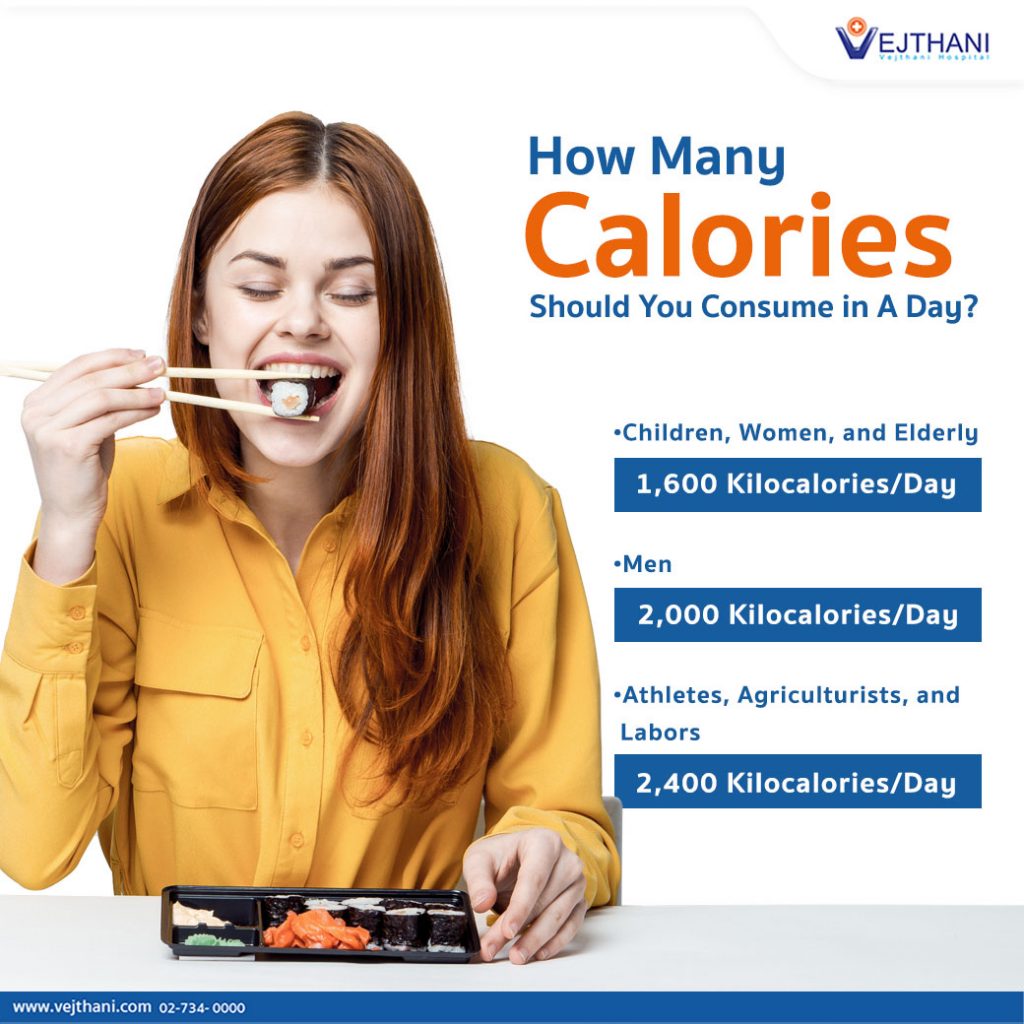
For decades, the answer to the question “how many calories should a person consume a day?” was found on the back of a cereal box or a static government chart. The “2,000-calorie diet” became a global benchmark—a generalized, one-size-fits-all metric designed for the average adult. However, in the era of high-performance computing, wearable sensors, and artificial intelligence, this generic approach is being replaced by precision nutrition.
In the technology sector, we no longer view human metabolism as a static equation. Instead, we see it as a dynamic system of inputs and outputs that can be monitored, analyzed, and optimized in real-time. From machine learning models that predict glycemic responses to wearable devices that track thermal energy expenditure, technology is fundamentally changing how we calculate and consume energy.
The Evolution of Caloric Tracking: From Static Charts to AI Algorithms
The traditional method of determining caloric needs relied on the Harris-Benedict equation or the Mifflin-St Jeor formula. While these mathematical models provided a baseline for Basal Metabolic Rate (BMR), they were limited by their inability to account for the nuances of individual biological variability. Today, software developers and data scientists are moving beyond these static formulas.
The Shift Toward Real-Time Data Processing
Modern nutrition technology leverages “big data” to provide a more accurate picture of energy requirements. Rather than relying on a user to manually input their height and weight once a year, contemporary health apps use continuous data streams. By integrating with smartphone sensors, these platforms can adjust caloric recommendations based on real-time factors such as movement, sleep quality, and even local weather patterns, which can affect thermoregulation.
Machine Learning and Predictive Basal Metabolic Rates
Machine learning (ML) is at the forefront of this shift. By analyzing millions of data points from diverse user populations, AI models can identify patterns that human practitioners might miss. For instance, an AI can determine that a specific user’s metabolism slows down more significantly after a period of high-intensity training compared to the average population. This allows for an “adaptive caloric target” that fluctuates daily, ensuring the user is neither under-fueling nor over-consuming.
Wearable Technology and the Quantified Self
The rise of the “Quantified Self” movement has turned the human body into a source of constant data. Wearable tech has moved far beyond simple step counting; it is now a sophisticated laboratory strapped to the wrist or finger. These devices are the primary hardware interface for determining how many calories an individual truly needs.
Smartwatches and Metabolic Estimations
Devices like the Apple Watch, Garmin, and Whoop utilize photoplethysmography (PPG) to track heart rate and heart rate variability (HRV). By applying proprietary algorithms to this cardiovascular data, these devices estimate Active Energy Expenditure (AEE). When combined with a calculated BMR, the tech provides a “Total Daily Energy Expenditure” (TDEE). The precision of these sensors is a major focus for tech R&D, with companies increasingly utilizing multi-wavelength LEDs to penetrate deeper into the tissue for more accurate readings.
Continuous Glucose Monitors (CGMs) as Caloric Regulators
Perhaps the most significant technological leap in caloric management is the migration of Continuous Glucose Monitors (CGMs) from medical necessity for diabetics to a performance tool for the general public. Startups like Levels, Supersapiens, and Nutrisense use biosensors to track blood sugar levels in real-time. This technology provides a direct look at how specific caloric inputs affect metabolic stability. If a “2,500-calorie day” causes massive glucose spikes and crashes, the software suggests a recalibration of the caloric source, proving that the composition of the calories is just as vital as the quantity in the digital health ecosystem.
The Role of Mobile Ecosystems and Digital Food Databases
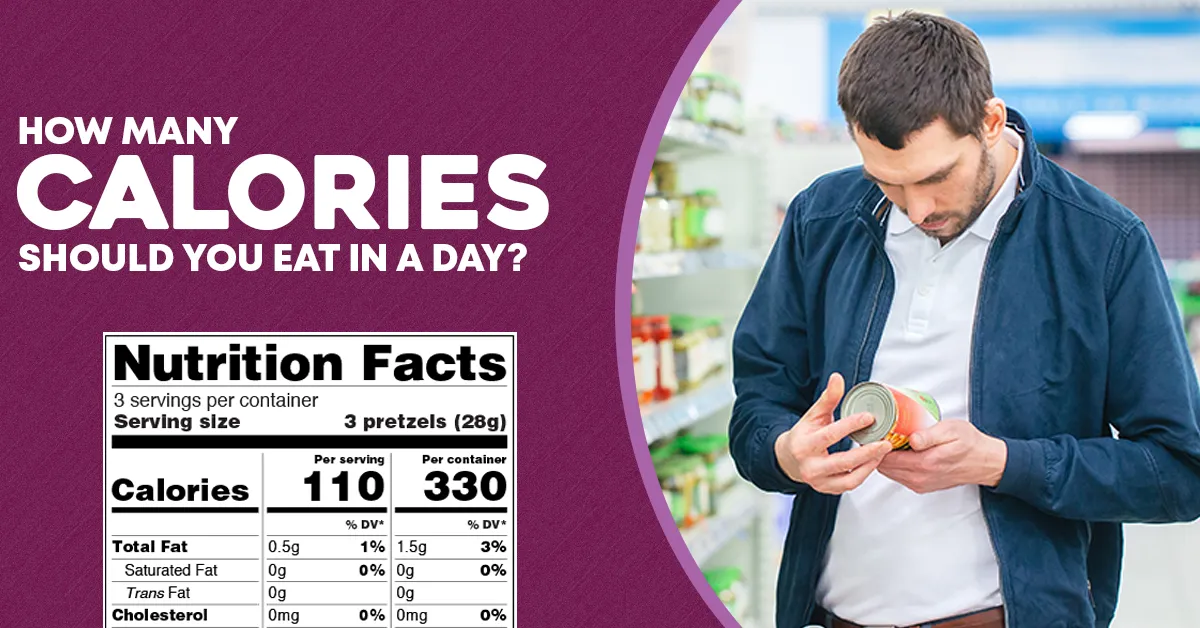
Calculating how many calories you should eat is only half the battle; the other half is accurately measuring how many calories you are eating. This is where the software ecosystem of mobile apps and cloud-based databases plays a critical role.
API Integration and Holistic Health Dashboards
The modern health tech stack relies on interoperability. Through APIs (Application Programming Interfaces), a nutrition app can pull exercise data from a Peloton bike, weight data from a Bluetooth-connected scale, and sleep data from an Oura ring. This creates a centralized dashboard where the “caloric budget” is automatically updated. For example, if your smart scale detects an increase in lean muscle mass, the integrated software will automatically increase your daily caloric recommendation to support the new metabolic demand.
Image Recognition and Automated Food Logging
One of the greatest “friction points” in caloric tracking is manual data entry. Tech companies are solving this through Computer Vision (CV). Using deep learning models trained on millions of food images, apps can now estimate the caloric content of a meal simply by analyzing a photograph taken by the user. By calculating the volume of the food and identifying the ingredients through pixel analysis, the software removes human error from the equation, providing a more objective answer to whether a person has met their daily energy requirements.
Personalized Bio-Digital Nutrition: The Future of Optimization
As we look toward the next decade, the question of “how many calories should a person consume” will be answered by technologies that delve into our very biology. We are moving toward a future where our digital devices are in constant communication with our internal chemistry.
Genetic Sequencing and Nutrigenomics
The integration of genetic data into nutrition apps is a growing trend. Companies are using DNA sequencing to identify genetic markers that influence how an individual processes macronutrients. For instance, some people are genetically predisposed to have a higher metabolic rate or a lower sensitivity to insulin. By uploading genetic data into a nutritional AI, users can receive a “genetically optimized” caloric target that accounts for their unique hereditary makeup.
Digital Twins and Virtual Metabolic Simulation
The most cutting-edge development in this space is the concept of the “Digital Twin.” This involves creating a virtual model of an individual’s metabolism in a cloud environment. By running simulations on the digital twin, AI can predict how a person will react to a 500-calorie deficit or a 1,000-calorie surplus before they even take a bite. This predictive tech allows for “proactive nutrition”—adjusting caloric intake based on future goals rather than past mistakes.
Conclusion: The Data-Driven Body
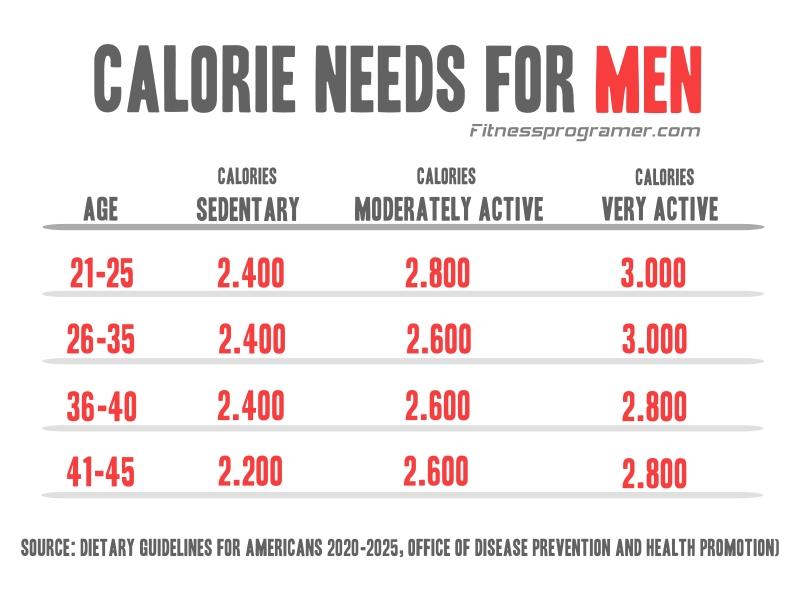
The question of how many calories a person should consume is no longer a matter of guesswork or generalized guidelines. It has become a data-science problem. Through the lens of technology, we see that the human body is an incredibly complex engine that requires a personalized fuel strategy.
From the AI algorithms that calculate our metabolic rate to the wearables that track our every move, technology is providing the tools for radical health transparency. As these tools become more accessible and the data more precise, the “average” 2,000-calorie diet will likely become a relic of the past. In its place, we will have a dynamic, tech-enabled understanding of nutrition—one where our devices tell us exactly what we need, exactly when we need it, to perform at our absolute best. The future of nutrition is not found in a textbook, but in the code, the sensors, and the algorithms that define the modern digital health landscape.
aViewFromTheCave is a participant in the Amazon Services LLC Associates Program, an affiliate advertising program designed to provide a means for sites to earn advertising fees by advertising and linking to Amazon.com. Amazon, the Amazon logo, AmazonSupply, and the AmazonSupply logo are trademarks of Amazon.com, Inc. or its affiliates. As an Amazon Associate we earn affiliate commissions from qualifying purchases.