
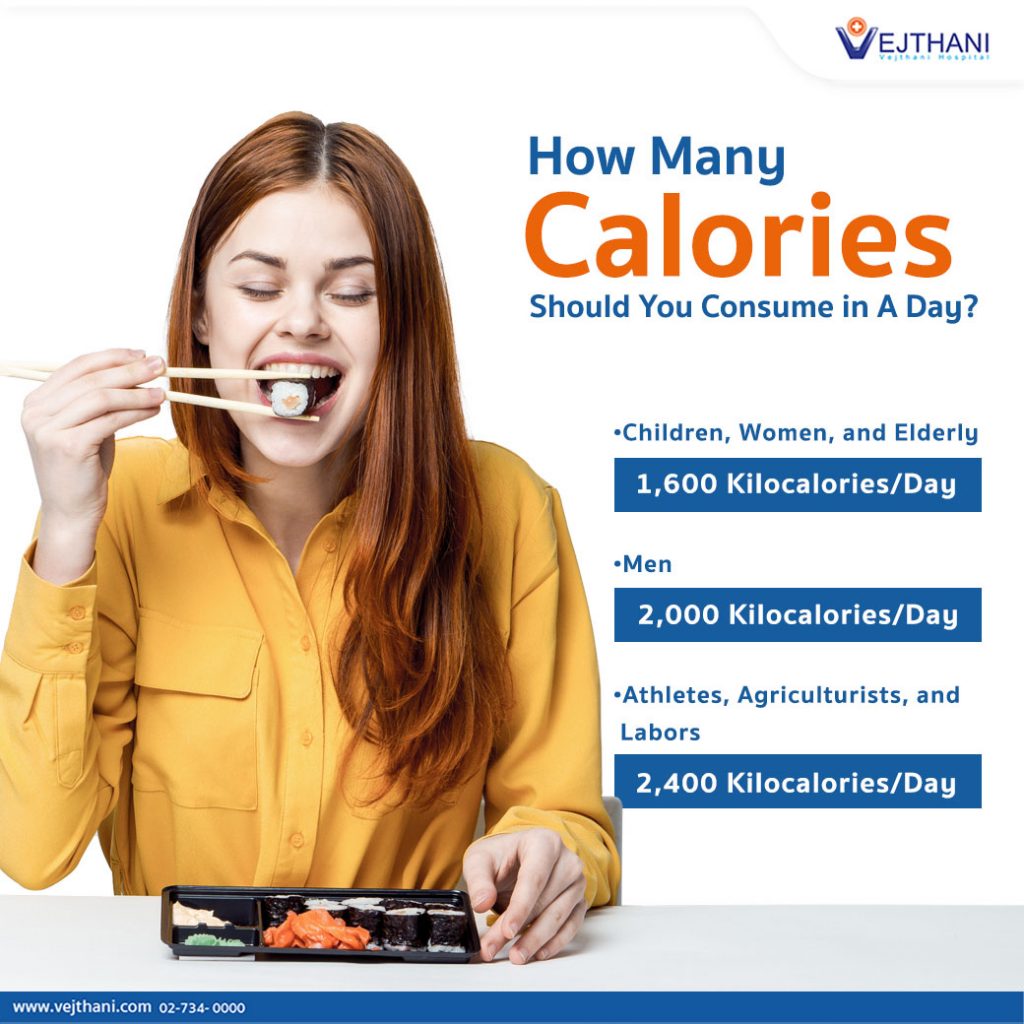
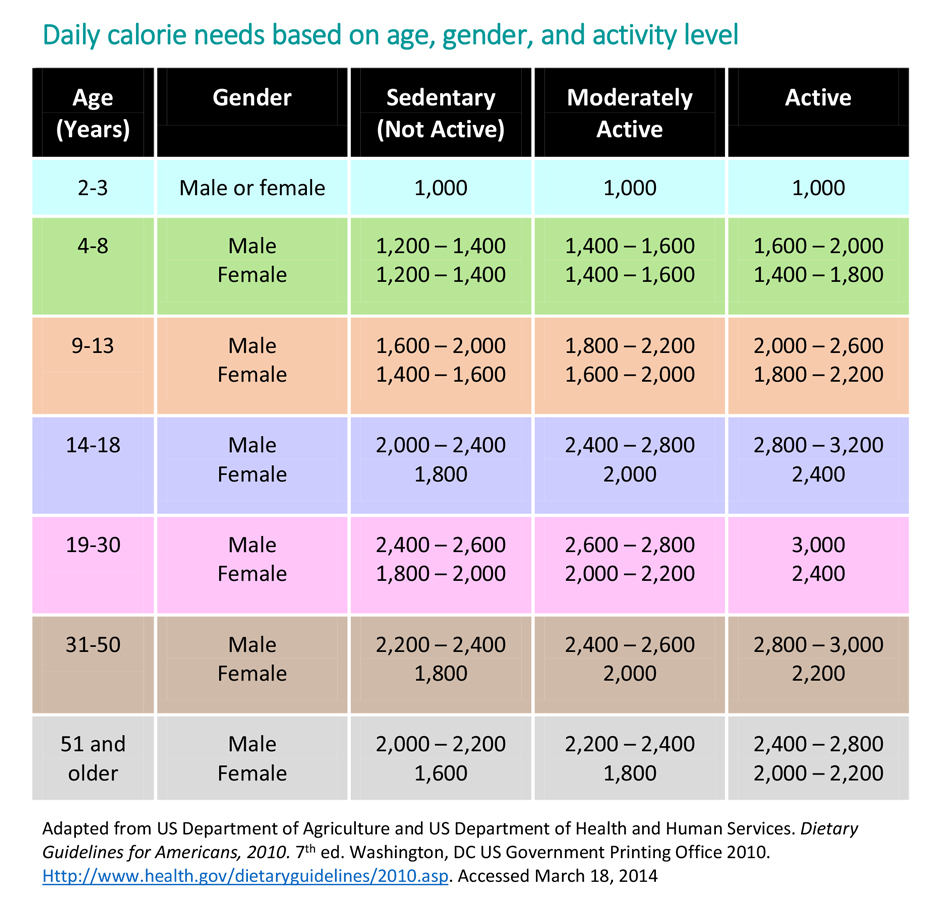
For decades, the answer to the question “How many calories do I need?” was found on the back of a cereal box or in the pages of a static medical textbook. The “2,000-calorie diet” became the global benchmark, a generalized figure designed for the average adult. However, in the current landscape of the technology industry, we are witnessing a paradigm shift. We are moving away from broad estimations toward “precision nutrition”—a field powered by artificial intelligence, wearable sensors, and sophisticated algorithms.
Today, determining your caloric requirements is no longer a matter of simple arithmetic; it is a complex data problem. This article explores the technological stack behind modern metabolic tracking, from the software engineering of fitness apps to the hardware innovations in wearable biometrics.
The Evolution of Caloric Computation: From Equations to Algorithms
Before the advent of silicon and software, metabolic needs were calculated using static mathematical models. While these provided a foundation, they lacked the nuance required for individual biological variation. Technology has bridged this gap by digitizing the metabolic process.
The Limitations of Traditional Formulas
Historically, professionals used the Harris-Benedict equation or the Mifflin-St Jeor formula. These required only a few inputs: age, sex, weight, and height. While revolutionary in their time, these formulas operate on “averages.” They cannot account for muscle mass vs. fat mass, hormonal fluctuations, or gut microbiome health. In the tech world, these are viewed as “low-resolution” data sets. They provide a general direction but fail at the level of individual optimization.
How Machine Learning Refines BMR Predictions
Enter Machine Learning (ML). Modern health platforms now utilize ML models trained on millions of data points from diverse populations. Instead of a static formula, these algorithms look at patterns. By inputting data from thousands of users who share similar physiological traits, the software can predict Basal Metabolic Rate (BMR) with a much higher degree of accuracy. These models are dynamic; as you log more data, the algorithm learns your specific “metabolic signature,” adjusting its recommendations based on how your body weight reacts to specific caloric inputs over time.
Wearable Technology and the “Internet of Bodies”
The hardware sector has perhaps seen the most explosive growth in answering the “how many calories” question. We have transitioned from simple pedometers to sophisticated IoT (Internet of Things) devices that monitor the human body 24/7.
Smartwatches and Photoplethysmography (PPG) Sensors
Most modern wearables, such as those from Apple, Garmin, and Samsung, use PPG sensors to track heart rate. By shining light into the skin and measuring blood flow, these devices calculate heart rate variability (HRV) and resting heart rate. For the software side, this is crucial. Caloric burn is directly correlated with oxygen consumption, which is mirrored by heart rate. The more refined the sensor technology becomes, the more accurately the device can estimate Active Energy Expenditure (AEE).
Continuous Glucose Monitors (CGM) for Real-Time Data
One of the most significant breakthroughs in metabolic tech is the repurposing of Continuous Glucose Monitors for the general consumer. Companies like Levels and Nutrisense use hardware originally designed for diabetics to give users a real-time look at their blood sugar levels. From a data perspective, this is the “gold standard” for understanding caloric impact. By seeing how a specific meal spikes glucose, the accompanying software can determine if a person is “fat-adapted” or if they are in a state of constant glucose surplus. This turns the question of “how many calories” into “what kind of calories for my specific glycemic response.”
AI-Powered Apps and the Future of Food Logging
Data collection is only half the battle; data entry has long been the “friction point” for users trying to track their intake. The software industry is solving this through automation and computer vision.
Computer Vision: Tracking Calories Through Image Recognition
Manual logging—searching for a food item and selecting a portion size—is prone to human error. Leading apps are now integrating AI-driven computer vision. By leveraging the smartphone camera and neural networks, these apps can identify a plate of food, estimate the volume of each macro-component (proteins, fats, carbs), and calculate the caloric total almost instantly. This reduces the cognitive load on the user and increases the integrity of the data being fed into the metabolic model.
Integrating Big Data for Personalized Recommendations
The true power of these apps lies in their ability to integrate with the broader digital ecosystem. By pulling data from sleep trackers, digital scales, and even genetic testing kits (like 23andMe), a single nutrition app becomes a centralized hub for “bio-optimization.” When your app knows you only slept four hours (increasing cortisol and hunger hormones) and that your workout was high-intensity, it can programmatically adjust your caloric “budget” for the day. This is the definition of a smart system: it uses multifaceted inputs to provide a singular, actionable output.
Digital Security and Privacy in Metabolic Tracking
As we collect more granular data about our bodies to answer our nutritional questions, we face new challenges regarding the security and ethics of that data. Your metabolic rate, heart rate patterns, and dietary habits are among the most intimate data points a person can possess.
Protecting Sensitive Biometric Data
The tech companies responsible for these platforms must navigate the complexities of HIPAA (in the US) and GDPR (in the UK/EU). Ensuring that biometric data is encrypted at rest and in transit is a massive technical undertaking. We are seeing a trend toward “edge computing” in health tech, where sensitive data is processed locally on the user’s device rather than being uploaded to a central cloud server. This “privacy-by-design” approach is becoming a competitive advantage for brands like Apple, who prioritize user security.
The Ethics of Algorithm-Based Nutritional Advice
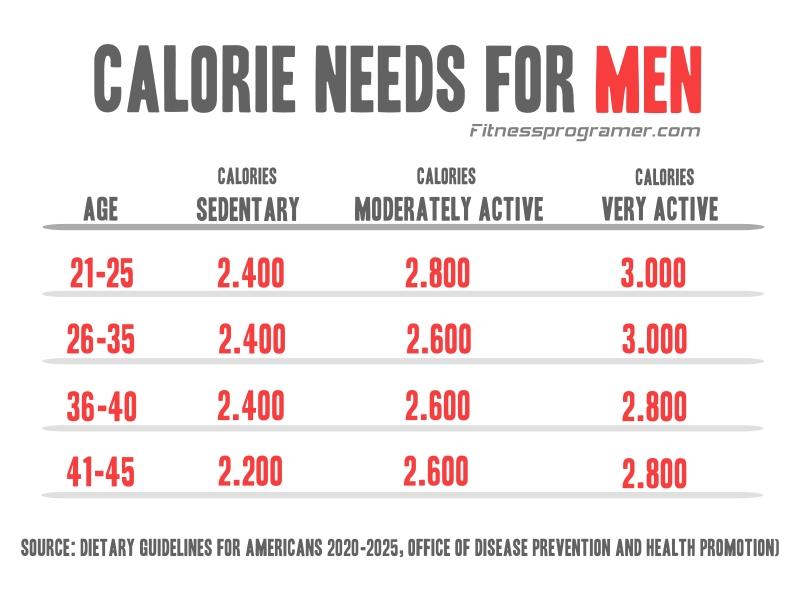
There is also a growing discussion regarding the “black box” nature of proprietary algorithms. If an AI tells you that you need 2,400 calories today, you are essentially trusting the code. Tech developers have a responsibility to ensure their models are free from bias and are scientifically grounded. The future of the industry likely involves “Explainable AI” (XAI), where the software doesn’t just give a number but explains the logic behind the caloric recommendation, citing the specific data points it used to reach that conclusion.
The Convergence of Biology and Bitrate
The question “How many calories do I need?” is no longer a mystery to be guessed at; it is a metric to be measured. Through the convergence of high-fidelity sensors, machine learning algorithms, and seamless user interfaces, technology has turned human metabolism into a readable stream of data.
In the coming years, we can expect even deeper integration. Imagine a smart refrigerator that knows your caloric deficit for the day and suggests a meal based on the ingredients inside, or a wearable that adjusts your grocery list in real-time based on your recovery score. We are moving toward a world where the friction between our biological needs and our daily choices is entirely removed by technology.
As software continues to “eat the world,” it is now helping us decide exactly what we should eat, too. The pursuit of health has become a pursuit of data, and for the first time in history, we have the tools to see the human machine with perfect clarity.
aViewFromTheCave is a participant in the Amazon Services LLC Associates Program, an affiliate advertising program designed to provide a means for sites to earn advertising fees by advertising and linking to Amazon.com. Amazon, the Amazon logo, AmazonSupply, and the AmazonSupply logo are trademarks of Amazon.com, Inc. or its affiliates. As an Amazon Associate we earn affiliate commissions from qualifying purchases.