
The question of “how many banks are in the USA” might seem straightforward, but its answer reveals a complex, dynamic, and critically important facet of the American economy. Far from a static figure, the number of financial institutions in the United States has undergone significant transformations over decades, influenced by economic cycles, regulatory shifts, technological innovation, and market consolidation. Understanding this landscape is crucial not just for industry insiders, but for every consumer, business owner, and investor navigating the vast financial ecosystem.
The U.S. banking system is renowned for its diversity and robustness, a blend of large national chains, regional powerhouses, community banks, and an increasing array of digital-only alternatives. This multifaceted structure provides a wide range of services, fosters competition, and acts as the lifeblood of commerce and personal finance. Yet, beneath the surface of readily available services, a clear trend of consolidation has reshaped the industry, leading to fewer but often larger institutions. This article will explore the current state and historical evolution of the U.S. banking sector, delving into the various types of institutions, the forces driving their numbers, and what this all means for the financial well-being of the nation.
The Evolving Landscape of U.S. Banking: From Proliferation to Consolidation
The American banking system has always been characterized by its fragmented nature compared to many other developed nations, which often have a few dominant national banks. However, even within this context, the number of U.S. banks has seen dramatic shifts, primarily a long-term trend of decline from its peak.
A Historical Perspective: Peaks and Valleys
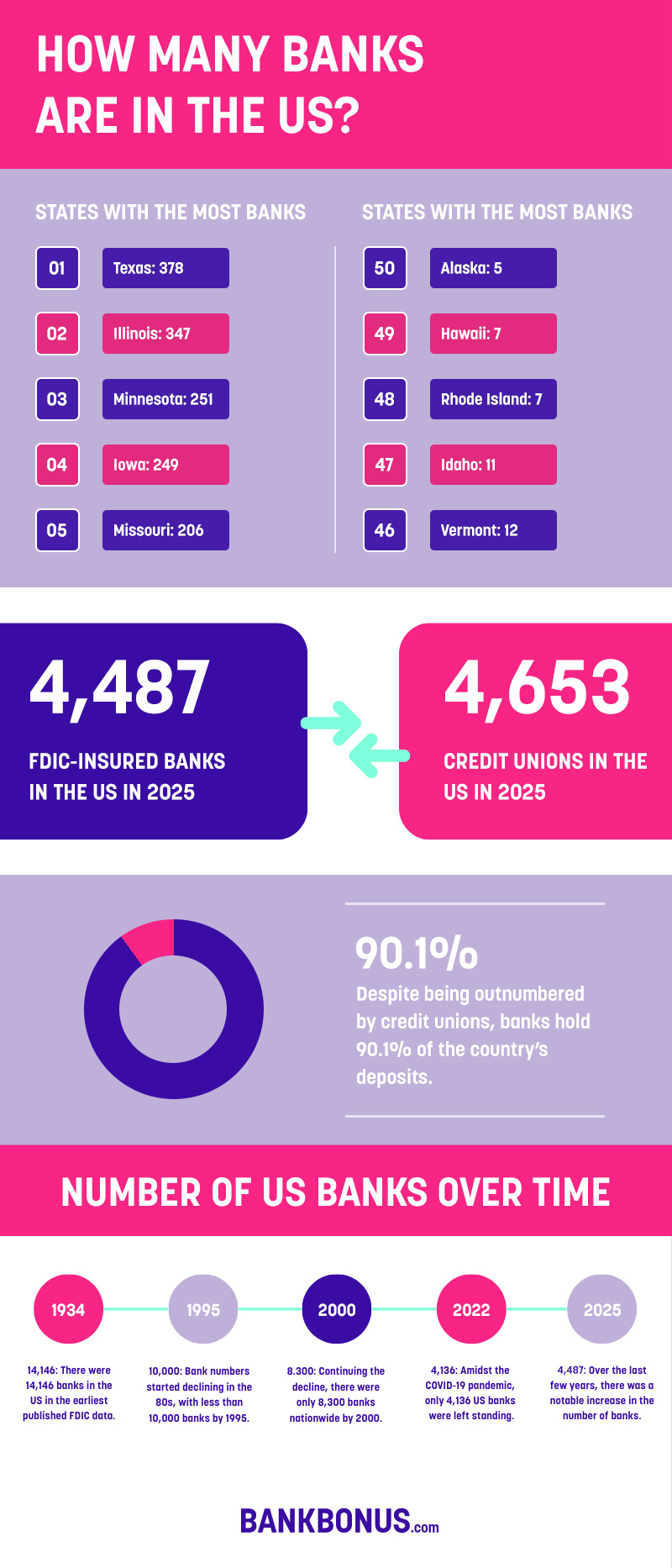
Historically, the U.S. boasted tens of thousands of individual banks. In the 1920s, for instance, there were over 30,000 banks. This high number was partly due to less stringent regulatory environments and a financial system that encouraged localized banking. Each small town often had its own bank, deeply intertwined with the local economy. The Great Depression led to a wave of bank failures, significantly reducing the count, but the number rebounded somewhat in subsequent decades.
However, the late 20th and early 21st centuries ushered in a new era. Driven by deregulation, technological advancements, and economic pressures, the industry began a pronounced period of consolidation. The number of FDIC-insured commercial banks and savings institutions, which is the primary metric for traditional banks, has been steadily declining for decades. This downward trend reflects a broader shift towards efficiency, scale, and the ability to compete in an increasingly globalized and digital world.
Consolidation: The Trend of Fewer, Larger Banks
The primary driver behind the declining number of banks is consolidation through mergers and acquisitions (M&A). Larger banks frequently acquire smaller ones to expand their market share, gain access to new customer bases, achieve economies of scale, and eliminate competition. This process has resulted in a banking sector where a handful of megabanks hold a significant portion of the nation’s assets, alongside thousands of smaller, community-focused institutions.
While this trend has led to increased stability in some respects, it also raises questions about competition, consumer choice, and the availability of specialized services that smaller banks are often better equipped to provide. The debate about the optimal number and size of banks continues to be a central theme in financial policy discussions.
The Current Snapshot: A Look at the Latest Figures
As of recent data (typically provided by the FDIC, which insures most U.S. banks), the number of FDIC-insured commercial banks and savings institutions hovers around 4,500 to 4,700. It’s crucial to note that this figure is constantly in flux due to ongoing mergers, new charters, and occasional failures. This number represents a significant decrease from the roughly 14,000 institutions present in the mid-1980s.
This figure predominantly refers to traditional commercial banks and savings institutions. However, the broader financial landscape includes other types of institutions that also provide banking-like services, which we will explore next, demonstrating that the answer to “how many banks” depends significantly on how one defines “bank.”
Beyond the Traditional: Categories of Financial Institutions
When we discuss “banks” in the USA, it’s essential to recognize that the term encompasses a variety of entities, each with distinct structures, missions, and regulatory frameworks. Understanding these distinctions provides a more comprehensive picture of the financial services available.
Commercial Banks: The Backbone of American Finance
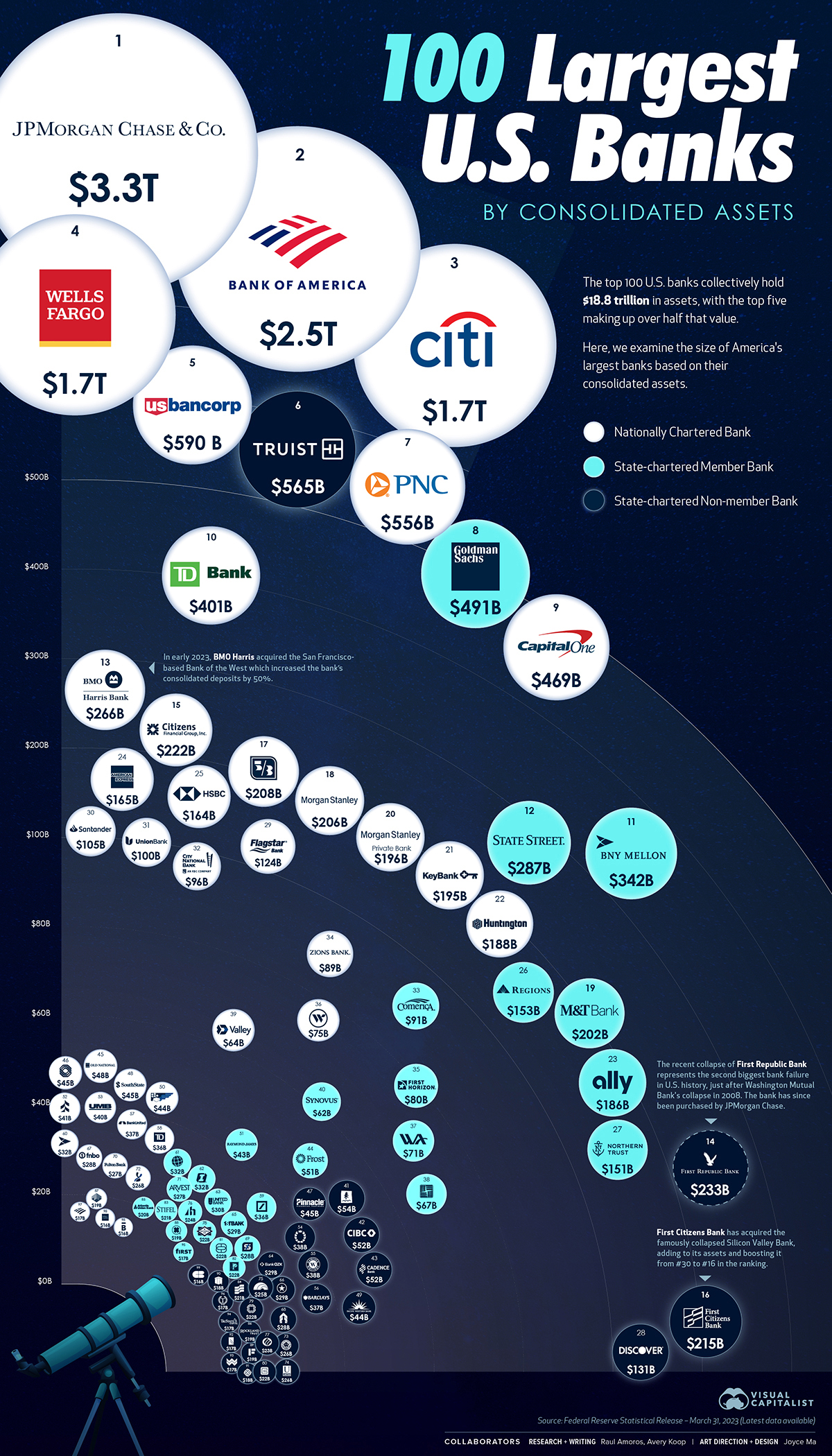
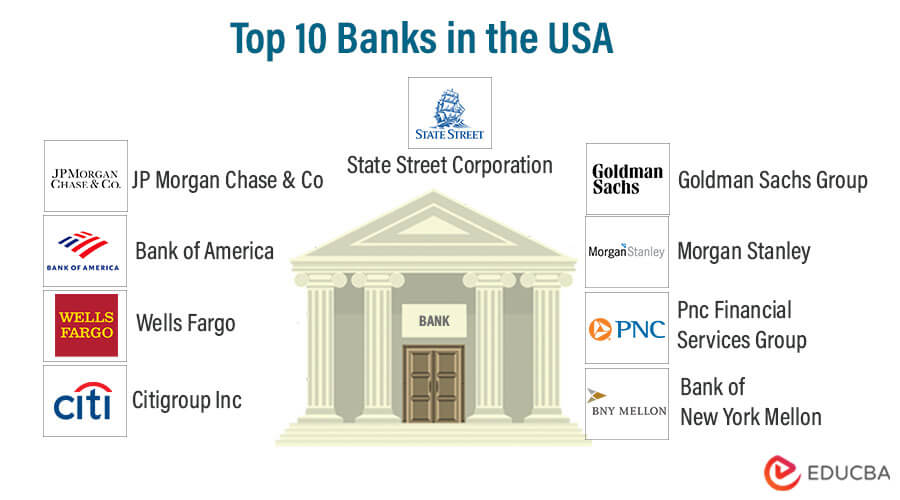
These are the most common type of financial institution and what most people envision when they think of a “bank.” Commercial banks are typically for-profit corporations that offer a wide range of services to individuals, businesses, and government entities. These services include checking and savings accounts, loans (mortgages, auto, business), credit cards, wealth management, and often investment services. They vary immensely in size, from global behemoths like JPMorgan Chase and Bank of America to regional banks and thousands of smaller community banks that serve specific localities. Their primary goal is to generate profit for their shareholders.
Credit Unions: Member-Owned Alternatives
Credit unions are distinct from commercial banks in their ownership structure and mission. They are non-profit financial cooperatives owned by their members. Instead of generating profits for shareholders, credit unions aim to provide financial services to their members at competitive rates, often offering lower fees on accounts and loans, and higher interest rates on savings, compared to commercial banks. Membership is typically based on a common bond, such as employment at a particular company, residence in a specific community, or affiliation with an organization. Credit unions are insured by the National Credit Union Administration (NCUA), a U.S. government agency. There are approximately 5,000 to 5,200 credit unions in the U.S., a number that has also seen some consolidation but remains robust.
Online-Only Banks: The Digital Frontier
The rise of the internet and digital technology has given birth to a new category of financial institutions: online-only banks (also known as neobanks or challenger banks). These institutions operate exclusively online, without physical branches. They leverage technology to offer streamlined services, often with lower fees and higher interest rates due to reduced overhead costs. Many are FDIC-insured, either directly or through partnerships with traditional banks, providing the same level of security as brick-and-mortar institutions. Examples include Ally Bank, Discover Bank, and Chime. While some are technically divisions of larger commercial banks, others are stand-alone entities, adding to the competitive landscape without necessarily increasing the count of unique FDIC-insured charters in the same way traditional banks do. However, their proliferation expands consumer choice significantly.
Other Key Players: Investment Banks and Non-Bank Lenders
Beyond these core categories, the U.S. financial system includes other critical players. Investment banks (e.g., Goldman Sachs, Morgan Stanley) primarily focus on capital markets, underwriting, M&A advisory, and trading for corporations and institutions, rather than traditional consumer banking. Non-bank lenders (e.g., mortgage companies, fintech lenders, peer-to-peer lending platforms) offer specific financial products but do not accept deposits, meaning they are not considered “banks” in the traditional sense and are regulated differently. While not increasing the “bank count,” these entities significantly broaden the financial services available in the U.S.
Drivers of Change: Factors Shaping Bank Numbers
The number of banks in the USA is not an arbitrary figure; it’s a dynamic outcome influenced by a confluence of economic, regulatory, and technological forces. Understanding these drivers helps explain the past trends and predict future directions of the banking industry.
Regulatory Environment: Impact of Dodd-Frank and Deregulation
Government regulation plays a monumental role in shaping the banking landscape. Periods of deregulation, such as the 1980s and 1990s, often facilitated M&A activity and the expansion of bank services across state lines, contributing to consolidation. Conversely, significant financial crises typically lead to increased regulation. The 2008 financial crisis, for instance, spurred the passage of the Dodd-Frank Wall Street Reform and Consumer Protection Act. Dodd-Frank aimed to increase stability and consumer protection by imposing stricter capital requirements, oversight, and reporting for banks, especially larger ones. While necessary for stability, some argue that these regulations disproportionately burdened smaller community banks, making it harder for them to compete and sometimes leading to their acquisition or exit from the market. Subsequent efforts to tailor or ease certain aspects of Dodd-Frank have also influenced the environment, though the core framework remains.
Economic Cycles and Financial Crises
Economic downturns and financial crises have historically been powerful catalysts for change in the banking sector. During periods of recession or crisis, weaker banks may fail, or healthier banks may acquire distressed institutions at lower valuations. The Savings and Loan crisis of the 1980s and the 2008 financial crisis both led to significant consolidation and a reduction in the number of independent financial institutions. Conversely, periods of sustained economic growth can encourage new bank charters, though this has been a less prominent trend in recent decades due to other prevailing forces.
Technological Advancements and Fintech Disruptions
Technology is perhaps the most transformative force impacting banking today. The internet, mobile banking, and advanced analytics have dramatically altered how financial services are delivered and consumed. This has several implications for bank numbers:
-
Reduced need for physical branches: Lower overhead for digital-first models.
-
Increased competition from FinTechs: Non-bank technology companies offering payments, lending, and investment services challenge traditional banks.
-
Facilitating economies of scale: Larger banks can invest more heavily in technology, creating cost advantages.
-
Rise of online-only banks: As mentioned, these entities operate with different cost structures and reach, adding a new dimension to the competitive landscape.
Technology lowers barriers to entry for certain services while simultaneously raising the bar for traditional banks to remain competitive, often favoring larger institutions with greater resources for technological investment.
Mergers, Acquisitions, and Market Dynamics
As previously discussed, M&A activity is the most direct cause of the declining bank count. Banks merge or acquire others for various strategic reasons:
-
Market expansion: Gaining new geographic territories or customer segments.
-
Cost reduction: Eliminating redundant operations and achieving economies of scale.
-
Product diversification: Acquiring institutions with specialized offerings.
-
Shareholder value: Increasing profitability and market capitalization.
These market dynamics, driven by competitive pressures and the pursuit of efficiency, continually reshape the structure and composition of the U.S. banking industry.
The Significance of Bank Count: What It Means for You and the Economy
The total number of financial institutions in a country might seem like a dry statistic, but it carries profound implications for individuals, businesses, and the overall economic health and stability of the nation.
Consumer Choice and Competition
A diverse banking landscape, characterized by a healthy number of institutions of varying sizes, generally benefits consumers. More banks mean more competition, which can translate into:
-
Lower fees: Banks compete by reducing account maintenance fees, ATM charges, and other service costs.
-
Better interest rates: Both on savings accounts (higher yields) and loans (lower rates).
-
Wider range of products and services: Institutions innovate to attract and retain customers, offering tailored solutions for different needs.
-
Improved customer service: Banks strive to differentiate themselves through service quality.
Conversely, a highly concentrated banking sector with fewer, larger players could potentially lead to less competitive pricing, fewer specialized services, and a more uniform, potentially less responsive, customer experience. While large banks offer convenience and extensive networks, smaller community banks often provide more personalized service and a deeper understanding of local economies.
Access to Capital and Economic Development
Banks are the primary conduits for capital within an economy. They channel savings from depositors into loans for businesses, homebuyers, and individuals. The number and type of banks significantly impact access to this capital:
-
Small Business Lending: Community banks are often disproportionately vital for small business lending, possessing the local knowledge and relationships to assess risk and support local enterprises. A decline in their numbers can impact entrepreneurial activity in certain regions.
-
Mortgage Lending: A robust network of lenders ensures competitive mortgage rates and diverse options for homebuyers.
-
Local Economic Resilience: A healthy local banking presence can make communities more resilient to economic shocks, as local institutions are often more willing to reinvest in their immediate surroundings.
Financial Stability and Risk Management
While a high number of banks can indicate fragmentation, a very low number due to extreme consolidation also poses risks. A system dominated by a few “too big to fail” institutions can present systemic risk, meaning the failure of one giant bank could trigger a cascade throughout the entire financial system. Regulators constantly grapple with the balance between fostering competition and ensuring stability. The presence of a diverse set of institutions, including smaller banks and credit unions, can distribute risk and provide alternative channels for financial services, contributing to overall systemic resilience.
Navigating the Modern Banking Ecosystem: Choosing Your Financial Partner
Given the dynamic and diverse nature of the U.S. banking landscape, choosing the right financial institution is a personal decision that requires careful consideration of individual needs and preferences.
Assessing Your Needs: Traditional vs. Digital
Before selecting a bank, evaluate what you need most:
-
Branch Access: Do you frequently need to visit a physical branch for cash deposits, in-person advice, or to resolve complex issues? Traditional banks with extensive branch networks might be ideal.
-
Digital Convenience: Are you comfortable managing your finances entirely online or via a mobile app? Online-only banks often offer superior digital tools and customer experience.
-
Personalized Service: Do you value a direct relationship with your banker and a deep understanding of your local community? Community banks and credit unions often excel in this area.
-
Specific Products: Are you looking for a particular type of loan, investment product, or specialized business banking service? Some institutions specialize in certain offerings.
Understanding Services and Fees
Always compare the fees associated with different accounts and services. These can include monthly maintenance fees, ATM fees, overdraft fees, and foreign transaction fees. Look at interest rates offered on savings accounts and Certificates of Deposit (CDs), and compare loan rates. Transparency in fees and competitive rates are hallmarks of a good financial partner. Many online banks and credit unions are known for their lower fee structures.
The Role of Technology in Your Banking Decisions
Modern banking is increasingly digital. Consider the quality of a bank’s online platform and mobile app. Features like mobile check deposit, bill pay, budgeting tools, instant notifications, and robust security measures are now standard expectations. Ensure the institution’s technology aligns with your comfort level and desire for digital convenience. For those seeking cutting-edge tools and seamless digital experiences, online-only banks or tech-forward traditional banks might be the best fit.
In conclusion, the question of “how many banks are in the USA” reveals a story of an industry in constant flux. While the absolute number of traditional institutions has declined due to consolidation, the ecosystem of financial service providers has expanded to include a robust network of credit unions, innovative online banks, and specialized lenders. This rich tapestry of options, though shaped by powerful economic and regulatory forces, ultimately empowers American consumers and businesses to find financial partners that best suit their unique needs, driving competition and innovation across the nation.
aViewFromTheCave is a participant in the Amazon Services LLC Associates Program, an affiliate advertising program designed to provide a means for sites to earn advertising fees by advertising and linking to Amazon.com. Amazon, the Amazon logo, AmazonSupply, and the AmazonSupply logo are trademarks of Amazon.com, Inc. or its affiliates. As an Amazon Associate we earn affiliate commissions from qualifying purchases.