
Understanding the intricate dynamics of airline loyalty programs is no longer just a hobby for travel enthusiasts; it’s a crucial component of savvy personal finance. In an era where every dollar counts, leveraging rewards like American Airlines AAdvantage miles can significantly reduce travel expenses, allowing for more frequent trips or upgrades to more comfortable classes. This guide delves into the financial intricacies of determining “how many American Airlines miles to fly,” offering insights and strategies for maximizing the value of your hard-earned miles and integrating them into a robust travel financial plan. It’s about transforming a seemingly simple question into a sophisticated financial equation, helping you make informed decisions that benefit your wallet and your wanderlust.
Deconstructing the AAdvantage Program: Your Financial Toolkit for Travel
At its core, the American Airlines AAdvantage program is a sophisticated financial instrument designed to reward customer loyalty. For the astute traveler, it represents a substantial opportunity to offset significant travel costs. Understanding its fundamental components is the first step towards effectively managing and maximizing your mile investments.
The Core Currency: AAdvantage Miles Explained
AAdvantage miles are the primary currency of the program, earned through flying American Airlines and its partners, using co-branded credit cards, and engaging with various partners for everyday spending. These miles can then be redeemed for flights, upgrades, car rentals, hotel stays, and more. However, their most significant financial utility lies in flight redemptions. Unlike a fixed currency, the “value” of an AAdvantage mile is dynamic, fluctuating based on how and when it’s redeemed. Savvy financial planning involves not just accumulating miles, but understanding their potential redemption value (often measured in Cents Per Mile, or CPM) to ensure you’re getting a good return on your loyalty. A low CPM can indicate a poor redemption, akin to a bad investment, while a high CPM signifies exceptional value.
Beyond Miles: Understanding Loyalty Points and Elite Status
While miles are the redemption currency, Loyalty Points (LPs) are the metric American Airlines uses to determine elite status. LPs are earned similarly to miles but serve a different financial purpose. Achieving elite status – Gold, Platinum, Platinum Pro, or Executive Platinum – unlocks a suite of benefits that directly translate into financial savings and enhanced travel experiences. These perks include complimentary upgrades, preferred seating, waived baggage fees, priority boarding, and bonus miles on paid flights. From a financial perspective, elite status can save hundreds, if not thousands, of dollars annually on travel expenses (e.g., avoiding checked bag fees on multiple trips) and provide access to more valuable redemption opportunities (e.g., better award availability). Therefore, strategically earning LPs, in addition to miles, is an integral part of an overarching travel finance strategy.
Fixed vs. Dynamic Pricing: The Shifting Value of Your Miles
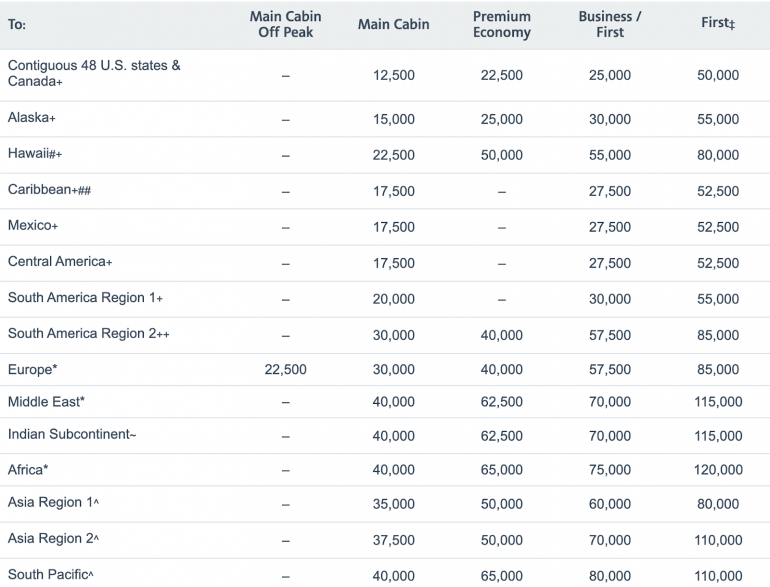
Historically, airline loyalty programs relied on fixed award charts, where a flight between two zones cost a predetermined number of miles. This provided transparency and predictability for financial planning. American Airlines, like many carriers, has largely transitioned to a dynamic pricing model for many of its award flights, particularly those operated by American Airlines itself. This means the number of miles required for a flight can fluctuate wildly, often mirroring the cash price of a ticket. For the financially minded traveler, this shift introduces both challenges and opportunities. While it makes “sweet spots” harder to find, it also means that during periods of low demand or sales, mile redemption rates can be incredibly low, offering exceptional value. Conversely, peak travel times will demand a significantly higher mile outlay. Partner airline redemptions, however, often still adhere to a more fixed-chart structure, offering a predictable and frequently higher CPM for international premium cabin travel.
Key Financial Variables Influencing Your Mile Cost
Determining the exact number of miles needed for a flight is rarely straightforward. Several financial variables play a significant role, impacting both the direct mile cost and the overall value you extract from your AAdvantage balance. Understanding these factors is crucial for making financially optimal travel decisions.
Destination and Distance: The Geographic Impact on Miles
The distance and popularity of your chosen destination are primary determinants of mile cost. Longer-haul flights, particularly international ones, naturally require more miles. However, the exact number isn’t purely linear. Certain regions or popular routes may be priced differently. For partner airline redemptions, geographical zones often define the mile requirement, offering clearer benchmarks. Financially, it’s essential to compare the mile cost for a given destination against its cash price to calculate your CPM and ensure you’re getting good value. Sometimes a shorter, less popular route might offer a surprisingly poor redemption rate, while a longer, more expensive cash flight might be a mile “bargain.”
Cabin Class: Economy vs. Business/First Class Redemption Value
The choice of cabin class profoundly impacts the number of miles required. Economy class redemptions demand the fewest miles but often yield a lower CPM, as cash tickets are generally cheaper. Business and First Class redemptions, while requiring significantly more miles, frequently offer a much higher CPM. This is because the cash price difference between economy and premium cabins can be astronomical, making mile redemptions for premium travel a highly effective way to extract maximum financial value from your miles. For a budget-conscious traveler, the decision comes down to trade-offs: more frequent economy travel versus fewer, but more luxurious, premium experiences. Analyzing the cash price difference versus the mile difference is key to making a financially sound decision for your travel goals.
Date and Demand: Navigating Peak Travel and Off-Peak Savings
Just as with cash tickets, the date and time of your travel profoundly influence mile requirements. Peak travel seasons (holidays, summer, major events) and high-demand days (Fridays, Sundays) will almost always demand more miles due to dynamic pricing. Conversely, off-peak travel, mid-week flights, or red-eyes can often be secured for significantly fewer miles. From a financial perspective, flexibility with travel dates is perhaps the most powerful tool for maximizing your miles. Being able to shift your departure or return by even a day or two can result in hundreds, or even thousands, of miles saved, effectively stretching your travel budget further. This is where a proactive and flexible approach to travel planning yields tangible financial benefits.
Partner Airlines: Unlocking More Redemption Opportunities (and Costs)
American Airlines is a member of the Oneworld Alliance, granting AAdvantage members access to an extensive network of partner airlines like British Airways, Cathay Pacific, Japan Airlines, Qantas, and Qatar Airways. Redeeming miles on partner airlines often follows a more structured award chart, which can present excellent financial value, especially for international premium cabin travel. While American Airlines’ own flights often use dynamic pricing, partner awards can offer fixed, and sometimes very attractive, rates. However, availability can be limited, and partner awards may incur higher taxes and fuel surcharges, particularly with certain carriers (e.g., British Airways). It’s crucial to factor these additional cash costs into your overall financial assessment when comparing partner redemptions against American Airlines’ own flights. Sometimes, a slightly higher mile cost with AA might mean lower cash out-of-pocket, making it a better financial choice.
Strategies for Maximizing Your AAdvantage Mile Investments
Accumulating miles is only half the battle; the true financial genius lies in strategic redemption. Treating your AAdvantage miles as a valuable investment requires a proactive approach to ensure you’re getting the best possible return.
Identifying “Sweet Spots” and High-Value Redemptions
While American Airlines’ dynamic pricing makes “sweet spots” on their own metal harder to pinpoint, they still exist, particularly for shorter domestic flights where the cash price is disproportionately high, or during rare promotional sales. The real sweet spots, from a financial perspective, often lie with partner airlines, especially for international business and first class travel. For example, redeeming AAdvantage miles for Qatar Airways Qsuites or Japan Airlines First Class can yield an exceptionally high CPM, often 5 cents or more per mile, turning a several-thousand-dollar flight into a manageable mile redemption. Researching published partner award charts and comparing them against typical cash prices for those routes and cabins is a critical financial exercise. This ensures you’re extracting maximum value for your miles, akin to finding an undervalued asset in financial markets.
Leveraging Loyalty Programs and Credit Card Benefits
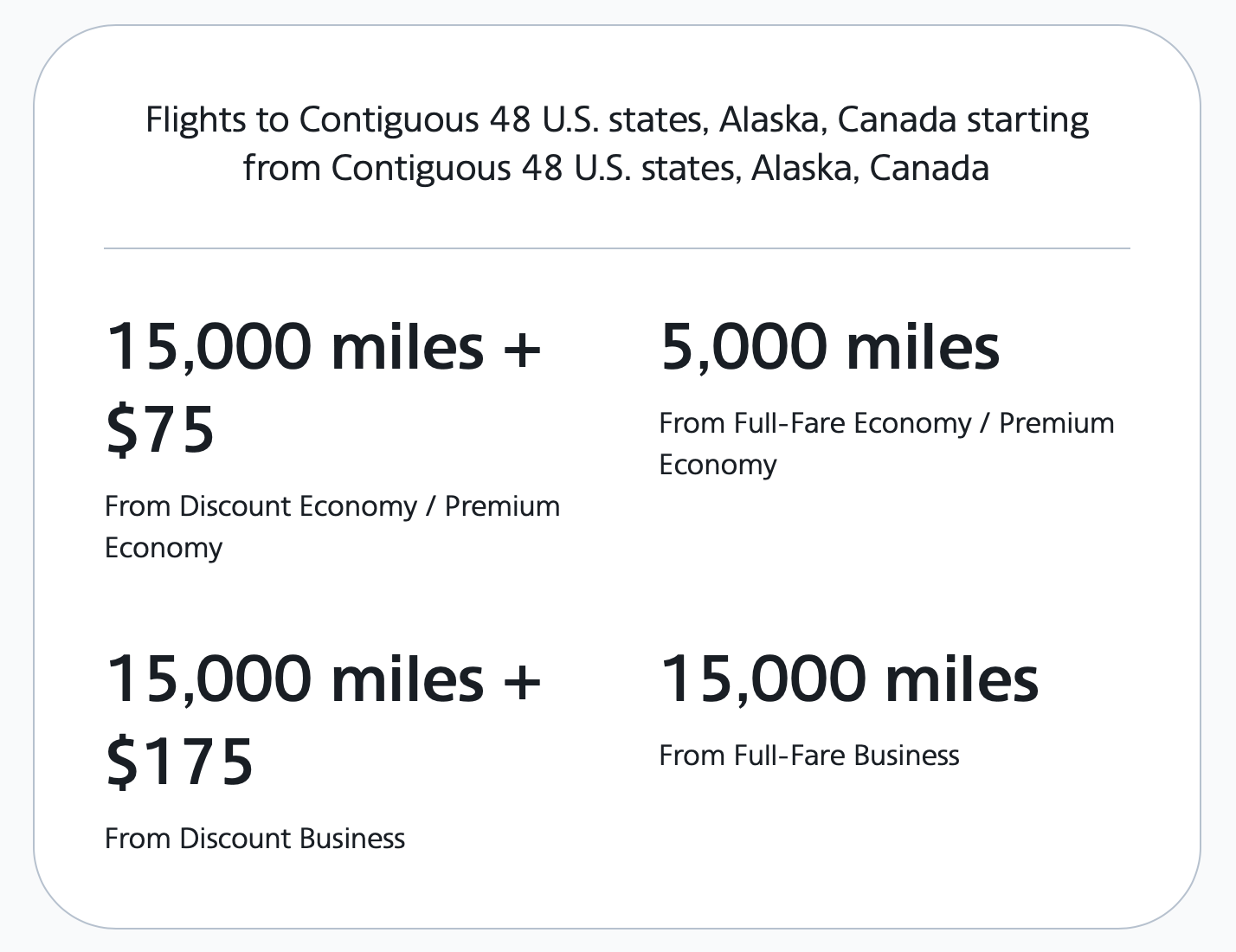
Co-branded credit cards are arguably the most efficient way to accumulate American Airlines miles. Cards like the AAdvantage Executive World Elite Mastercard or the AAdvantage Platinum Select World Elite Mastercard offer substantial sign-up bonuses, category spending bonuses (e.g., 2x miles on AA purchases, groceries), and valuable perks like free checked bags and priority boarding, which directly translate to financial savings. Furthermore, strategic use of credit cards to meet minimum spending requirements for bonuses, or aligning spending with bonus categories, accelerates mile accumulation. Integrating these cards into your everyday spending strategy is a cornerstone of responsible financial management for travelers, ensuring that every dollar spent earns you rewards that fuel your travel aspirations.
Strategic Earning: From Everyday Spending to Targeted Promotions
Beyond credit cards, there are numerous avenues to strategically earn AAdvantage miles. This includes shopping portals (AAdvantage eShopping), dining programs (AAdvantage Dining), and partner offers (e.g., car rentals, hotels). Participating in these programs, especially when they offer bonus miles for specific merchants or activities, can significantly boost your mileage balance without extra cost. Furthermore, American Airlines frequently runs targeted promotions, such as bonus miles for specific flight routes or mileage purchase sales. A financially astute traveler stays informed about these opportunities, evaluating their potential return on investment before participating. For instance, purchasing miles during a 100% bonus sale might make financial sense if you have an immediate high-value redemption in mind that you wouldn’t otherwise be able to afford.
The Cents Per Mile (CPM) Metric: Valuing Your Redemptions
The Cents Per Mile (CPM) calculation is a fundamental financial tool for any AAdvantage member. It helps you quantify the value you’re getting from each mile spent. The formula is simple: (Cash Price of Flight – Taxes/Fees) / Number of Miles Required * 100. A generally accepted good redemption value for American Airlines miles is anything above 1.5-2.0 CPM, with premium cabin redemptions often pushing 3-5 CPM or even higher. Regularly calculating CPM allows you to assess whether a particular redemption is a “good deal” or if you should save your miles for a better opportunity. This analytical approach transforms mile redemption from a guessing game into a data-driven financial decision.
Navigating the Redemption Process for Optimal Financial Outcomes
The process of redeeming miles for flights can be complex, but with strategic planning and an understanding of the financial implications, you can optimize your outcomes and ensure your miles are used to their fullest potential.
Flexibility is King: Saving Miles by Adjusting Travel Dates
As noted, dynamic pricing means that being flexible with your travel dates is the single most effective way to save miles. Searching for flights a few days before or after your initial desired dates, or exploring different days of the week, can reveal significantly cheaper award options. Using American Airlines’ flexible date search tool (if available) or simply browsing month by month can uncover these hidden gems. This flexibility represents a direct financial saving, allowing you to either spend fewer miles for the same trip or use the saved miles for another journey. It’s a fundamental principle of financial savvy in the world of travel rewards.
Utilizing Search Tools and Alerts for Award Availability
Finding award availability, particularly for popular routes or premium cabins on partner airlines, can be challenging. Leveraging online search tools like the American Airlines website (for AA flights and some partners), or specialized tools like ExpertFlyer or Award Nexus (for more advanced partner award searches), is crucial. Setting up alerts for specific routes and dates can notify you when award seats open up, ensuring you don’t miss out on high-value redemptions. Proactive searching and the use of these tools are essential for securing optimal mile redemptions and avoiding the financial disappointment of inflated mile costs or missed opportunities.
Understanding Taxes, Fees, and Surcharges on Award Tickets
While redeeming miles significantly reduces the cost of airfare, you will almost always be responsible for paying taxes, government-imposed fees, and potentially fuel surcharges. These can vary significantly by route, airline, and country. For instance, flights originating in the UK often carry substantial departure taxes, and certain partner airlines (like British Airways) are notorious for high fuel surcharges on award tickets. Before committing to a redemption, carefully review the cash portion of the award ticket. A seemingly low mile cost might be offset by high out-of-pocket fees, diminishing the overall financial value of the redemption. Always factor these cash costs into your CPM calculation for a true financial picture.
When to Buy Miles vs. Redeem: A Cost-Benefit Analysis
American Airlines frequently sells miles, often with bonuses that can reach 100% (doubling the number of miles purchased). While generally not advisable to buy miles speculatively, there are specific financial scenarios where it makes sense. If you are just short of miles for a high-value redemption (e.g., a premium international flight where your CPM would be significantly higher than the cost of buying miles), purchasing the necessary miles can be a financially sound decision. Calculate the cost of buying the miles needed and compare it to the overall value of the redemption. If the CPM you achieve is higher than the per-mile cost of buying them, it can be a wise move. This requires a careful cost-benefit analysis, treating mile purchases as a direct financial transaction.
American Airlines Miles: A Core Component of Your Travel Financial Strategy
Integrating American Airlines AAdvantage miles into your broader financial strategy is about more than just booking flights; it’s about optimizing your travel budget, understanding opportunity costs, and safeguarding your future travel options.
Integrating Miles into a Broader Travel Budget
For many, travel is a significant discretionary expense. By strategically earning and redeeming AAdvantage miles, you can effectively reduce the cash outlay for flights, freeing up funds for accommodation, experiences, or other financial goals. This integration requires a conscious effort to track your mile balance, monitor redemption values, and plan your travel with both cash and miles in mind. It’s about creating a balanced travel budget where miles complement your cash expenditures, allowing for more ambitious travel plans or simply making travel more accessible within your financial constraints.
The Opportunity Cost of Miles: Cash vs. Redemption
Every time you redeem miles, there’s an opportunity cost. You’re foregoing the option of using those miles for a different trip, or the potential cash savings you could have realized if you paid cash and saved your miles for a higher-value redemption. Conversely, paying cash for a flight when you have a significant mile balance means you’re foregoing the opportunity to save that cash for other investments or expenses. Understanding this delicate balance is key to sophisticated financial management of your travel rewards. It involves consistently evaluating whether a given redemption offers the best possible return on your mile investment at that particular time.

Future-Proofing Your Mile Stash: Avoiding Devaluation Risks
Airline loyalty programs are dynamic, and devaluations—where the same flight suddenly requires more miles—are an unfortunate but common reality. While American Airlines miles generally do not expire as long as you have qualifying activity every 24 months, their value can diminish over time. To future-proof your mile stash, it’s generally advisable to “earn and burn” – accumulate miles with a specific redemption goal in mind and use them within a reasonable timeframe. Avoiding speculative hoarding of miles mitigates the financial risk of a devaluation eroding the purchasing power of your valuable loyalty currency. Stay informed about program changes, and be prepared to act quickly if a devaluation is announced.
In conclusion, answering “how many American Airlines miles to fly” is far more complex than a simple number. It’s a multi-faceted financial question requiring a deep understanding of program mechanics, strategic planning, and continuous evaluation of value. By treating your AAdvantage miles as a valuable financial asset, leveraging smart earning and redemption strategies, and staying attuned to market dynamics, you can transform your travel dreams into tangible, financially optimized realities. This approach not only saves money but also empowers you to explore the world on your terms, making every mile count.
aViewFromTheCave is a participant in the Amazon Services LLC Associates Program, an affiliate advertising program designed to provide a means for sites to earn advertising fees by advertising and linking to Amazon.com. Amazon, the Amazon logo, AmazonSupply, and the AmazonSupply logo are trademarks of Amazon.com, Inc. or its affiliates. As an Amazon Associate we earn affiliate commissions from qualifying purchases.