
Effective personal finance hinges on a robust budgeting strategy. Far from being a restrictive exercise, budgeting is a powerful tool for achieving financial goals, reducing stress, and building a secure future. It provides a clear roadmap for your income and expenses, ensuring that every dollar serves a purpose. Without a budget, money can feel elusive, disappearing without a trace, leaving you wondering where it all went. This comprehensive guide will explore various approaches to budgeting, practical steps for implementation, and strategies for making it a sustainable part of your financial life.
The Foundation of Financial Control
Before diving into specific methodologies, it’s crucial to understand the fundamental principles that underpin successful budgeting. It’s not just about numbers; it’s about awareness, discipline, and intentionality.
Why Budgeting Matters
Budgeting empowers you to make informed decisions about your money. It sheds light on spending habits, identifies areas for potential savings, and helps prioritize financial objectives, whether that’s paying off debt, saving for a down payment, investing for retirement, or funding a dream vacation. Beyond mere tracking, a budget transforms passive spending into active financial management, giving you a sense of control and clarity. It acts as a preventive measure against financial surprises and can be the cornerstone of building wealth over time. Moreover, it fosters financial literacy, teaching you the true cost of living and the value of your earnings.
Understanding Your Financial Landscape
The first step in any budgeting journey is to gain a clear picture of your current financial situation. This involves a thorough review of your income and expenses. Calculate your net monthly income from all sources – salary, freelance work, investments, etc. Then, list all your fixed expenses (rent/mortgage, loan payments, subscriptions, insurance) and variable expenses (groceries, utilities, entertainment, transportation). Categorizing these expenditures provides invaluable insight into where your money is currently going. Many people are surprised to discover how much they spend on discretionary items once they see the actual figures laid out. This initial assessment is not about judgment but about understanding the baseline from which you will build your budget.
Core Budgeting Methodologies
There isn’t a one-size-fits-all approach to budgeting. Different methods suit different personalities and financial situations. The key is to find a system that resonates with you and that you can consistently maintain.
The 50/30/20 Rule
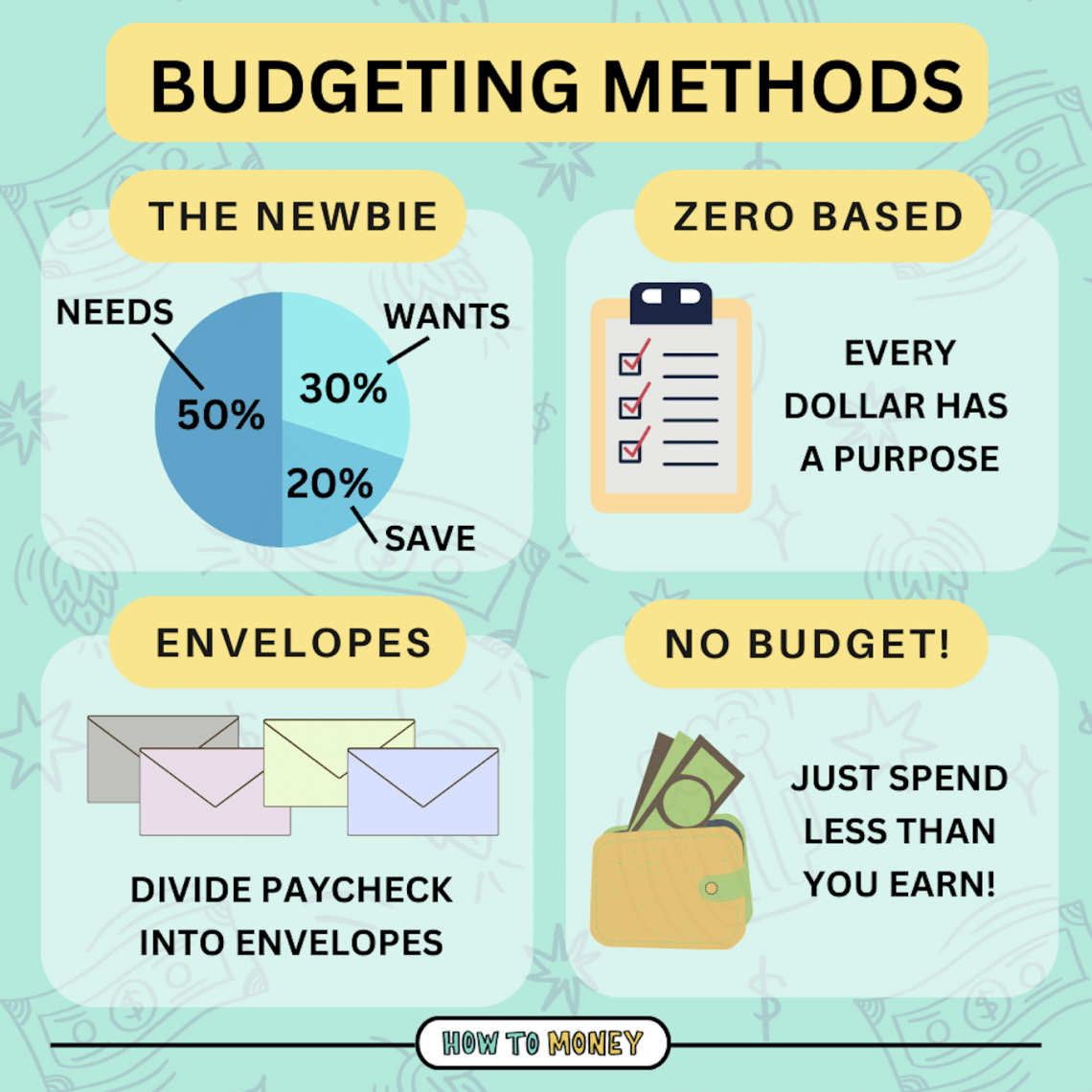
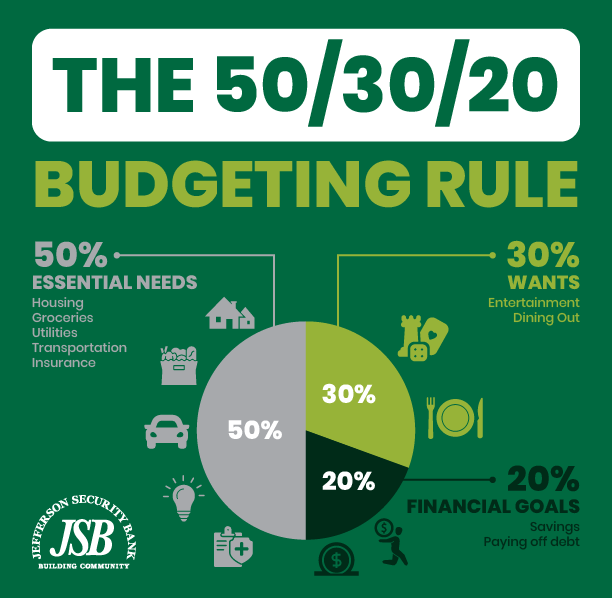
Popularized by Senator Elizabeth Warren, this simple yet effective rule suggests allocating your after-tax income into three broad categories:
- 50% for Needs: This includes essential expenses like housing, utilities, groceries, transportation, insurance, and minimum loan payments.
- 30% for Wants: This covers discretionary spending that improves your quality of life but isn’t strictly necessary. Examples include dining out, entertainment, hobbies, vacations, and shopping.
- 20% for Savings & Debt Repayment: This portion is dedicated to building an emergency fund, investing for retirement, making extra payments on high-interest debt, or saving for specific goals.
The 50/30/20 rule is excellent for beginners because of its simplicity and flexibility. It provides a broad framework without requiring meticulous tracking of every single dollar.
Zero-Based Budgeting
Zero-based budgeting demands that every dollar of your income be assigned a specific job. This means that your income minus your expenses should equal zero at the end of each budgeting period (typically a month). Instead of just tracking what you spent, you’re planning where every dollar will go before the month even begins. This method involves listing all income and then allocating specific amounts to housing, food, transportation, savings, debt payments, and even discretionary spending like entertainment or coffee. The benefit is extreme clarity and control, as no money is left unaccounted for. It requires more effort upfront but can be incredibly effective for those who want tight control over their finances and to eliminate “mystery spending.”
Envelope System
A classic and tangible method, the envelope system involves physically dividing cash into envelopes for different spending categories. Once the cash in an envelope is gone for the month, you stop spending in that category. This system is particularly effective for controlling variable expenses like groceries, dining out, or entertainment, where overspending is common. While traditionally cash-based, a modern adaptation can involve using separate bank accounts or virtual “envelopes” within budgeting apps to mimic the physical separation of funds. The immediate feedback of seeing money deplete from an envelope can be a powerful psychological deterrent against impulsive spending.
Pay Yourself First
This strategy prioritizes saving and investing. Instead of saving what’s left over after expenses, you automate transfers to your savings or investment accounts immediately after receiving your paycheck. The underlying philosophy is that if you don’t see the money in your checking account, you’re less likely to spend it. This method works well in conjunction with other budgeting techniques, ensuring that your long-term financial goals are consistently met before other demands compete for your income. It instills discipline and consistency in building wealth.
Practical Steps to Building Your Budget
Regardless of the methodology you choose, certain universal steps are crucial for effective budget creation and maintenance.

Track Your Spending Diligently
This is non-negotiable for any budgeting strategy. For at least one to two months, meticulously record every penny you spend. This can be done with a notebook, a spreadsheet, or a budgeting app. The goal is to uncover your true spending habits, identify common leakage points, and understand where adjustments can be made. Many people underestimate their spending on small, daily purchases. Tracking reveals these patterns, which are essential for creating a realistic budget.
Categorize Your Expenses
Once you have your spending data, organize it into logical categories. Common categories include housing, utilities, food (groceries vs. dining out), transportation, debt payments, personal care, entertainment, clothing, and savings. This categorization allows you to see how much you allocate to each area and helps you determine if your spending aligns with your financial priorities and chosen budgeting rule (e.g., 50/30/20).
Set Realistic Goals
Your budget should be tied to specific, measurable, achievable, relevant, and time-bound (SMART) financial goals. Whether it’s saving $5,000 for a down payment in 12 months, paying off a credit card within six months, or contributing an extra $200 to your retirement fund monthly, having clear goals provides motivation and direction for your budgeting efforts. Ensure your budget allocations realistically support these goals without being so restrictive that you feel deprived and abandon the plan.
Automate Savings and Debt Payments
Automation is your ally in budgeting. Set up automatic transfers from your checking account to your savings, investment accounts, or directly to debt payments on your payday. This ensures that your financial goals are met consistently without requiring constant manual effort. By automating, you remove the temptation to spend money before it even reaches your primary spending account, making the “pay yourself first” principle highly effective.
Leveraging Technology and Tools for Budgeting
The digital age offers a plethora of tools to simplify and enhance the budgeting process.
Budgeting Apps and Software
Modern budgeting apps (e.g., Mint, YNAB, Personal Capital, Simplifi) offer robust features like syncing with bank accounts and credit cards, auto-categorization of transactions, goal tracking, and detailed spending reports. These tools can significantly reduce the manual effort of tracking and provide real-time insights into your financial health. Many offer visual dashboards that make it easy to see where your money is going at a glance, helping you identify trends and adjust spending on the fly. Some even offer bill payment reminders and investment tracking, providing a holistic view of your financial picture.
Spreadsheets and Manual Tracking
For those who prefer a more hands-on approach or have complex financial situations, a custom spreadsheet (using Excel or Google Sheets) can be an excellent option. You control the categories, formulas, and visual presentation. Templates are widely available online, or you can build one from scratch. While requiring more manual input, spreadsheets offer unparalleled customization. A simple notebook and pen also remain a viable, low-tech option for tracking expenses, especially for those who find digital tools overwhelming. The best tool is the one you will actually use consistently.
Integrating with Banking Tools
Many banks and credit unions now offer built-in budgeting features within their online banking platforms and mobile apps. These often include spending categorization, budget alerts, and even tools to round up purchases to the nearest dollar and transfer the difference to savings. Leveraging these existing tools can provide an easy entry point into budgeting without needing to adopt a separate third-party application. Check what features your current financial institutions offer, as they may already provide much of the functionality you need.
Maintaining and Adapting Your Budget
Budgeting is not a one-time event; it’s an ongoing process that requires regular review and adaptation. Life changes, and so should your budget.
Regular Review and Adjustment
Schedule a regular time (weekly or monthly) to review your budget. Compare your planned spending against your actual spending. Are you consistently overspending in certain categories? Are there areas where you can reallocate funds? Life events such as a new job, a change in family size, or unexpected expenses will necessitate adjustments. Flexibility is key; don’t be afraid to tweak your budget to make it more realistic and sustainable. A budget that causes constant stress or deprivation is one that is likely to fail.
Handling Unexpected Expenses
Even the most meticulously planned budget can be derailed by unforeseen costs, such as car repairs, medical emergencies, or home maintenance issues. This is where an emergency fund becomes indispensable. Build a buffer of 3-6 months’ worth of living expenses in an easily accessible savings account. When unexpected costs arise, you can draw from this fund without disrupting your regular budget or incurring debt. Adjust your budget temporarily to replenish your emergency fund if it’s utilized.
Celebrating Milestones and Staying Motivated
Budgeting can sometimes feel like a grind, so it’s important to acknowledge your progress and celebrate milestones. Did you stick to your grocery budget for the month? Did you reach a savings goal? Reward yourself (within reason and within your budget, of course!) with a small treat, like a special meal or an item you’ve been wanting. Positive reinforcement helps maintain motivation and reinforces the benefits of your disciplined financial habits. Staying engaged with your financial goals, perhaps by visualizing your progress, can also be a powerful motivator.
In conclusion, “how do you budget your money” is a question with many valid answers, but all paths lead to greater financial literacy and control. By understanding your income and expenses, choosing a suitable budgeting method, leveraging available tools, and committing to regular review, you can transform your relationship with money and build a stable, prosperous financial future.
aViewFromTheCave is a participant in the Amazon Services LLC Associates Program, an affiliate advertising program designed to provide a means for sites to earn advertising fees by advertising and linking to Amazon.com. Amazon, the Amazon logo, AmazonSupply, and the AmazonSupply logo are trademarks of Amazon.com, Inc. or its affiliates. As an Amazon Associate we earn affiliate commissions from qualifying purchases.