
The question “how low will the stock market go?” is arguably one of the most frequently asked, yet least answerable, questions in the financial world during periods of uncertainty. It reflects a deep-seated anxiety among investors, ranging from seasoned professionals to first-time participants, as they witness their portfolios erode during market downturns. The allure of pinpointing the absolute bottom – the precise moment to deploy capital for maximum future gains – is powerful. However, history repeatedly demonstrates that attempting to time the market, especially its absolute nadir, is a fool’s errand for most. Instead, a more pragmatic approach involves understanding the forces that drive market declines, identifying key indicators that signal potential stabilization, and, crucially, adhering to sound investment principles that withstand the test of volatility.
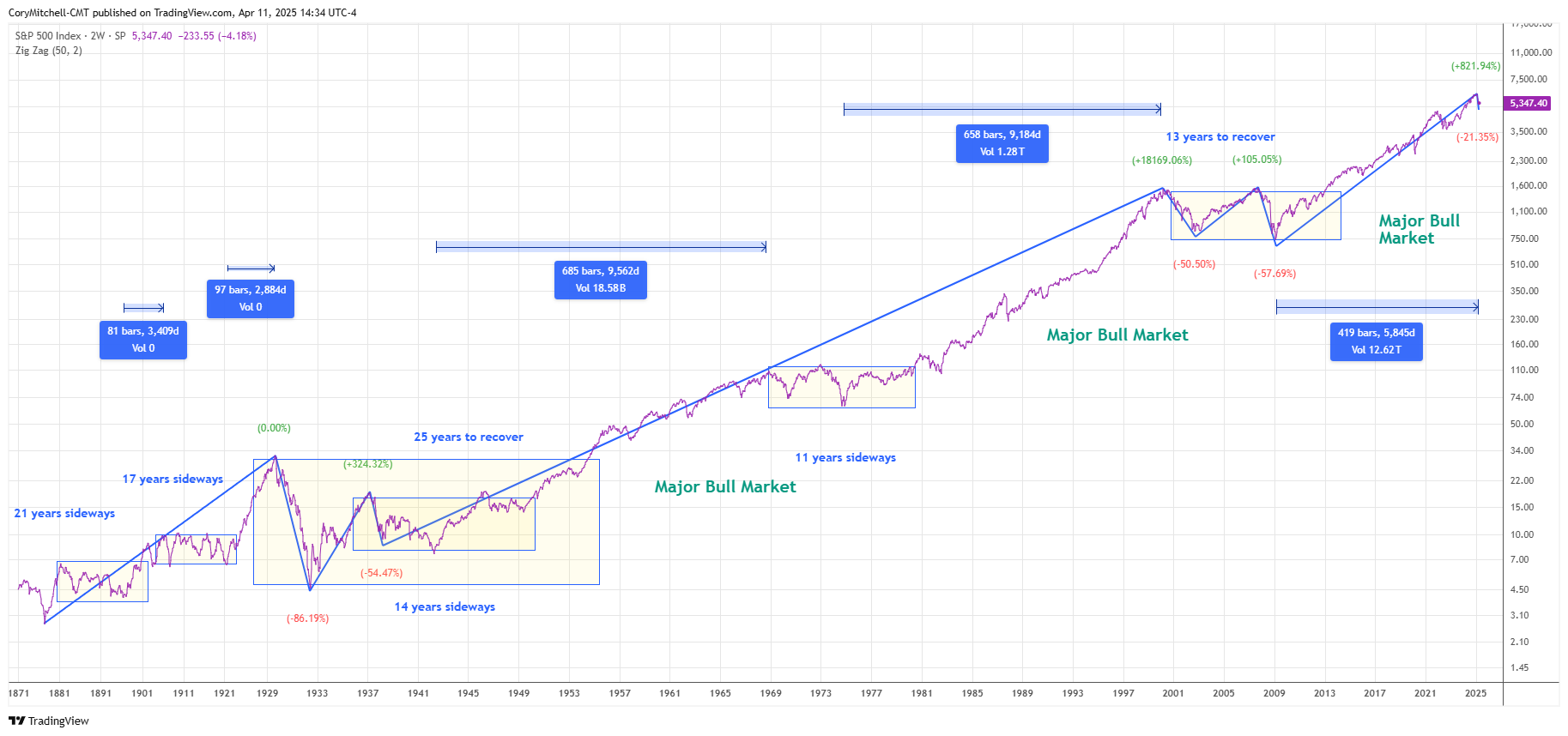
Market corrections and bear markets are not anomalies but rather inherent, albeit challenging, components of the economic cycle. They serve to flush out excesses, re-evaluate valuations, and set the stage for future growth. The real value for investors lies not in predicting the exact floor, but in preparing for market fluctuations, understanding the underlying dynamics, and positioning oneself to capitalize on the eventual recovery. This article will delve into the nature of market downturns, explore the critical economic and financial indicators to monitor, and outline strategic approaches for navigating these turbulent periods with resilience and a long-term perspective.
Understanding Market Corrections and Bear Markets
Before we attempt to gauge “how low,” it’s essential to define what constitutes a significant market decline and distinguish between its various forms. Not all dips are created equal, and understanding the terminology helps to contextualize the current environment and historical precedents.
Differentiating Corrections from Bear Markets
A market correction is typically defined as a decline of 10% to 20% from a recent peak in a broad market index, such as the S&P 500. Corrections are relatively common, occurring on average about once a year, and are often short-lived, with the market usually recovering within a few months. They can be triggered by a variety of factors, including minor economic slowdowns, geopolitical events, or shifts in investor sentiment. While unsettling, corrections are often seen as healthy resets, preventing asset bubbles from inflating too much and allowing for a re-evaluation of company fundamentals.
A bear market, in contrast, is a more severe and prolonged downturn, characterized by a decline of 20% or more from recent highs. Bear markets are less frequent but can be significantly more damaging to portfolios. Historically, bear markets tend to last longer than corrections – often a year or more – and are typically associated with broader economic recessions, significant financial crises, or sustained periods of high inflation and rising interest rates. The psychological impact of a bear market is also more profound, often leading to widespread panic selling and a loss of confidence among investors. Recognizing the distinction between these two phenomena is crucial for setting appropriate expectations and developing a coherent investment strategy.
Common Triggers for Market Declines
Market downturns are rarely triggered by a single factor; more often, they result from a confluence of economic, political, and psychological pressures. Understanding these common triggers provides insight into the potential duration and depth of a decline. One primary trigger is a significant economic slowdown or recession, where corporate earnings decline, unemployment rises, and consumer spending falters. Central bank policies, particularly rising interest rates designed to combat inflation, can also cool down an overheating economy and make borrowing more expensive, impacting corporate profitability and consumer demand. High or persistent inflation erodes purchasing power and corporate margins, further prompting central banks to tighten monetary policy.
Geopolitical events such as wars, trade disputes, or political instability can introduce significant uncertainty, leading investors to flee riskier assets. Asset bubbles, where certain sectors or assets become overvalued based on speculative enthusiasm rather than fundamentals, are another common precursor to a market decline. When these bubbles burst, they can trigger a broader market sell-off. Lastly, investor sentiment plays a critical role. Periods of irrational exuberance can lead to inflated prices, while widespread fear and panic can exacerbate selling pressure, creating a self-fulfilling prophecy of further declines. The interplay of these factors often dictates the severity and trajectory of a market bottom.
Key Indicators and Economic Drivers to Watch
While predicting the exact bottom remains elusive, investors can monitor a range of indicators and economic drivers that historically signal market stabilization or further downside risk. These signals provide a framework for understanding the market’s trajectory and making informed decisions.
Macroeconomic Factors
The broader economic environment provides the most crucial context for stock market performance. Inflation, specifically its trajectory and whether it’s showing signs of moderating, is a paramount concern. Persistent high inflation often compels central banks to maintain restrictive monetary policies, which can weigh on economic growth and corporate earnings. Conversely, a sustained decline in inflation can pave the way for central banks to ease policy, providing a tailwind for markets. Interest rates, particularly the federal funds rate set by the central bank, directly impact borrowing costs for businesses and consumers, influencing investment decisions and economic activity. A pivot from rate hikes to rate cuts, or even a pause, is often interpreted as a positive signal for equity markets.
Gross Domestic Product (GDP) growth indicates the overall health of the economy. A contracting GDP signals a recession, which typically corresponds with bear markets. Conversely, signs of robust economic expansion can underpin market confidence. Unemployment rates and other labor market data are also critical. A strong job market suggests consumer resilience, while rising unemployment can signal an impending economic downturn. Finally, consumer confidence and manufacturing indices (like the ISM Manufacturing PMI) offer forward-looking insights into consumer spending and business activity, often providing early clues about economic turning points.
Corporate Earnings and Valuations
Ultimately, stock prices are rooted in corporate profitability. During a market downturn, investors closely scrutinize corporate earnings reports for signs of weakness or resilience. A sustained decline in corporate profits across a broad range of sectors often precedes or accompanies a market bottom. Companies with strong balance sheets, stable cash flows, and sustainable competitive advantages tend to weather downturns better.
Valuation metrics, such as the price-to-earnings (P/E) ratio, also become more significant. During speculative periods, P/E ratios can become highly inflated. A market decline often involves a “de-rating” of these valuations, bringing them back closer to historical averages or even below. When valuations become significantly attractive relative to historical norms and future earnings expectations, it can signal that a bottom is approaching. Investors often look for a “capitulation” point, where widespread pessimism drives valuations to historically low levels, indicating that most of the bad news has been priced in.
Investor Sentiment and Technical Indicators
Beyond fundamental economic data, investor sentiment plays a powerful role in market dynamics. Extreme pessimism, often measured by surveys of individual and institutional investors, or by indicators like the put/call ratio, can paradoxically signal a market bottom. When fear is at its peak and sentiment is overwhelmingly negative, it suggests that most of the selling has already occurred, and there are few left to sell. Conversely, extreme optimism can indicate an impending top.
Technical indicators, while not predictive in isolation, can provide clues about market momentum and potential turning points. These include moving averages, support and resistance levels, and volume trends. For instance, a prolonged period where the market consistently trades below its 200-day moving average, coupled with declining trading volume during rallies and increasing volume during declines, often characterizes a bear market. Identifying patterns like “double bottoms” or other reversal signals on charts can suggest a potential stabilization, though these should always be interpreted in conjunction with fundamental and macroeconomic analysis.
The Peril and Opportunity of Market Bottoms
The human tendency to avoid pain and seek pleasure makes market downturns particularly challenging. The instinct to sell when prices are falling is strong, yet history shows that this is often the precise moment when long-term opportunities begin to emerge.
The Futility of Market Timing
Attempting to time the market, meaning selling before a downturn and buying back at the exact bottom, is a strategy that rarely succeeds. Study after study by financial institutions demonstrates that even professional investors struggle to consistently execute this strategy. The primary reason for its failure is twofold: accurately predicting the top is as difficult as predicting the bottom, and missing even a few of the market’s best days (which often occur immediately after significant downturns) can dramatically impair long-term returns. Investors who attempt to time the market often end up selling low out of fear and buying high out of FOMO (fear of missing out), precisely the opposite of what is financially prudent. The emotional toll of constantly trying to outsmart the market can also be immense, leading to poor decision-making and heightened stress.
“Buying the Dip” – A Strategic Approach
While market timing is perilous, “buying the dip” can be a valid strategy when approached with discipline and a long-term perspective. This doesn’t mean deploying all your capital at once on the first sign of a downturn. Rather, it involves a calculated approach of gradually increasing your investment during periods of market weakness, particularly when quality assets are trading at attractive valuations. This strategy is most effective when combined with a clear understanding of your financial goals, risk tolerance, and a robust investment plan.
For investors with consistent cash flow, dollar-cost averaging (investing a fixed amount regularly, regardless of market conditions) naturally leads to buying more shares when prices are low. For those with a lump sum, a phased investment approach – deploying capital incrementally over several months during a downturn – can mitigate the risk of investing everything just before further declines. The key is to focus on fundamentally strong companies or diversified index funds that are likely to recover and thrive in the long run, rather than speculating on distressed assets with poor fundamentals. The goal isn’t to catch the absolute bottom, but to acquire assets at a lower average cost, positioning your portfolio for significant appreciation during the eventual recovery.
Strategies for Navigating a Declining Market
Navigating a declining market requires discipline, foresight, and a commitment to proven investment principles. Panic is the enemy of sound financial decisions. Instead, focus on actionable strategies that reinforce your long-term objectives.
Diversification and Asset Allocation
The bedrock of resilient portfolio management is diversification. Spreading investments across different asset classes (stocks, bonds, real estate, commodities), geographies, and sectors helps to mitigate risk. When one sector or asset class is underperforming, others might hold up better, cushioning the overall portfolio’s decline. During bear markets, bonds, particularly high-quality government bonds, often serve as a ballast, providing stability or even positive returns, offsetting some of the equity losses. Regular rebalancing of your portfolio ensures that your asset allocation remains aligned with your risk tolerance and financial goals, automatically prompting you to sell assets that have become overweight and buy those that have become underweight – effectively selling high and buying low.
Dollar-Cost Averaging
For many investors, especially those contributing regularly to retirement accounts, dollar-cost averaging (DCA) is an invaluable strategy during volatile markets. By investing a fixed amount of money at regular intervals (e.g., monthly or bi-weekly), you automatically buy more shares when prices are low and fewer shares when prices are high. This systematic approach removes emotion from the investment process, reduces the risk of making a large investment at an unfavorable market peak, and ensures that you are consistently participating in the market, allowing you to benefit from eventual recoveries. DCA helps smooth out the average purchase price over time, leading to potentially better long-term returns than trying to time the market.
Rebalancing and Risk Assessment
While diversification sets the foundation, rebalancing is the active process of maintaining your target asset allocation. If a market downturn causes your equity portion to shrink below your target percentage, rebalancing would involve selling some outperforming assets (like bonds) and buying more equities at lower prices. This counter-intuitive action is a disciplined way to capitalize on market dips. Concurrently, a declining market is an opportune time to conduct a thorough risk assessment of your portfolio. Are you comfortable with your current level of equity exposure? Do you have sufficient liquidity for short-term needs? Re-evaluating your risk tolerance and ensuring your portfolio aligns with it can provide peace of mind and prevent impulsive decisions.
Maintaining a Long-Term Perspective
Perhaps the most crucial strategy during a declining market is to maintain a long-term perspective. Historical data overwhelmingly shows that equity markets recover from every downturn, eventually reaching new highs. Focusing on your long-term financial goals – retirement, buying a home, funding education – helps to put short-term market fluctuations into context. For most investors, the true power of compounding growth is realized over decades, not months or years. Regularly reviewing your financial plan, understanding that volatility is a normal part of the investment journey, and resisting the urge to check your portfolio daily can help you stay disciplined and avoid making decisions driven by fear.
Psychological Resilience in Volatile Times
Investing is as much about managing emotions as it is about analyzing numbers. Market downturns are severe tests of an investor’s psychological resilience, often leading to decisions that contradict long-term financial well-being.
Avoiding Panic Selling
The fear of further losses can be overwhelming, prompting investors to panic sell at the worst possible time. This locks in losses, transforms temporary paper losses into permanent ones, and ensures that you miss out on the subsequent market recovery. Understanding the cyclical nature of markets and having a predefined investment strategy can help mitigate this impulse. Remind yourself that market corrections and bear markets are temporary, and selling out of fear is almost always detrimental to long-term wealth creation. Instead of acting on fear, use the downturn as an opportunity to review your portfolio, reassess your goals, and perhaps even invest more, if your financial situation allows.

Focusing on Financial Goals
During a market slump, it’s easy to lose sight of the “why” behind your investments. Reconnecting with your long-term financial goals – whether it’s retirement planning, a child’s education, or building generational wealth – can provide the necessary motivation to stay the course. These goals are typically years, if not decades, away, making short-term market movements less impactful in the grand scheme. Regularly reviewing your financial plan and visualizing the achievement of these goals can help reinforce discipline and prevent impulsive, emotion-driven decisions that could jeopardize your future.
The question “how low will the stock market go?” is ultimately unanswerable with precision. Markets are complex, adaptive systems influenced by an innumerable array of factors, making exact predictions impossible. However, by understanding the nature of market downturns, monitoring key economic and financial indicators, and adhering to time-tested investment strategies like diversification, dollar-cost averaging, and maintaining a long-term perspective, investors can navigate periods of volatility with greater confidence and resilience. The true measure of a successful investor lies not in their ability to time the market, but in their capacity to remain disciplined, calm, and focused on their long-term objectives, irrespective of short-term market noise. Embrace volatility as an opportunity, not a threat, and your portfolio will be well-positioned for future growth.
aViewFromTheCave is a participant in the Amazon Services LLC Associates Program, an affiliate advertising program designed to provide a means for sites to earn advertising fees by advertising and linking to Amazon.com. Amazon, the Amazon logo, AmazonSupply, and the AmazonSupply logo are trademarks of Amazon.com, Inc. or its affiliates. As an Amazon Associate we earn affiliate commissions from qualifying purchases.