
Navigating the landscape of modern retail banking requires a keen understanding of the identifiers that secure and direct your capital. As one of the largest financial institutions in the world, JPMorgan Chase & Co. provides millions of customers with the infrastructure to manage wealth, pay bills, and receive income. Central to this infrastructure is the Chase account number—a sequence of digits that acts as a unique digital fingerprint for your financial holdings.
Understanding the specifics of your Chase account number, including its length and how to locate it securely, is fundamental to effective personal finance management. Whether you are setting up a new direct deposit for a side hustle, organizing automated mortgage payments, or initiating a wire transfer for an investment, precision is paramount.

Understanding the Structure of Chase Bank Account Numbers
In the world of finance, precision is the difference between a successful transaction and a costly administrative headache. Chase account numbers are not uniform across every single banking product, but they generally follow a standardized format that ensures they can be processed efficiently through the Automated Clearing House (CHIPS) and other electronic transfer systems.
The Standard Length: 9 to 12 Digits
A Chase account number is typically between 9 and 12 digits long. Unlike the routing number, which is a fixed 9-digit sequence identifying the financial institution itself, the account number is unique to the individual customer’s specific checking, savings, or business account.
While 10 digits is perhaps the most common length for a modern Chase checking account, older accounts or specialized business accounts may deviate from this. It is also important to note that when entering your account number into online portals, you should never add leading zeros unless they are explicitly part of the number provided by the bank. Conversely, if your official account number begins with a zero, that zero is a mandatory part of the sequence.
Routing Number vs. Account Number: Knowing the Difference
One of the most common errors in personal finance is the confusion between the routing transit number (RTN) and the account number.
-
The Routing Number: This is a 9-digit code used to identify the specific bank location where the account was opened. Chase has multiple routing numbers based on the state or region where the account originated. It functions like a zip code for your bank.
-
The Account Number: This is your personal identifier within the bank’s internal system. It functions like your street address.
In a financial transaction, the routing number tells the money where to go (which bank), and the account number tells the money whose pocket to land in. For Chase customers, the account number will always be the second set of numbers found at the bottom of a physical check, or clearly labeled within the digital banking interface.
Where to Find Your Chase Account Number Quickly
In an era of digital-first banking, the days of carrying a physical checkbook are waning. However, there are several secure methods to retrieve your account number whether you are at your desk or on the move.
Using the Chase Mobile App
The Chase Mobile app is a robust financial tool that offers high-level security and ease of access. To find your account number:
-
Log in using your biometric data or password.
-
Tap on the specific account (e.g., “Total Checking”).
-
Scroll down or look for the “Show details” or “Account services” tab.
-
For security reasons, the number is often masked (e.g., …1234). You will need to tap the “eye” icon or the “Show account and routing numbers” link to reveal the full sequence.
Navigating the Chase Website (Online Banking)
If you are managing your business finances or personal budget from a computer, the Chase online portal provides a comprehensive view of your data. After logging in, select the account you wish to view. Near the top of the account activity page, you will see a link for “Account Details.” Clicking this will display the full routing and account numbers, along with other pertinent information like your interest rate and current balance.
Finding the Number on a Personal Check
The most traditional method of finding your account number is by looking at a physical check. At the bottom of every check, there is a string of numbers printed in a special font known as MICR (Magnetic Ink Character Recognition).
-
The first 9 digits (on the left) are the routing number.
-
The second set of digits (in the middle) is your account number.
-
The third set of digits (on the right) is the specific check number.
Locating Information on Bank Statements
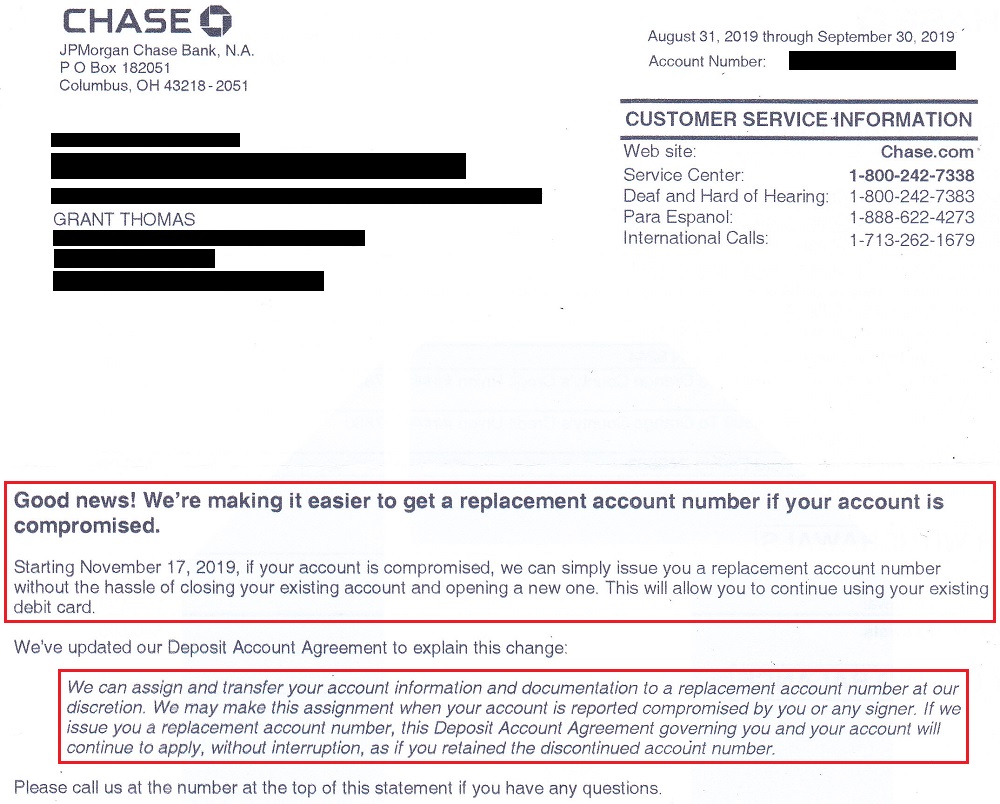
Whether you receive paper statements in the mail or download e-statements as PDFs, your account number is prominently displayed. Usually, it is located in the top right-hand corner of the first page. This is often the most reliable way to verify the number if you are filling out official legal or financial documentation, as it provides a hard copy of the bank’s record.
Why Account Number Accuracy Is Critical for Financial Management
Accuracy in financial data entry is the bedrock of fiscal responsibility. A single transposed digit can result in a “payment returned” notification, which often carries heavy fees and can negatively impact your relationship with creditors.
Setting Up Direct Deposits and Automated Payments
For many, the most frequent use of a Chase account number is for direct deposit. Whether it is a salary from a corporate employer or a payout from a freelance platform, ensuring the 9-to-12-digit account number is correct ensures that your hard-earned capital is available on payday. Similarly, when setting up automated “Pull” payments for utilities, mortgages, or car loans, the accuracy of the account number prevents service interruptions and late fees.
Domestic and International Wire Transfers
Wire transfers are high-stakes financial transactions. Unlike ACH transfers, which can sometimes be reversed in the event of an error, wire transfers are often instantaneous and much harder to claw back. When providing your Chase account number for an incoming wire, or entering one for an outgoing transfer, double-checking the length and sequence is a non-negotiable step in risk management.
Avoiding Costly Transaction Errors
When an account number is entered incorrectly, the receiving bank will attempt to match the name on the account with the number provided. If they do not match, the transaction is rejected. While the money eventually returns to the sender, the process can take several business days. In a business context, this delay can harm cash flow and vendor relationships. In a personal context, it can mean the difference between paying a bill on time or incurring a penalty.
Securing Your Chase Financial Identity
Your account number is a sensitive piece of data. While it is not as “all-powerful” as a Social Security number, it is a key component that fraudsters look for when attempting to gain unauthorized access to funds or commit identity theft.
The Risks of Disclosing Your Account Number
With just an account and routing number, an individual could theoretically print fraudulent checks or initiate unauthorized ACH “pulls” from your account. While banks like Chase have sophisticated fraud detection algorithms, the initial burden of security rests with the account holder. You should only share your account number with trusted entities, such as your employer’s HR department or verified financial institutions.
Best Practices for Digital Security
To protect your Chase account information, employ the following strategies:
-
Enable Two-Factor Authentication (2FA): This ensures that even if someone discovers your login credentials, they cannot access your account details without a secondary code sent to your mobile device.
-
Avoid Public Wi-Fi: Never log into your Chase account while on a public or unsecured network. Use a VPN or your mobile data.
-
Monitor Account Activity: Regularly review your transaction history. Identifying a small, unauthorized “test” transaction can prevent a much larger theft down the line.
What to Do If Your Account Information Is Compromised
If you suspect that your Chase account number has fallen into the wrong hands, time is of the essence. You should immediately contact Chase’s fraud department. In many cases, the bank will recommend closing the compromised account and opening a new one with a different account number to ensure the total security of your assets.
The Future of Banking: Beyond Traditional Account Numbers
As financial technology (FinTech) continues to evolve, the way we use and share account numbers is changing. Chase is at the forefront of integrating more secure methods of transaction that minimize the exposure of your raw account data.
Tokenization and Virtual Account Numbers
We are moving toward an era of tokenization. This technology replaces sensitive account numbers with a unique, one-time-use digital token. When you use services like Apple Pay or Google Pay linked to your Chase account, the merchant never actually sees your real account or card number. This adds a significant layer of security to every transaction.

The Role of AI in Fraud Detection and Prevention
Chase utilizes advanced artificial intelligence to monitor account patterns. If a transaction is initiated using your account number that deviates from your typical spending habits—perhaps a high-value transfer to an offshore account—the system can automatically flag or freeze the transaction. This proactive approach to security mitigates the risks associated with the traditional account number system.
By understanding the length, location, and security requirements of your Chase account number, you empower yourself to navigate the financial world with confidence. Whether you are building a business or securing your personal future, these digits are the keys to your financial house. Guard them well and use them with the precision that your wealth deserves.
aViewFromTheCave is a participant in the Amazon Services LLC Associates Program, an affiliate advertising program designed to provide a means for sites to earn advertising fees by advertising and linking to Amazon.com. Amazon, the Amazon logo, AmazonSupply, and the AmazonSupply logo are trademarks of Amazon.com, Inc. or its affiliates. As an Amazon Associate we earn affiliate commissions from qualifying purchases.