
The humble bank account number is a cornerstone of modern financial life, a sequence of digits that serves as your unique identifier within a financial institution. Yet, despite its omnipresence in our daily transactions, many people are unsure about a fundamental aspect: its length. Is it always the same? Does it vary by bank or country? Understanding the answers to these questions is not just a matter of curiosity; it’s crucial for accurate transactions, robust financial security, and navigating the complexities of both domestic and international banking.
In essence, there’s no single, universal answer to “how long is a bank account number?” Its length is fluid, influenced by geographical location, the specific banking system in place, and even the individual bank’s internal numbering conventions. This article delves into the nuances of bank account numbers, exploring their varying lengths, their indispensable role in finance, and the critical security implications associated with them.
The Core Question: Understanding Account Number Length
At first glance, a bank account number might seem like an arbitrary string of digits. However, each number is carefully constructed to fulfill a specific purpose within its respective banking system. The variability in length reflects the diverse infrastructures and regulatory frameworks governing financial institutions worldwide.
Why Account Numbers Vary in Length
The primary reason for the variation in account number length stems from the differing needs and architectures of banking systems. Historically, financial institutions developed their own internal numbering systems long before global standardization became a widespread concern. Some systems might have needed fewer digits because they served a smaller customer base or a less complex network of branches, while others required more to accommodate a vast clientele and intricate internal divisions.
Furthermore, different countries might incorporate various pieces of information directly into the account number itself. For instance, some numbers might implicitly contain a branch code, a product type identifier (e.g., savings vs. checking), or even a checksum digit designed to catch errors during manual entry. The more information encoded, the longer the number tends to be.
The evolution of banking technology also plays a role. Older, more rigid systems might have imposed stricter length limits, whereas modern digital platforms offer greater flexibility. Ultimately, the length is a balance between uniqueness, efficiency for processing, and the historical legacy of a country’s financial infrastructure.
Common Lengths Across Different Countries
While no fixed rule applies globally, certain patterns emerge when examining bank account numbers across different regions:
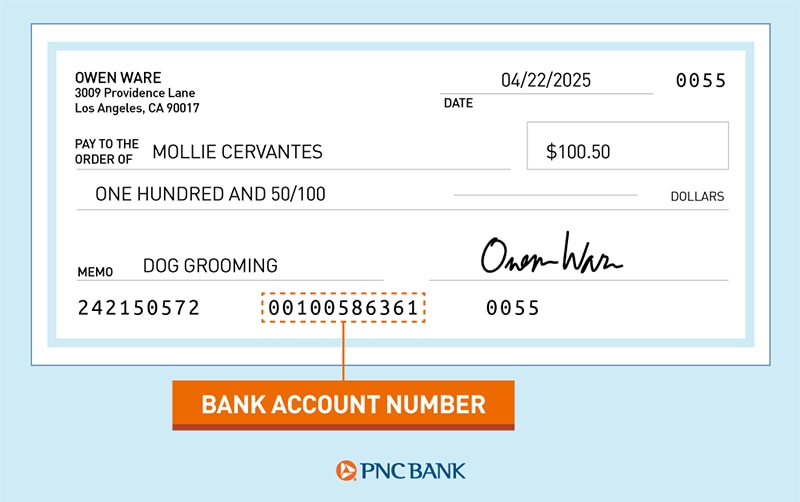
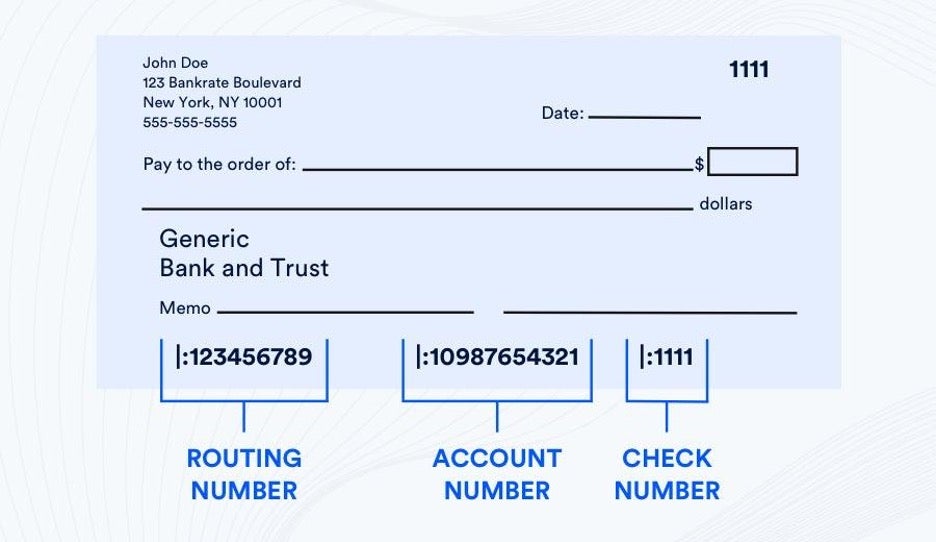
- United States: In the U.S., bank account numbers typically range from 8 to 12 digits, though some can be as short as 6 or as long as 17. The exact length is determined by the individual bank. These numbers are unique to your specific account within that bank. They are almost always used in conjunction with a 9-digit routing number (also known as an ABA routing transit number) for domestic transactions. The routing number identifies the financial institution itself and is crucial for directing funds to the correct bank.
- United Kingdom: In the UK, a bank account number is usually 8 digits long. It is used alongside a 6-digit sort code, which identifies the specific branch of the bank. Both are essential for domestic transfers.
- Canada: Canadian bank account numbers often vary from 7 to 12 digits. Similar to the U.S. and UK, they are used with a 5-digit transit number (identifying the branch) and a 3-digit institution number (identifying the bank).
- Europe (IBAN System): Most European countries, along with many others globally, utilize the International Bank Account Number (IBAN) system. An IBAN is an alphanumeric string designed for international transactions, but it also effectively functions as a domestic account identifier within its respective country. IBANs are significantly longer than traditional account numbers, ranging from 15 to 34 characters. The length is country-specific; for example, a German IBAN is 22 characters, a French IBAN is 27, and a UK IBAN is 22. Each IBAN starts with a two-letter country code (e.g., “GB” for Great Britain, “DE” for Germany), followed by two check digits, and then the Basic Bank Account Number (BBAN) which incorporates the traditional domestic account number, bank code, and potentially branch code.
- Australia: Australian bank account numbers are typically 9 digits long and are used with a 6-digit Bank-State-Branch (BSB) number, which identifies the bank and branch.
The Role of Bank Account Numbers
Beyond their variable length, the fundamental role of a bank account number remains consistent: to uniquely identify an individual or entity’s financial account within a specific financial institution. This unique identifier is critical for:
- Depositing Funds: Ensuring money is credited to the correct account.
- Withdrawing Funds: Verifying the source account for withdrawals.
- Transferring Money: Directing funds to the intended recipient’s account.
- Setting Up Direct Debits/Standing Orders: Authorizing recurring payments from a specific account.
- Receiving Payments: Providing the necessary details for others to pay you.
Without this distinct numerical sequence, the intricate web of financial transactions that underpin the global economy would simply grind to a halt.
Beyond Length: Key Identifiers in Banking
While the bank account number is central, it rarely operates in isolation. For both domestic and international financial operations, other identifiers work in conjunction with your account number to ensure accuracy and security. Understanding these supplementary codes is essential for anyone dealing with modern finance.
Routing Numbers, Sort Codes, and SWIFT/BIC Explained
Different regions employ specific codes to direct transactions efficiently:
- Routing Number (ABA Routing Transit Number – U.S.): A 9-digit code primarily used in the United States to identify the financial institution (bank, credit union, etc.) that holds the account. When you send money to a U.S. account, both the routing number and the account number are necessary. It ensures the funds reach the correct bank before being credited to the specific account.
- Sort Code (U.K. & Ireland): A 6-digit number, typically displayed as three pairs of two digits (e.g., 12-34-56). It identifies the bank and the specific branch where an account is held. In the UK, it works hand-in-hand with the 8-digit account number for domestic transactions.
- SWIFT/BIC (Society for Worldwide Interbank Financial Telecommunication / Bank Identifier Code): This is a global standard code, typically 8 or 11 characters long, used to identify specific banks in international wire transfers. A SWIFT code identifies the institution, while a BIC is a type of SWIFT code. For example, “CHASUS33” is an 8-character SWIFT code for JPMorgan Chase Bank in the U.S. An 11-character code includes a specific branch identifier (e.g., “CHASUS33XXX”). When sending or receiving money internationally, you’ll almost always need the recipient’s SWIFT/BIC code in addition to their bank account number or IBAN.
IBAN: The International Standard
As mentioned, the International Bank Account Number (IBAN) is a standardized system developed to simplify and improve the security of international payments within Europe and increasingly across other parts of the world. Its structure is designed to contain all the necessary information for a payment to be processed, including the country code, check digits, bank identifier, and the domestic account number.
The beauty of the IBAN lies in its uniformity. Once you have a valid IBAN, the underlying domestic account number, bank, and branch information are implicitly contained within it, regardless of the country of origin. This standardization significantly reduces errors and speeds up cross-border transactions, making it a critical financial tool for individuals and businesses engaged in global commerce.
The Purpose and Importance of Your Account Number
While seemingly just a string of digits, your bank account number is a powerful instrument that underpins nearly every financial interaction you have. Its importance extends beyond mere identification; it’s a key to financial fluidity, security, and integration with the digital economy.
Facilitating Transactions (Deposits, Withdrawals, Transfers)
The most immediate and obvious purpose of your bank account number is its role in facilitating money movement. Whether you’re receiving your salary, paying a bill, transferring funds to a friend, or setting up an automatic investment, your account number is the destination or source point for these financial flows.
- Deposits: When cash, checks, or electronic transfers are made to your account, the account number ensures these funds land precisely where they belong.
- Withdrawals: ATMs and bank tellers use your account number (often linked to a debit card or identification) to verify that you are authorized to remove funds from your specific account.
- Transfers: For peer-to-peer payments, bill payments, or sending money to other accounts, the recipient’s account number (and often their bank’s routing/SWIFT code) is paramount for accurate delivery.
Without a unique and correctly cited account number, any attempt to move money would be prone to error, misdirection, or outright failure, crippling personal and business finance.
Ensuring Security and Accuracy

The uniqueness and complexity of account numbers are also critical for security and accuracy. Each account number is mathematically distinct, preventing accidental overlaps and ensuring that transactions are attributed to the correct financial record. Many systems incorporate checksums or verification algorithms that can detect if a number has been mistyped or tampered with, adding an extra layer of protection against simple human error.
Furthermore, when used in conjunction with other identifiers (like routing numbers, sort codes, or IBAN check digits), the system creates a robust framework that makes it incredibly difficult for funds to be sent to a non-existent or incorrect account without triggering an alert. This accuracy is paramount in preventing financial loss and maintaining trust in the banking system.
Linking to Digital Financial Tools
In the age of digital finance, your bank account number is the anchor for a vast array of online financial tools and services. From budgeting apps and investment platforms to online payment processors and e-commerce sites, many require you to link your bank account to facilitate seamless transactions.
For example:
- Online Payment Processors (e.g., PayPal, Stripe): To withdraw funds from these platforms to your bank, you provide your account number.
- Investment Platforms (e.g., brokerages, robo-advisors): Linking your bank account allows you to fund your investment accounts and withdraw returns.
- Budgeting Apps: Many apps offer automated tracking by connecting directly to your bank account, often requiring your account details for the initial setup.
- Direct Deposit: For receiving salaries or government benefits directly, your employer or agency requires your account and routing numbers.
This integration underscores the account number’s role as a digital gateway, enabling you to manage your money efficiently across multiple platforms and services from the comfort of your home.
Security Best Practices for Your Bank Account Number
Given its central role in your financial life, protecting your bank account number is paramount. While it’s generally considered less sensitive than a debit card number or your Social Security number (as it often needs to be shared for legitimate transactions), vigilance is key to preventing fraud and unauthorized access.
Protecting Against Fraud and Scams
The most common threats involving bank account numbers come from various forms of fraud:
- Phishing: Malicious attempts to trick you into revealing your account number (and other sensitive information) through fake emails, texts, or websites impersonating legitimate organizations. Always verify the sender and the legitimacy of requests for information.
- Vishing (Voice Phishing): Scammers calling you, pretending to be your bank or a government agency, and attempting to coerce you into divulging your account details. Remember, your bank will rarely ask for your full account number over the phone if they initiated the call.
- Malware: Software designed to steal your information from your computer or phone. Keep your devices updated with antivirus software.
- Physical Theft: While less common for the number itself, physical documents containing your account number (e.g., checks, bank statements) should be securely stored or shredded.
Never click on suspicious links, download attachments from unknown sources, or give out your account number to unsolicited callers or websites. If in doubt, contact your bank directly using a number you know to be legitimate.
When to Share Your Account Number (and When Not To)
It’s important to understand the legitimate scenarios where sharing your bank account number is necessary:
- Receiving Payments: To get paid via direct deposit (salary, benefits), you’ll provide your account and routing numbers to your employer or the paying agency.
- Setting Up Direct Debits/Standing Orders: For recurring bills (utilities, subscriptions), the service provider will need your account details.
- Funding External Accounts: When linking your bank account to investment platforms, online payment services, or other financial tools, you’ll provide your account number.
- Sending a Wire Transfer: You’ll need the recipient’s bank account number (and relevant bank codes like SWIFT or routing number) to initiate an international or domestic wire.
- Writing a Check: Your account number is printed on every check.
When NOT to share your account number:
- Unsolicited Requests: If someone you don’t know or didn’t initiate contact with asks for it.
- Suspicious Websites/Emails: Be wary of sites or emails that look unofficial or demand immediate action.
- Social Media: Never post your bank account number on public platforms.
- Over the Phone to Unknown Callers: If you didn’t initiate the call, be extremely cautious.
Think of your bank account number as a key. While it’s meant to be used, it shouldn’t be left lying around for anyone to pick up.
Navigating International Transactions and Payments
The globalized economy means that individuals and businesses frequently engage in cross-border financial activity. Understanding how your bank account number functions in an international context, particularly with systems like IBAN and SWIFT, is vital for seamless and secure global money movement.
The Significance of IBAN for Cross-Border Transfers
The International Bank Account Number (IBAN) has revolutionized cross-border payments, particularly within the Single Euro Payments Area (SEPA) and other adopting regions. Before IBAN, sending money internationally was often a cumbersome process fraught with potential errors due to disparate domestic numbering systems. Each country had its unique format for bank and account identification, leading to confusion and delays.
IBAN standardizes this. By incorporating the country code, check digits, bank identifier, and the domestic account number into a single, internationally recognized format, it ensures that all necessary information for a payment is present and correctly formatted. When you need to send money to or receive money from a country that uses IBAN, requesting or providing the IBAN is the most reliable method. Its robust structure helps to reduce manual processing, lower transaction costs, and minimize payment failures. For businesses operating globally or individuals sending remittances, mastering the IBAN system is a fundamental financial literacy skill.
How SWIFT/BIC Codes Work with Account Numbers
While IBAN is excellent for identifying the specific account, the SWIFT/BIC code plays a complementary role by identifying the financial institution itself within the global interbank messaging network. When you send an international wire transfer, you typically need both:
- The recipient’s full name and address.
- The recipient’s bank account number (or IBAN, if applicable).
- The recipient’s bank’s SWIFT/BIC code.
The SWIFT code acts like a postal code for banks, directing the international payment message to the correct financial institution. Once the message (and funds) arrive at the correct bank identified by the SWIFT code, the bank then uses the account number (or IBAN) to credit the specific recipient’s account. This two-part identification system ensures that the funds not only reach the right bank but also land in the correct individual account within that bank. For non-IBAN countries or for transfers to countries outside the IBAN network, the SWIFT/BIC code remains an indispensable component of international money transfers.
The Impact of Varying Formats on Global Finance
The existence of diverse account number lengths and formats across different countries presents both challenges and opportunities in global finance.
Challenges:
- Complexity: It requires individuals and businesses to understand and navigate multiple systems (e.g., U.S. routing numbers, UK sort codes, IBAN, SWIFT).
- Error Potential: Misinterpreting or incorrectly entering different formats can lead to delayed or failed transactions.
- System Integration: Financial software and platforms need to be adaptable to handle various international banking standards.
Opportunities:
- Specialization: Local systems can be optimized for domestic needs.
- Innovation: The need to bridge these varying formats has driven innovation in payment technologies and financial tools that simplify cross-border transactions.
- Security: Redundant identifiers (like SWIFT + Account Number) can add layers of verification.
Ultimately, while the varying lengths and formats of bank account numbers might seem complex, they are a reflection of diverse financial ecosystems. Understanding these nuances, especially the interplay between domestic account numbers, routing/sort codes, and international identifiers like IBAN and SWIFT/BIC, empowers individuals and businesses to manage their finances effectively and securely on both local and global scales. Protecting these numbers through best practices is not just good advice; it’s a fundamental aspect of financial literacy in the modern world.
aViewFromTheCave is a participant in the Amazon Services LLC Associates Program, an affiliate advertising program designed to provide a means for sites to earn advertising fees by advertising and linking to Amazon.com. Amazon, the Amazon logo, AmazonSupply, and the AmazonSupply logo are trademarks of Amazon.com, Inc. or its affiliates. As an Amazon Associate we earn affiliate commissions from qualifying purchases.