
In an increasingly digital world, the speed and reliability of your internet connection are paramount. Fiber optic internet, with its dazzling speeds and robust stability, has emerged as the gold standard, promising to revolutionize how we work, learn, and entertain ourselves. But for many eager consumers, the burning question isn’t just about the what or the why of fiber, but the practical how long it takes to bring this cutting-edge technology into their homes or businesses.
The allure of fiber internet is undeniable. Imagine streaming 4K movies without buffering, engaging in crystal-clear video conferences, downloading massive files in seconds, or powering multiple smart home devices simultaneously without a hiccup. This isn’t just a luxury; for many, it’s a necessity that underpins productivity, facilitates connection, and enhances digital security in an era of sophisticated online threats. As such, understanding the installation process – and its associated timeline – becomes a crucial piece of the puzzle for anyone considering this significant upgrade.

While the immediate answer might range from “a few hours” to “a full day,” the reality is a multi-faceted process influenced by various factors. From the moment you decide to switch to fiber until you’re finally enjoying its blazing speeds, several stages unfold, each with its own timeline and potential considerations. This comprehensive guide will dissect the entire fiber internet installation journey, shedding light on what to expect, the variables that can affect its duration, and how to ensure a smooth, efficient transition to the future of connectivity.
The Lure of Fiber: Why the Wait is Worth It
Before diving into the specifics of installation time, it’s essential to understand why fiber internet has become such a sought-after commodity. Its inherent advantages over traditional broadband technologies like DSL and cable are profound, touching upon aspects crucial for our modern tech-driven lives, financial considerations, and even the “brand” of our personal and professional digital presence.
Unpacking Fiber Optic Technology
At its core, fiber optic internet transmits data using pulses of light traveling through thin strands of glass or plastic, roughly the diameter of a human hair. This method stands in stark contrast to copper cables, which rely on electrical signals. The difference is staggering: light can travel much faster and over greater distances without signal degradation, meaning fiber delivers symmetrical upload and download speeds that are often 10 to 100 times faster than what most people experience with traditional cable internet.
This technological leap isn’t just about raw speed. Fiber boasts superior reliability because it’s less susceptible to electromagnetic interference, which can plague copper lines. Weather conditions, distance from a central hub, or the number of concurrent users on a network have a far lesser impact on fiber’s performance. For those deeply invested in Tech trends, fiber represents the current pinnacle of wired home internet infrastructure, enabling advanced applications, cloud computing, and the burgeoning Internet of Things (IoT) with unparalleled efficiency.
Transformative Benefits for Modern Lifestyles and Businesses
The tangible benefits of fiber internet extend far beyond simple speed tests. They translate directly into enhanced productivity, improved entertainment, and robust digital security, resonating with the core themes of Tech, Brand, and Money.
For individuals and families, fiber transforms the home digital experience. Multiple users can stream 4K content, game online, participate in video calls, and use various smart devices simultaneously without experiencing lag or slowdowns. This fosters a more harmonious digital household, where frustrations over buffering become a distant memory. From a Tech perspective, it unlocks the full potential of smart home ecosystems, virtual reality, and other bandwidth-intensive applications.
Professionally, fiber internet is a game-changer. Remote workers benefit immensely from symmetrical speeds, making large file uploads, seamless video conferencing, and accessing cloud-based applications effortless. For small businesses, reliable, high-speed fiber connectivity is crucial for operations, customer service, and leveraging cloud infrastructure. The ability to conduct business efficiently and without interruption directly impacts a company’s bottom line and its Brand reputation for reliability and professionalism.
From a Money perspective, while the initial cost might sometimes be higher, the long-term value proposition is compelling. Faster internet can lead to increased productivity, enabling side hustles or enhancing remote work efficiency, potentially boosting online income. It also future-proofs your home or business, potentially increasing property value and ensuring you’re ready for the next wave of bandwidth-hungry innovations. Moreover, the stability of fiber can reduce downtime and the need for troubleshooting, saving time and frustration – intangible but valuable assets. The peace of mind alone, knowing your internet connection is robust and dependable, can be priceless.
Deconstructing the Fiber Installation Timeline
Understanding the full scope of a fiber internet installation means breaking it down into distinct phases. It’s not just about the technician showing up; there’s a crucial lead-up and a meticulous on-site process.
The Pre-Installation Phase: Behind-the-Scenes Preparations
The clock starts ticking well before a technician ever knocks on your door. The pre-installation phase primarily involves ordering the service and scheduling the appointment.
- Service Availability Check and Order Placement: This initial step can range from a few minutes online to a few days if your address requires manual verification. Most fiber providers have online tools to instantly check availability. If fiber isn’t readily available in your immediate area, this is where the timeline can stretch significantly, sometimes months or even years, as providers roll out new infrastructure. For the purposes of this guide, we’ll assume fiber is available.
- Scheduling the Installation: Once ordered, you’ll need to schedule an installation appointment. Depending on your chosen Internet Service Provider (ISP) and current demand, this can typically be anywhere from 1 to 3 weeks out. During peak seasons or in newly rolled-out areas, this wait time could extend. It’s during this phase that you might consider the Brand reputation of your ISP – some providers are known for faster scheduling and more transparent communication than others. A well-regarded ISP will often provide a narrower installation window and proactive updates.
During this period, the ISP might also be performing external work in your neighborhood if the fiber line hasn’t been run directly to the curb near your home. This “last mile” infrastructure can involve trenching or aerial cable deployment, a process managed by the provider and not typically part of your on-site appointment. However, its completion is a prerequisite for your installation day.
The On-Site Installation: What to Expect on Installation Day
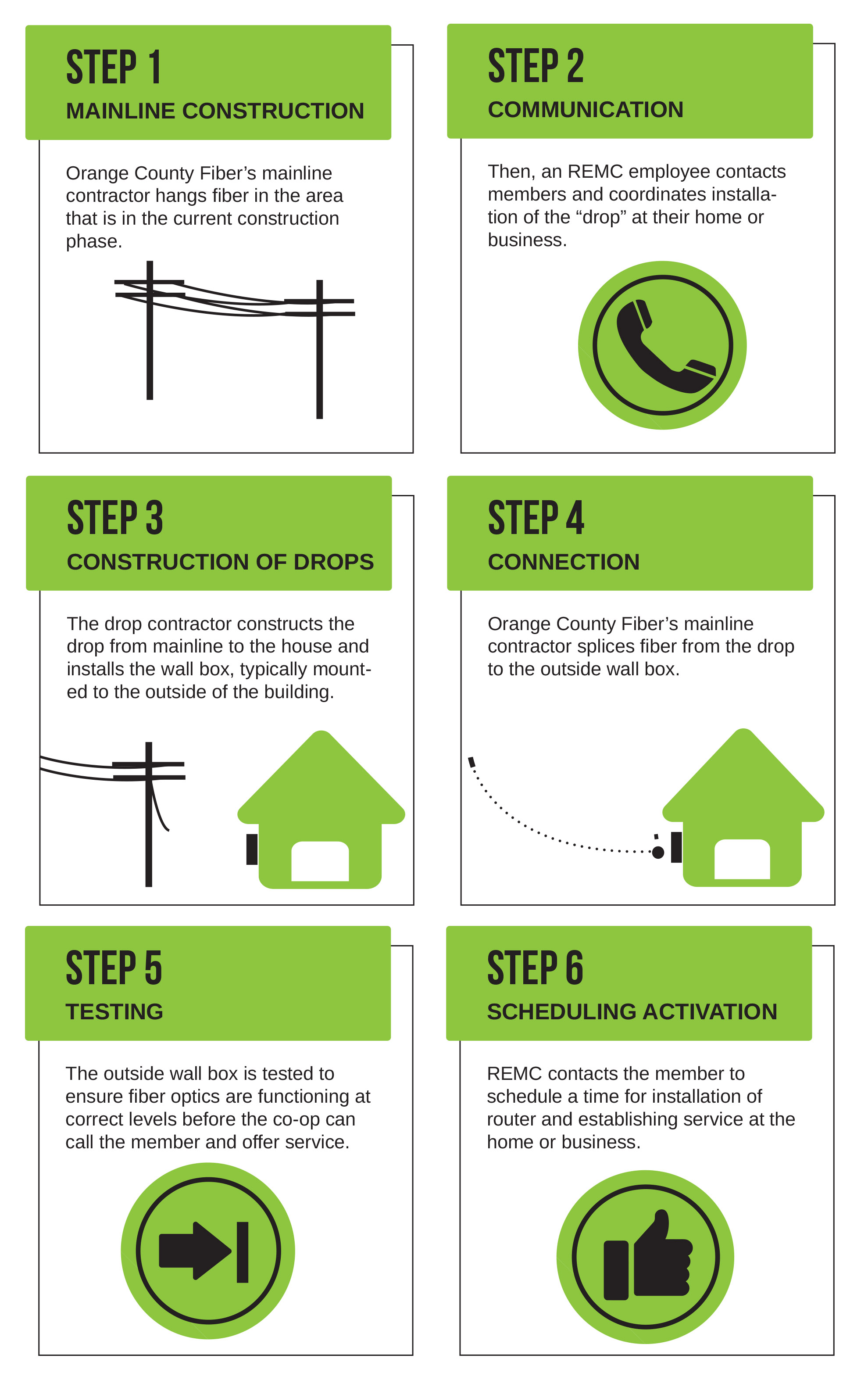
This is the phase most people think of when they ask about installation time. Once the technician arrives, the process typically follows a structured series of steps. The actual on-site work for a standard fiber internet installation usually takes between 2 to 4 hours. However, depending on various factors, it can occasionally extend to up to 8 hours (a full day).
Here’s a breakdown of what happens during the on-site visit:
-
Arrival and Assessment (15-30 minutes):
- The technician will arrive within the scheduled window.
- They’ll assess your property to determine the best route for running the fiber optic cable from the nearest access point (usually a pedestal or utility pole) to your home.
- They’ll discuss the proposed entry point into your house and where you’d like the Optical Network Terminal (ONT) to be placed. The ONT converts the optical signal to an electrical one for your router.
-
External Cable Installation (1-2 hours):
- This involves physically running the fiber optic cable from the street to your house. This might mean:
- Aerial Drop: If your utilities are overhead, the technician will run the fiber cable from the utility pole to a designated spot on your house (e.g., near the electrical meter).
- Underground Drop: If your utilities are underground, the technician will typically use existing conduits or bury a shallow trench to run the fiber line to your home. This can take longer and may require specialized equipment.
- The cable is then secured to the exterior of your home.
- This involves physically running the fiber optic cable from the street to your house. This might mean:
-
Internal Wiring and ONT Installation (1-1.5 hours):
- The fiber cable is brought into your home, usually through a small hole drilled in an exterior wall.
- The ONT is installed at the agreed-upon location, usually near a power outlet and close to where your Wi-Fi router will be. This device is crucial for translating the light signals from the fiber into usable internet data.
- The technician will then connect your router to the ONT.
-
Activation and Testing (30-60 minutes):
- Once everything is physically connected, the technician will activate your service.
- They’ll configure the ONT and your Wi-Fi router.
- Thorough speed tests will be conducted to ensure you’re receiving the advertised speeds.
- The technician will verify that all your devices can connect to the Wi-Fi and access the internet.
- They will also usually provide a brief overview of your new equipment and answer any questions you may have.
-
Cleanup: The technician will clean up any debris or materials from the installation.
This structured approach ensures that every aspect of the physical connection and service activation is meticulously handled, aiming for optimal performance right from the start.
Key Factors Influencing Your Fiber Installation Duration

While the typical on-site installation timeframe is 2-4 hours, several variables can significantly impact how long the process takes. Understanding these factors can help manage expectations and even accelerate the process.
External Infrastructure and Geographic Considerations
The condition and availability of external infrastructure play a massive role.
- Proximity to Existing Fiber Lines: If fiber optic lines are already laid directly to your property line or curb (a “fiber-to-the-home” or FTTH scenario), the external work is minimized. If not, the technician might need to run a new drop, which, as mentioned, can involve trenching or aerial drops. Trenching through difficult terrain (rocky soil, dense landscaping) will take considerably longer than a simple aerial run.
- Permits and Utility Access: In some cases, especially for new installations in less developed areas, permits might be required to dig or access utility poles. While the ISP typically handles this beforehand, unexpected complications can arise. Similarly, dense urban environments or large apartment complexes can present unique challenges regarding access and routing.
- Weather Conditions: Inclement weather (heavy rain, snow, extreme cold) can delay or even postpone external installation work, both for safety reasons and to ensure proper equipment functioning.
Internal Wiring Complexity and Home Readiness
The internal setup of your home is another critical determinant of installation time.
- Location of ONT and Router: If you want the ONT and router in a non-standard location (e.g., far from the external entry point, in a basement, or on a different floor), the technician might need to run additional internal wiring. This could involve drilling through walls, floors, or navigating tight spaces, adding significant time.
- Existing Wiring vs. New Installation: If you’re replacing an existing cable or DSL line and the entry point is convenient, it can be quicker. If it’s a completely new installation with no existing conduits or clear pathways, more work is involved.
- Type of Dwelling: Installing fiber in a single-family home is generally more straightforward than in an apartment building or multi-dwelling unit (MDU). MDUs often have complex shared wiring infrastructure, requiring coordination with building management and potentially more intricate routing within common areas before reaching your specific unit. This complexity can also impact costs, a key Money consideration often reflected in installation fees.
Your Internet Service Provider (ISP) and Equipment Variables
The choice of your ISP and the specific equipment they provide can also influence the timeline and overall experience.
- ISP Efficiency and Technician Expertise: The Brand reputation of your ISP often correlates with the efficiency of their technicians. Well-trained, experienced technicians can complete installations more quickly and troubleshoot unforeseen issues more effectively. Some ISPs are known for their streamlined processes and clear communication, minimizing delays.
- Equipment Type: The specific ONT and router models provided can vary in their ease of setup and configuration. While most modern equipment is user-friendly, some systems might require more detailed configuration or firmware updates on-site, adding a small amount of time.
- Additional Services: If you’re bundling fiber internet with other services like VoIP phone or TV, the installation will naturally take longer as the technician needs to set up and test all components. For example, integrating smart home devices or ensuring robust digital security across your network might require additional setup time. This integration of Tech services can either extend the initial setup or simplify long-term management, depending on the provider’s ecosystem.
Preparing for a Seamless Fiber Installation Experience
A little preparation on your part can go a long way in ensuring your fiber internet installation is as quick and smooth as possible. Thinking ahead can save precious time and prevent unnecessary delays, impacting your overall satisfaction with the Brand of your new service.
Essential Steps for Homeowners
Being ready for your technician’s arrival can significantly reduce the on-site time.
- Clear the Path: Ensure the areas where the technician will need to work are clear and accessible. This includes the exterior wall where the cable might enter, the proposed location for the ONT and router, and any pathways inside the house where wires might be run. Move furniture, clear out storage areas, and secure pets.
- Identify Power Outlets: The ONT and your router will both require a power outlet. Have suitable, easily accessible outlets identified near your preferred installation locations. Consider if you need a power strip if multiple devices will be plugged in nearby.
- Plan Your Router Location: Think about where you want your Wi-Fi router placed for optimal coverage throughout your home. Central locations, away from obstructions like thick walls or large appliances, are usually best. Discuss your preferences with the technician during their initial assessment. This strategic placement can maximize your Tech investment by ensuring robust Wi-Fi performance everywhere you need it.
- Designate a Decision-Maker: Ensure an adult who can make decisions about cable routing, equipment placement, and other installation details is present throughout the entire appointment. This avoids delays from having to call someone for approval.
Communicating Effectively with Your Provider
Clear communication before and during the installation is vital.
- Confirm Appointment Details: A day or two before your scheduled installation, confirm the appointment time and window with your ISP. Ask if there are any specific preparations you need to make.
- Ask About External Work: Inquire if any external trenching or aerial drops are expected before your appointment. This gives you a heads-up on potential outdoor disruptions.
- Discuss Specific Requirements: If you have unique needs or concerns (e.g., you prefer internal wiring to be hidden, or you have specific security requirements for drilling), discuss these with the technician upon their arrival. While they might not always be able to accommodate every request, early communication allows for better planning and problem-solving.
- Understand Your Bill: Don’t hesitate to ask about installation costs, monthly fees, and any promotional pricing. Understanding the Money aspect upfront avoids surprises later and contributes to a positive customer experience, strengthening the ISP’s Brand perception.
By taking these proactive steps, you contribute to a more efficient process, reducing the likelihood of unexpected delays and ensuring that your transition to fiber internet is as smooth and quick as possible.
Beyond Installation: Maximizing Your Fiber Connection
The moment the technician leaves, and you’re surfing at warp speed, isn’t the end of the journey. To truly leverage your new fiber connection and justify the wait and investment, you’ll want to ensure optimal setup and consider its broader implications for your digital life, finances, and brand.
Initial Setup and Performance Checks
Even after the technician leaves, there are a few things you can do to maximize your experience.
- Verify All Devices Connect: Test all your primary devices (laptops, smartphones, smart TVs, gaming consoles) to ensure they connect to the new Wi-Fi network and access the internet without issues.
- Run Your Own Speed Tests: While the technician performs tests, running your own using reputable online speed test tools (e.g., Speedtest.net) across different devices and locations in your home can confirm consistent performance.
- Optimize Wi-Fi Settings: If your router supports it, consider optimizing Wi-Fi channels or using a mesh Wi-Fi system if you have a large home, to ensure comprehensive coverage and consistent speeds everywhere. This is where your Tech savviness comes into play, exploring router settings to get the most out of your bandwidth.
- Router Placement Review: Over the next few days, observe if there are any dead zones or areas with weaker signals. If so, consider slightly adjusting your router’s position or investing in Wi-Fi extenders or a mesh network to ensure consistent, high-speed access throughout your space.
The Long-Term Value Proposition: Tech, Brand, and Money Synergies
Fiber internet isn’t just an upgrade; it’s an investment in your digital future, aligning perfectly with the core themes of Tech, Brand, and Money.
From a Tech standpoint, fiber enables you to fully embrace the latest innovations. It supports advanced AI tools that might require significant cloud processing, ensures seamless operation of multiple smart home devices, and prepares your household for future bandwidth-intensive applications like virtual reality, augmented reality, and increasingly sophisticated IoT ecosystems. It elevates your digital security posture by facilitating faster downloads of critical updates and robust cloud-based security solutions without compromising performance.
Financially (Money), the initial investment in fiber installation, though sometimes higher than traditional options, often pays dividends. Businesses can experience reduced downtime, leading to higher productivity and revenue. Remote workers can operate more efficiently, potentially boosting online income or enabling new side hustles that rely on robust connectivity. Homeowners might find that high-speed fiber internet is an attractive amenity, potentially increasing property value and marketability. Furthermore, the stability of fiber often means fewer service calls and less frustration, saving both time and hidden costs associated with unreliable connections.
Finally, the impact on your personal or corporate Brand is significant. For professionals and businesses, a reliable, fast internet connection reflects professionalism and preparedness. In a world where first impressions are increasingly digital, a seamless online presence—whether it’s through video conferencing, website performance, or quick data sharing—reinforces a positive brand image. For individuals, it empowers efficient online learning, creative pursuits, and social connections, enhancing your digital life without the frustrations of slow speeds.
In conclusion, while the question of “how long does it take to install fiber internet” has a nuanced answer, typically ranging from 2 to 4 hours on-site after a few weeks of scheduling, the factors influencing this timeline are numerous. From external infrastructure to internal home readiness and the efficiency of your chosen ISP, each element plays a role. Yet, the consensus remains clear: the wait, the preparation, and the initial investment are undeniably worth it for the unparalleled speed, reliability, and future-proof benefits that fiber optic internet brings to our increasingly connected lives. It’s not just about installing a cable; it’s about unlocking a new era of digital possibility.
aViewFromTheCave is a participant in the Amazon Services LLC Associates Program, an affiliate advertising program designed to provide a means for sites to earn advertising fees by advertising and linking to Amazon.com. Amazon, the Amazon logo, AmazonSupply, and the AmazonSupply logo are trademarks of Amazon.com, Inc. or its affiliates. As an Amazon Associate we earn affiliate commissions from qualifying purchases.