
In the grand scheme of personal finance, car maintenance often appears as a necessary evil, a recurring drain on one’s meticulously crafted budget. Yet, understanding “how long car maintenance takes” is far more than a mere curiosity about mechanics; it’s a critical lens through which to view and manage a significant aspect of vehicle ownership’s financial landscape. The time invested in maintaining a car, whether by a professional or yourself, directly translates into financial costs, savings, long-term asset value, and opportunity costs. This article will delve into the multifaceted financial implications of vehicle maintenance duration, providing insights into budgeting, optimizing expenses, and safeguarding your automotive investment.
The Financial Equation: Time as Money in Vehicle Maintenance
The concept that “time is money” finds a particularly stark application in the realm of car maintenance. Every minute a vehicle spends in a service bay, or an owner spends under the hood, has tangible financial consequences. Understanding this fundamental equation is key to effective financial planning for your vehicle.
Direct Labor Costs: The Hourly Rate Factor
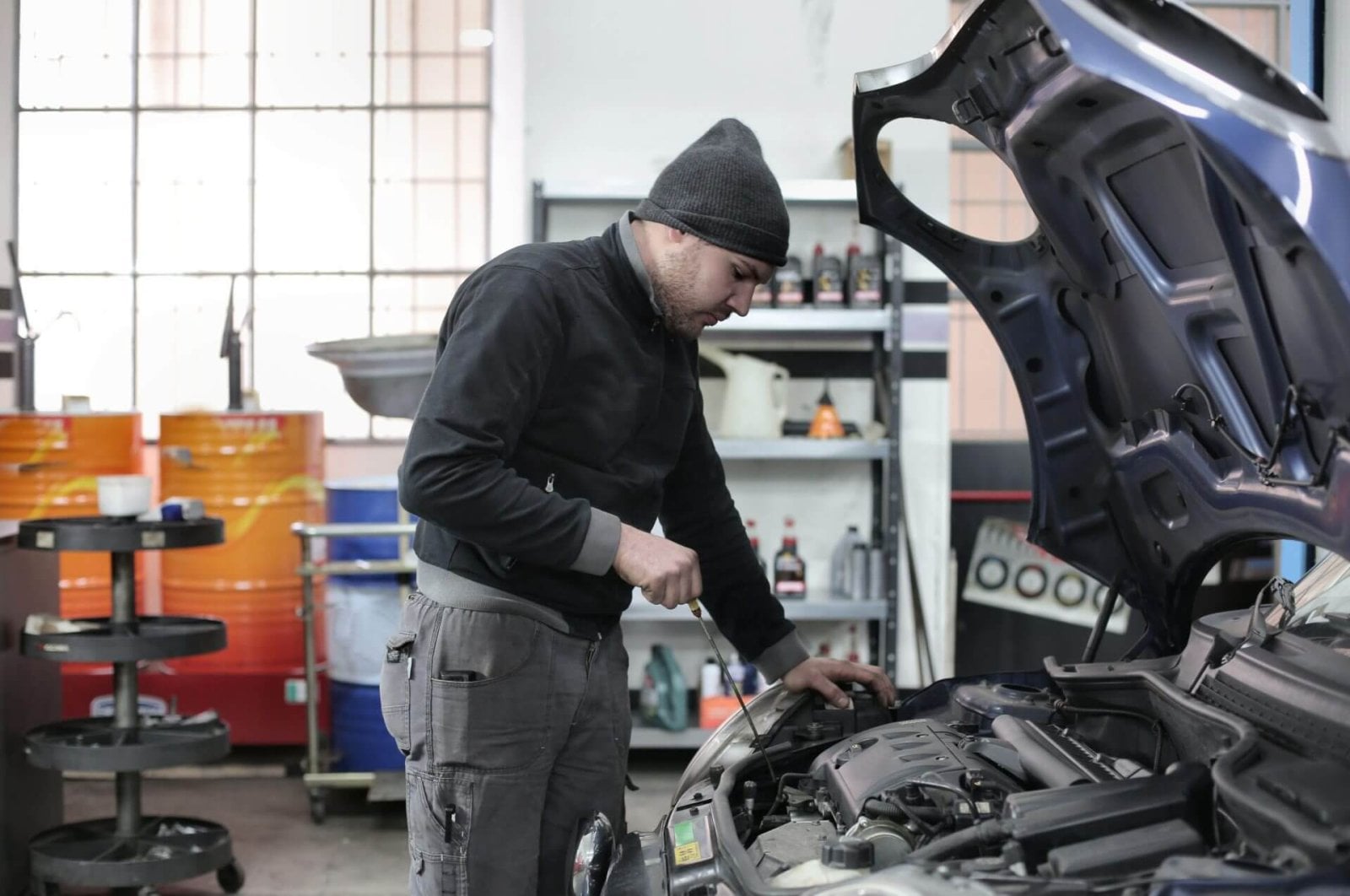
For most vehicle owners, professional maintenance is a given. When you take your car to a mechanic, you’re not just paying for parts; a significant portion of the bill is for labor. This labor cost is almost invariably calculated based on time – either an estimated “flat rate” for a specific job or an actual hourly rate for diagnostic and repair work. A simple oil change might involve 0.5 to 1 hour of labor, while a complex engine repair could span multiple days, racking up dozens of labor hours.
The hourly rates for skilled mechanics can vary widely depending on location, the shop’s overhead, and the specialized nature of the repair (e.g., dealership service versus independent garage). These rates can range from $75 to $200 per hour or more. Consequently, a maintenance task that takes longer directly inflates the overall cost. Budgeting for these labor costs requires an understanding of average maintenance durations and typical hourly rates in your area. Failure to account for extended labor times can lead to significant budgetary overruns, disrupting personal financial goals.
Opportunity Cost: Your Time, Your Income
While professional labor costs are straightforward, the concept of “opportunity cost” highlights the hidden financial impact of maintenance duration. If you choose to perform DIY maintenance, you might save on labor costs, but your time is not free. That time spent changing oil, rotating tires, or researching repairs could have been used for income-generating activities (e.g., working extra hours, pursuing a side hustle) or for personal activities that contribute to well-being and productivity. The financial value of these foregone alternatives is your opportunity cost.
Similarly, even when your car is with a professional, the time it spends in the shop can incur opportunity costs. If you rely on your vehicle for work, errands, or childcare, its unavailability can force you into alternative, potentially expensive, solutions like rental cars, ride-sharing services, or public transportation. Moreover, if the maintenance requires you to take time off work to drop off or pick up the car, or if unexpected repairs lead to lost workdays, this directly impacts your income. Financially astute vehicle owners consider these indirect costs when evaluating the true expense of maintenance.
Depreciation and Resale Value: Long-Term Financial Impact
The time spent on consistent, timely car maintenance is an investment in your vehicle’s long-term financial health. A well-maintained car not only performs better and lasts longer but also retains its resale value more effectively. Neglecting maintenance, ostensibly to save time or money in the short term, often leads to accelerated depreciation.
Buyers in the used car market are increasingly savvy. A vehicle with a complete and documented service history, indicating regular maintenance (and thus, time invested in its care), commands a higher price than one with patchy records or visible signs of neglect. Major repairs that could have been prevented by routine checks often surface as red flags to potential buyers, signaling a vehicle that could become a money pit. Therefore, the time spent on preventative maintenance – even a quick check-up – is a strategic financial decision that pays dividends when it’s time to sell or trade in your vehicle. It preserves equity and minimizes the long-term financial drain of premature replacement.
Decoding Maintenance Durations: What to Expect for Your Budget
Understanding the typical timeframes for various maintenance tasks is crucial for accurate financial planning. From routine checks to major overhauls, each category demands a different level of time commitment and, consequently, a distinct financial allocation.
Routine Services: Quick Wins for Your Wallet
Routine services are the backbone of car maintenance and typically involve relatively short durations, making them financially manageable. An oil change, for instance, usually takes between 30 to 60 minutes. Tire rotations might add another 15-30 minutes. A multi-point inspection, which often accompanies these services, typically takes around 30 minutes to an hour.
From a financial perspective, these “quick wins” are preventative investments. The labor cost is usually minimal, often bundled with the cost of parts (like oil and filter). Timely execution of these services prevents more significant, expensive problems down the line. Forgoing an oil change to save an hour of time and $50 could lead to catastrophic engine damage costing thousands. Budgeting for these recurring, low-time-commitment services is arguably the easiest and most impactful financial decision a car owner can make.
Mid-Level Maintenance: Planning for Bigger Pockets of Time and Money
Moving beyond the basics, mid-level maintenance tasks require more time and, consequently, a larger financial commitment. A brake pad and rotor replacement, for example, can take 1 to 3 hours per axle, depending on the vehicle and the complexity. Battery replacement typically takes 30 minutes to an hour. Replacing spark plugs might take 1 to 3 hours, varying greatly by engine design.
These tasks demand a more significant chunk of time from the mechanic and a larger financial outlay from the owner. They are less frequent than oil changes but are critical for safety and performance. Financial planning for mid-level maintenance requires setting aside funds specifically for these larger, albeit less frequent, expenses. Understanding their typical durations helps you anticipate the labor costs and budget accordingly, preventing sticker shock when these services become necessary.
Major Repairs & Preventative Overhauls: Significant Investments
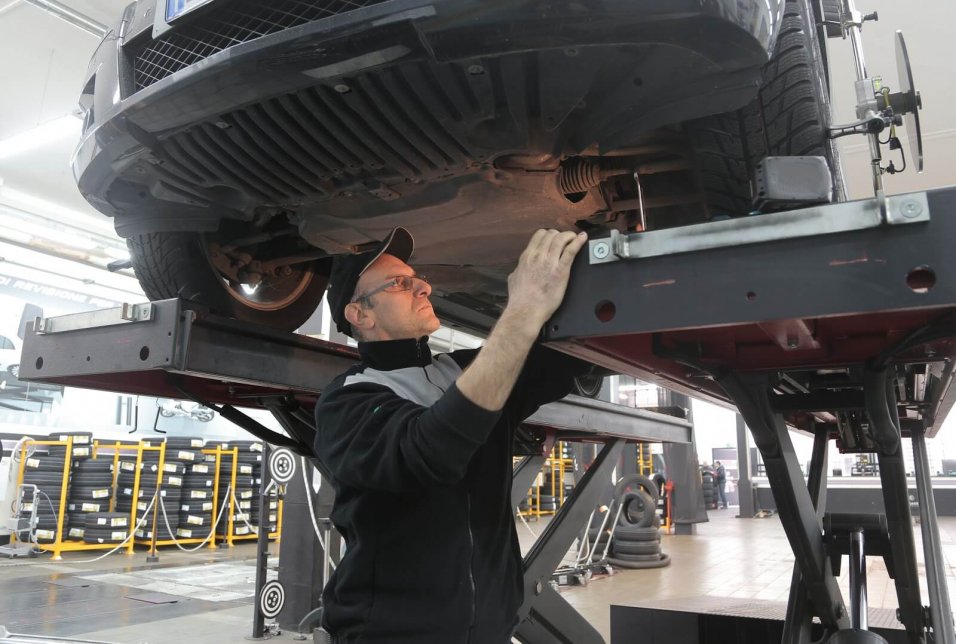
At the top end of the spectrum are major repairs and preventative overhauls, which involve substantial time commitments and significant financial investments. Replacing a timing belt, a crucial preventative measure for many engines, can take 3 to 6 hours or more due to its intricate placement. Transmission services or repairs can range from several hours for a fluid flush to multiple days for a full rebuild or replacement, costing thousands. Major engine work, such as head gasket replacement or an engine rebuild, can easily extend over several days, sometimes even a week, involving dozens of labor hours and substantial parts costs.
These are the financial “shocks” that can derail personal budgets if not anticipated. While some major repairs are unpredictable, many can be mitigated by diligent routine and mid-level maintenance. For example, addressing a small leak early might prevent a catastrophic engine failure later. Financially, it’s prudent to maintain an emergency fund specifically for such unforeseen vehicle expenses, or to factor in the potential for these larger costs as your vehicle ages. The time these repairs take off the road, combined with their high cost, underscores the value of preventative care.
Strategies to Optimize Maintenance Time and Cost
Given the direct link between maintenance duration and financial impact, employing smart strategies can significantly optimize both the time and monetary investment in your vehicle’s upkeep.
Proactive Scheduling and Budgeting
The most effective strategy is to be proactive. Familiarize yourself with your vehicle’s manufacturer-recommended maintenance schedule, which outlines service intervals (e.g., every 5,000 miles or 6 months). Knowing what services are due and their approximate durations allows you to schedule appointments at convenient times, minimizing disruption to your routine and income. More importantly, it enables you to budget accurately for anticipated costs. Setting aside a specific amount each month for car maintenance, based on projected service needs and typical labor times, transforms unpredictable expenses into manageable line items in your personal budget. This foresight prevents financial distress and ensures your vehicle receives timely care.
The DIY vs. Professional Dilemma: A Financial Analysis
Deciding whether to perform maintenance yourself or hire a professional is a classic financial dilemma. DIY can save significantly on labor costs, potentially cutting your bill in half or more for simpler tasks. An oil change, for instance, might cost $20-$40 in parts if you do it yourself, versus $50-$100 or more at a shop. However, DIY requires an investment of your time, potentially specialized tools, and a certain level of skill. Mistakes can be costly, leading to more expensive professional repairs later.
Financially, evaluate the trade-off. For simple tasks where you have the time, tools, and confidence, DIY can be a smart money-saver. For complex repairs, the financial risk of a botched job, combined with the significant time commitment and potential for specialized tool purchases, often makes professional service the more financially sound option. Always weigh the explicit labor savings against the implicit opportunity cost of your time and the potential cost of error.
Leveraging Financial Tools for Efficiency
While the focus is on Money, technology often plays a supporting role in optimizing financial efficiency. Numerous apps and digital platforms are designed to help vehicle owners track maintenance schedules, log service history, and monitor expenses. These tools, while not directly performing maintenance, help you stay organized and remind you when services are due, preventing costly delays. By providing clear financial oversight, they empower you to budget more effectively for maintenance durations and costs, potentially saving money in the long run by ensuring timely preventative care. Think of them as personal financial assistants for your car.
Finding Reputable and Efficient Service Providers
The choice of your mechanic or service center has direct financial implications related to maintenance duration. A reputable shop with experienced technicians can often diagnose and complete repairs more efficiently than an inexperienced one, saving you labor costs. Additionally, transparency in pricing and clear communication about expected repair times are crucial. Seek out shops that provide detailed estimates, explain the work needed, and give realistic timeframes. Reviews and recommendations can guide you to professionals who offer good value – a fair price for efficient, quality work. Spending a little time upfront researching service providers can save you significant time and money on future repairs.
The Hidden Costs of Neglecting Maintenance Time
Perhaps the most potent financial argument for understanding and dedicating time to car maintenance lies in the hidden costs of neglect. What might seem like a time or money-saving shortcut often leads to far greater financial penalties down the road.
Escalating Repair Costs
Ignoring routine maintenance is a classic example of “penny wise, pound foolish.” A minor issue, left unaddressed, almost invariably escalates into a major, more expensive problem. Forgetting an oil change can lead to engine sludge and eventual engine failure, turning a $50 service into a multi-thousand-dollar replacement. Ignoring worn brake pads can damage rotors, doubling the cost of a brake job. These escalating repair costs are a direct consequence of neglecting the small, manageable time investments required for preventative maintenance.
Safety Risks and Insurance Implications
A poorly maintained vehicle is a safety hazard. Worn tires, faulty brakes, or steering issues increase the risk of accidents. Beyond the personal tragedy and injury, an accident involving a vehicle with known but unaddressed maintenance issues can have severe financial repercussions. Your insurance company might deny coverage or increase premiums significantly if it’s determined that negligence contributed to the incident. Legal liabilities can also arise. The time spent on ensuring your vehicle is safe is not just about personal well-being; it’s a critical financial safeguard against potentially ruinous costs.
Unexpected Downtime and Mobility Costs
When a neglected vehicle finally breaks down, the financial consequences extend beyond the immediate repair bill. The unexpected downtime can create a cascade of additional costs. If you rely on your car for commuting, you might incur expenses for rental cars, ride-sharing services, or taxi fares. If your work depends on your vehicle, you could face lost income. For families, the logistical nightmare and associated costs of transportation alternatives can be significant. The time your vehicle spends in the repair shop, often for a much longer period due to a major breakdown than for routine service, becomes a direct financial burden through these ancillary mobility costs and lost productivity.

Conclusion
Understanding “how long car maintenance takes” is more than a simple query; it’s an essential component of responsible personal finance and vehicle ownership. The duration of maintenance tasks directly dictates labor costs, impacts opportunity costs of your time, and fundamentally influences your vehicle’s long-term value and your overall financial stability. By proactively scheduling, budgeting, and making informed decisions about DIY versus professional service, you transform car maintenance from a financial drain into a strategic investment. Neglecting the time commitment for preventative care inevitably leads to escalating repair costs, safety risks, and disruptive hidden expenses. Ultimately, managing the time aspects of vehicle upkeep is a powerful financial tool, ensuring that your automotive asset serves you reliably and economically for years to come.
aViewFromTheCave is a participant in the Amazon Services LLC Associates Program, an affiliate advertising program designed to provide a means for sites to earn advertising fees by advertising and linking to Amazon.com. Amazon, the Amazon logo, AmazonSupply, and the AmazonSupply logo are trademarks of Amazon.com, Inc. or its affiliates. As an Amazon Associate we earn affiliate commissions from qualifying purchases.