
In the complex ecosystem of modern personal finance, the bank account number remains the most fundamental piece of data for managing your wealth. Whether you are setting up a direct deposit for a new career opportunity, linking an external investment platform, or orchestrating a high-value wire transfer, the accuracy of your account information is paramount. For Chase Bank customers—the largest banking institution in the United States—understanding the structure, length, and utility of these numbers is essential for seamless financial management.
Chase bank account numbers typically range from 9 to 13 digits in length. While the 10-digit and 12-digit formats are the most common in the current digital banking era, various legacy systems and specific account types may result in different lengths. Understanding why these numbers vary and how to identify them correctly is the first step in mastering your personal banking security and efficiency.
The Structure and Length of Chase Account Numbers
When you open a checking or savings account with Chase, you are assigned a unique identifier that distinguishes your assets from millions of others. Unlike a Social Security Number or a Credit Card Number, which follow very rigid international standards (like the ISO/IEC 7812 for cards), bank account lengths can vary significantly between institutions and even between different branches of the same bank.
Understanding the 9 to 13 Digit Range
Most Chase customers will find that their account number is exactly 12 digits long. This has become the standard for the majority of new accounts opened within the last decade. However, if you possess an account that was originally opened with a bank that Chase acquired—such as Washington Mutual or Bear Stearns—your account number might be shorter, often 9 or 10 digits.
The variation in length does not affect the functionality of the account. Whether your number is 9 digits or 12, it serves as the terminal destination for funds. The banking system is designed to handle these variations through a process of “leading zeros” or specific software logic that recognizes the institution’s internal routing protocols.
Why Length Matters for Financial Transactions
Precision is the bedrock of the financial industry. When initiating an ACH (Automated Clearing House) transfer or a domestic wire, the receiving bank’s software expects a specific sequence. If you provide a 10-digit number when a 12-digit format is expected, the transaction may be rejected or, in rare cases, misrouted.
For Chase clients, it is important to note that while your account number is the “address” of your specific funds, it is useless without the accompanying 9-digit ABA routing number. Together, these two strings of numbers tell the global financial network exactly which “city” (the bank) and which “house” (your account) the money belongs to.
Internal vs. External Display
One common point of confusion for many users is how the account number appears in digital interfaces. To protect your financial security, Chase often masks these numbers, showing only the last four digits (e.g., ****6789). When you are required to provide the full number for a business transaction, you must navigate to secure areas of your portal to reveal the full 9 to 13-digit sequence.
Where to Securely Locate Your Chase Account Information
In an age of increasing digital fraud and sophisticated phishing schemes, knowing exactly where to find your official account information is a vital security practice. You should never rely on third-party emails or unverified documents to find your account number.
Using the Chase Mobile App and Online Banking
The most efficient way to find your full account number is through the Chase Mobile app or the official Chase website. After logging in with your biometric data or two-factor authentication, follow these steps:
-
Select the specific account (Checking, Savings, etc.) you wish to view.
-
Look for “Account Details” or a “Show Details” link.
-
Your account number will usually be hidden by default. Click the “eye” icon or the “Show” button to reveal the full 12-digit string.
-
Additionally, you can find your routing number in this same section, which is crucial for distinguishing between local electronic transfers and international wires.
Physical Checks and Bank Statements
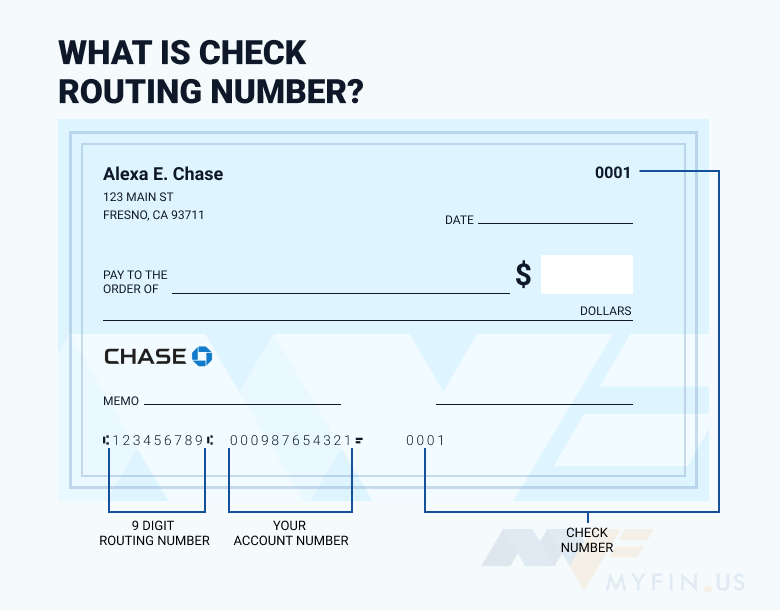
If you still use paper checks, your account number is printed at the bottom of every check using MICR (Magnetic Ink Character Recognition) font. This line of numbers contains three distinct sections:
-
The Routing Number: The first 9 digits on the left.
-
The Account Number: The middle set of digits, which for Chase will be your 9 to 13-digit identifier.
-
The Check Number: The final set of digits on the right, matching the number in the top right corner of the check.
Bank statements, whether received via mail or downloaded as a PDF, also contain your full account number. This is often the most “official” way to verify the number when applying for a mortgage or setting up significant financial contracts.
The Importance of the “Paper Trail”
While digital access is convenient, keeping a secure, physical record of your account numbers is a recommended practice for estate planning and emergency financial management. Knowing the length and format of your number allows you to quickly verify that the documents you are looking at are correct and current.
Distinguishing Account Numbers from Routing and Debit Card Numbers
A frequent mistake in personal finance management is the confusion between a bank account number, a routing number, and a debit card number. Each serves a completely different purpose within the monetary system.
Account Number vs. Routing Number
As previously mentioned, the routing number is a 9-digit code that identifies the financial institution. Chase has different routing numbers based on the state where the account was opened. For example, a Chase account opened in New York will have a different routing number than one opened in Texas.
The account number, however, is unique to the individual. While millions of people share the same Chase routing number, no two people share the same account number within that routing jurisdiction. When you are filling out a direct deposit form, the routing number tells the employer’s bank to “Send this to Chase in Ohio,” and the account number tells them “Put it in this specific person’s pocket.”
Account Number vs. Debit Card Number
Your 16-digit Chase debit card number is not your account number. The debit card is merely a “key” that provides access to the account. If your debit card is lost or stolen, Chase will issue you a new card with a completely different 16-digit number, but your 12-digit bank account number remains exactly the same.
This distinction is vital for automated billing. If you link your debit card to a streaming service, the service stops if the card expires or is replaced. If you link your bank account number (via ACH), the service continues uninterrupted regardless of what happens to your physical plastic card.
The Use of “Virtual” Account Numbers
In the realm of digital security, some financial tools now offer virtual account numbers to mask your real 12-digit Chase number. While Chase primarily uses this for credit card products, understanding that your “real” account number should be guarded as a primary credential is the foundation of digital asset protection.
Security Protocols and Fraud Prevention
Because your account number is the direct gateway to your liquid capital, it is a high-value target for bad actors. Understanding the length and structure of your number is part of a broader strategy for financial self-defense.
Safeguarding Your Account Number
You should treat your 12-digit Chase account number with the same level of confidentiality as your Social Security Number. In the wrong hands, an account number and a routing number are all that is needed to initiate an unauthorized ACH withdrawal.
-
Never share it via email: Standard email is unencrypted and easily intercepted.
-
Be wary of “Verification” calls: Chase will never call you and ask you to read your full account number to them. They already have it.
-
Destroy old checks: If you close an account or move to a new checkbook, shred the old ones. The MICR line at the bottom is a blueprint for your financial identity.
What to Do in Case of Compromise
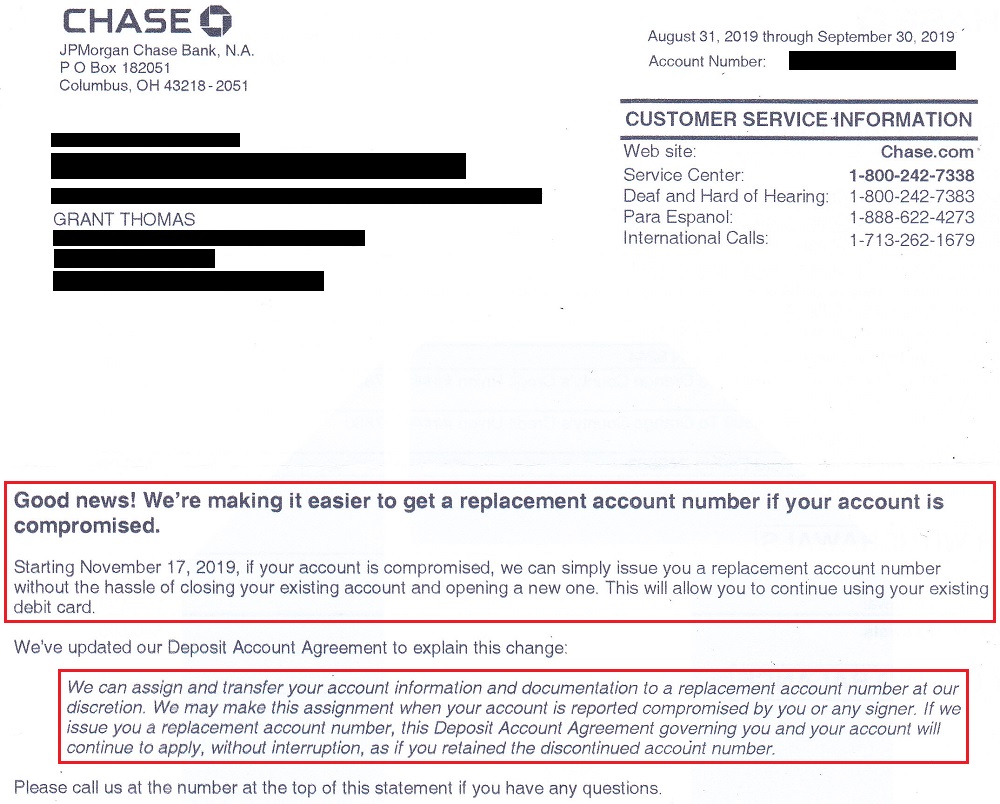
If you suspect your account number has been exposed—perhaps through a data breach at a payroll provider or a lost checkbook—you must act immediately. Unlike a credit card, where you can simply “freeze” transactions, a compromised account number often requires closing the account entirely and moving your funds to a new 12-digit identifier. This is a significant administrative burden, as it requires updating all direct deposits and automatic payments, which underscores the importance of proactive protection.
Monitoring for Micro-Deposits
When you link your Chase account to a new service like PayPal, Venmo, or an investment app like Vanguard, the service will often send two “micro-deposits” (small amounts less than $1.00) to your account. Verifying these amounts proves you have access to the account. This is a crucial security layer that utilizes your account number without exposing it to unnecessary risk.
The Evolution of Account Numbering in the Digital Age
As banking moves toward a more globalized and digitized future, the way we use account numbers is shifting. While the current 9 to 13-digit system remains the standard for Chase and other major U.S. banks, several trends are reshaping financial identification.
The Rise of Fintech and “Open Banking”
With the advent of Open Banking, you may find yourself using third-party APIs (like Plaid) to connect your Chase account to budgeting apps. In these instances, you often don’t even need to type in your 12-digit account number; instead, you log in via a secure portal that “tokens” your information. This reduces the number of places where your raw account number is stored, significantly lowering your “attack surface” for identity theft.
IBAN and International Standards
For those conducting international business, the standard U.S. account number format is often replaced by the IBAN (International Bank Account Number). While the U.S. does not currently use the IBAN system for domestic transfers, Chase customers receiving international wires will often need to provide their SWIFT/BIC code along with their standard account number. This highlights the importance of knowing your specific 12-digit string to ensure it can be mapped correctly to international messaging standards.

Conclusion: Mastery of Your Financial Data
Your Chase bank account number is more than just a string of 9 to 13 digits; it is the primary coordinate for your financial life. By knowing its length, where to find it securely, and how to distinguish it from other financial codes, you empower yourself to navigate the modern economy with confidence. In an era where financial technology is moving at a breakneck pace, the fundamental knowledge of how your money is identified remains your most important asset. Whether you are building an investment portfolio or simply managing daily expenses, precision in your account details ensures that your capital always reaches its intended destination securely and efficiently.
aViewFromTheCave is a participant in the Amazon Services LLC Associates Program, an affiliate advertising program designed to provide a means for sites to earn advertising fees by advertising and linking to Amazon.com. Amazon, the Amazon logo, AmazonSupply, and the AmazonSupply logo are trademarks of Amazon.com, Inc. or its affiliates. As an Amazon Associate we earn affiliate commissions from qualifying purchases.