
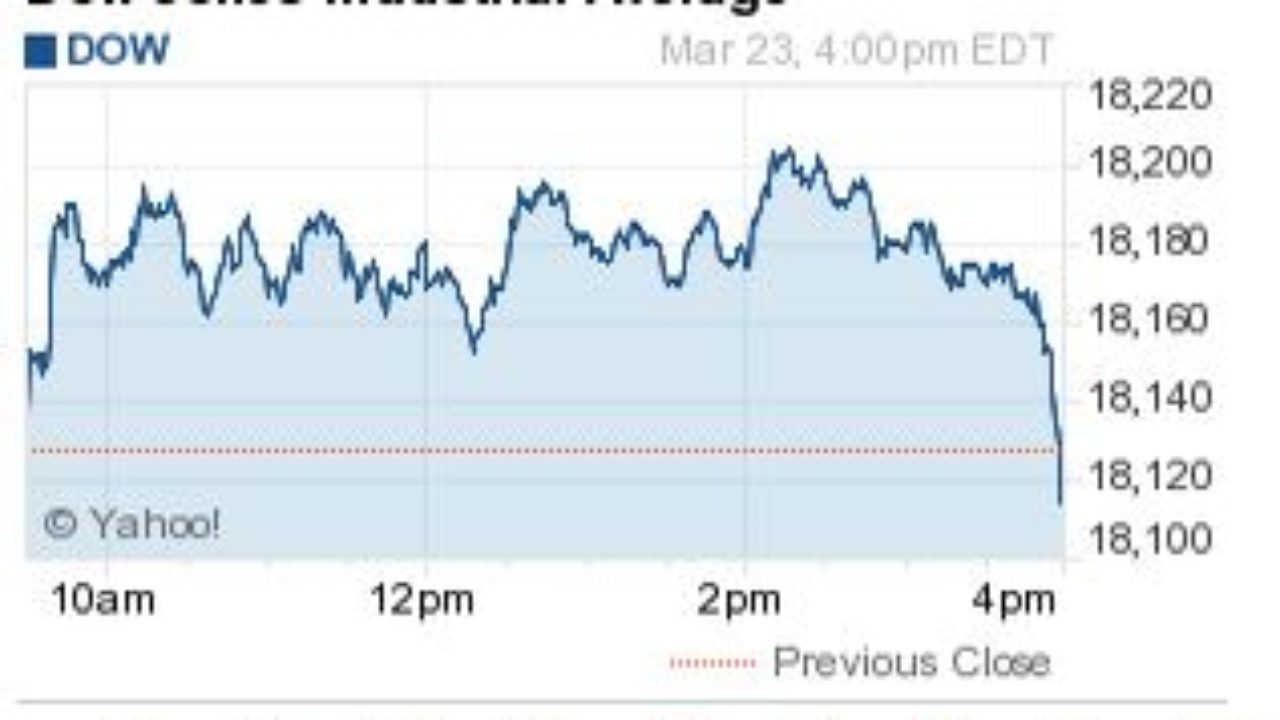
To the casual observer, the question “How is the stock market doing today?” might seem like a simple inquiry into whether a series of numbers on a screen are green or red. However, for the seasoned investor, the answer to that question is a complex tapestry woven from macroeconomic data, corporate earnings, geopolitical shifts, and human psychology. Understanding the current state of the stock market requires looking beyond the daily fluctuations of the Dow Jones Industrial Average and peering into the underlying mechanics that drive global capital.
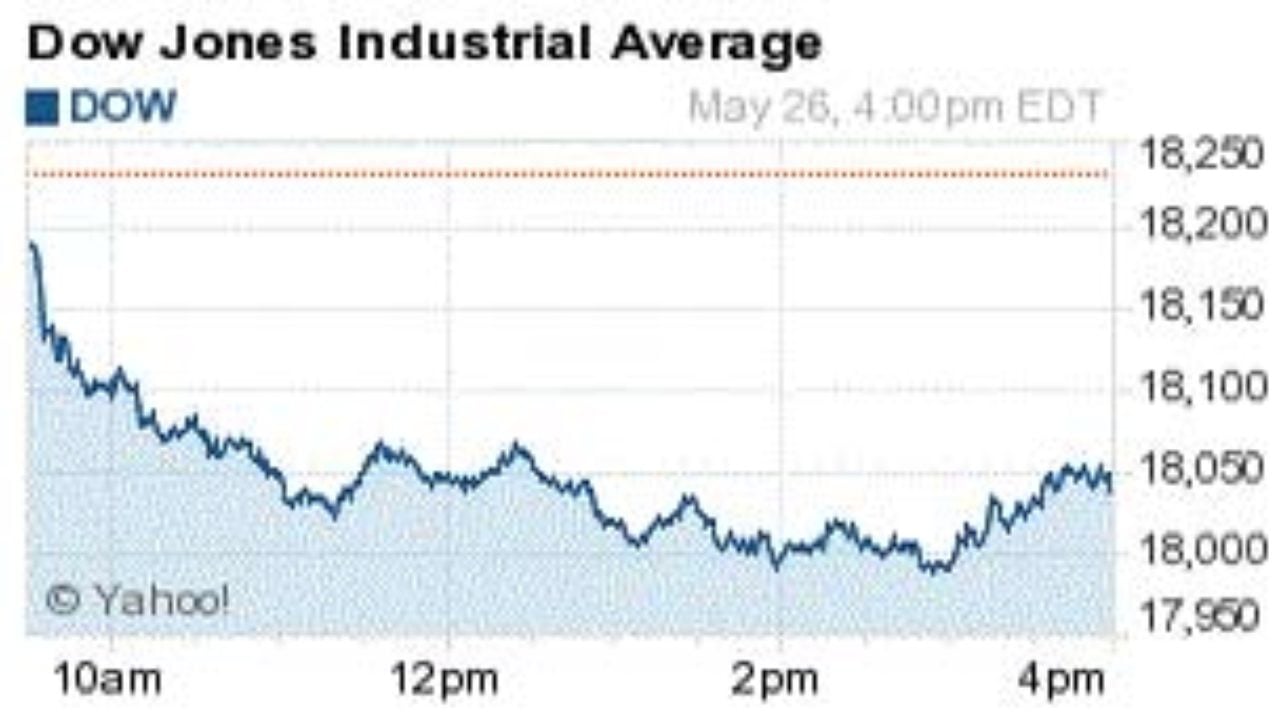
In today’s financial landscape, the “market” is more than just a collection of ticker symbols; it is a barometer for the collective expectations of the future. Whether you are a long-term retirement saver or an active trader, interpreting the market’s daily performance is essential for maintaining a healthy portfolio. This guide breaks down the essential components of market performance, the drivers behind today’s volatility, and how you can interpret these movements to make informed financial decisions.
1. The Pulse of the Market: Decoding Key Indices and Sentiment
When people ask how the market is doing, they are usually referring to the “Big Three” indices in the United States: the S&P 500, the Dow Jones Industrial Average (DJIA), and the Nasdaq Composite. Each provides a different perspective on the health of the economy.
Understanding the Big Three Indices
The S&P 500 is widely considered the best single gauge of large-cap U.S. equities. Because it is market-cap weighted, it reflects the performance of the 500 largest companies across all sectors. If the S&P 500 is up, it generally means the broader corporate environment is thriving.
The Nasdaq Composite, conversely, is heavily weighted toward the technology and growth sectors. When the Nasdaq outperforms, it suggests that investors have a high appetite for risk and are optimistic about future innovation. Finally, the Dow Jones consists of 30 “blue-chip” companies. It is a price-weighted index, making it a reflection of the “old guard” of American industry—stable, dividend-paying giants that offer a sense of security during turbulent times.
Market Breadth and the “Advance-Decline” Line
A crucial but often overlooked aspect of daily performance is “market breadth.” This refers to how many individual stocks are participating in a market move. If the S&P 500 is up 1%, but only five massive tech companies are rising while the other 495 are falling, the market is “thin” and potentially fragile. Investors look at the Advance-Decline (A/D) line to see if a rally is broad-based. A healthy market is one where a wide variety of sectors—from small-cap industrials to mid-cap healthcare—are moving upward together.
The VIX: Measuring the “Fear Gauge”
To understand how the market is doing today, one must also look at the CBOE Volatility Index, known as the VIX. The VIX measures the market’s expectation of 30-day volatility based on S&P 500 index options. A low VIX (typically below 20) indicates investor complacency and stability, while a high VIX suggests fear and uncertainty. Watching the VIX alongside price action provides a more complete picture of the “mood” on Wall Street.
2. Macroeconomic Drivers: Why the Market Moves
The stock market does not exist in a vacuum. It is heavily influenced by “macro” factors—large-scale economic indicators that dictate the flow of capital. Today’s market movements are frequently a reaction to data points that hint at the future direction of interest rates and inflation.
Monetary Policy and the Federal Reserve
The single most influential entity in the modern stock market is the Federal Reserve. Through its control of the federal funds rate, the Fed influences the cost of borrowing for companies and consumers alike. When the market is “doing well” in a low-interest-rate environment, it is often because cheap capital fuels corporate expansion and makes stocks more attractive than bonds. Conversely, when the Fed raises rates to combat inflation, the market often reacts negatively as the “discount rate” for future earnings increases, making stocks—especially high-growth tech stocks—less valuable in the present.
Inflation Data: CPI and PCE
In recent years, the Consumer Price Index (CPI) and Personal Consumption Expenditures (PCE) reports have become the most anticipated events on the financial calendar. If inflation is “sticky” or higher than expected, the market tends to sell off on fears that interest rates will stay higher for longer. Monitoring these reports allows investors to understand the fundamental pressure points that are driving daily price swings.
The Yield Curve and Recession Fears
The bond market often leads the stock market. Investors keep a close eye on the “yield curve”—the difference between short-term and long-term government bond yields. Historically, an “inverted” yield curve (where short-term rates are higher than long-term rates) has been a reliable predictor of economic recessions. If the stock market is volatile today, it may be because bond yields are signaling a slowdown in economic growth that has yet to hit corporate balance sheets.
3. Sector Rotation: Following the Money
The market is not a monolith; it is a collection of 11 different sectors, ranging from Energy and Materials to Technology and Consumer Staples. On any given day, money is constantly rotating between these sectors based on the economic cycle.
Growth vs. Value Dynamics
One of the most significant themes in today’s market is the tug-of-war between growth stocks and value stocks. Growth stocks (like those in the AI and software sectors) thrive when investors are willing to pay a premium for future earnings. Value stocks (like banks, energy companies, and retailers) are often preferred when the economy is stabilizing and investors are looking for solid dividends and low price-to-earnings ratios. Understanding which side is winning today can tell you a lot about investor confidence.
The Role of Corporate Earnings
Ultimately, the stock market is a “weighing machine” for corporate profits. Every quarter, companies report their earnings, and these reports act as a reality check for the market. If a major sector leader like Apple or Microsoft reports strong earnings but warns of a slowdown in the next quarter, it can drag down the entire market. “How the market is doing today” is often a direct reflection of whether the most recent earnings season met or exceeded the high bars set by analysts.
Defensives vs. Cyclicals
When the market feels “shaky,” investors often rotate into defensive sectors like Utilities and Healthcare. These companies provide essential services that people need regardless of the economy. On the other hand, in a booming market, “cyclical” sectors like Consumer Discretionary and Industrials tend to lead the way as people spend more on travel, cars, and luxury goods. Observing this rotation provides a window into the “risk-on” or “risk-off” mentality of the day.
4. Behavioral Finance: The Human Element of Today’s Market
While algorithms and high-frequency trading dominate the volume of today’s market, the underlying movements are still driven by human emotions: fear and greed. Behavioral finance helps explain why the market sometimes behaves in ways that seem to defy logic.
The “Magnificent Seven” and Market Concentration
In the current era, a handful of massive technology companies—often dubbed the “Magnificent Seven”—have an outsized impact on market performance. Because these companies represent such a large percentage of the S&P 500’s total value, the market can “look” like it is doing great even if the majority of stocks are struggling. This concentration creates a “herding” effect where investors pile into winners, potentially creating bubbles that are susceptible to sharp corrections.
News Cycles and Sentiment Shocks
We live in an era of 24-hour news and instant social media updates. A single tweet from a prominent CEO, a surprise geopolitical conflict, or an unexpected policy shift can cause an immediate “gap” in stock prices. Today’s market is more reactive than ever. Understanding that daily moves are often “noise” rather than “signal” is vital for the individual investor who wants to avoid making emotional mistakes based on short-term headlines.
The Impact of Retail Participation
Since 2020, retail investors have become a formidable force in the market. Through commission-free trading apps and social media communities, individual investors can move the needle on specific stocks (often called “meme stocks”). While this provides liquidity, it also introduces a new level of volatility and unpredictability to daily market action.
5. Navigating the Market: Strategies for Long-Term Success
Knowing how the market is doing today is only useful if you know how to act on that information. For most people, the best strategy is one that ignores daily “noise” in favor of long-term fundamentals.
The Power of Dollar-Cost Averaging
Regardless of whether the market is up or down today, the most successful investors utilize dollar-cost averaging (DCA). By investing a fixed amount of money at regular intervals, you buy more shares when prices are low and fewer shares when prices are high. This removes the stress of trying to “time” the market’s daily fluctuations.
Rebalancing and Diversification
A “good” day in the market for a tech investor might be a “bad” day for a commodities investor. This is why diversification is known as the only “free lunch” in finance. By holding a mix of stocks, bonds, international equities, and real estate, you ensure that your financial future isn’t tied to the performance of a single sector or index. Periodically rebalancing your portfolio ensures that you are “selling high” on your winners and “buying low” on underperforming assets that still have long-term value.
Maintaining a Long-Term Perspective
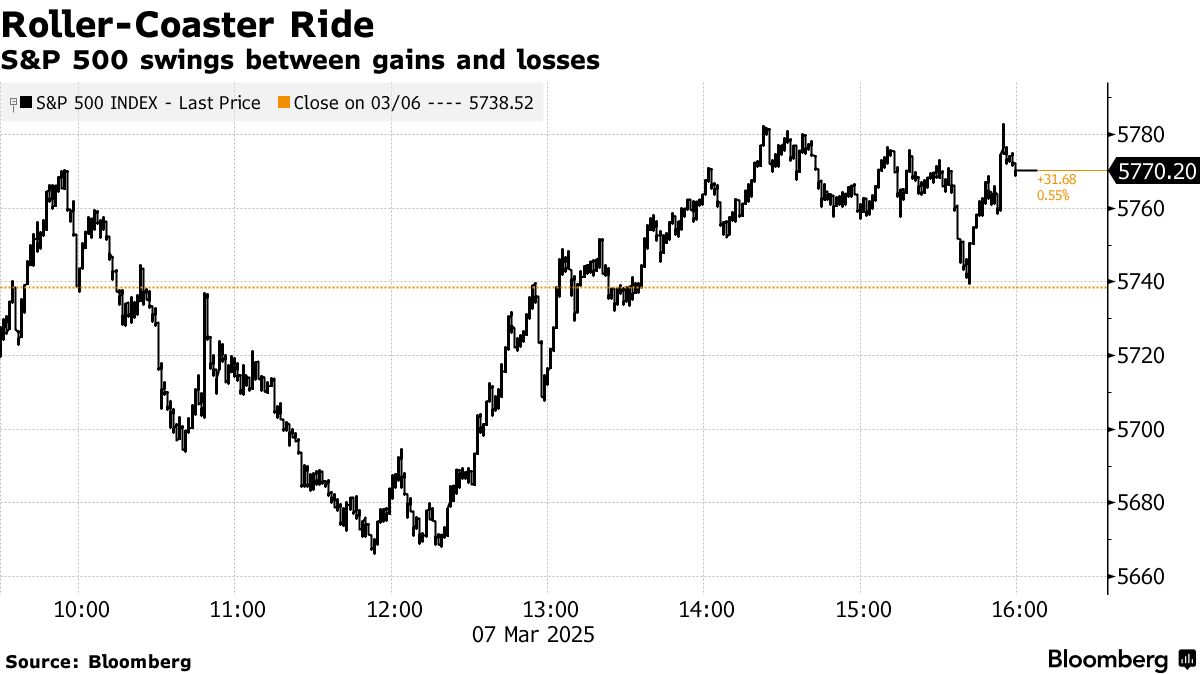
The stock market has historically returned about 10% annually over long periods. However, that average is made up of years with 30% gains and years with 20% losses. When you ask, “How is the market doing today?” it is important to remember that today is just one data point in a journey that spans decades. Professional investing is less about reacting to today’s news and more about having a plan that can withstand any market environment.
In conclusion, the state of the stock market today is a reflection of a thousand different variables—from the Federal Reserve’s latest meeting to the quarterly profits of a tech giant in Silicon Valley. By understanding the indices, the macroeconomic drivers, and the psychological forces at play, you can move beyond the “green and red” and develop a sophisticated understanding of the global economy. Stay informed, stay diversified, and most importantly, stay focused on your long-term financial goals.
aViewFromTheCave is a participant in the Amazon Services LLC Associates Program, an affiliate advertising program designed to provide a means for sites to earn advertising fees by advertising and linking to Amazon.com. Amazon, the Amazon logo, AmazonSupply, and the AmazonSupply logo are trademarks of Amazon.com, Inc. or its affiliates. As an Amazon Associate we earn affiliate commissions from qualifying purchases.