
The question of how the stock market is performing is rarely met with a simple “up” or “down” answer. In the modern financial ecosystem, “performance” is a multifaceted concept influenced by interest rates, corporate earnings, geopolitical stability, and the rapid evolution of investor sentiment. For the individual investor, understanding the current state of the market requires looking beyond the daily fluctuations of the major indices and peering into the underlying mechanics that drive global wealth. Currently, we find ourselves in a period of transition, where the exuberance of a tech-driven bull run is being balanced against the sobering realities of a high-interest-rate environment and shifting macroeconomic policies.
1. Decoding Current Market Performance: Benchmarks and Indices
To understand how the market is doing right now, one must first look at the primary thermometers of financial health: the S&P 500, the Nasdaq Composite, and the Dow Jones Industrial Average. Each provides a different perspective on the global economy’s trajectory.
The S&P 500 as the Global Economic Pulse
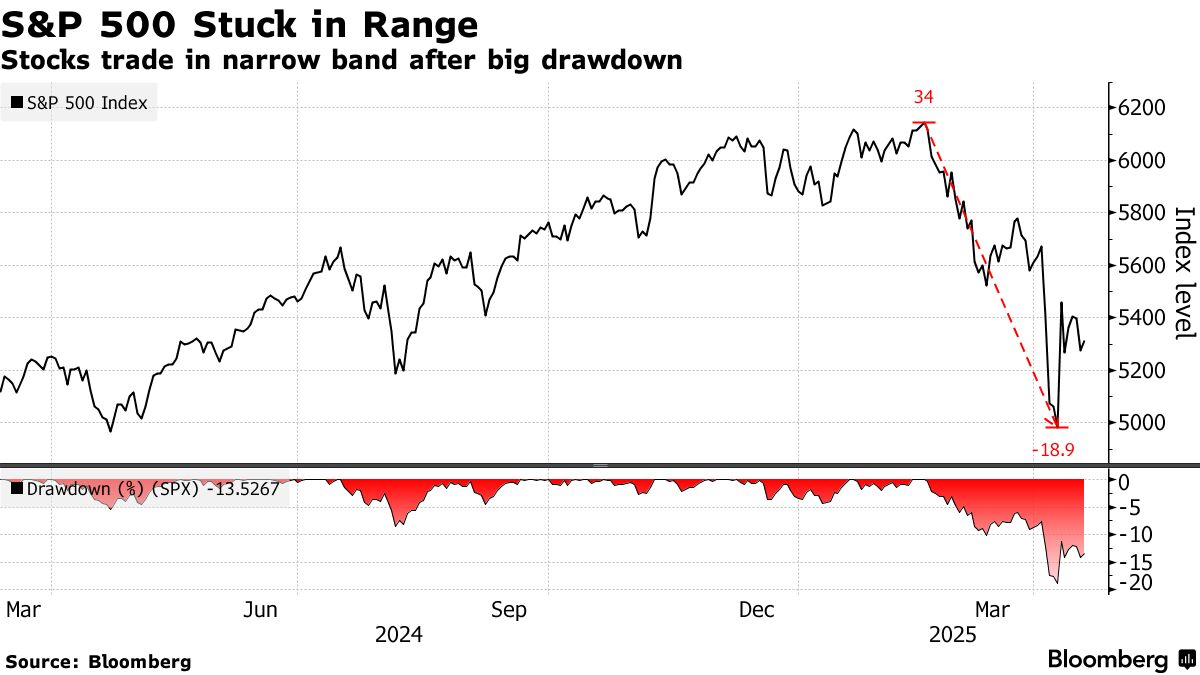
The S&P 500 is widely considered the best single gauge of large-cap U.S. equities. Currently, the index reflects a market that is resilient but cautious. While many expected a significant downturn due to tightening monetary policies, the S&P 500 has maintained a steady climb, driven largely by robust corporate earnings and a “soft landing” narrative. However, performance within the index remains polarized, with a handful of high-performing sectors carrying the weight of the broader market.
The Nasdaq and the Concentration of Tech Growth
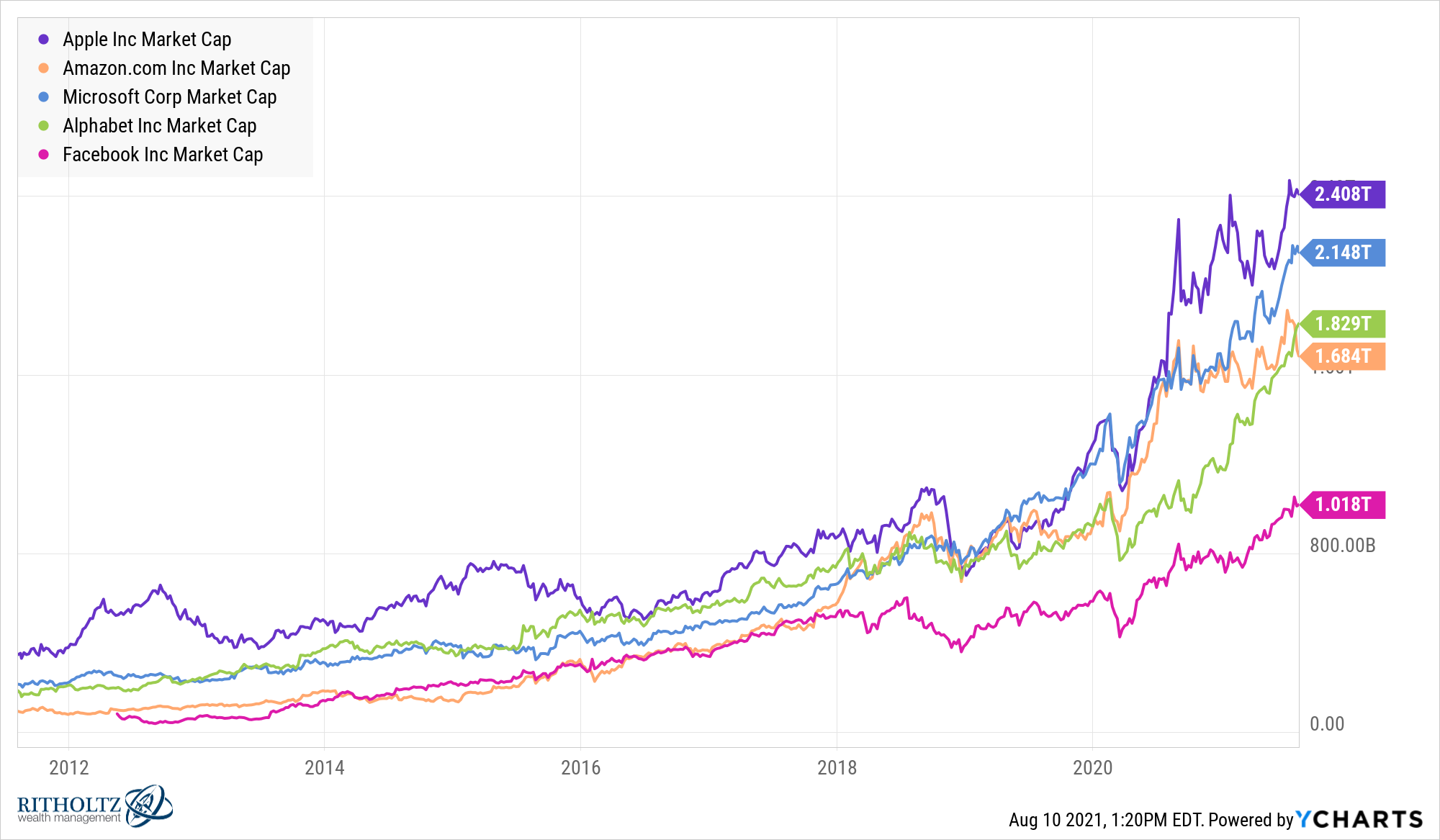
The Nasdaq Composite, heavily weighted toward technology and growth stocks, has been the primary engine of market gains over the past year. The surge in generative AI and cloud computing has propelled valuations for key players to historic highs. While this highlights a period of intense innovation, it also raises questions about market concentration. When a small group of “mega-cap” companies accounts for a significant percentage of the index’s total gains, the “health” of the market becomes heavily dependent on the quarterly earnings of just a few entities.
The Dow Jones and the Value Proposition
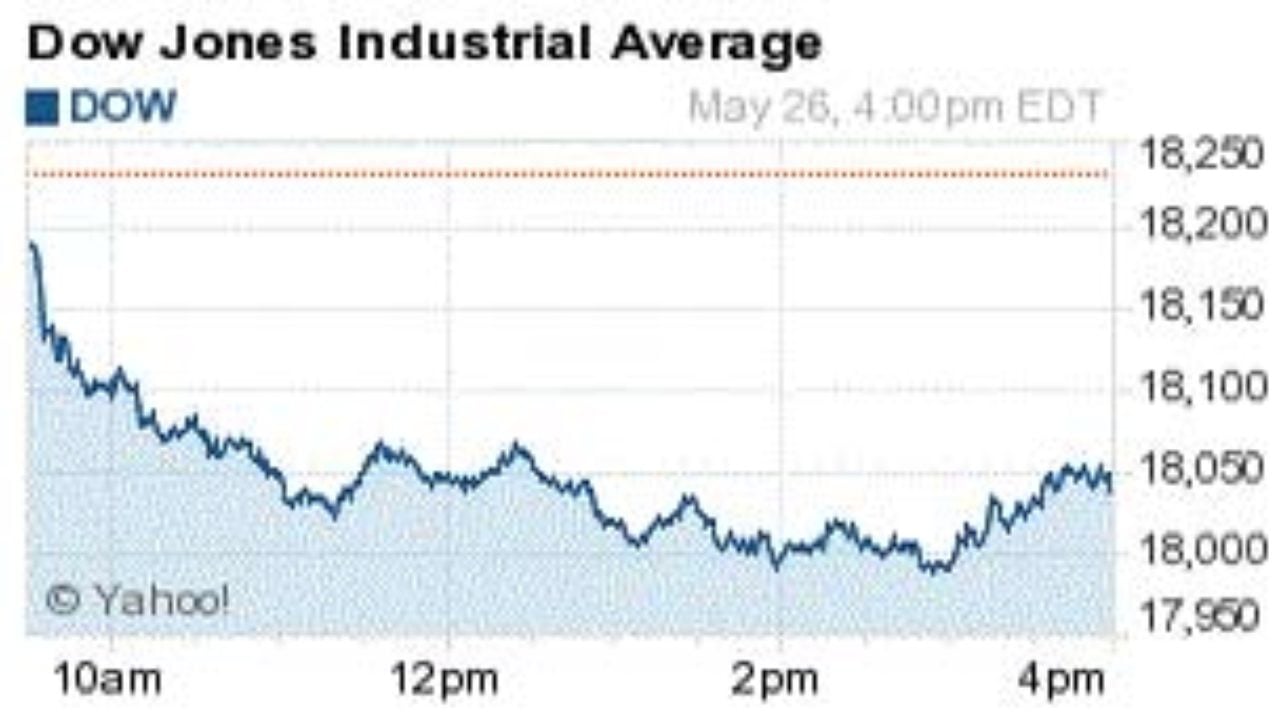
Unlike the Nasdaq, the Dow Jones Industrial Average focuses on 30 established, “blue-chip” companies. Its recent performance suggests a more defensive stance from investors. While tech stocks chase high growth, the Dow represents the stability of the industrial, consumer goods, and financial sectors. Tracking the Dow right now shows a market that is still valuing stability and dividends, particularly as investors seek hedges against potential volatility in the more speculative corners of the market.
2. Macroeconomic Drivers: The Forces Shaping the Market Today
The stock market does not exist in a vacuum; it is a reflection of the broader economic environment. Today, three primary macroeconomic factors are dictating the rhythm of trading floors globally.
Interest Rates and Federal Reserve Policy
Perhaps the most significant influence on the market right now is the Federal Reserve’s stance on interest rates. After a period of aggressive hikes to combat inflation, the market is currently in a “wait-and-see” phase regarding potential cuts. High interest rates generally make borrowing more expensive for companies and reduce the present value of future earnings, which can weigh on stock prices. Conversely, any signal of a “pivot” toward lower rates tends to trigger a rally. The market is currently hypersensitive to every Fed announcement, searching for clues on when the cost of capital will finally begin to descend.
Inflation Data and Consumer Spending
Inflation remains the “ghost in the machine.” While the Consumer Price Index (CPI) has cooled from its 2022 peaks, it remains above the Fed’s 2% target. The market is currently reacting to “sticky” inflation—pockets of the economy where prices refuse to drop, such as housing and services. Because consumer spending accounts for roughly two-thirds of the U.S. GDP, investors are closely monitoring whether high prices will eventually lead to a “consumer burnout.” So far, the American consumer has remained surprisingly resilient, which has provided a solid floor for the equity markets.
Geopolitical Stability and Energy Costs
From conflicts in Europe and the Middle East to trade tensions in Asia, geopolitical risk is a constant factor in market volatility. These events primarily affect the stock market through energy prices and supply chain disruptions. Right now, the market is pricing in a “risk premium” for oil and gas. Any escalation that threatens global energy supplies can lead to immediate inflationary pressure, which in turn forces central banks to keep interest rates high—a chain reaction that investors are watching with bated breath.
3. The Role of Innovation and Earnings in Market Growth
While macroeconomics sets the stage, corporate performance is the lead actor. How the stock market is doing right now is inextricably linked to how well companies are adapting to a changing world.
The “Magnificent Seven” and Market Leadership
A significant portion of the current market’s success is attributed to the “Magnificent Seven”—a group of high-performing tech giants. These companies have demonstrated an unparalleled ability to generate cash flow even in high-interest-rate environments. Their investment in Artificial Intelligence (AI) has created a narrative of future productivity gains that investors are willing to pay a premium for. However, the market is now demanding results; the current phase is shifting from “AI hype” to “AI monetization,” where companies must show that these investments are actually translating into bottom-line growth.
Corporate Earnings and Profit Margins
Beyond tech, the broader corporate sector is navigating a landscape of rising labor costs and fluctuating demand. Current earnings seasons have shown that companies with strong “pricing power”—the ability to raise prices without losing customers—are thriving. On the other hand, companies in the retail and manufacturing sectors are seeing squeezed margins. The stock market’s current performance is a tale of two cities: those who can innovate and pass on costs, and those who are being crushed by the weight of inflation and debt.
4. Navigating Uncertainty: Strategies for Modern Investors
For the individual looking at how the market is doing right now, the primary challenge is distinguishing between “signal” and “noise.” In an era of 24-hour financial news and instant trading apps, the temptation to react to every dip is high.
The Importance of Diversification in a High-Yield Environment
With high interest rates, “cash” and fixed-income assets like Treasury bonds have become viable competitors to stocks for the first time in over a decade. Right now, a healthy market strategy often involves a balanced approach. While equities offer growth potential, the bond market currently offers attractive yields with lower risk. Diversification across asset classes is more critical now than it was during the “Zero Interest Rate Policy” (ZIRP) era, as it helps mitigate the volatility seen in the tech-heavy indices.
Long-Term Perspective vs. Short-Term Volatility
Historically, the stock market has always rewarded patience. Despite the current concerns regarding inflation and interest rates, the long-term trajectory of the market has remained positive. Investors who focus on “time in the market” rather than “timing the market” are generally better positioned to weather the current uncertainty. The current market state is a reminder that volatility is the price of entry for long-term wealth accumulation.
Leveraging Financial Tools for Real-Time Analysis
Today’s investors have access to an unprecedented array of tools to gauge market health. From real-time data terminals to AI-driven portfolio optimizers, the ability to analyze market trends has been democratized. However, the abundance of data can lead to “analysis paralysis.” Successful investors right now are those who use these tools to monitor fundamental indicators—such as Price-to-Earnings (P/E) ratios and debt-to-equity levels—rather than chasing the latest viral stock trend.
5. Future Outlook and Technical Indicators
Looking forward, the stock market is approaching several technical and psychological “crossroads” that will define the remainder of the fiscal year.
Resistance Levels and Market Sentiment
Technical analysts are currently watching key “resistance levels” on the S&P 500. These are price points that the market has historically struggled to break through. If the market can sustain a move above these levels, it signals a renewed “bullish” sentiment. Conversely, if it fails to break through, we may see a period of “consolidation,” where prices trade sideways as the market digests recent gains and waits for more clarity from the Federal Reserve.
The Yield Curve and Recessionary Fears
The “yield curve”—the difference between short-term and long-term interest rates—has remained inverted for an extended period. Historically, an inverted yield curve is a reliable predictor of a recession. However, the current stock market seems to be defying this historical precedent, betting on the “soft landing” mentioned earlier. The tension between what the bond market is signaling (caution) and what the stock market is signaling (optimism) is one of the most intriguing aspects of the current financial landscape.
Closing Thoughts: A Market of Resilience
In summary, how the stock market is doing right now is a story of incredible resilience in the face of headwinds. We are seeing a market that is powered by innovation, supported by a strong labor market, but constrained by the gravity of high interest rates. It is a market that rewards quality and earnings over speculation. For the disciplined investor, the current environment offers both challenges and significant opportunities, provided one remains focused on the fundamental drivers of value rather than the ephemeral whispers of the daily news cycle. By understanding the interplay between indices, macroeconomics, and corporate earnings, you can navigate this complex landscape with confidence and clarity.
aViewFromTheCave is a participant in the Amazon Services LLC Associates Program, an affiliate advertising program designed to provide a means for sites to earn advertising fees by advertising and linking to Amazon.com. Amazon, the Amazon logo, AmazonSupply, and the AmazonSupply logo are trademarks of Amazon.com, Inc. or its affiliates. As an Amazon Associate we earn affiliate commissions from qualifying purchases.