
The daily movements of the S&P 500 index are a perpetual source of fascination, concern, and opportunity for millions of investors and financial onlookers worldwide. Far more than just a number flashing across a screen, “how the S&P 500 is doing today” serves as a real-time pulse check on the health of the American economy, investor sentiment, and the collective outlook for corporate profitability. For many, it’s a direct reflection of their retirement savings, their investment portfolios, and even their broader financial confidence.
While a single day’s performance might seem trivial in the grand scheme of long-term investing, understanding the immediate factors influencing the S&P 500 can offer valuable insights into prevailing market dynamics, underlying economic currents, and the narratives shaping global finance. This article will delve into what the S&P 500 represents, the multifaceted elements that dictate its daily dance, and the profound implications its performance has for individual investors and the broader financial landscape. We’ll explore why today’s headlines are just one piece of a much larger puzzle, and how discerning investors can navigate the often-turbulent waters of daily market fluctuations with a strategic, informed perspective.

Understanding the S&P 500: A Market Barometer
Before diving into the specifics of its daily movements, it’s crucial to grasp what the S&P 500 is and why it commands such significant attention. It’s not merely a collection of stocks; it’s a meticulously curated index that acts as a powerful barometer for both the U.S. equity market and the economy at large.
What is the S&P 500?
The S&P 500, or Standard & Poor’s 500, is a stock market index that tracks the performance of 500 of the largest publicly traded companies in the United States. Unlike other indices that might focus on a specific sector or a different number of companies, the S&P 500 is distinct for several key reasons. Firstly, its selection process is rigorous, requiring companies to meet criteria related to market size, liquidity, public float, sector representation, and profitability. This ensures that only established, influential firms with significant market impact are included. Secondly, it is a market-capitalization-weighted index, meaning companies with larger market values have a greater impact on the index’s overall performance. For example, a 1% move in a trillion-dollar company like Apple or Microsoft will influence the index far more than a 1% move in a company with a market cap of “only” tens of billions.
Collectively, the companies within the S&P 500 represent approximately 80% of the total market capitalization of the U.S. equity market. This broad coverage across diverse sectors—from technology and finance to healthcare and industrials—makes it an exceptionally reliable indicator of the overall health and direction of the American corporate landscape and, by extension, the broader economy. When financial news outlets report on “the market’s performance,” they are very often referring to the S&P 500’s movements.
Why Does Its Daily Movement Matter?
The S&P 500’s daily fluctuations are far from arbitrary; they are a concentrated reflection of countless economic, political, and corporate narratives unfolding minute by minute. Each uptick or downtick represents the collective sentiment of millions of investors responding to new information. For individual investors, its daily performance directly impacts the value of their diversified portfolios, especially those holding index funds, mutual funds, or exchange-traded funds (ETFs) that track the S&P 500. A down day can mean a temporary dip in the value of their 401(k) or IRA, while an up day can signal growth.
Beyond personal portfolios, the S&P 500’s daily health is seen as a bellwether for investor confidence. A sustained period of positive performance can indicate optimism about future corporate earnings and economic growth, encouraging further investment and potentially stimulating consumer spending. Conversely, a significant drop can signal anxiety about an impending recession, geopolitical instability, or negative corporate outlooks, leading to a retrenchment in investment and consumer behavior. Financial professionals, economists, and policymakers closely monitor its daily movements, using them to gauge market sentiment, evaluate the effectiveness of economic policies, and anticipate future trends in job growth, inflation, and overall economic stability. Thus, understanding “how the S&P 500 is doing today” is not just about tracking numbers, but about interpreting the complex interplay of forces shaping our financial present and future.
Decoding Today’s Market Performance
The S&P 500’s performance on any given day is the culmination of myriad factors, ranging from macro-economic releases to micro-level corporate events and even the prevailing psychological mood of market participants. Deciphering these influences is key to understanding the underlying forces driving market behavior beyond superficial daily headlines.
Key Factors Influencing Daily Swings
The daily performance of the S&P 500 is a highly dynamic equilibrium, constantly being adjusted by new information and shifting perceptions. Several critical categories of factors regularly trigger its swings:
- Economic Indicators: These are perhaps the most potent drivers. Reports such as the Consumer Price Index (CPI) and Producer Price Index (PPI) offer insights into inflation, impacting interest rate expectations. Employment data, like the monthly non-farm payrolls, reveals the health of the labor market and consumer purchasing power. Gross Domestic Product (GDP) reports indicate overall economic growth or contraction. Manufacturing indices (e.g., PMI) provide a snapshot of industrial activity. Strong economic data can boost optimism, while weak data can spark concerns, each translating to market reactions.
- Corporate Earnings: The performance of the 500 companies within the index is fundamentally tied to their profitability. During earnings season, reports from major constituents can significantly sway the entire index. Positive earnings surprises or optimistic guidance can lift the market, while disappointments or pessimistic forecasts can lead to broad sell-offs, especially if a large, influential company is involved.
- Interest Rate Expectations and Central Bank Policy: The Federal Reserve’s stance on interest rates is a colossal market mover. Statements from Fed officials, minutes from FOMC meetings, and actual rate hikes or cuts directly influence the cost of borrowing for companies and consumers, impacting corporate profits and investment attractiveness. Higher rates generally make bonds more appealing relative to stocks, potentially dampening equity enthusiasm.
- Geopolitical Events: Global affairs can have immediate and far-reaching effects. Wars, trade disputes, political instability in major economies, or significant international agreements can create uncertainty, disrupt supply chains, impact commodity prices, and fundamentally alter investor risk appetite.
- Commodity Prices: The price of key commodities, particularly oil and gas, can impact corporate profitability (e.g., transportation costs, manufacturing inputs) and consumer spending power. Spikes in oil prices, for instance, can act as a tax on consumers and businesses, potentially slowing economic activity and leading to inflation concerns.
- Market Sentiment and Technical Factors: Beyond fundamentals, human psychology plays a role. Broad market sentiment—whether fear or greed predominates—can amplify moves. Technical factors, such as large institutional buying or selling programs, expiration of options contracts, or movements crossing key technical support/resistance levels, can also contribute to daily volatility and directional shifts, sometimes independent of new fundamental news.
How to Interpret “Today’s” Data
When observing the S&P 500’s performance on any given day, it’s crucial to adopt a measured and analytical approach rather than reacting emotionally to every fluctuation. A single day’s movement, whether up or down, is merely a data point in a much larger, ongoing trend. Investors should resist the urge to overreact to daily volatility, which is a normal characteristic of healthy markets. Instead, focus on identifying the underlying reasons for the day’s performance. Was it driven by a significant economic report, an unexpected corporate announcement, or a broader shift in geopolitical sentiment?
Understanding the context is paramount. For example, a strong earnings report from a major tech company might boost the S&P 500 on a day when overall market sentiment is otherwise negative due to rising interest rate concerns. Conversely, an overall positive market day might mask sector-specific weaknesses. Informed investors look beyond the headline percentage change and delve into sector-specific performance, trading volumes, and the market’s reaction to specific news items to discern meaningful patterns. This deeper analysis helps to differentiate between temporary noise and genuine shifts in market fundamentals or economic direction, aiding in more rational decision-making for long-term financial planning.
Implications for Investors and Personal Finance
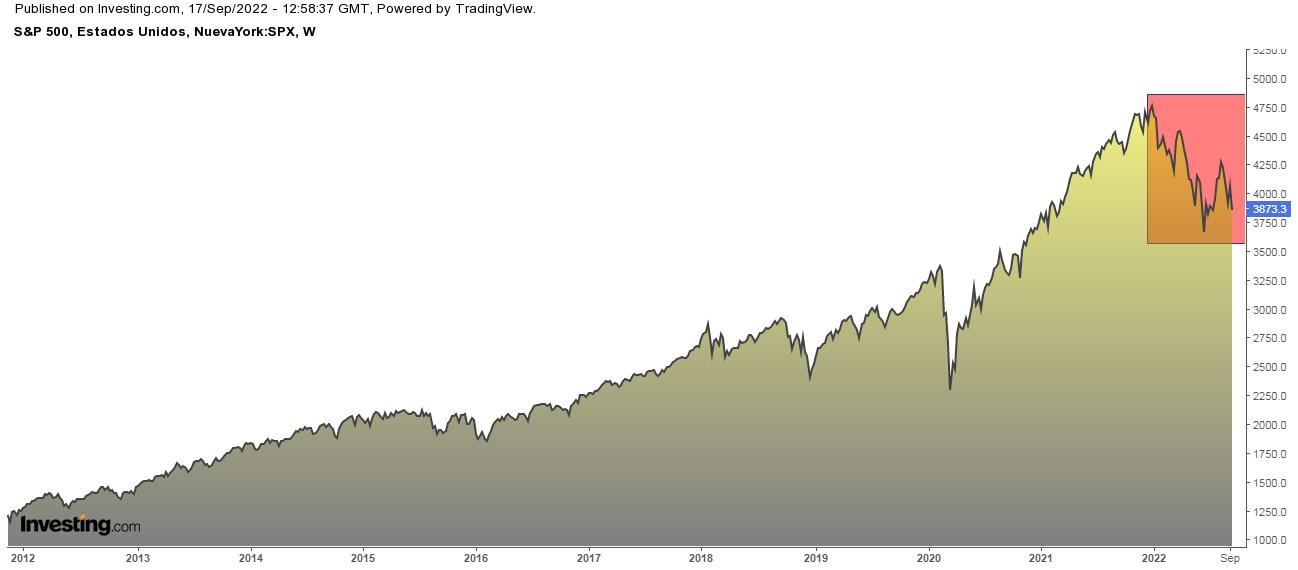
The daily movements of the S&P 500 carry different weights and implications depending on an individual’s investment horizon, financial goals, and risk tolerance. Understanding these varied impacts is crucial for making sound personal finance decisions.
For Long-Term Investors
For individuals focused on long-term wealth accumulation, such as saving for retirement or a child’s education, the S&P 500’s daily performance should ideally be viewed with a degree of detachment. These investors often subscribe to strategies like dollar-cost averaging, where they invest a fixed amount regularly, regardless of market highs or lows. This approach naturally mitigates the impact of daily volatility and benefits from the market’s historical upward trend over decades.
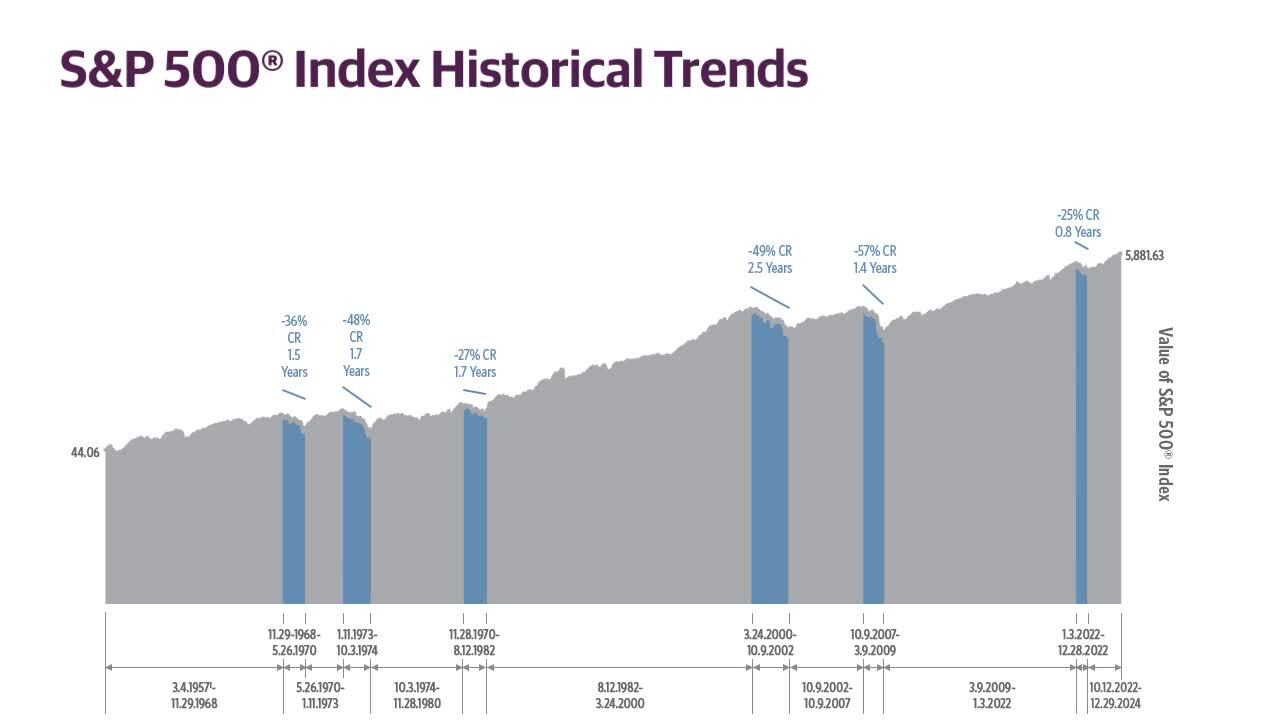
The primary focus for long-term investors should be on diversification—while the S&P 500 itself is diversified across 500 companies, a truly diversified portfolio might also include international stocks, bonds, real estate, and other asset classes to spread risk further. Emotional decisions based on daily news, such as selling during a downturn or buying heavily during a peak out of fear or euphoria, are typically detrimental to long-term returns. Instead, periodic rebalancing of one’s portfolio to maintain the desired asset allocation, coupled with a consistent investment strategy, is generally more effective. The S&P 500’s historical average annual return, despite numerous short-term corrections and bear markets, underscores the power of patience and a long-term perspective.
For Short-Term Traders
In stark contrast, daily S&P 500 movements are the bread and butter for short-term traders and day traders. For them, understanding market momentum, technical analysis (charts, patterns, indicators), and immediate news reactions is critical. High volatility, which might be a source of anxiety for long-term investors, presents opportunities for rapid gains (and equally rapid losses) for traders employing strategies like swing trading or scalping.
These individuals often use sophisticated tools and leverage to capitalize on small percentage changes within a single trading session or over a few days. However, this approach comes with significantly higher risk. Successful short-term trading demands strict risk management protocols, constant monitoring of market developments, a deep understanding of market psychology, and the ability to execute decisions swiftly and unemotionally. It’s a highly specialized field that differs fundamentally from long-term investing principles and is generally not recommended for novice investors.
Beyond Direct Investment: Ripple Effects
The S&P 500’s daily performance extends its influence far beyond direct investment portfolios, creating ripple effects across the broader economy and individual financial well-being. A sustained period of positive S&P 500 performance often correlates with increased consumer confidence. When people see their retirement accounts growing and the economy appearing strong, they are generally more inclined to spend, which in turn fuels economic growth. Conversely, significant market downturns can lead to a “wealth effect” in reverse, prompting consumers to tighten their belts, reduce discretionary spending, and increase savings, potentially slowing economic activity.
For businesses, the S&P 500’s health can impact investment decisions and hiring plans. A strong market environment, indicative of robust corporate earnings and positive economic forecasts, can encourage companies to expand, innovate, and hire more staff. Conversely, a weakening market can signal caution, leading businesses to defer investment, slow hiring, or even implement layoffs. This interconnectedness highlights how the daily pulse of the S&P 500 is not just a financial metric but a deeply embedded component of the economic ecosystem, influencing everything from job prospects to the overall standard of living for many individuals.
Navigating Market Volatility and Future Outlook
The only constant in financial markets is change. Market volatility, characterized by sharp upswings and downturns in indices like the S&P 500, is an inherent feature of investing. Learning to navigate these periods effectively is paramount for long-term financial success.
Strategies for Uncertain Times
Periods of heightened market volatility, whether driven by economic uncertainty, geopolitical tensions, or unforeseen global events, can be unsettling. However, rather than succumbing to panic, savvy investors utilize these times to reaffirm their financial principles.
Firstly, stay informed, not overwhelmed. While it’s important to understand the news driving market movements, avoid constant, minute-by-minute monitoring, which can lead to emotional decisions. Focus on reputable financial news sources and contextualize daily headlines within your long-term strategy. Secondly, review your financial plan regularly. Uncertain times are an excellent opportunity to revisit your financial goals, risk tolerance, and asset allocation. Ensure your portfolio remains aligned with your objectives and make any necessary adjustments based on a calm, rational assessment, not panic. Thirdly, maintain an emergency fund. Having readily accessible cash for unexpected expenses can prevent you from having to sell investments at an inopportune time during a market downturn. Finally, consider professional financial advice. A qualified financial advisor can provide personalized guidance, help you create a robust financial plan, and offer an objective perspective during emotional market periods, ensuring your decisions are sound and strategic.
What to Watch Moving Forward
While “today’s” S&P 500 performance is important, discerning investors always look ahead. Several key areas warrant close attention as they are likely to shape the S&P 500’s trajectory in the coming weeks and months:
- Federal Reserve Policy: The trajectory of interest rates remains a dominant force. Upcoming Fed meetings, statements from the Chair, and inflation data will heavily influence expectations for monetary policy, impacting everything from corporate borrowing costs to consumer credit.
- Corporate Earnings Season: The health of corporate America is the bedrock of the S&P 500. Upcoming earnings reports, especially from the largest constituents, will provide crucial insights into profitability, growth prospects, and the resilience of various sectors in the current economic environment.
- Global Economic Health: The U.S. economy does not operate in a vacuum. Developments in major global economies, such as China’s growth trajectory, Eurozone stability, and geopolitical events in key regions, can have significant spillover effects on U.S. corporate revenues and investor sentiment.
- Technological Advancements: Innovation continues to be a powerful driver of economic growth and market performance. Breakthroughs in areas like artificial intelligence, renewable energy, and biotechnology can create new industries, disrupt existing ones, and fuel long-term productivity gains for S&P 500 companies. Monitoring these trends can offer a glimpse into future market leadership.
Understanding these forward-looking indicators allows investors to anticipate potential shifts and adapt their strategies proactively rather than reactively.
In conclusion, asking “how is the S&P 500 doing today?” opens a window into a complex, interconnected world of finance. While the daily percentage change captures immediate market sentiment, it is only truly meaningful when understood within the broader context of economic indicators, corporate performance, global events, and long-term investment goals. For personal finance and investing, the S&P 500 serves as an indispensable reference point, guiding strategies from the most conservative retirement planning to the most aggressive day trading. By approaching its daily movements with knowledge, perspective, and a clear strategy, investors can transform potential anxiety into informed decision-making, ultimately contributing to their long-term financial well-being.
aViewFromTheCave is a participant in the Amazon Services LLC Associates Program, an affiliate advertising program designed to provide a means for sites to earn advertising fees by advertising and linking to Amazon.com. Amazon, the Amazon logo, AmazonSupply, and the AmazonSupply logo are trademarks of Amazon.com, Inc. or its affiliates. As an Amazon Associate we earn affiliate commissions from qualifying purchases.