
The concept of saving money has often been portrayed as an act of deprivation—a relentless pursuit of the “no” that leaves one’s lifestyle feeling restricted and dull. However, in a modern economic landscape characterized by fluctuating inflation, digital transformation, and shifting employment paradigms, saving is no longer just about putting coins in a jar. It is an act of strategic empowerment. To save is to purchase future freedom, to mitigate systemic risk, and to build a foundation for long-term wealth.
My approach to saving is rooted in the philosophy of “Conscious Allocation.” It isn’t about how much I can restrict myself from spending, but rather how efficiently I can direct my capital toward the things that provide the highest return on life. This article outlines the multi-layered strategy I use to manage capital, leverage financial technology, and cultivate a mindset that prioritizes long-term solvency over short-term gratification.
The Psychology of Modern Saving: Beyond the Piggy Bank
Traditional financial advice often fails because it ignores the behavioral psychology of the saver. To save effectively, one must move beyond the “budgeting” mindset—which often feels like a diet—and move toward a “financial architecture” mindset. This involves understanding why we spend and how we can re-engineer our environment to make saving the path of least resistance.
Shifting from Scarcity to Abundance Mindset
The primary obstacle to saving is the “scarcity trap.” When we focus solely on what we are giving up—the latte, the dinner out, the new gadget—we trigger a psychological response that makes us crave those things more. I have shifted my perspective to view every dollar saved as a “worker” hired to build my future. Instead of seeing a $500 savings contribution as $500 I can’t spend, I see it as $500 that is now earning interest, shielded from taxes, and working 24/7 to ensure I never have to work a job I dislike. This shift from “losing money today” to “buying time tomorrow” is the cornerstone of my financial discipline.
The 50/30/20 Rule in a High-Inflation Era
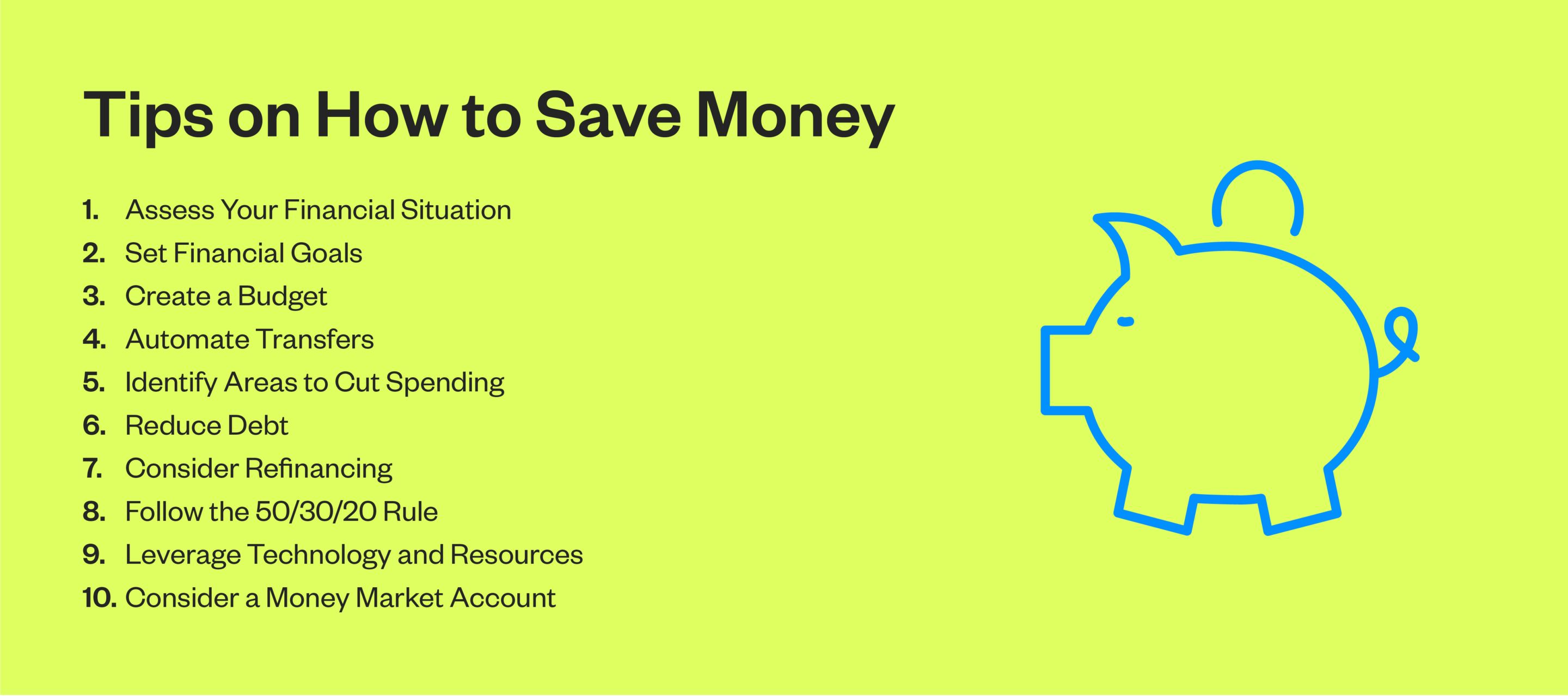
While the 50/30/20 rule (50% needs, 30% wants, 20% savings) is a classic framework, I have adapted it to account for modern volatility. In periods of high inflation, “needs” often expand, threatening the “savings” category. To combat this, I treat my 20% savings goal as a “non-negotiable utility bill.” By categorizing my savings as a debt I owe to my future self, it takes priority over the “wants” category. If my needs increase due to rising rent or grocery costs, I am forced to pull from the 30% “wants” bucket rather than dipping into my wealth-building 20%.
Building a Resilient Digital Ecosystem for Financial Management
In the digital age, manual saving is an invitation for human error. The most effective way I save is by removing myself from the decision-making process as much as possible. By leveraging fintech and automation, I ensure that my financial goals are met regardless of my willpower on any given day.
Automating the Flow: The Set-and-Forget Strategy
The “Pay Yourself First” principle is the single most effective tool in my arsenal. I have configured my payroll system and bank accounts to automatically distribute my income the moment it arrives.
- The Buffer: A small percentage stays in checking for immediate bills.
- The Vault: A fixed percentage is swept into a High-Yield Savings Account (HYSA).
- The Engine: A fixed percentage is directed toward brokerage and retirement accounts.
Because this happens before I even see the balance in my primary spending account, I am never tempted to spend money that was destined for my future. This “forced scarcity” in my checking account naturally regulates my discretionary spending.
Leveraging High-Yield Savings Accounts (HYSA) and Fintech
Leaving large sums of cash in a traditional checking or savings account is a recipe for losing purchasing power. I utilize High-Yield Savings Accounts that offer interest rates significantly higher than the national average. Furthermore, I use “Sinking Funds”—separate digital buckets within my savings account—for specific goals like travel, car maintenance, or annual insurance premiums. This prevents me from looking at a lump sum of savings and mistakenly thinking I have more “free” money than I actually do. Each dollar has a job and a name, which provides clarity and prevents “accidental” overspending.
Strategic Lifestyle Optimization: The ‘Hidden’ Savings
Saving is often more about what you don’t spend than what you do earn. However, I distinguish between “frugality” (spending less) and “optimization” (getting more value for every dollar). This involves a deep audit of recurring costs and a conscious decision to opt out of the “lifestyle creep” that plagues most professionals as their income grows.
The Variable Expense Audit
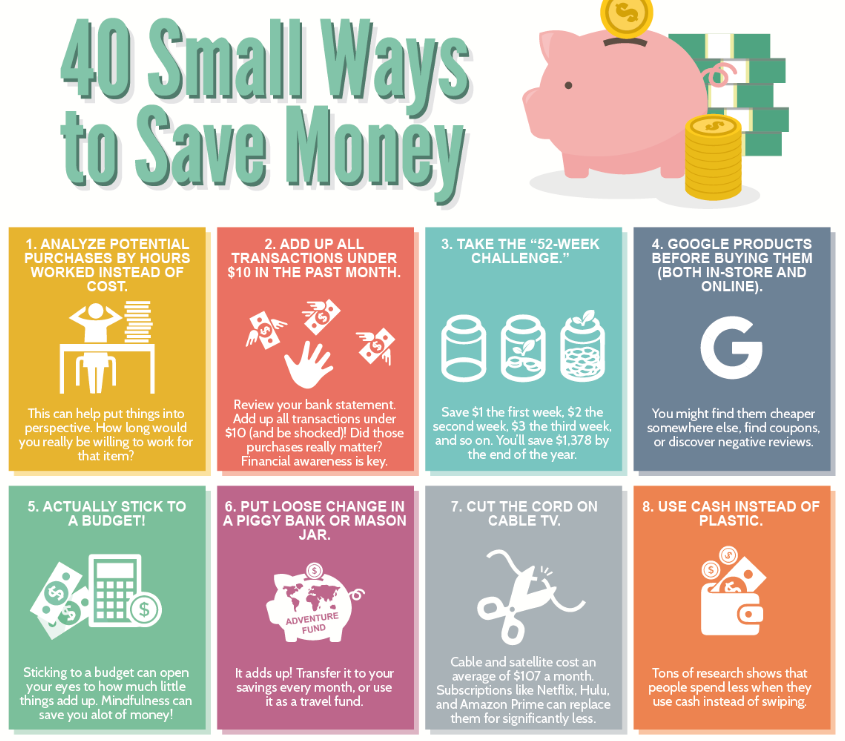
Every quarter, I perform a “subscription and recurring cost audit.” In the digital economy, $10 and $20 monthly charges can silently erode a savings plan. I use tools to identify every recurring charge on my credit cards and ask one question: “Has this service provided a measurable improvement to my life in the last 30 days?” If the answer isn’t a definitive yes, it is canceled. This process usually uncovers $50 to $100 in “leakage” that can be redirected toward my investment accounts.
Conscious Consumption vs. Frugal Fatigue
Frugal fatigue occurs when someone tries to cut every possible expense, leading to a burnout that results in a massive “revenge spending” spree. To avoid this, I practice conscious consumption. I am “ruthlessly cheap” on things that don’t matter to me (like fancy cars or designer clothes) so that I can be “extravagantly generous” on things that do (like high-quality food, books, and meaningful experiences). By allowing myself the freedom to spend on my true priorities, the act of saving in other areas doesn’t feel like a sacrifice; it feels like a trade-off I am happy to make.
Investing as the Ultimate Form of Saving
It is a common misconception that saving and investing are separate entities. In reality, saving is the prerequisite for investing, and investing is the protection for your savings. Without investing, “saved” cash is slowly devoured by inflation. To truly save for the long term, one must transition from a cash-heavy position to an asset-heavy position.
Dollar-Cost Averaging into Diversified Assets
I do not try to “time the market” with my savings. Instead, I use Dollar-Cost Averaging (DCA). Every month, a portion of my savings is automatically invested into low-cost, broad-market index funds and ETFs. Whether the market is up or down, the contribution remains the same. This disciplined approach removes the emotional stress of market volatility and ensures that I am buying more shares when prices are low and fewer when they are high. Over time, this is the most reliable way to turn monthly savings into a compounding fortune.
Tax-Advantaged Accounts: The Stealth Wealth Builder
A critical component of my saving strategy is maximizing tax-advantaged accounts, such as a 401(k), IRA, or HSA (Health Savings Account). By contributing to these accounts, I am essentially “saving” the money that would have otherwise gone to the government in taxes. For instance, contributing to a traditional 401(k) lowers my taxable income, meaning I save money on my tax bill today while building a nest egg for tomorrow. The HSA is particularly powerful—it offers a “triple tax advantage” (tax-deductible contributions, tax-free growth, and tax-free withdrawals for medical expenses), making it one of the most efficient saving vehicles available in the modern financial system.
Conclusion: The Long-Term Impact of a Systematic Approach
Saving is not an event; it is a lifestyle and a system. By combining the right psychological mindset with automated digital tools and a strategic investment plan, I have moved away from the stress of “living paycheck to paycheck” toward a state of financial optionality.
The beauty of this system is its scalability. Whether I am earning a modest salary or a high executive income, the principles remain the same: automate the essentials, optimize the variables, and invest the surplus. “How I save” is ultimately a reflection of how I value my time and my future. It is the quiet, disciplined process of building a life that is not dictated by financial anxiety, but by choice and opportunity. In the end, the goal isn’t just to have a large bank account—it’s to have the peace of mind that comes from knowing you have built a fortress around your financial future.
aViewFromTheCave is a participant in the Amazon Services LLC Associates Program, an affiliate advertising program designed to provide a means for sites to earn advertising fees by advertising and linking to Amazon.com. Amazon, the Amazon logo, AmazonSupply, and the AmazonSupply logo are trademarks of Amazon.com, Inc. or its affiliates. As an Amazon Associate we earn affiliate commissions from qualifying purchases.