
In the intricate world of personal finance, a few numbers hold as much quiet power as your bank’s routing number. Often overlooked until explicitly needed, this nine-digit code is the backbone of countless financial transactions, facilitating everything from direct deposits to bill payments and wire transfers. For the financially savvy individual, understanding what a routing number is, its purpose, and crucially, how to locate it efficiently, is not just a convenience—it’s a fundamental aspect of managing one’s money effectively. This guide delves into the essence of routing numbers, providing a comprehensive roadmap for identifying yours, whether you prefer traditional methods or the latest digital tools.

Demystifying the Routing Number: Your Financial GPS
Before we embark on the practical journey of finding your routing number, it’s essential to grasp its fundamental role in the financial ecosystem. It’s more than just a sequence of digits; it’s a critical identifier that ensures your money reaches its intended destination securely and accurately.
What is a Routing Number and Its Purpose?
A routing number, officially known as an ABA (American Bankers Association) Routing Transit Number (RTN), is a nine-digit code used to identify a specific financial institution in the United States. Think of it as the unique address for your bank, credit union, or other financial services provider. When you send or receive money electronically, this number tells the financial system exactly which institution to route the funds to.
Its primary purpose is to facilitate secure and efficient processing of transactions such as:
- Direct Deposits: Your salary, government benefits, or tax refunds use your routing number to ensure funds land in the correct bank account.
- Automated Clearing House (ACH) Transfers: This includes recurring bill payments, online transfers between banks, and peer-to-peer payment services.
- Wire Transfers: For larger, urgent, or international money movements, the routing number is critical for identifying the receiving bank.
- Check Processing: Every check you write or deposit uses your bank’s routing number to direct funds properly.
Without the correct routing number, financial transactions can be delayed, rejected, or worse, misdirected, leading to significant financial and logistical headaches. It’s the silent workhorse that keeps the financial machinery running smoothly.
The Critical Distinction: Routing vs. Account Numbers
A common point of confusion for many is distinguishing between a routing number and an account number. While both are crucial for financial transactions, they serve distinct purposes:
- Routing Number (9 digits): Identifies your specific financial institution. All accounts at a particular branch (or sometimes even across multiple branches of the same bank) will share the same routing number for most standard transactions. Some large banks may have different routing numbers for different regions or types of transactions (e.g., wires vs. ACH).
- Account Number (typically 10-12 digits, can vary): Identifies your specific individual account within that financial institution. This number is unique to your checking, savings, or other specific account, even if you have multiple accounts at the same bank.
To illustrate, imagine you’re sending a letter. The routing number is like the city and state (identifying the general location), while your account number is the street address and house number (pinpointing the exact recipient within that location). Both are indispensable; one without the other renders the transaction incomplete or incorrect. Always ensure you provide the correct number for the correct purpose to avoid errors.
Why Knowing Your Routing Number is Non-Negotiable
In today’s fast-paced financial landscape, readily accessing your routing number is not just a good idea; it’s a necessity. From setting up recurring payments to receiving your paycheck, nearly every significant financial interaction outside of cash or credit card transactions will ask for this identifier. Proactively knowing where to find it empowers you to:
- Expedite Financial Setup: Quickly set up direct deposit with a new employer or government agency, ensuring timely access to your funds.
- Streamline Bill Payments: Easily establish automatic payments for utilities, loans, or subscriptions, avoiding late fees and maintaining a good credit standing.
- Facilitate Transfers: Seamlessly move money between your own accounts at different banks or send funds to others.
- Avoid Delays and Errors: Prevent the frustration of bounced payments or rejected transfers due to incorrect information.
- Enhance Financial Control: By understanding and having ready access to this core financial data, you gain greater control over your money movement and financial planning.
Traditional Avenues: Where to Look First
Despite the proliferation of digital tools, some of the most reliable methods for finding your routing number are those that have stood the test of time. These traditional avenues often serve as a fail-safe and can be particularly useful when digital access is limited.
The Indispensable Paper Check
For many, the most common and iconic place to find a routing number is on a physical check. If you have a checkbook for your checking account, you have immediate access to this information.
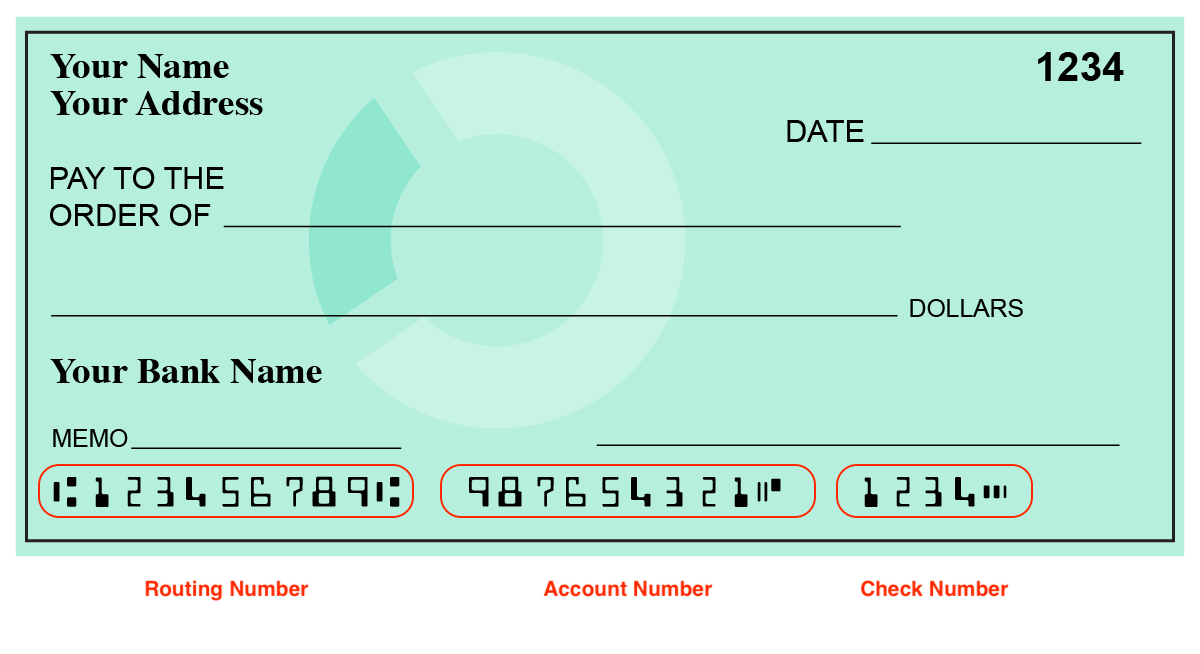
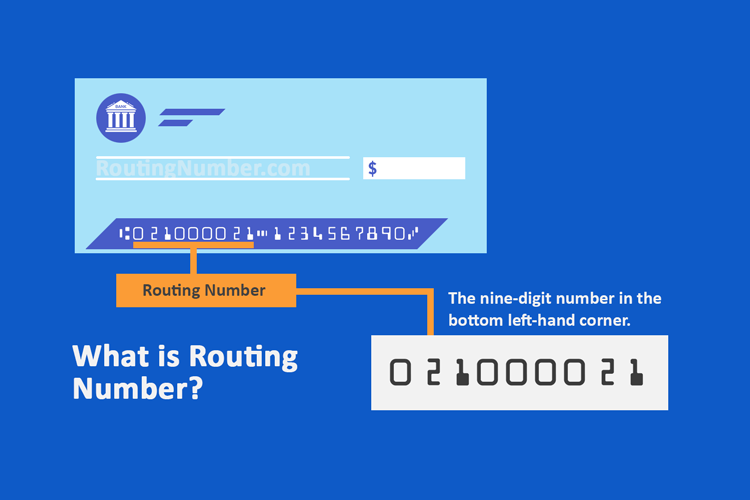
Look at the bottom left-hand corner of any check from your checkbook. You’ll typically see three sets of numbers printed in magnetic ink (MICR line):
- Routing Number: This is the first set of nine digits on the far left.
- Account Number: This is usually the second set of numbers, immediately following the routing number.
- Check Number: This is the third set, often matching the check number printed in the top right corner.
Pro Tip: Always double-check that the routing number on your checks matches what your bank provides through other channels, especially if you have ordered checks from a third-party vendor or if your bank has recently merged or changed its routing structure.
Deciphering Your Bank Statements
Whether you receive paper statements in the mail or access digital versions online, your bank statement is another reliable source of your routing number. Financial institutions typically include this critical information as a standard feature.
On a physical statement, look for it near the top or bottom of the page, often alongside your account number and other bank contact details. For online statements (accessed via your bank’s website or app), the routing number is usually displayed prominently in a similar location. This method is particularly useful if you don’t have a physical checkbook readily available or are looking for the routing number associated with a savings account that doesn’t issue checks.
The Human Touch: Contacting Your Financial Institution
When in doubt, or if you prefer direct confirmation, contacting your bank or credit union directly is always a secure and reliable option. This method ensures you receive the most accurate and up-to-date information directly from the source.
- Call Customer Service: Dial your bank’s main customer service number (found on their website, the back of your debit card, or on a statement). Be prepared to verify your identity with account details or security questions to ensure they are providing information to the rightful owner.
- Visit a Local Branch: If you’re near a branch, a quick visit to a teller or customer service representative can provide you with your routing number. This is also an excellent opportunity to clarify any other banking questions you might have.
While these methods might take a few extra minutes, they offer unparalleled accuracy and peace of mind, especially for critical transactions.
Navigating the Digital Landscape: Online and Mobile Solutions
In an increasingly digital world, financial institutions have made it incredibly convenient to access your banking information, including your routing number, through their online platforms and mobile applications. These methods offer instant access and are often the preferred choice for many.
Harnessing the Power of Online Banking Portals
Your bank’s online banking portal is a treasure trove of personal financial information, and your routing number is almost always prominently featured. Once you log in, navigate to the section that displays your account details.
Look for areas labeled:
- “Account Summary”
- “Account Details”
- “Statements”
- “Direct Deposit Information”
- “Frequently Asked Questions (FAQs)”
Many banks will display the routing number directly on the summary page for your checking or savings account. Some might require you to click into “Account Details” or a similar link to reveal it. Always ensure you are on your bank’s official website and that the connection is secure (look for “https://” and a padlock icon in your browser’s address bar) before entering login credentials.
Instant Access with Mobile Banking Applications
Mobile banking apps have revolutionized how we interact with our money, placing banking services directly in the palm of our hand. Finding your routing number through your bank’s official mobile app is usually a straightforward process.
After logging into the app:
- Tap on your specific checking or savings account.
- Look for an “Account Details,” “Info,” or “Show Details” option.
- Your routing number, often along with your account number, will typically be displayed there. Some apps might even have a dedicated “Direct Deposit Info” section that provides both numbers in an easy-to-copy format.
Mobile apps offer unparalleled convenience for quick lookups, making them an indispensable tool for managing your financial life on the go.
Exploring Your Bank’s Official Website
Even without logging into your personal account, your bank’s public website is often a valuable resource for general routing numbers. Many banks list their primary routing numbers on their “Contact Us,” “Help,” or “FAQ” pages. Some even provide a dedicated “Find Your Routing Number” tool.
This method is particularly useful if you need the general routing number for a bank where you don’t have an account (e.g., if someone needs to send you money and asks for your bank’s routing number before you’ve logged in). However, always be cautious to ensure you are on the official bank website and not a phishing site designed to steal your information.
Beyond Retrieval: Practical Application and Security
Knowing how to find your routing number is only part of the equation. Understanding its practical applications and, more importantly, how to safeguard this sensitive information, are crucial steps towards comprehensive financial literacy and security.
Common Scenarios Requiring Your Routing Number
Having your routing number at the ready proves invaluable in a multitude of financial interactions. Here are some of the most common scenarios:
- Setting Up Direct Deposit: When starting a new job or enrolling in government benefits (like Social Security), you’ll provide your routing and account numbers to ensure your payments are deposited directly into your bank account.
- Automating Bill Payments: For recurring payments like rent, mortgage, utilities, or loan installments, you often link your bank account using these numbers to set up automatic withdrawals.
- Transferring Funds Between Banks: Whether you’re moving money between your own accounts at different financial institutions or sending money to a friend’s account, the routing number identifies the receiving bank.
- Receiving Tax Refunds: If you opt for direct deposit of your tax refund, the IRS requires your routing and account numbers.
- Initiating Wire Transfers: For large, time-sensitive, or international money transfers, wire services explicitly require the recipient’s bank routing number (and often a specific wire routing number, which may differ from the ACH routing number).
- Linking to Third-Party Financial Apps: Services like budgeting apps, investment platforms, or peer-to-peer payment apps often require your bank details, including the routing number, to connect to your accounts securely.
Protecting Your Financial Identifiers: Best Practices
Your routing number, especially when combined with your account number, is sensitive information that could potentially be exploited by fraudsters. While it’s less critical than, say, your Social Security number or credit card details, exercising caution is always prudent.
- Be Mindful of Who You Share It With: Only provide your routing and account numbers to trusted entities, such as your employer, legitimate financial institutions, or known service providers.
- Avoid Public Disclosure: Never post your routing number (or account number) on social media, public forums, or unsecured websites.
- Secure Physical Documents: Keep your checkbooks and bank statements in a secure location where unauthorized individuals cannot access them. Shred old statements and voided checks before discarding.
- Use Secure Digital Channels: When accessing your routing number online, ensure you are using your bank’s official website or app, and that your connection is secure (HTTPS). Avoid accessing sensitive financial information on public Wi-Fi networks.
- Monitor Your Accounts: Regularly review your bank statements and transaction history for any unauthorized activity. Promptly report any suspicious transactions to your bank.
Troubleshooting: When the Number Eludes You
Despite the many ways to find your routing number, there might be rare instances where it still seems elusive. If you’ve exhausted the common methods:
- Recheck Bank Mergers: If your bank recently merged with another, their routing numbers might have changed. A quick search for “[Bank Name] routing number after merger” might yield results.
- Verify Account Type: Some specific account types (e.g., certain money market accounts, investment accounts linked to a bank) might have unique routing instructions or might not use a standard routing number for all transaction types. In these cases, contacting customer service is paramount.
- Beware of Scams: If an unsolicited email or phone call asks for your routing number, be extremely wary. Legitimate institutions typically won’t ask for this information without you initiating the contact or being in a secured, authenticated session.
In virtually all situations, a direct call to your bank’s customer service or a visit to a branch will resolve the issue. They have direct access to your account information and can provide the correct routing number tailored to your specific needs.
Conclusion
The routing number, while seemingly a minor detail in the grand scheme of personal finance, is an indispensable component of modern banking. Mastering the various methods of locating it—from scrutinizing a physical check to navigating your bank’s mobile app—empowers you to conduct your financial life with confidence and efficiency. By understanding its purpose, distinguishing it from your account number, and adopting best practices for its security, you not only streamline your financial transactions but also fortify your overall financial security. In the journey of responsible money management, knowing “how I find my routing number” is a small but significant step towards greater financial autonomy.
aViewFromTheCave is a participant in the Amazon Services LLC Associates Program, an affiliate advertising program designed to provide a means for sites to earn advertising fees by advertising and linking to Amazon.com. Amazon, the Amazon logo, AmazonSupply, and the AmazonSupply logo are trademarks of Amazon.com, Inc. or its affiliates. As an Amazon Associate we earn affiliate commissions from qualifying purchases.