
In the complex landscape of modern personal finance, your bank account number serves as the foundational identifier for your liquid assets. Whether you are setting up a direct deposit for a new high-yield savings account, initiating a wire transfer for a real estate transaction, or linking your primary checking account to an investment platform, the need for this specific set of digits is frequent and critical. While the digitalization of banking has made accessing these numbers easier than ever, it has also introduced layers of security and interface diversity that can sometimes make the simple task of finding a number feel surprisingly difficult.
Understanding where and how to locate your account number—and more importantly, how to manage it securely—is a fundamental skill in financial literacy. This guide explores the various channels through which you can retrieve this information, the distinctions between different banking identifiers, and the best practices for maintaining the security of your financial identity.
Leveraging Digital Platforms for Instant Access
The most immediate method for locating your bank account number in the modern era is through your financial institution’s digital ecosystem. Most major banks and credit unions have invested heavily in user experience, placing essential information within a few clicks or taps, though they often mask this data behind security walls to protect your privacy.
Navigating Mobile Banking Apps
Mobile applications are now the primary touchpoint for consumer banking. To find your account number via a mobile app, you generally need to log in using biometric verification (FaceID or fingerprint) or a secure passcode. Once inside the dashboard, you typically tap on the specific account you are inquiring about—whether it is a checking, savings, or money market account.
In many app interfaces, the account number is not immediately visible on the home screen to prevent “shoulder surfing” or unauthorized viewing in public spaces. You will often look for an “Account Details,” “Info,” or “Manage” tab. Some institutions use a “Show” or “Eye” icon next to a masked version of the number (e.g., ****6789). Tapping this will reveal the full string of digits. This is the fastest way to retrieve the information while on the go, especially when setting up mobile payment services.
Online Banking Portals and Dashboard Navigation
For those who prefer a desktop environment, online banking portals offer a more expansive view of your financial data. After navigating the multi-factor authentication (MFA) protocols, you will find your accounts listed on a central dashboard. Similar to mobile apps, the full account number is usually hidden by default for security purposes.
To find it, you should navigate to the “Account Services” or “Statements” section. Often, clicking on the “Account Summary” will provide a downloadable PDF or a pop-up window containing the full account number, the routing number, and the bank’s physical address. Digital portals are particularly useful because they often allow you to copy and paste the number directly into other financial applications, reducing the risk of manual entry errors which can lead to failed transfers or “bounced” electronic payments.
Traditional Records and Physical Assets
Despite the shift toward paperless banking, physical documents and traditional banking tools remain highly reliable sources for your account information. These methods are particularly useful if you are locked out of your digital accounts or if you are working in an offline environment.
The Anatomy of a Personal Check
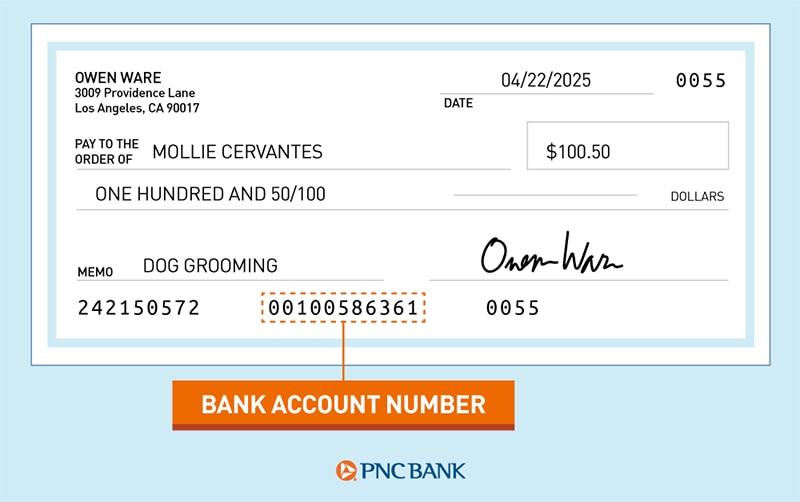
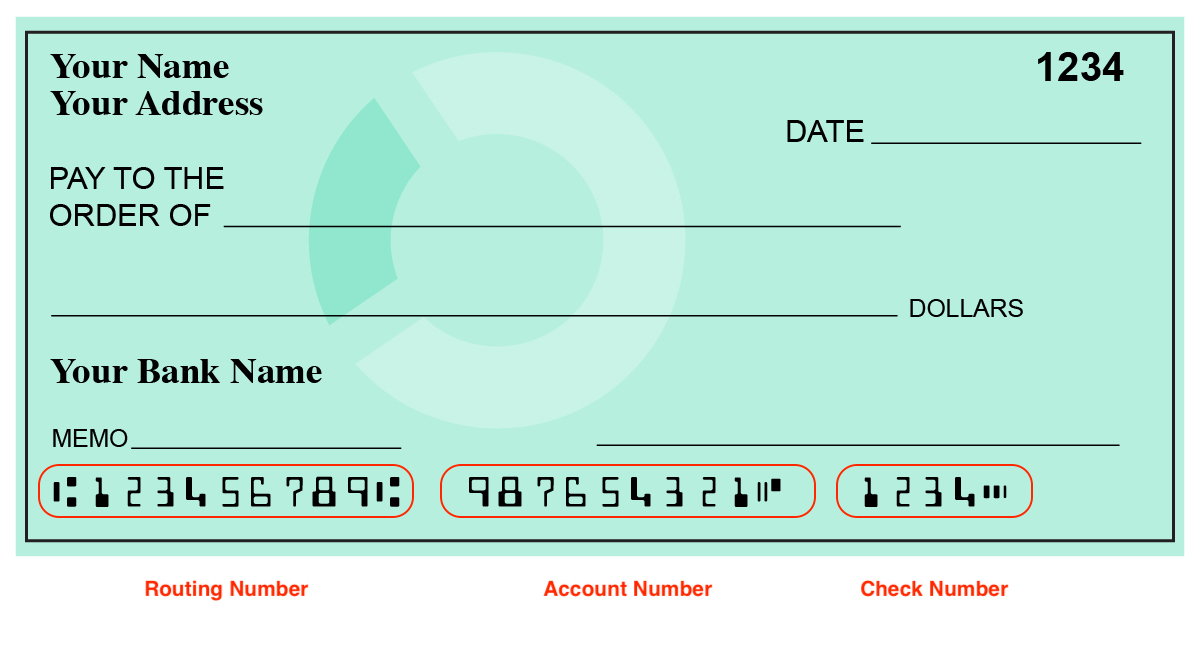
If you still use a physical checkbook, finding your account number is straightforward. Every personal check contains a series of numbers printed at the bottom using Magnetic Ink Character Recognition (MICR) technology. This line of numbers is designed to be read by high-speed processing machines and consists of three distinct parts.
The first set of nine digits is the ABA Routing Number, which identifies your specific bank. The second set of digits, usually located in the center or slightly to the right, is your unique account number. The third, shorter set of digits is the check number itself. It is important not to confuse the routing number with the account number; the routing number is public information shared by all members of your bank, whereas the account number is unique to your specific funds.
Analyzing Monthly Statements
Your monthly bank statement—whether received via mail or downloaded as a PDF—is a legal record of your financial activity. Your account number is prominently displayed at the top of the first page, usually near your name and address.
For security reasons, some modern statements may only show the last four digits of the account number on the outer envelope or in the summary section, but the full number is almost always included in the “Account Detail” section of the document. Keeping a secure file of these statements, either physically in a locked cabinet or digitally in an encrypted cloud drive, ensures you always have access to your account identifiers when needed for tax preparation or loan applications.

Reviewing Original Opening Documents
When you first open a bank account, the institution provides a “Welcome Kit” or a “Signature Card.” This documentation includes the terms and conditions of the account, the fee schedule, and, most importantly, your new account number. For business owners, these documents are vital for corporate transparency and are often required when registering for an Employer Identification Number (EIN) or setting up merchant services.
Direct Assistance and Verification Protocols
In instances where digital access is compromised and physical documents are unavailable, you must rely on direct communication with your financial institution. This process is governed by strict “Know Your Customer” (KYC) regulations designed to prevent identity theft.
Branch Visits and Identification Requirements
Visiting a local branch remains the most secure way to verify your identity and retrieve account information. You will be required to present a valid government-issued photo ID, such as a driver’s license or passport. A personal banker can then access your profile and provide you with a printed document containing your account and routing numbers. This is often the preferred method for individuals dealing with large estate settlements or complex business accounts where absolute accuracy is paramount.
Telephone Banking and Security Questions
Most banks offer a customer service line that can assist with account inquiries. However, due to the high risk of social engineering attacks, phone representatives will not simply give out an account number without rigorous verification. You will likely be asked to verify recent transaction amounts, your social security number, and perhaps answers to pre-set security questions (e.g., “What was the name of your first pet?”).
In some cases, to maintain high security, a bank may refuse to read the account number over the phone and will instead offer to mail a physical letter containing the information to the address they have on file. While this takes longer, it is a robust defense mechanism against financial fraud.
Best Practices for Securing Your Financial Information
Once you have located your account number, the focus shifts from retrieval to protection. In the wrong hands, a bank account number and a routing number are the only two pieces of information required to initiate an ACH (Automated Clearing House) withdrawal, which can result in unauthorized debits from your account.
Understanding the Difference Between Routing and Account Numbers
A common mistake in personal finance management is the transposition of routing and account numbers. The routing number is like an address for the bank itself; it tells the financial system where to send the money. The account number is like the specific apartment number within that building; it tells the bank exactly which “vault” the money belongs to. Always double-check these numbers before confirming a transaction. Using the wrong routing number might send your money to the wrong bank, but using the wrong account number could send it to a total stranger’s account, which is much harder to rectify.
Digital Hygiene and Protecting Your Data
Treat your bank account number with the same level of confidentiality as your Social Security number. Avoid sending it via unencrypted email or text messages. If you must share it with an employer for payroll or a utility company for billing, ensure you are using their secure, HTTPS-encrypted portals.
Furthermore, be wary of phishing scams. Legitimate financial institutions will never send you an unsolicited email asking you to “verify” your full account number by clicking a link. If you receive such a request, it is almost certainly a fraudulent attempt to gain access to your assets.
Why Your Account Number is the Key to Financial Optimization
Beyond basic transactions, your account number is a tool for strategic financial management. It is the bridge between your income and your long-term wealth-building vehicles.
Automating Savings and Direct Deposits
The most effective way to build wealth is through automation. By using your account number to set up a direct deposit that splits your paycheck between a checking account for expenses and a high-yield savings account for emergencies, you remove the “human error” and temptation from the saving process. This “pay yourself first” mentality is only possible when you can accurately provide your account details to your payroll department.
Business Finance and B2B Transactions
For entrepreneurs and freelancers, the account number is the lifeblood of cash flow. When invoicing clients, providing your account and routing numbers for a direct wire or ACH transfer ensures faster payment cycles compared to waiting for a physical check to arrive and clear. Efficiently managing these identifiers allows for better liquidity management and ensures that your business can meet its own obligations, such as vendor payments and tax liabilities, without delay.
In conclusion, while your bank account number is just a string of digits, it represents your access to the global financial system. Whether you find it through a sophisticated app, a traditional checkbook, or a direct conversation with a banker, handling this information with care and precision is a hallmark of sound financial management. By mastering these retrieval methods and security protocols, you position yourself to manage your capital with confidence and efficiency.
aViewFromTheCave is a participant in the Amazon Services LLC Associates Program, an affiliate advertising program designed to provide a means for sites to earn advertising fees by advertising and linking to Amazon.com. Amazon, the Amazon logo, AmazonSupply, and the AmazonSupply logo are trademarks of Amazon.com, Inc. or its affiliates. As an Amazon Associate we earn affiliate commissions from qualifying purchases.