
Tesla Inc. (TSLA) has been one of the most polarizing and scrutinized stocks of the 21st century. From its humble beginnings as a niche electric vehicle (EV) manufacturer to its current status as a global technology and energy behemoth, Tesla’s journey has defied conventional wisdom, thrilling long-term investors while confounding skeptics. Its stock performance has been nothing short of spectacular, marked by periods of exponential growth and sharp corrections, reflecting both its disruptive innovation and the inherent volatility of a growth-oriented, high-valuation company. The perennial question on the minds of investors, analysts, and market enthusiasts remains: how high can Tesla stock truly go? Answering this requires a deep dive into its foundational strengths, future growth catalysts, valuation complexities, and the inherent risks that accompany such an ambitious enterprise.
The Unprecedented Ascent of a Disruptor
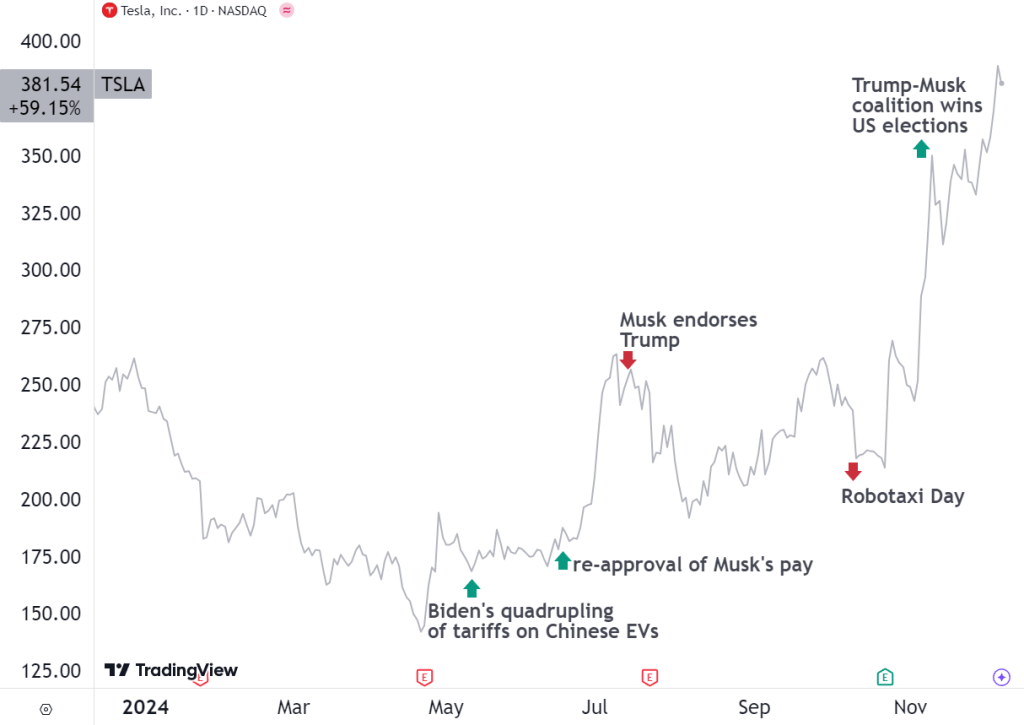
Tesla’s market capitalization has soared to unprecedented levels, positioning it among the world’s most valuable companies. This meteoric rise isn’t merely a function of market euphoria; it’s rooted in a relentless pursuit of innovation and a strategy that has consistently challenged industry norms.
Tesla’s Market Dominance and Innovation Engine
At its core, Tesla established an early and significant lead in the burgeoning electric vehicle market. While traditional automakers initially scoffed at the viability of electric cars, Tesla was busy building a vertically integrated ecosystem encompassing battery technology, charging infrastructure (Supercharger network), and software-defined vehicles. This holistic approach gave it a substantial competitive moat. Its innovative spirit extends beyond EVs to include cutting-edge advancements in autonomous driving (Full Self-Driving, or FSD), AI, and even robotics with projects like Optimus. These technological frontiers are not merely ancillary ventures; they are integral to CEO Elon Musk’s vision of a sustainable future and represent significant potential revenue streams and valuation drivers that go far beyond just selling cars. Tesla’s ability to consistently push technological boundaries and redefine what’s possible in the automotive and energy sectors has been a primary propellant for its stock’s ascent.
A Cult Following and Visionary Leadership
Beyond its technological prowess, Tesla benefits from an almost cult-like following among consumers and investors. This brand loyalty is arguably unparalleled in the automotive industry, driven by a perception of Tesla as more than just a car company—it’s seen as a movement towards a sustainable future. Central to this phenomenon is its charismatic and often controversial leader, Elon Musk. His visionary pronouncements, ambitious targets, and direct communication style, often through social media, have galvanized a loyal base of supporters. While Musk’s antics can introduce volatility, his ability to inspire, attract top talent, and maintain a consistent long-term vision has been instrumental in shaping Tesla’s narrative and, by extension, its stock performance. Investors often buy into Tesla not just for its current financials, but for the future Musk is articulating. This blend of disruptive technology and a powerful brand narrative fueled by an iconic leader creates a unique investment proposition that is difficult to quantify with traditional metrics alone.
Key Catalysts Driving Future Growth
For Tesla’s stock to continue its upward trajectory, a sustained period of robust growth is essential. Several critical catalysts are expected to drive this expansion across multiple sectors.
Electric Vehicle Market Expansion and Production Scale
The global shift towards electric vehicles is no longer a niche trend but an irreversible macroeconomic force. Governments worldwide are enacting policies to phase out internal combustion engine vehicles, creating a massive addressable market for Tesla. The company’s strategy hinges on scaling production at an unprecedented pace. Gigafactories in Shanghai, Berlin, and Texas are pivotal to this goal, enabling Tesla to produce millions of vehicles annually and achieve economies of scale. As production costs decrease and efficiency improves, Tesla can potentially capture a larger share of the expanding global EV market, including emerging markets. Furthermore, the introduction of more affordable models, should they materialize, would significantly broaden its consumer base, translating directly into higher sales volumes and increased revenue.
Diversification Beyond EVs: AI, Robotics, and Energy
While often viewed as an automotive company, Tesla’s long-term potential valuation is increasingly tied to its diversification into other high-growth sectors. Its advancements in artificial intelligence, particularly in the realm of autonomous driving, represent a potential paradigm shift. If Tesla successfully deploys a fully autonomous robo-taxi network, it could unlock a recurring revenue stream with incredibly high-profit margins, effectively transforming the company into a transportation-as-a-service provider. Similarly, the Optimus humanoid robot project, while nascent, could revolutionize industrial automation and household assistance, opening up entirely new markets. Tesla Energy, encompassing solar panels, Powerwall battery storage, and utility-scale Megapack solutions, is another rapidly growing segment. As the world transitions to renewable energy, Tesla’s integrated energy solutions position it to capitalize on this enormous market, leveraging its battery technology and manufacturing expertise. These non-automotive ventures offer compelling long-term growth prospects that could significantly de-risk and diversify Tesla’s revenue streams, justifying a higher valuation multiple.
Financial Health and Profitability Projections
Tesla’s journey to sustained profitability has been hard-won, but recent years have shown consistent positive free cash flow and expanding profit margins. This financial discipline is crucial for any company aspiring to justify a premium valuation. As production scales, overhead costs per vehicle tend to decrease, leading to improved gross margins. Furthermore, high-margin software services, such as FSD subscriptions, and energy products are expected to contribute an increasing share to the overall profitability. Analyst projections often factor in a continued increase in earnings per share (EPS) as these diverse revenue streams mature and the company achieves greater operational efficiencies. A strong balance sheet, coupled with consistent cash generation, provides Tesla with the flexibility to fund its ambitious R&D projects and expansion plans without excessive reliance on external financing, underpinning investor confidence.
Navigating Valuation and Market Sentiment
Valuing a company like Tesla, which operates at the intersection of several high-growth, transformative industries, is inherently complex and often leads to wide disparities in analyst price targets. Traditional valuation models often struggle to capture the full scope of its future potential.
The Growth vs. Value Stock Dilemma

Tesla is unequivocally a growth stock. Its valuation is heavily predicated on future earnings and its ability to disrupt multiple industries rather than on current earnings multiples or book value. For value investors, Tesla’s price-to-earnings (P/E) ratio often appears astronomical compared to established automakers, making it seem overvalued. However, growth investors typically look past current financials, focusing instead on market share expansion, technological leadership, and the total addressable market for its various products and services. The debate between growth and value perspectives often dictates short-term price movements and contributes to volatility. A key consideration for growth investors is whether Tesla can continue to grow its revenue and profits at a rate that justifies its premium valuation for years to come.
Analyst Projections and Price Targets
Analyst ratings for Tesla stock vary significantly, reflecting the diverse perspectives on its future trajectory. Price targets range from conservative figures, often based on more traditional automotive comparisons, to highly optimistic projections that account for Tesla’s potential in AI, robotics, and energy. These projections are typically derived from discounted cash flow (DCF) models, comparative analyses with other tech giants, and sensitivity analyses concerning market penetration rates and profitability margins. Investors need to critically evaluate the underlying assumptions behind these price targets, understanding that they are forward-looking estimates subject to change based on new information, company performance, and macroeconomic conditions. A consensus often emerges, but outlier projections can offer valuable insights into the extreme bullish or bearish cases.
Understanding Market Volatility and Investor Psychology
Tesla stock is renowned for its volatility. Large swings, both up and down, are not uncommon. This can be attributed to several factors: Elon Musk’s public statements, quarterly earnings reports, production figures, news regarding competition, and broader market sentiment towards growth stocks. Investor psychology plays a significant role; fear of missing out (FOMO) can drive irrational exuberance, while fear and uncertainty can lead to panic selling. Understanding that volatility is an intrinsic characteristic of TSLA stock is crucial for any investor. Long-term investors often ride out these fluctuations, focusing on the company’s fundamental growth story, while short-term traders attempt to capitalize on the daily or weekly price movements. Successful investing in Tesla often requires a high tolerance for risk and a firm conviction in its long-term vision.
Risks, Challenges, and the Competitive Landscape
No investment is without risk, and Tesla, despite its strengths, faces significant hurdles that could impact its future stock performance.
Intensifying Competition in the EV Sector
Tesla’s early lead in the EV market is steadily being challenged by a rapidly growing number of competitors. Established automakers like Volkswagen, General Motors, Ford, and Hyundai are heavily investing in their EV portfolios, bringing compelling models to market. Moreover, a new wave of EV startups, particularly from China (e.g., BYD, Nio, Xpeng), are innovating rapidly and gaining market share. This intensifying competition could put pressure on Tesla’s market share, pricing power, and profit margins. While Tesla’s technological advantage and brand loyalty remain strong, it must continually innovate and execute flawlessly to maintain its competitive edge in an increasingly crowded arena.
Regulatory Hurdles and Geopolitical Factors
Operating globally exposes Tesla to a myriad of regulatory challenges. Stricter emissions standards, safety regulations, and data privacy laws vary by country and can impact production, sales, and product development (e.g., FSD deployment). Geopolitical tensions, particularly between the U.S. and China (a critical market and manufacturing hub for Tesla), could also pose significant risks, potentially affecting supply chains, market access, or consumer sentiment. Changes in government incentives for EV purchases or renewable energy adoption could also directly influence demand for Tesla’s products. Navigating this complex global regulatory and political landscape requires agile adaptation and strategic foresight.
Leadership Influence and Potential Distractions
While Elon Musk’s leadership is a significant asset, it also represents a concentration of risk. His personal brand and involvement in multiple high-profile ventures (SpaceX, Neuralink, X/Twitter) raise questions about his focus and potential distractions. Controversial statements or actions by Musk can sometimes generate negative publicity, impact investor sentiment, and even lead to regulatory scrutiny, causing short-term stock price drops. The long-term succession plan for such a pivotal leader is another consideration for investors, as his departure could significantly alter the company’s trajectory and investor confidence.
A Long-Term Investment Perspective
For investors contemplating “how high will Tesla stock go,” the answer largely hinges on one’s investment horizon and risk appetite.
Strategic Considerations for Tesla Investors
For long-term investors, Tesla represents a bet on a future defined by sustainable energy, autonomous transportation, and advanced AI/robotics. The investment thesis is built on its continued innovation, global scaling capabilities, and the potential realization of its diverse technological ventures. Such investors typically focus on the company’s ability to execute its long-term vision, its financial health, and its expanding total addressable market. Dollar-cost averaging might be a prudent strategy to navigate its inherent volatility, building a position over time rather than attempting to time the market. Patience and conviction in the company’s underlying mission are paramount.
Balancing Potential Rewards with Inherent Risks
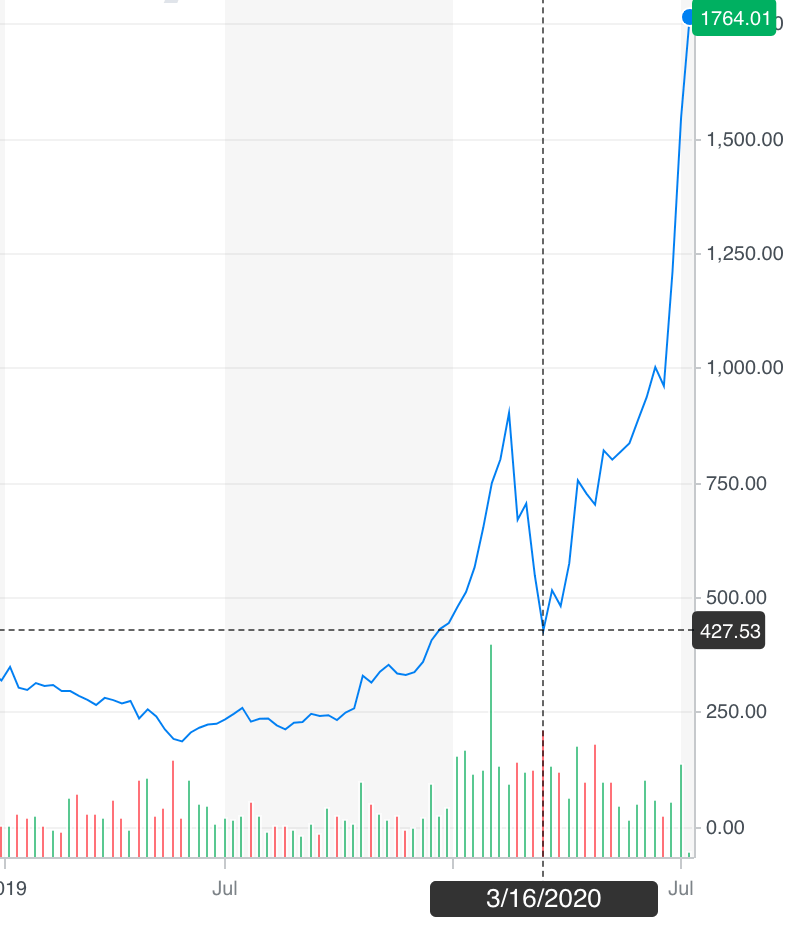
While the potential rewards of investing in Tesla remain substantial, it is crucial to balance this with an honest assessment of its risks. Its high valuation means that any misstep or failure to meet ambitious growth targets could lead to significant corrections. The intensifying competition, regulatory pressures, and leadership-related risks cannot be overlooked. Investors must carefully consider their own financial goals, risk tolerance, and portfolio diversification before making a substantial allocation to Tesla. It is an investment for those who believe in transformative technologies and are prepared for a high-octane ride.
Ultimately, Tesla’s stock trajectory will be determined by its ability to continue innovating, scale production efficiently, expand into new high-margin businesses, and navigate an increasingly competitive and complex global environment. While predicting an exact ceiling is impossible, the confluence of technological leadership, a strong brand, and a massive addressable market suggests that Tesla still possesses significant long-term growth potential, albeit accompanied by the inherent volatility of a truly disruptive enterprise.
aViewFromTheCave is a participant in the Amazon Services LLC Associates Program, an affiliate advertising program designed to provide a means for sites to earn advertising fees by advertising and linking to Amazon.com. Amazon, the Amazon logo, AmazonSupply, and the AmazonSupply logo are trademarks of Amazon.com, Inc. or its affiliates. As an Amazon Associate we earn affiliate commissions from qualifying purchases.