
Booking flights can often feel like a high-stakes gamble, a delicate dance between snagging an early bird deal and waiting for a last-minute price drop. For the financially savvy traveler, understanding the optimal booking window isn’t just about convenience; it’s about maximizing value, minimizing expenditure, and making the most of a crucial personal finance decision. The question “how far out should you book a flight?” is central to managing your travel budget effectively, and the answer, while nuanced, is discoverable through data-driven insights and strategic financial planning. This guide will delve into the economics of airfare, offering actionable advice to help you secure the best prices without compromising your travel aspirations.
Navigating the Booking Sweet Spot: When to Commit
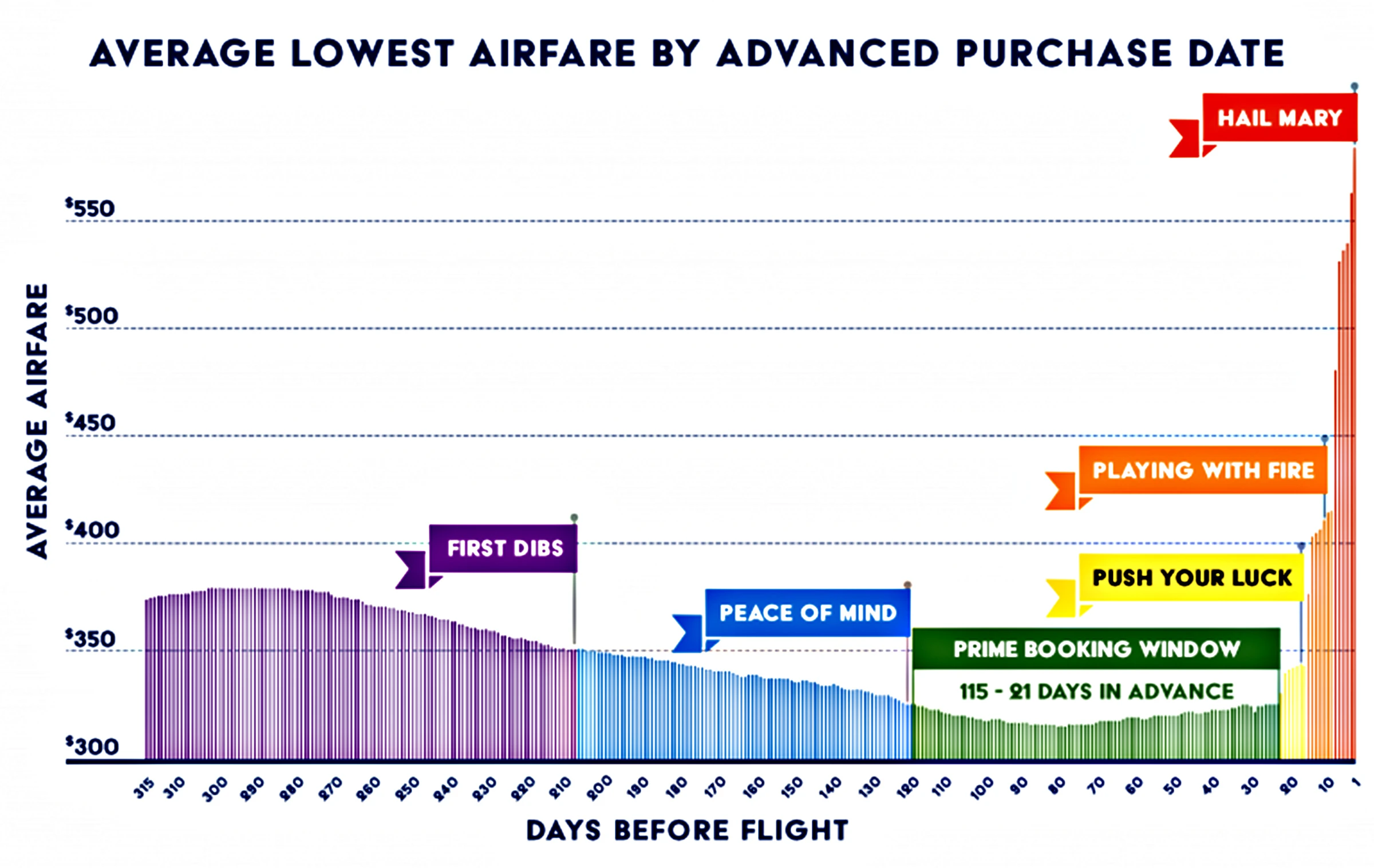
Finding the perfect time to book a flight is less about a single magical moment and more about understanding price trends and market dynamics. Airlines employ sophisticated algorithms to adjust fares based on demand, capacity, competitor pricing, and historical data, making timing a critical financial variable for travelers.
The Domestic Window: 1-4 Months Out
For domestic flights, the consensus among financial experts and travel analytics suggests a “sweet spot” typically falls between one to four months (approximately 28 to 115 days) before your departure date. Within this window, airlines are balancing early bookings with filling seats closer to the travel date. Booking too early might mean missing out on promotional fares, while booking too late often incurs significantly higher costs as demand increases and fewer seats remain. Prices tend to steadily climb once you enter the final three weeks before departure, often peaking in the last few days. Strategic planning within this 1-4 month period allows you to monitor fluctuations and pounce on favorable rates, striking a balance between early commitment and flexibility.
International Journeys: 2-8 Months for Value
International travel demands a longer lead time for optimal savings. Generally, the ideal booking period for international flights spans from two to eight months (around 60 to 240 days) in advance. The reasons for this extended window are manifold: international routes involve more complex logistics, higher fuel costs, and often greater demand elasticity. Booking well in advance allows airlines to gauge interest and set competitive prices. As the departure date approaches, particularly for popular routes or during peak seasons, prices for international flights can skyrocket dramatically. Securing your ticket further out not only helps you lock in a better price but also provides a wider selection of seats, routes, and potentially more convenient flight times, all of which contribute to the overall financial value of your trip.
High Demand & Holidays: The Early Bird Catches the Worm
When planning travel during peak seasons, major holidays (like Christmas, New Year’s, Thanksgiving, or popular summer months), or for events with high demand, the rules shift dramatically. In these scenarios, the “early bird” strategy is almost universally the most financially prudent. Booking six to twelve months in advance, or even earlier for extremely popular dates and destinations, is highly recommended. During periods of guaranteed high demand, airlines have little incentive to offer discounts closer to the date; in fact, they typically raise prices knowing that travelers will pay a premium. Delaying your booking during these times is a significant financial gamble that rarely pays off, often resulting in substantially higher fares and limited availability.
The Peril of Last-Minute Booking
While the romantic notion of a spontaneous, last-minute getaway might appeal, from a financial perspective, it is almost always the most expensive way to fly. As the departure date draws near, airlines primarily cater to business travelers or those with urgent, inflexible needs, who are generally less price-sensitive. Consequently, prices for remaining seats escalate sharply. There are very rare exceptions where a truly distressed fare might appear, but relying on such an anomaly is a high-risk strategy that will likely cost you considerably more. For budget-conscious travelers, last-minute bookings should be avoided unless absolutely unavoidable, as they invariably lead to a significant financial hit.
Decoding Price Fluctuations: Beyond Just Timing
While the booking window is a primary factor, airfare pricing is influenced by a multitude of other variables. Understanding these subtle yet powerful dynamics can further empower you to make financially astute booking decisions, going beyond mere timing to optimize your travel budget.
The Impact of Travel Days and Flexibility
One of the most potent financial levers you can pull is flexibility. The day of the week you choose to fly can significantly impact your ticket price. Mid-week flights, typically Tuesday, Wednesday, and sometimes Saturday (for specific routes), are often cheaper than those on high-demand days like Fridays and Sundays. This is due to lower demand from business travelers and weekend leisure seekers. Furthermore, flying during off-peak hours, such as red-eye flights or very early morning departures, can also present savings. Being flexible with your departure and return dates, even by a single day, can unlock substantial savings that rigid travel plans simply won’t allow. Financial tools often highlight price differences for adjacent dates, making this flexibility easy to leverage.
Understanding Airline Dynamic Pricing
Modern airline pricing is governed by complex, dynamic algorithms that adjust fares in real-time. These systems analyze countless data points, including current demand, competitor prices, historical booking patterns for specific routes, remaining seat inventory, and even the time of day a search is made. This means that prices are not static; they can change within minutes or hours. This dynamic pricing model is designed to maximize airline revenue by segmenting customers and charging what the market will bear. For the consumer, it underscores the importance of monitoring prices diligently and being ready to book when a favorable fare appears, rather than expecting prices to remain constant. It’s a continuous financial optimization game played by airlines.
The Power of Alternate Airports and Routes
Expanding your search beyond your primary desired airport can be a significant money-saver. Many metropolitan areas are served by multiple airports, and flying into a smaller, less congested, or slightly more distant airport can often yield lower fares. While you must factor in the additional cost and time for ground transportation, a comprehensive financial comparison might reveal substantial overall savings. Similarly, exploring indirect flights or routes with longer layovers can sometimes be cheaper than direct flights, especially for international travel. This strategy requires a financial trade-off: convenience for cost, but for budget-conscious travelers, it’s a valuable consideration.
Dispelling the Incognito Mode Myth

A common myth circulates that airlines track your browser cookies, raising prices when you repeatedly search for the same flight in “normal” browsing mode. While airlines do use sophisticated tracking and dynamic pricing, the idea that incognito mode inherently guarantees lower prices is largely unfounded. Price fluctuations are primarily due to the dynamic pricing algorithms responding to real-time demand, available inventory, and competitor adjustments, rather than individual search history. While clearing cookies or using incognito mode doesn’t hurt, focusing on robust price comparison websites and setting price alerts is a far more effective strategy for identifying genuine deals. The real financial driver is market behavior, not your individual browsing habits.
Smart Financial Strategies for Airfare Acquisition
Beyond simply knowing when to book, leveraging financial tools and disciplined strategies can further sharpen your airfare acquisition skills. These methods transform flight booking from a guessing game into a methodical approach, allowing you to maximize your savings and stretch your travel budget.
Leveraging Price Alerts and Comparison Tools
In the age of digital finance, a wealth of tools exists to aid in flight booking. Websites and apps like Google Flights, Skyscanner, Kayak, and Hopper offer robust features such as price tracking and prediction. By setting up price alerts for specific routes and dates, you receive notifications when fares drop, eliminating the need for constant manual checking. Hopper, for instance, uses predictive analytics to advise whether to buy now or wait, offering a data-backed financial recommendation. These tools are indispensable for the financially astute traveler, ensuring you don’t miss out on an opportune moment to secure a deal, effectively putting a virtual financial assistant to work for you.
Maximizing Credit Card Rewards and Points
For those who manage credit responsibly, utilizing travel-focused credit cards can be one of the most powerful financial strategies for reducing airfare costs. Many credit cards offer substantial sign-up bonuses in the form of airline miles or transferable points, often enough for a free domestic or even international flight. Earning points through everyday spending, especially on bonus categories like travel or dining, can accumulate rapidly. Understanding airline loyalty programs, co-branded credit cards, and transfer partners allows you to strategically redeem points for maximum value, often getting a much higher return than simply using points for cash back. This turns your regular spending into a future travel asset, significantly enhancing your personal finance strategy for vacations.
Budget Airlines: Calculating the True Cost
Budget airlines (e.g., Spirit, Frontier, Ryanair, EasyJet) often advertise incredibly low base fares, which can be tempting for cost-conscious travelers. However, a crucial financial analysis requires looking beyond the initial ticket price. These airlines typically charge extra for nearly everything: checked baggage, carry-on bags, seat selection, printing your boarding pass, and even in-flight water. While the base fare might be attractive, the accumulation of these additional fees can quickly erode any perceived savings, sometimes making the total cost comparable to, or even higher than, a full-service carrier. Before booking, meticulously calculate the true total cost, factoring in all potential add-ons that are essential to your travel experience, to avoid an unpleasant financial surprise.
Recognizing and Budgeting for Hidden Fees
Beyond budget airlines, hidden fees can impact your total flight expenditure across the board. These include baggage fees (checked and sometimes even carry-on), seat selection charges (especially for preferred seats), change fees, and cancellation penalties. While some of these might be avoidable with careful planning or flexibility, others are standard. It’s imperative to read the fine print of an airline’s fare rules and baggage policy before purchasing your ticket. Budgeting for these potential extra costs from the outset ensures that your travel finances remain in order and that the “great deal” you found doesn’t turn into a financial headache once all the ancillary charges are tallied.
Holistic Financial Planning for Air Travel
Securing an affordable flight is a major victory, but it’s just one component of a comprehensive travel budget. A truly financially savvy traveler considers the entire journey, integrating flight booking into a broader financial strategy that anticipates all expenses and safeguards against unforeseen costs.
Crafting a Comprehensive Travel Budget
Before booking anything, establish a realistic and comprehensive travel budget. This extends far beyond the flight ticket to include accommodation, ground transportation (taxis, public transport, car rentals), food and dining, activities and excursions, travel insurance, visa fees, and a crucial emergency fund. Allocate specific amounts to each category, allowing for some flexibility. A detailed budget prevents overspending, ensures you can comfortably afford your trip, and minimizes financial stress while you’re away. It also helps you prioritize where to splurge and where to save, aligning your financial decisions with your travel priorities.
The Prudence of Travel Insurance
Often overlooked as an unnecessary expense, travel insurance is a vital financial safeguard for any significant trip, especially international journeys. It provides protection against a range of unforeseen circumstances that can incur substantial costs: trip cancellation or interruption, medical emergencies abroad, lost or delayed luggage, and emergency evacuation. While it represents an upfront cost, the potential financial losses it mitigates can be astronomically higher. Comparing different policies and understanding their coverage limits and exclusions is key to finding the right fit for your travel investment, turning a small premium into significant financial peace of mind.
Balancing Savings with Travel Experience
While the pursuit of the cheapest flight is a worthy financial goal, it’s equally important to balance savings with the overall quality and enjoyment of your travel experience. Sometimes, the absolute cheapest option might involve highly inconvenient flight times (e.g., extremely long layovers, red-eyes that disrupt sleep), multiple connections, or flying into a far-flung airport that requires significant additional travel time and cost to reach your final destination. Saving a modest amount on airfare might lead to increased stress, fatigue, or other hidden costs that ultimately diminish your trip’s value. A financially smart decision isn’t always the cheapest; it’s the one that offers the best value relative to your personal preferences, comfort, and the overall objectives of your journey.

Conclusion
Mastering the art of booking flights for the best financial outcome is a multifaceted endeavor that requires a blend of timing, flexibility, and savvy utilization of available tools and strategies. There’s no single magic formula, but by understanding the optimal booking windows for domestic and international travel, remaining flexible with your dates and airports, leveraging price alerts, and harnessing the power of credit card rewards, you can significantly reduce your airfare expenses. Remember to look beyond the base fare, account for hidden costs, and integrate your flight booking into a holistic travel budget. Ultimately, an informed and proactive approach, grounded in sound personal finance principles, will empower you to explore the world without breaking the bank, transforming your travel dreams into financially feasible realities.
aViewFromTheCave is a participant in the Amazon Services LLC Associates Program, an affiliate advertising program designed to provide a means for sites to earn advertising fees by advertising and linking to Amazon.com. Amazon, the Amazon logo, AmazonSupply, and the AmazonSupply logo are trademarks of Amazon.com, Inc. or its affiliates. As an Amazon Associate we earn affiliate commissions from qualifying purchases.