
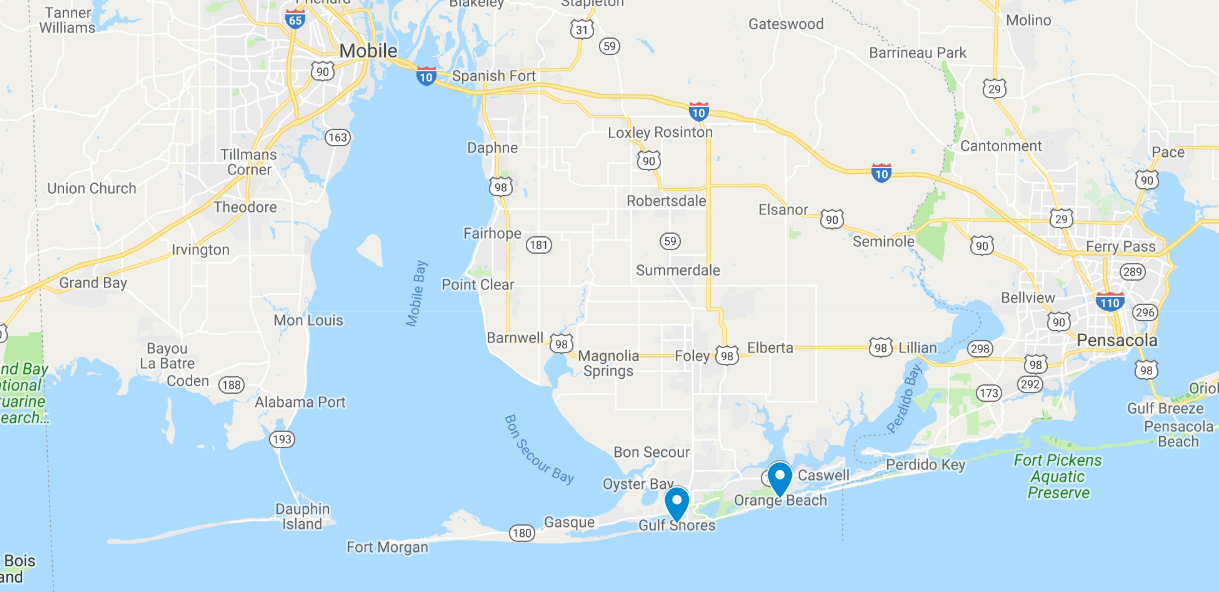
When travelers and investors ask how far Gulf Shores is from Orange Beach, they are often looking for a simple mileage count. Geographically, the centers of these two Alabama coastal hubs are separated by roughly six miles of pristine white sand and the scenic Alabama State Route 182. However, for the astute financial observer, the “distance” between these two markets is measured in more than just miles. It is measured in basis points, rental yields, tax structures, and asset appreciation rates.
While they share a coastline, Gulf Shores and Orange Beach represent two distinct economic ecosystems. Understanding the financial geography of this corridor is essential for anyone looking to deploy capital, start a seasonal side hustle, or optimize a vacation budget. This analysis bridges the gap between the literal distance and the fiscal reality of the Alabama Gulf Coast.
Quantifying the Economic Distance: A Micro-Market Overview
The physical proximity of Gulf Shores and Orange Beach creates a unique symbiotic relationship. To the naked eye, they are nearly indistinguishable, but the financial data tells a story of divergence. Gulf Shores acts as the traditional gateway, characterized by a more accessible entry point for residential and commercial ventures, while Orange Beach has positioned itself as the high-end, luxury-focused neighbor.
The Cost of Entry: Real Estate Valuation Disparity
In the world of personal finance and real estate investing, the most critical “distance” is the price gap between properties. Historically, Gulf Shores has offered a wider variety of price points. It features older, established condo complexes and single-family cottages that cater to the middle-market investor. This provides a lower barrier to entry for those looking to start a short-term rental business or purchase a secondary residence.
Orange Beach, conversely, has leaned heavily into the “luxury” brand identity. The development of high-rise, amenity-rich condominiums like Turquoise Place has shifted the median property value significantly higher than its western neighbor. For an investor, the distance between these two markets is reflected in the down payment requirements. A 20% down payment on a median-priced unit in Orange Beach can often be 30% to 50% higher than a comparable unit in Gulf Shores. This capital requirement dictates the type of investor attracted to each area, with Orange Beach often drawing institutional capital or high-net-worth individuals seeking capital preservation over raw yield.
Sales and Lodging Tax: The Hidden Delta
For the budget-conscious traveler or the business owner, the financial distance is also calculated through local tax codes. Both cities rely heavily on tourism revenue, but their fiscal policies differ slightly. Lodging taxes are a critical consideration for property managers and owners. These taxes are passed on to the consumer, affecting the total “all-in” price of a vacation.
Currently, the lodging tax in Gulf Shores and Orange Beach is competitive, but it is important to monitor local municipal shifts. A 1% difference in lodging tax might seem negligible on a single night, but over a fiscal year of 70% occupancy, it represents thousands of dollars in potential revenue or overhead. Furthermore, the local sales tax rates impact the operational costs of running a business in this corridor. From procurement of cleaning supplies to the cost of maintenance services, the fiscal environment of the city in which you operate determines your net margins.
Calculating the ROI: Rental Yields Across the Coastal Corridor
If you are evaluating these two markets for a side hustle or a primary investment, the most important metric is the Return on Investment (ROI). The six-mile stretch between the two cities offers a fascinating study in market dynamics.
Gulf Shores: High-Volume Seasonal Stability
Gulf Shores is the epicenter of regional events, such as the Hangout Music Festival and the National Shrimp Festival. From a money-making perspective, this translates to high-volume, predictable demand. The “distance” here is found in the occupancy rate. Gulf Shores often sees higher mid-week occupancy during the shoulder seasons due to its established reputation as a family-friendly destination.
For the investor, Gulf Shores often provides a more favorable “price-to-rent” ratio. Because the initial purchase price is frequently lower than in Orange Beach, but the nightly rental rates for beachfront property remain strong, the cash-on-cash return can be superior in Gulf Shores for those who focus on the “value” segment of the market.
Orange Beach: Luxury Premiums and Appreciative Gains
In Orange Beach, the financial strategy shifts toward luxury premiums. While the occupancy rates might mirror Gulf Shores, the Average Daily Rate (ADR) tends to be higher. This is the “distance” in branding. High-end amenities—such as lazy rivers, private hot tubs on balconies, and proximity to the Flora-Bama—allow owners to command a premium.

While the immediate cash flow might be tempered by higher mortgage payments and HOA fees, the long-term play in Orange Beach is often capital appreciation. The scarcity of available land for new high-rise development in Orange Beach creates a “moat” around existing investments. As the area becomes more exclusive, the equity growth in Orange Beach properties has historically outpaced many other Gulf Coast markets, making it a “wealth-building” play rather than just a “cash-flow” play.
Strategic Logistics: The Business of Movement Between Markets
When we discuss “how far” Gulf Shores is from Orange Beach, we must consider the logistical costs. For a service-based business or a gig economy worker, the transit time between these two hubs is a variable that directly affects profitability.
Infrastructure Spending and Property Values
The Alabama Department of Transportation (ALDOT) and local municipalities have invested heavily in the infrastructure connecting these two cities. The “distance” is being shortened not just by miles, but by efficiency. Projects like the widening of Canal Road and the potential for new bridge developments are not just civil engineering feats; they are economic catalysts.
Better infrastructure leads to increased property values. When the commute between Gulf Shores and Orange Beach becomes more efficient, the “mid-point” properties—those located between the two main hubs—become more attractive for long-term rentals and residential living. This creates a secondary investment market for those who want to avoid the high volatility of beachfront condos.
Opportunity Costs of the Beach Express vs. Highway 59
For entrepreneurs operating in the “Golden Triangle” of South Baldwin County, the choice of route is a financial decision. Highway 59 is the traditional commercial artery, while the Foley Beach Express offers a faster, tolled alternative.
For an Uber driver, a delivery professional, or a property manager, the $5.00 toll (or discounted electronic rate) is a cost of doing business. Calculating the opportunity cost of sitting in traffic on Highway 59 versus paying the toll on the Express is a daily micro-economic challenge. Over the course of a busy summer season, these logistical decisions can account for a 5-10% variance in net earnings for independent contractors working the coastal corridor.
Diversification Strategies for the Coastal Investor
For those looking to build a robust financial portfolio in this region, the goal should not be to choose one city over the other, but to understand how the distance between them allows for diversification.
Scaling from Single-Unit to Multi-Market Portfolio
A sophisticated investment strategy involves holding assets in both Gulf Shores and Orange Beach. This “straddle” approach mitigates risk. If one city implements stricter short-term rental regulations (a growing trend in coastal communities), your portfolio is protected by your holdings in the neighboring municipality.
Furthermore, diversifying between the “family-value” brand of Gulf Shores and the “luxury-boating” brand of Orange Beach allows an investor to capture different segments of the market. During economic downturns, the more affordable rentals in Gulf Shores may see higher demand as travelers trade down, whereas during economic booms, the luxury units in Orange Beach see significant spikes in ADR.

Future-Proofing Assets Against Economic Volatility
The ultimate “distance” between these two cities is their resilience. Both markets are heavily dependent on the “drive-to” tourism market. Unlike destinations that rely on air travel, the Alabama Gulf Coast is within a day’s drive of major economic hubs like Houston, Birmingham, Atlanta, and Nashville.
This geographic advantage provides a financial safety net. Even when fuel prices rise or the national economy cools, the relatively short distance for these regional travelers ensures a steady stream of revenue. From a personal finance perspective, investing in an area with a built-in, resilient customer base is a hedge against broader market volatility.
In conclusion, the distance from Gulf Shores to Orange Beach is a mere six miles on a map, but for the savvy investor or business owner, it is a landscape rich with financial nuance. Whether you are analyzing the price-per-square-foot delta, calculating the impact of local tax codes, or optimizing the logistics of a coastal side hustle, understanding the economic relationship between these two cities is the key to unlocking long-term wealth on the Alabama coast. The physical journey is short, but the financial opportunities are vast.
aViewFromTheCave is a participant in the Amazon Services LLC Associates Program, an affiliate advertising program designed to provide a means for sites to earn advertising fees by advertising and linking to Amazon.com. Amazon, the Amazon logo, AmazonSupply, and the AmazonSupply logo are trademarks of Amazon.com, Inc. or its affiliates. As an Amazon Associate we earn affiliate commissions from qualifying purchases.