
The annual ritual of tax filing can often feel like a looming deadline, a source of stress, or, for many, an eagerly anticipated moment to receive a refund. Amidst these varied sentiments, a common question arises: “How early can you file your taxes?” The answer isn’t a simple calendar date but rather a combination of official IRS timelines, the availability of your crucial financial documents, and your proactive financial planning. Understanding the earliest possible filing window and the factors influencing it can empower you to take control of your financial year, potentially securing your refund sooner and mitigating last-minute anxiety.
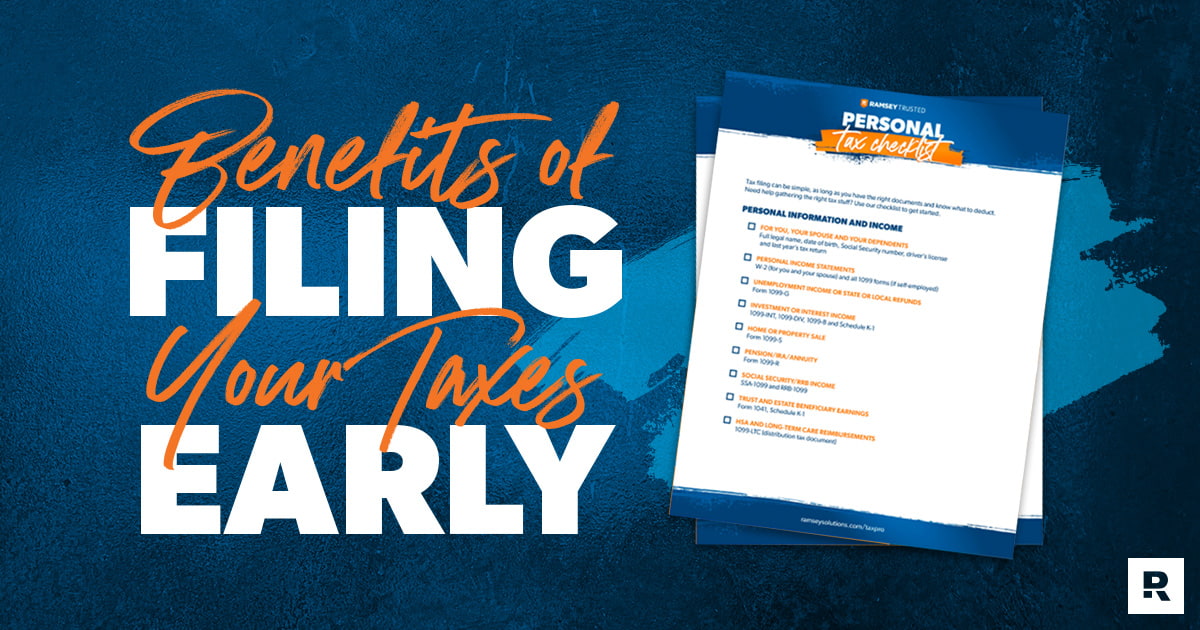
In the realm of personal finance, proactive engagement is often rewarded. Tax filing is no exception. While many procrastinate until April, there are significant advantages to being an early bird. This comprehensive guide will demystify the tax filing timeline, illuminate the benefits of early submission, detail the prerequisites for filing, address common misconceptions, and outline the most efficient ways to complete this essential financial task.
Understanding the Tax Filing Season Timeline
The journey to filing your taxes early begins with a clear understanding of the official tax season timeline. It’s not simply a matter of wishing to file; rather, it’s dictated by the operational readiness of the Internal Revenue Service (IRS) and the statutory deadlines for employers and financial institutions to issue critical tax documents.
The IRS Opening Date
Every year, the IRS announces an official date when it begins accepting and processing federal income tax returns for the previous tax year. This date typically falls in late January. For instance, for the tax year 2023, the IRS began accepting returns on January 29, 2024. This date is not arbitrary; it allows the IRS sufficient time to update its systems, finalize forms, and ensure all necessary software and protocols are in place following legislative changes or administrative updates.
The IRS advises taxpayers not to submit their returns before this official opening date, even if their tax preparation software or professional has completed the return. While some software providers may allow you to submit your return to them earlier, they will hold it and transmit it to the IRS only once the processing system is officially open. Attempting to file directly with the IRS before this date will result in the return being rejected, requiring re-submission.
When Can You Prepare vs. File?
It’s crucial to distinguish between preparing your taxes and filing them. You can begin preparing your taxes much earlier than you can officially file them. Tax preparation involves gathering all necessary documents, calculating income, deductions, and credits, and completing the relevant forms. Many taxpayers begin this process in December or early January, even before the IRS officially opens its doors.
Modern tax software and professional tax preparers can help you compile all your information and even complete the draft return. This proactive preparation phase is invaluable for identifying any missing documents, understanding your tax position, and reducing the stress of a last-minute scramble. Once the IRS officially opens for processing, your pre-prepared return can be submitted promptly, often with just a click of a button if using e-file.
State Tax Filing Deadlines
While the focus is often on federal taxes, it’s important to remember state income taxes. Most states that levy an income tax also open their filing season around the same time as the IRS, typically in late January or early February. However, there can be exceptions. Some states might have slightly different opening dates or even different deadlines for filing compared to the federal April 15th deadline (or the next business day if April 15th falls on a weekend or holiday). Always check your specific state’s tax agency website for their particular dates and requirements to ensure you meet all obligations.
The Advantages of Early Tax Filing
Beyond merely getting it over with, filing your taxes early offers a spectrum of tangible benefits that contribute to better financial health and peace of mind.
Quicker Refunds
For the vast majority of taxpayers who are due a refund, filing early is the fastest path to getting your money back. The IRS generally issues most refunds in less than 21 days for e-filed returns with direct deposit. By submitting your return early in the filing season, you position yourself at the front of the queue, minimizing the wait time for your refund to hit your bank account. This timely injection of funds can be invaluable for paying down debt, boosting savings, or addressing immediate financial needs.
Reduced Stress and Errors
The pressure cooker of the April deadline can lead to rushed decisions and careless mistakes. Filing early alleviates this stress. It provides ample time to gather all necessary documents without panic, thoroughly review your return for accuracy, and consult with a tax professional if any complex questions arise. This relaxed approach significantly reduces the likelihood of errors, which can otherwise trigger an IRS inquiry, delay your refund, or even result in penalties.
Protection Against Identity Theft
Perhaps one of the most critical, yet often overlooked, benefits of early filing is protection against tax-related identity theft. This insidious crime occurs when a fraudster obtains your Social Security number (SSN) and other personal information, then files a fraudulent tax return in your name to claim a refund. By the time you attempt to file your legitimate return, the IRS system flags it as a duplicate, leading to significant delays and a potentially lengthy process to reclaim your identity and refund. Filing early essentially “locks out” fraudsters, as your legitimate return will be the first one processed, making it much harder for thieves to succeed.
Time for Financial Planning
Receiving an early refund or identifying a tax liability gives you a clearer financial picture for the year ahead. If you’re due a refund, you have more time to decide how to best utilize those funds – whether for investment, debt reduction, or a planned purchase. If you owe taxes, an early filing provides a longer lead time to save the necessary funds, avoiding interest and penalties that can accrue from underpayment or late payment. It allows for a thoughtful review of your withholding or estimated tax payments for the current year, enabling adjustments that can fine-tune your financial strategy.
Opportunity to Correct Mistakes
Even with careful preparation, mistakes can happen. If you file early and later discover an error or receive an additional document that impacts your return, you have more time to file an amended return (Form 1040-X). While filing an amendment can be an inconvenience, doing so early in the year, well before the April deadline, provides a smoother experience and reduces the chances of attracting penalties or further scrutiny.
What You Need Before You Can File
While the desire to file early is commendable, it is paramount to have all your ducks in a row. Attempting to file without complete and accurate information can lead to significant headaches down the line.
Essential Income Documents (W-2s, 1099s)
The bedrock of your tax return comprises documents detailing your income. For most employees, this is the Form W-2, Wage and Tax Statement, issued by your employer. If you’re a freelancer, independent contractor, or gig worker, you’ll primarily rely on various Form 1099s, such as:
- 1099-NEC: For non-employee compensation (if you received more than $600 from a payer).
- 1099-MISC: For miscellaneous income (e.g., rents, royalties, prize money).
- 1099-INT: For interest income from banks, brokerage firms, etc.
- 1099-DIV: For dividend income from stocks and mutual funds.
- 1099-B: For proceeds from broker and barter exchange transactions (stock sales, cryptocurrency).
- 1099-K: For payments processed through third-party payment networks (e.g., PayPal, Venmo, Stripe) if you meet the reporting thresholds.

Employers and financial institutions are generally required to mail or electronically deliver these forms by January 31st each year. You cannot accurately file until you have received all relevant income documents.
Deduction and Credit Documentation
Beyond income, you’ll need documentation to support any deductions or credits you plan to claim. These can significantly reduce your taxable income or your tax liability directly. Common documents include:
- Form 1098: Mortgage Interest Statement (for home mortgage interest paid).
- Form 1098-E: Student Loan Interest Statement.
- Form 1098-T: Tuition Statement (for educational expenses).
- Records of medical expenses: If you itemize deductions.
- Receipts for charitable contributions: For cash and non-cash donations.
- Records for dependent care expenses: To claim the Child and Dependent Care Credit.
- Premium Tax Credit (Form 1095-A): For health insurance purchased through the Marketplace.
Prior Year’s Tax Information and Personal Information
Having a copy of your previous year’s tax return is often helpful for reference, especially for carryover amounts (like capital losses or charitable contribution carryovers) or simply as a guide for what information you’ll need. You’ll also need personal information for yourself, your spouse, and any dependents, including their full names, dates of birth, and Social Security Numbers (SSNs) or Individual Taxpayer Identification Numbers (ITINs).
Common Misconceptions and Considerations
While the benefits of early filing are clear, certain scenarios and misconceptions need to be addressed to ensure a smooth tax season.
Waiting for All Documents
The most common reason for delayed early filing is the failure to receive all necessary documents. While most W-2s and 1099s arrive by January 31st, some more complex forms, such as Schedule K-1s from partnerships, S-corporations, or trusts, might not be issued until March or even later. If you have interests in these entities, you absolutely must wait for your K-1 before filing. Filing without complete information, or guessing at figures, will inevitably lead to an amended return, which can be more complicated and time-consuming than simply waiting a few extra weeks.
Estimated Taxes and Quarterly Filers
For self-employed individuals, business owners, or those with significant income not subject to withholding, estimated taxes are paid quarterly throughout the year. While these quarterly payments are distinct from the annual tax filing, an early understanding of your total tax liability for the previous year can inform your estimated payments for the current year. This helps you avoid underpayment penalties by adjusting your quarterly payments if your income or deductions have changed.
The “Early Bird” Trap for Complex Returns
While early filing is generally advantageous, individuals with particularly complex tax situations might find it beneficial to wait a bit longer. This isn’t about procrastination, but rather about ensuring accuracy when dealing with intricate financial instruments, international income, or multiple business ventures. These situations often involve numerous forms, some of which may be delayed, and require careful calculation or professional input. Waiting until early March can provide extra time to consolidate all information and prevent errors that could arise from rushing a complex return.
State-Specific Nuances
As mentioned, state tax filing timelines can sometimes diverge from the federal schedule. Some states might open their e-file systems later, or have different statutory deadlines. It’s vital to confirm these details for your specific state(s) to avoid missing deadlines or encountering processing delays. In some cases, you might file your federal return early, but need to hold off on your state return for a week or two.
How to File Early and Efficiently
Once you have all your documents in hand and the IRS has officially opened, filing early and efficiently is straightforward with modern tools and resources.
Electronic Filing (E-File)
Electronic filing, or e-file, is by far the fastest, most secure, and most accurate way to submit your tax return. The IRS strongly encourages e-filing, and over 90% of taxpayers now use this method. E-file significantly reduces processing errors and shortens the time it takes to receive a refund compared to paper filing. You can e-file using:
- Tax Software: Popular options like TurboTax, H&R Block, FreeTaxUSA, and TaxAct guide you step-by-step through the process, perform calculations, and help identify potential deductions and credits. Many offer free versions for simple returns.
- IRS Free File Program: If your adjusted gross income (AGI) is below a certain threshold (which changes annually), you may qualify to use guided tax software provided by IRS partners for free. The IRS also offers Free File Fillable Forms for taxpayers of any income level comfortable preparing their own return.
- Professional Tax Preparers: CPAs, enrolled agents, and other tax professionals use specialized software to e-file returns on behalf of their clients.
Direct Deposit for Refunds
If you’re expecting a refund, opt for direct deposit. This is the quickest way to receive your money, often within 7-10 business days after the IRS processes your return. Compared to waiting for a paper check, which can take weeks longer, direct deposit is highly recommended for its speed and security. You can usually split your refund into multiple accounts as well.
Leveraging Tax Software
Modern tax software has revolutionized the filing process. It not only automates calculations but also asks targeted questions to ensure you claim all eligible deductions and credits. Many programs import W-2 and 1099 data directly from your employer or financial institution, further reducing data entry errors. Features like “where’s my refund” trackers integrate directly with IRS systems, providing real-time updates on your refund status. For those who find taxes daunting, software offers a guided and less intimidating experience.
Seeking Professional Help
For individuals with complex financial situations, significant life changes (marriage, divorce, new business, major investments), or simply a desire for expert reassurance, seeking help from a qualified tax professional is invaluable. A Certified Public Accountant (CPA) or Enrolled Agent (EA) can offer personalized advice, ensure compliance with the latest tax laws, and often identify deductions or strategies you might overlook. While there is a cost associated with professional services, the peace of mind and potential tax savings often justify the investment.

Conclusion
The question “how early can you file your taxes” ultimately finds its answer in a blend of official timelines, personal preparedness, and strategic financial decision-making. While the IRS typically opens its processing window in late January, the true start of your tax season is when you have meticulously gathered every necessary income statement, deduction record, and personal detail.
Embracing early tax filing is more than just beating a deadline; it’s a proactive step in sound personal finance. It expedites refunds, bolsters defense against identity theft, reduces stress, minimizes errors, and empowers better financial planning for the year ahead. By understanding the timeline, ensuring you have all documentation, and leveraging efficient e-filing methods, you transform a potentially daunting obligation into an organized and beneficial annual financial review. Make the commitment to be an early bird this tax season – your finances, and your peace of mind, will thank you for it.
aViewFromTheCave is a participant in the Amazon Services LLC Associates Program, an affiliate advertising program designed to provide a means for sites to earn advertising fees by advertising and linking to Amazon.com. Amazon, the Amazon logo, AmazonSupply, and the AmazonSupply logo are trademarks of Amazon.com, Inc. or its affiliates. As an Amazon Associate we earn affiliate commissions from qualifying purchases.