
In the rapidly evolving landscape of digital commerce, Shopify has emerged as a quintessential platform, empowering millions of entrepreneurs and businesses to establish and manage their online stores with remarkable ease and efficiency. Far more than just a website builder, Shopify is a comprehensive Software-as-a-Service (SaaS) solution designed to handle every facet of an e-commerce operation, from storefront creation and product management to secure payment processing, shipping logistics, and robust marketing tools. Understanding “how Shopify works” is to grasp the intricate yet intuitive architecture that makes sophisticated online selling accessible to anyone, regardless of their technical proficiency.
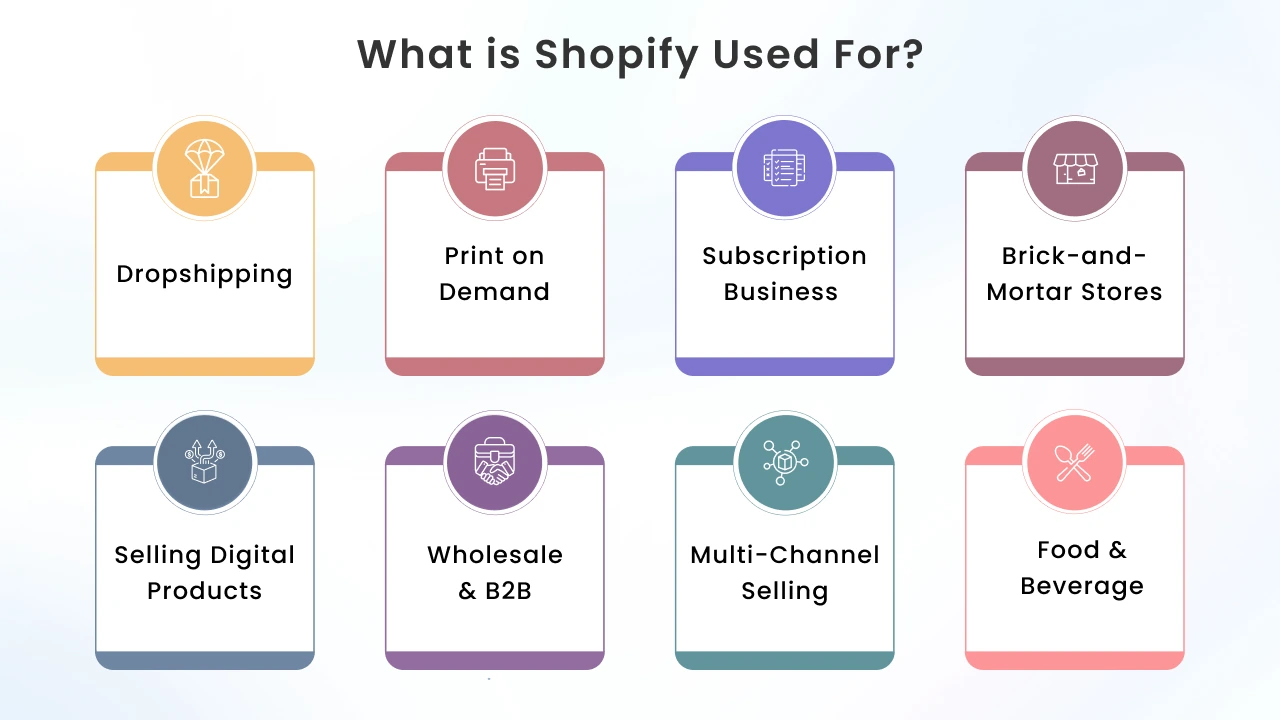
At its core, Shopify democratizes e-commerce by providing an all-in-one platform that abstracts away the complexities of web development, server management, and intricate coding. It operates on a subscription model, offering various plans tailored to different business sizes and needs, each providing a suite of tools and services crucial for building, running, and growing an online business. This article delves into the technological backbone and operational mechanics that define Shopify’s functionality, offering a comprehensive look at how this platform transforms business ideas into thriving digital realities.
The Core Concept: Your All-in-One E-commerce Ecosystem
Shopify’s fundamental appeal lies in its ability to consolidate numerous disparate e-commerce functions into a single, cohesive, and user-friendly ecosystem. It’s built on the principle of providing a hosted solution, meaning Shopify takes care of all the underlying infrastructure, security, and maintenance, allowing merchants to focus purely on their products and customers.
SaaS Model and Accessibility
Shopify operates on a Software-as-a-Service (SaaS) model. This means users don’t need to purchase software licenses, install applications, or manage servers. Instead, they access Shopify’s robust platform over the internet via a web browser. This cloud-based approach offers unparalleled accessibility; a merchant can manage their store from anywhere with an internet connection, on any device. The SaaS model also ensures that all users benefit from continuous updates, security patches, and performance enhancements automatically, without needing to lift a finger. This eliminates significant upfront investment in IT infrastructure and ongoing maintenance costs, lowering the barrier to entry for aspiring entrepreneurs.
No Coding Required: User-Friendly Interface
Perhaps one of Shopify’s most transformative features for the average user is its “no-code” or “low-code” approach to store building. Merchants can design their entire storefront, upload products, set up payment gateways, and manage orders through an intuitive, graphical user interface (GUI). This drag-and-drop functionality, coupled with a vast library of customizable themes, allows individuals with no prior web development experience to create professional-looking and fully functional online stores. The dashboard is designed for clarity and efficiency, presenting all essential business metrics and operational controls in an organized, digestible manner.
Scalability for All Business Sizes
A critical aspect of Shopify’s design is its inherent scalability. Whether a business is a nascent startup selling a few handmade items or a large enterprise processing thousands of orders daily, Shopify’s infrastructure can adapt. Its architecture is built to handle significant traffic spikes, ensuring that stores remain operational and responsive even during peak shopping seasons like Black Friday. This scalability extends to its feature set, with different subscription plans and an extensive app store allowing businesses to unlock more advanced functionalities as they grow. From basic inventory management to complex international shipping solutions and multi-channel selling, Shopify can evolve alongside its merchants.
Setting Up Your Shopify Store: From Idea to Online Presence
The journey of establishing a Shopify store is meticulously guided, breaking down the complex process of launching an e-commerce site into manageable, intuitive steps.
Choosing Your Plan and Theme
The first step involves selecting a Shopify subscription plan that aligns with the business’s current needs and future aspirations. Each plan offers a different set of features, transaction fees, and pricing. Once a plan is chosen, merchants move on to selecting a theme – the visual template that dictates the store’s look and feel. Shopify offers a robust theme store with a mix of free and premium themes, all designed to be mobile-responsive and optimized for conversion. These themes serve as the foundational design, which merchants can then extensively customize without touching a line of code.
Product Management: Adding, Organizing, and Optimizing
At the heart of any e-commerce store are its products. Shopify provides a comprehensive system for adding, organizing, and managing products. Merchants can upload high-quality images and videos, write detailed descriptions, set pricing, manage inventory levels, and define product variants (e.g., different sizes, colors). The platform also supports robust categorization and tagging, making it easy for customers to navigate and find what they’re looking for. Crucially, Shopify includes features for Search Engine Optimization (SEO) at the product level, allowing merchants to optimize product titles, descriptions, and URLs to improve visibility on search engines.
Customizing Your Storefront: Design and User Experience
Beyond the initial theme selection, Shopify’s theme editor allows for extensive customization. Merchants can modify layouts, change colors and fonts, add custom sections, integrate branding elements like logos, and rearrange content blocks using a drag-and-drop interface. This level of control ensures that each store can reflect its unique brand identity and offer a tailored user experience (UX). Features like customizable navigation menus, product display options, and integrated blog functionalities further enhance the store’s appeal and functionality. The goal is to create an intuitive, visually appealing, and easy-to-navigate store that converts visitors into customers.
Domain Connection and Launch Readiness
A professional online store requires a custom domain name (e.g., yourstore.com). Shopify simplifies this by allowing merchants to either purchase a domain directly through the platform or connect an existing domain they own. Shopify handles all the technical aspects of domain hosting and DNS configuration, ensuring a seamless connection. Before launch, the platform guides merchants through a checklist to ensure all critical elements are in place, from setting up tax rules and shipping rates to configuring payment gateways and testing the checkout process. Once satisfied, a simple click makes the store live and accessible to the world.
Essential E-commerce Features and Integrations
Shopify’s power extends far beyond just building a website; it integrates a host of essential e-commerce functionalities critical for day-to-day operations and strategic growth.
Secure Payment Processing: Gateways and Options
One of the most critical aspects of any online store is secure payment processing. Shopify supports a wide array of payment gateways, including its proprietary solution, Shopify Payments. Shopify Payments allows merchants to accept credit card payments directly without third-party integrations, often simplifying setup and potentially reducing transaction fees. Additionally, the platform integrates with hundreds of external payment providers like PayPal, Stripe, Apple Pay, and Google Pay, offering customers diverse and convenient checkout options. All transactions are secured with industry-standard encryption and PCI DSS compliance, protecting both merchant and customer data.
Shipping and Fulfillment Solutions
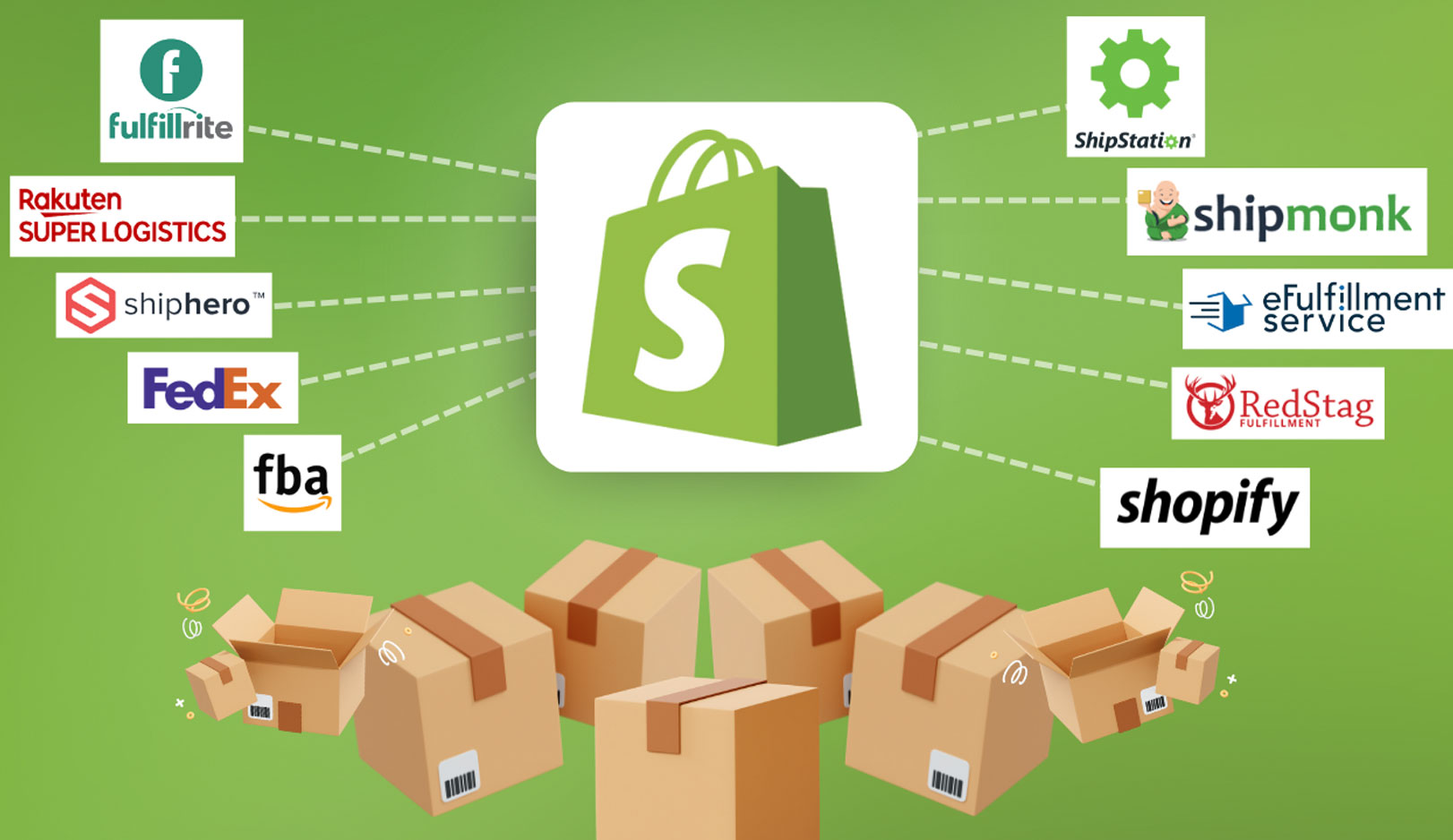
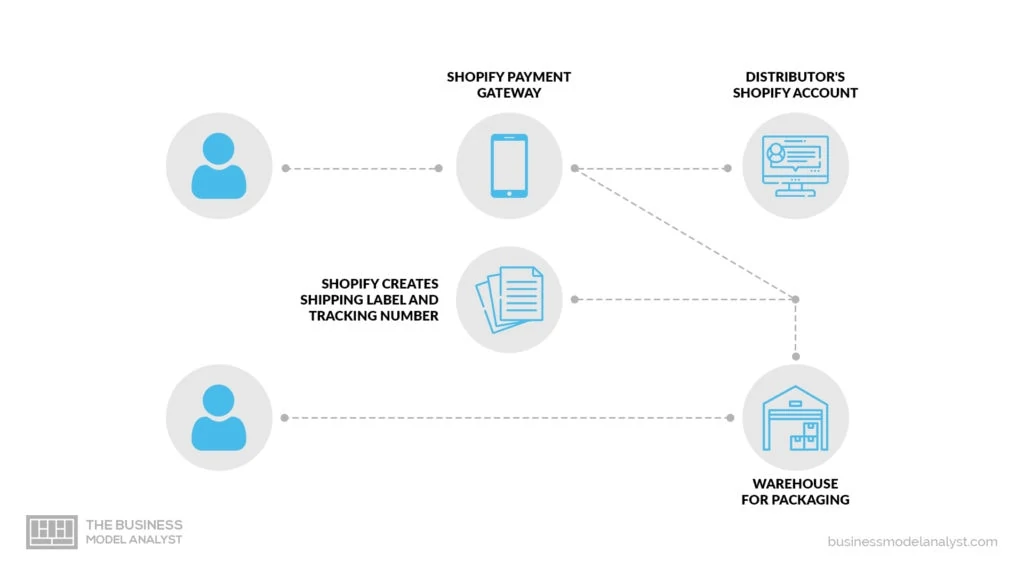
Efficient shipping and fulfillment are paramount for customer satisfaction. Shopify offers comprehensive tools to manage these processes. Merchants can set up various shipping rates based on weight, price, or location, integrate with major shipping carriers for real-time rates, and print shipping labels directly from the Shopify admin. For businesses looking for more sophisticated solutions, Shopify integrates with third-party fulfillment services (3PLs) and dropshipping apps, automating the order fulfillment process from warehouse to customer. This flexibility allows businesses to choose the fulfillment strategy that best suits their products and operational model.
Marketing and SEO Tools Built-in
To drive traffic and sales, Shopify provides a suite of integrated marketing and SEO tools. Merchants can create discount codes, gift cards, and automated email campaigns (e.g., abandoned cart recovery). The platform is inherently SEO-friendly, allowing for customization of meta titles, descriptions, and URLs, as well as providing clean code structures that search engines favor. Shopify also integrates seamlessly with popular marketing channels like Facebook, Instagram, Google Shopping, and TikTok, enabling merchants to manage advertising campaigns and sell directly on social media platforms.
App Store: Extending Functionality with Integrations
The Shopify App Store is a cornerstone of its extensibility, akin to an app store for smartphones. It hosts thousands of third-party applications that can be easily integrated into a Shopify store to add specialized functionalities not available out-of-the-box. These apps cover virtually every aspect of e-commerce, from advanced inventory management and customer support tools to sophisticated marketing automation, analytics, loyalty programs, and dropshipping integrations. This vast ecosystem allows merchants to customize their store’s capabilities precisely to their unique business needs, making Shopify a highly adaptable platform.
Analytics and Reporting: Understanding Your Performance
Data-driven decision-making is vital for e-commerce success. Shopify’s robust analytics and reporting features provide merchants with invaluable insights into their store’s performance. The admin dashboard offers real-time data on sales, customer behavior, traffic sources, average order value, conversion rates, and more. Detailed reports can be generated for sales, finances, customers, and marketing campaigns, allowing merchants to identify trends, understand customer preferences, and optimize their strategies. Integrations with Google Analytics and other third-party reporting tools further enhance this capability, providing a holistic view of business health.
Managing Your Business: Operations and Growth
Beyond the initial setup and core features, Shopify provides extensive tools for ongoing business management and facilitating growth.
Order Management and Customer Service
Shopify’s admin panel acts as a centralized hub for managing all orders. Merchants can view order details, process payments, generate invoices, track fulfillment status, and handle returns or refunds with ease. The platform also streamlines customer service by providing tools to manage customer profiles, view purchase history, and communicate directly with buyers. This centralized approach ensures efficient order processing and responsive customer support, contributing to a positive overall customer experience.
Inventory Tracking and Management
Effective inventory management is crucial to avoid overselling or stockouts. Shopify offers sophisticated inventory tracking capabilities, allowing merchants to monitor stock levels in real-time across multiple locations. It supports inventory adjustments, low-stock alerts, and the ability to manage products with variations. For businesses with complex inventory needs, numerous apps from the Shopify App Store offer advanced features like multi-warehouse management, bundle creation, and supplier integration.
Multi-channel Selling: Beyond Your Website
Shopify recognizes that customers interact with brands across various touchpoints. To facilitate this, it supports multi-channel selling, allowing merchants to extend their reach beyond their primary online store. Businesses can integrate their Shopify inventory with popular sales channels such as Facebook Shop, Instagram Shopping, Google Shopping, eBay, and Amazon. This means product listings and inventory are synchronized across all platforms, ensuring consistency and simplifying management from a single Shopify dashboard.
Mobile Commerce and Shopify POS
In an increasingly mobile-first world, Shopify ensures that stores are optimized for mobile browsing and purchasing, providing a seamless experience on smartphones and tablets. Furthermore, Shopify offers a powerful point-of-sale (POS) system, enabling brick-and-mortar stores to integrate their online and offline sales. Shopify POS allows merchants to accept in-person payments, manage inventory, and track customer data across all sales channels. This unified approach provides a holistic view of the business, whether sales occur online, in-store, or at pop-up events.
The Technology Underpinning Shopify’s Performance
While merchants primarily interact with Shopify’s user-friendly interface, the platform’s robust functionality is underpinned by a sophisticated technological infrastructure.
Cloud Infrastructure and Reliability
Shopify leverages a distributed, cloud-based infrastructure, primarily utilizing Google Cloud and AWS. This architecture ensures high availability, speed, and resilience. By distributing data and processing across multiple servers and data centers globally, Shopify minimizes downtime and ensures that stores load quickly for customers worldwide. This distributed nature also provides redundancy, protecting against data loss and service interruptions. The platform is designed for continuous uptime, a critical factor for e-commerce businesses that operate 24/7.
Security Protocols and Data Protection
Security is paramount in e-commerce, and Shopify invests heavily in protecting merchant and customer data. It employs industry-leading security protocols, including SSL certificates for all stores, ensuring encrypted connections between customers and the website. Shopify is PCI DSS compliant, meeting the rigorous standards required for handling credit card information. Regular security audits, fraud prevention tools, and a dedicated security team work tirelessly to safeguard the platform against cyber threats, providing a secure environment for transactions and sensitive data.
API-First Approach for Developers
For developers and businesses with unique integration needs, Shopify offers a powerful suite of Application Programming Interfaces (APIs). This API-first approach allows for deep customization and the creation of bespoke solutions that extend Shopify’s core functionalities. Developers can build custom apps, integrate with external systems (like ERPs or CRMs), and automate complex workflows. This extensibility is what fuels the vast Shopify App Store and enables businesses to create highly specialized e-commerce experiences that perfectly fit their operational requirements.
Global Reach and Localized Experiences
Shopify’s infrastructure is built for global commerce. It supports multiple currencies, languages, and tax jurisdictions, making it easier for merchants to sell internationally. Features like automatic currency conversion, localized payment methods, and international shipping options enable businesses to reach a global customer base. The platform’s robust architecture ensures fast load times and reliable service for customers regardless of their geographical location, contributing to a truly global e-commerce experience.
In conclusion, Shopify’s operational mechanics are a testament to sophisticated technology meticulously engineered for simplicity and power. It works by providing a fully integrated, scalable, and secure platform that abstracts away the technical complexities of online selling, allowing businesses to focus on growth and customer engagement. From its intuitive interface to its vast app ecosystem and robust infrastructure, Shopify empowers entrepreneurs to navigate the digital marketplace with confidence, transforming ambitious ideas into tangible e-commerce success stories.
aViewFromTheCave is a participant in the Amazon Services LLC Associates Program, an affiliate advertising program designed to provide a means for sites to earn advertising fees by advertising and linking to Amazon.com. Amazon, the Amazon logo, AmazonSupply, and the AmazonSupply logo are trademarks of Amazon.com, Inc. or its affiliates. As an Amazon Associate we earn affiliate commissions from qualifying purchases.