
In an era increasingly defined by data-driven insights and personalized services, the insurance industry, traditionally slow to evolve, is undergoing a profound transformation. At the forefront of this revolution is Root Insurance, a company that has dared to challenge the long-standing paradigms of how car insurance is priced and delivered. Instead of relying heavily on demographic data that often penalizes good drivers based on factors beyond their control, Root positions itself as an innovator, leveraging cutting-edge technology to offer a more equitable, and potentially more affordable, insurance model.
Understanding “how Root Insurance works” is to grasp a fundamental shift in risk assessment—from broad statistical averages to granular, individualized driving behavior. For consumers navigating the complex landscape of personal finance, deciphering this model is crucial, as it holds the promise of significant savings for those who drive responsibly. This article will delve into Root’s operational mechanics, explore its financial implications, and assess its place within the broader ecosystem of personal financial management.
The Core Premise: Usage-Based Insurance Redefined
At its heart, Root Insurance operates on a distinctly modern principle: that your car insurance premium should primarily reflect how well you drive, not just who you are or where you live. This departure from the norm represents a significant pivot from the traditional insurance framework, which has historically relied on a mosaic of demographic data to predict risk.
Shifting from Demographics to Driving Behavior
For decades, the standard insurance model has been a tapestry woven from factors like age, gender, credit score, marital status, vehicle type, and even geographic location. While these data points offer a statistical correlation to risk, they often paint an incomplete picture of an individual driver’s actual habits on the road. A young, urban male, for example, might statistically be deemed high-risk despite being an exceptionally careful driver. Root’s innovation is to challenge this generalization by placing the direct measurement of driving behavior at the epicenter of its underwriting process.
By focusing on real-time driving data, Root aims to create a fairer system. Good drivers, who might otherwise be burdened by the perceived risks associated with their demographic cohort, are offered the opportunity to earn lower rates. This isn’t just a marketing slogan; it’s a recalibration of the risk-reward equation in personal finance, directly tying a consumer’s responsible behavior to tangible monetary benefits. The underlying financial philosophy is simple yet powerful: incentivizing safe driving by directly linking it to reduced costs.
Telematics Technology: The Data Engine
The technological backbone enabling Root’s personalized approach is telematics. This isn’t just a buzzword; it’s the sophisticated system that collects and transmits vital driving data. For Root, the primary telematics device is ubiquitous: your smartphone. Upon downloading the Root app, it begins to collect data using your phone’s built-in sensors—GPS, accelerometer, and gyroscope.
This data collection is precise and continuous during designated driving periods. It records myriad aspects of your driving, such as hard braking events, rapid acceleration, aggressive turns, late-night driving, and even instances of phone usage while the vehicle is in motion. While the technology itself is complex, its financial purpose is clear: to gather objective evidence of your driving habits. This eliminates the guesswork and biases inherent in traditional models, allowing Root to build a personalized risk profile based on actual behavior rather than actuarial assumptions. The data becomes the direct input for a financial algorithm designed to determine your unique premium.
The 3-Week Test Drive: Your Personalized Rate Assessment
Central to the Root experience is a mandatory “test drive” period, typically lasting around three weeks. This initial phase is non-negotiable for prospective policyholders, as it forms the bedrock of Root’s underwriting process. During this period, the Root app diligently monitors and records your driving behaviors. It’s a crucial data-gathering phase, where the telematics technology works silently in the background, assessing your typical driving patterns without immediately impacting your current insurance.
At the culmination of this test drive, Root’s proprietary algorithm processes the accumulated data points. It analyzes hundreds of variables related to your driving style, culminating in a personalized quote. Unlike traditional insurers that might provide an estimate based on minimal input, Root’s quote is a direct consequence of your observed driving. If your driving profile aligns with what Root considers safe and responsible, you’ll receive an offer for coverage, often accompanied by a compellingly lower premium than what you might find elsewhere. Conversely, if your driving habits during the test period indicate a high-risk profile, Root may decline to offer you a policy, underscoring their commitment to insuring safer drivers and, by extension, maintaining a more favorable risk pool for their existing policyholders. This rigorous initial assessment is a key differentiator and a gatekeeper for their financial model.
The Root Algorithm: Unlocking Personalized Savings
The magic behind Root’s ability to offer potentially lower rates isn’t just in collecting data; it’s in how that data is analyzed and translated into a precise financial offering. The Root algorithm is a sophisticated proprietary system that goes beyond simple averages, creating a nuanced understanding of each driver’s risk profile.
What Metrics Matter Most?
Root’s algorithm sifts through the wealth of telematics data, giving particular weight to several key metrics that are highly indicative of accident risk:
-
Hard Braking and Rapid Acceleration: These are strong indicators of aggressive or inattentive driving, both of which increase the likelihood of collisions.
-
Aggressive Turning: Sharp, sudden turns can signal a lack of control or awareness, contributing to instability and potential accidents.
-
Phone Usage While Driving: Distracted driving, particularly involving handheld devices, is a leading cause of accidents. Root’s app can detect phone manipulation while the vehicle is in motion.
-
Time of Day Driven: Driving during peak traffic hours or late at night often carries a higher statistical risk, which the algorithm may factor in.
-
Mileage: While not the primary focus, the overall amount of driving can still play a role, as more time on the road generally means more exposure to risk.
Crucially, Root emphasizes that their model focuses on the consistency and severity of these behaviors. An occasional hard brake due to an unexpected obstacle is different from chronic aggressive driving. These metrics directly translate to the likelihood of a claim, and therefore, the cost of providing insurance. By quantifying these behaviors, Root can assign a more accurate financial risk score to each driver.
Beyond the Test Drive: Continuous Monitoring and Rate Adjustments
The test drive is just the beginning. While your initial premium is set based on this period, Root continues to monitor your driving behavior throughout your policy term. This ongoing assessment is vital for maintaining the integrity of their usage-based model. It means that your driving habits, good or bad, can continue to influence your insurance costs.
At policy renewal, Root reassesses your premium based on your accumulated driving data from the previous term. Consistent safe driving can lead to further discounts or stable rates, rewarding responsible behavior financially. Conversely, a significant deterioration in driving habits might result in a rate increase, underscoring the continuous feedback loop inherent in their model. This dynamic pricing mechanism ensures that your insurance premium remains closely aligned with your actual risk profile over time, a powerful incentive for continuous safe driving and diligent financial management of your transportation costs.
Fairer Premiums for Safer Drivers
The overarching goal of the Root algorithm and its continuous monitoring is to deliver fairer premiums. For good drivers, this translates directly into tangible financial savings. Traditional insurance models often force safe drivers to subsidize the higher-risk behaviors of others in their demographic cohort. Root aims to break this cycle.
By isolating and rewarding individual safe driving, Root empowers consumers to take control of a significant portion of their personal finance budget. Car insurance is a mandatory and often substantial expense. Offering a direct path to reduce this cost through responsible behavior is a compelling proposition for financially savvy individuals. This model shifts the power balance, allowing drivers to “earn” their low rates through their actions, rather than being passively assigned a rate based on broad, often irrelevant, statistical categories. It’s a direct link between personal discipline on the road and financial reward.
Beyond Car Insurance: Expanding Financial Protection
While Root Insurance built its reputation on revolutionizing car insurance, its strategic vision extends beyond a singular product. Recognizing the comprehensive financial needs of its customer base, Root has begun to diversify its offerings, aiming to become a more holistic provider of essential financial protection products. This expansion is not merely about increasing market share; it’s about leveraging their digital-first infrastructure and customer relationships to simplify and streamline financial management for their users.
Renters Insurance: Bundling for Convenience and Savings
A logical extension of Root’s personal insurance offerings is renters insurance. For many individuals, especially younger demographics who are Root’s early adopters, renting is a common living situation. Renters insurance, while often overlooked, is a critical component of personal financial planning, protecting against potential losses from theft, damage, or liability within a rented dwelling.

Root’s integration of renters insurance allows customers to bundle their policies. From a financial perspective, bundling can often lead to discounts, reducing the overall cost of insurance for the policyholder. More importantly, it offers immense convenience. Managing multiple insurance policies through a single provider and a unified digital platform simplifies administrative tasks, payments, and claims processes. This streamlined approach to financial protection aligns with the modern consumer’s expectation for integrated and user-friendly services, making essential financial tools more accessible and less burdensome.
Homeowners Insurance (If Applicable/Known)
While Root’s primary focus remains on car insurance and, increasingly, renters insurance, the trajectory of digital-first insurers often points towards broader expansion into other personal lines of coverage, including homeowners insurance. As of this writing, Root has made strides in offering homeowners insurance in select markets, or through partnerships. The principle remains the same: leverage data and a streamlined digital experience to provide competitive rates and a superior customer journey.
For individuals transitioning from renting to homeownership, or those seeking to consolidate their insurance needs, having a single provider for multiple policies can offer not only financial savings through bundling but also a simplified approach to managing significant financial assets. The long-term vision for companies like Root is to become a comprehensive financial protection hub, where customers can manage all their personal insurance needs seamlessly through a single, intuitive platform, reinforcing their position as a modern financial tool.
The Digital-First Experience: Streamlining Financial Management
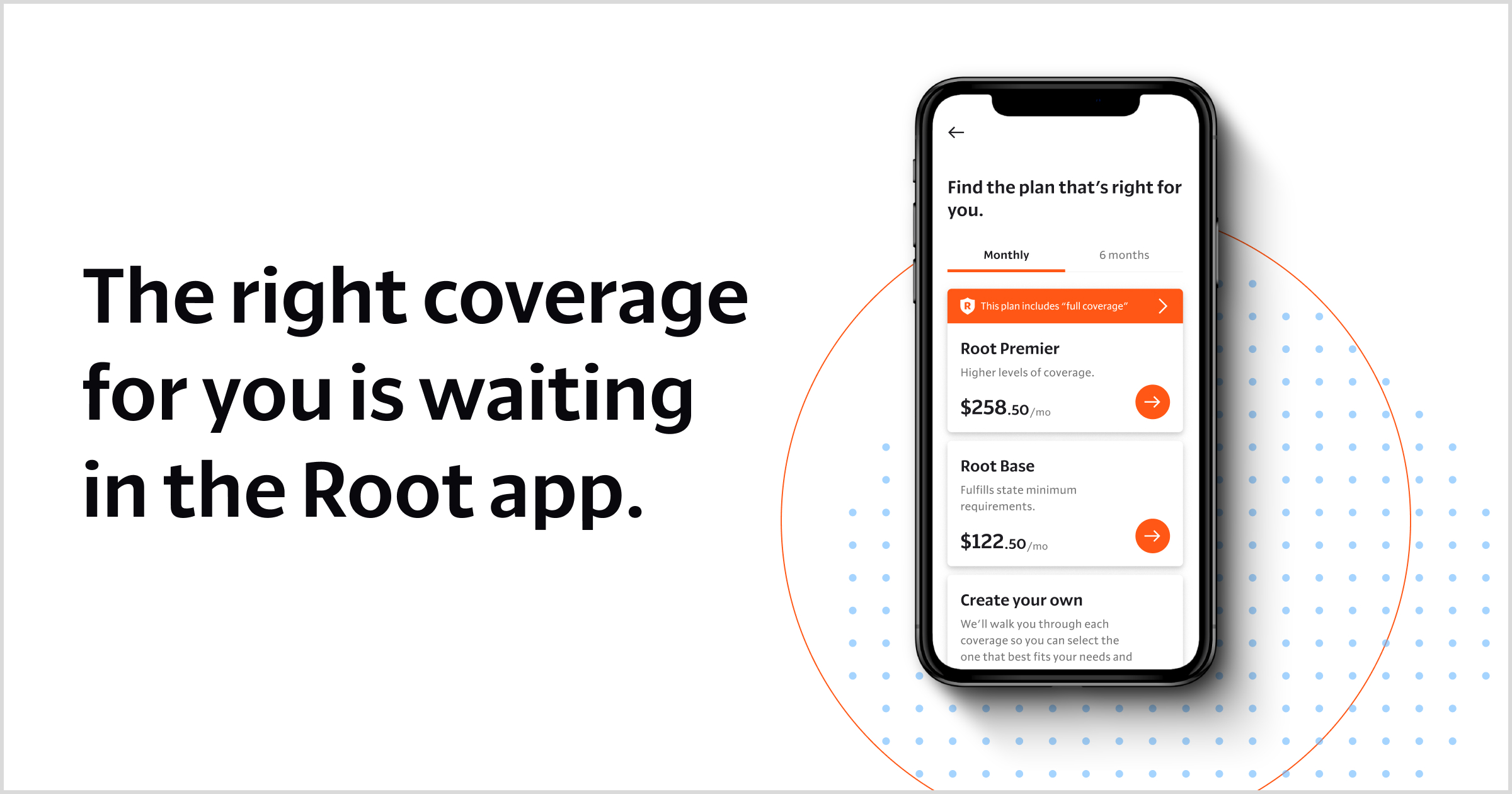
A cornerstone of how Root Insurance works across all its product lines is its unwavering commitment to a digital-first experience. The smartphone app is not just for collecting driving data; it’s the central hub for all customer interactions. This digital interface drastically streamlines the otherwise cumbersome processes associated with traditional insurance.
Through the app, policyholders can effortlessly manage their coverage, make payments, file claims, and even communicate with customer service—all from the palm of their hand. This convenience translates directly into better financial management. It reduces the friction associated with updating policies, understanding coverage limits, or initiating a claim after an incident. For a generation accustomed to on-demand services, a digital-first approach to insurance means more transparency, greater control, and quicker resolution times, all of which contribute to a more efficient and less stressful approach to personal financial security. This modernization of the insurance experience makes it a more accessible and efficient financial tool.
Financial Implications and Considerations for Consumers
For consumers, embracing a telematics-based insurer like Root involves weighing potential financial benefits against certain trade-offs. Understanding these implications is key to determining if Root’s model aligns with one’s personal finance strategy and comfort levels.
Potential for Significant Savings
The most compelling financial incentive of Root Insurance is the potential for significant savings on car insurance premiums. For safe drivers, especially those who feel unfairly penalized by traditional models, Root offers a direct pathway to lower costs. Industry data and customer testimonials often highlight savings ranging from 10% to 50% for good drivers who switch to telematics-based insurers.
These savings can free up substantial funds in a household budget, which can then be allocated to other financial goals such as debt reduction, investing, or building an emergency fund. For many, car insurance is a fixed, non-negotiable expense; finding a legitimate way to reduce it without compromising coverage is a smart personal finance move. Root empowers consumers to actively reduce this line item through their responsible behavior.
Data Privacy and Financial Trade-offs
The core of Root’s model—collecting driving data via a smartphone app—naturally raises questions about data privacy. Consumers must be comfortable with sharing their driving habits, location data, and potentially phone usage information in exchange for potentially lower insurance rates. This is a crucial financial trade-off that each individual must evaluate.
While Root, like any reputable financial services provider, employs robust data security measures and adheres to privacy regulations, the fundamental act of sharing such granular personal data is a consideration. For some, the financial reward of lower premiums outweighs privacy concerns, viewing the data as a necessary input for a personalized and fairer financial product. For others, the perceived intrusion may not be worth the potential savings. It’s a balance between financial optimization and personal comfort with data sharing, a decision point increasingly common in the digital economy.
Suitability for Different Driver Profiles
Root’s model is not a one-size-fits-all solution. It is particularly well-suited for specific driver profiles:
-
Safe, Conscious Drivers: Those who consistently exhibit responsible driving habits (smooth acceleration, gentle braking, minimal phone use while driving) stand to benefit most from Root’s personalized pricing.
-
Tech-Savvy Individuals: Consumers comfortable with smartphone apps and the concept of telematics data collection will find the experience seamless.
-
Individuals Seeking Cost Savings: Anyone actively looking to reduce their insurance expenses through behavioral changes will find Root’s value proposition compelling.
Conversely, individuals with aggressive driving habits, those who frequently engage in distracted driving, or those uncomfortable with continuous data monitoring may find Root less suitable, or even be declined coverage. It’s essential for consumers to honestly assess their own driving behavior and comfort with technology before committing to the test drive, ensuring alignment with their financial goals and lifestyle.
Understanding Policy Details and Coverage
Like any financial product, understanding the nuances of a Root insurance policy is paramount. While Root focuses on personalized pricing, the fundamentals of insurance coverage remain critical. Consumers must diligently review their policy details, including:
-
Coverage Types: Ensuring adequate liability, comprehensive, collision, uninsured/underinsured motorist, and medical payments coverage.
-
Deductibles: The amount paid out-of-pocket before insurance kicks in, directly impacting premium cost.
-
Limits: The maximum amount an insurer will pay for a covered loss.
-
Exclusions: Specific situations or damages not covered by the policy.
Regardless of how the premium is calculated, the core financial protection offered by the policy must meet individual needs and state requirements. A lower premium is only beneficial if it provides sufficient coverage when an unexpected event occurs. Consumers should treat Root insurance with the same due diligence they would apply to any major financial commitment, ensuring that cost savings do not come at the expense of adequate protection.
The Future of Insurance: A Money-Saving Paradigm Shift?
Root Insurance represents more than just another car insurance option; it embodies a significant shift in how financial services, particularly insurance, are conceived and delivered. Its model offers a glimpse into a future where personalization, data, and direct consumer behavior play an increasingly central role in pricing and accessibility.
Disruption in the Traditional Insurance Market
Root’s success and growing market presence have undeniable disruptive implications for the traditional insurance market. By demonstrating the viability and attractiveness of a usage-based model, Root has pressured established insurers to re-evaluate their own underwriting practices and embrace telematics technology. This competition ultimately benefits consumers, as it encourages innovation and competitive pricing across the board. The traditional behemoths are being forced to adapt, integrate technology, and move towards more personalized offerings to retain market share, leading to a healthier, more dynamic financial landscape.
Empowering Consumers with Data
One of the most profound aspects of Root’s approach is how it empowers consumers. By making the link between driving behavior and insurance costs transparent, Root provides drivers with direct control over a significant household expense. This isn’t just about saving money; it’s about financial literacy and agency. Drivers are incentivized to become safer, more mindful operators of their vehicles, knowing that their discipline directly translates into tangible financial rewards. This data-driven feedback loop fosters a proactive approach to managing personal financial risks.

A Glimpse into Personalized Financial Services
The Root model serves as a powerful case study for the broader evolution of personalized financial services. Imagine a future where health insurance is priced more directly on lifestyle choices tracked by wearables, or where banking services offer dynamic rewards based on spending habits. Root demonstrates that consumers are willing to exchange personal data for more tailored, potentially more affordable, and transparent financial products. This trend suggests a future where financial tools and services are less about broad segmentation and more about hyper-individualized profiles, empowering consumers to optimize their financial well-being through behavioral alignment. Root Insurance, therefore, is not just about car insurance; it’s a harbinger of a more personalized, data-driven financial future.
aViewFromTheCave is a participant in the Amazon Services LLC Associates Program, an affiliate advertising program designed to provide a means for sites to earn advertising fees by advertising and linking to Amazon.com. Amazon, the Amazon logo, AmazonSupply, and the AmazonSupply logo are trademarks of Amazon.com, Inc. or its affiliates. As an Amazon Associate we earn affiliate commissions from qualifying purchases.