
In the landscape of American personal finance, few expenses are as volatile or as opaque as healthcare. Specifically, the cost of prescription medication can fluctuate wildly from one zip code to the next, or even between two pharmacies on the same street. For the average consumer, this lack of transparency often leads to significant financial strain. Enter GoodRx, a financial tool that has fundamentally disrupted the pharmaceutical marketplace. By leveraging technology to aggregate pricing data and tap into pre-negotiated contracts, GoodRx has transformed from a simple coupon site into a cornerstone of modern healthcare budgeting. Understanding how GoodRx works requires a look beyond the mobile app interface and into the complex financial structures of the pharmaceutical supply chain.
The Personal Finance Impact: Navigating the Complex World of Prescription Pricing
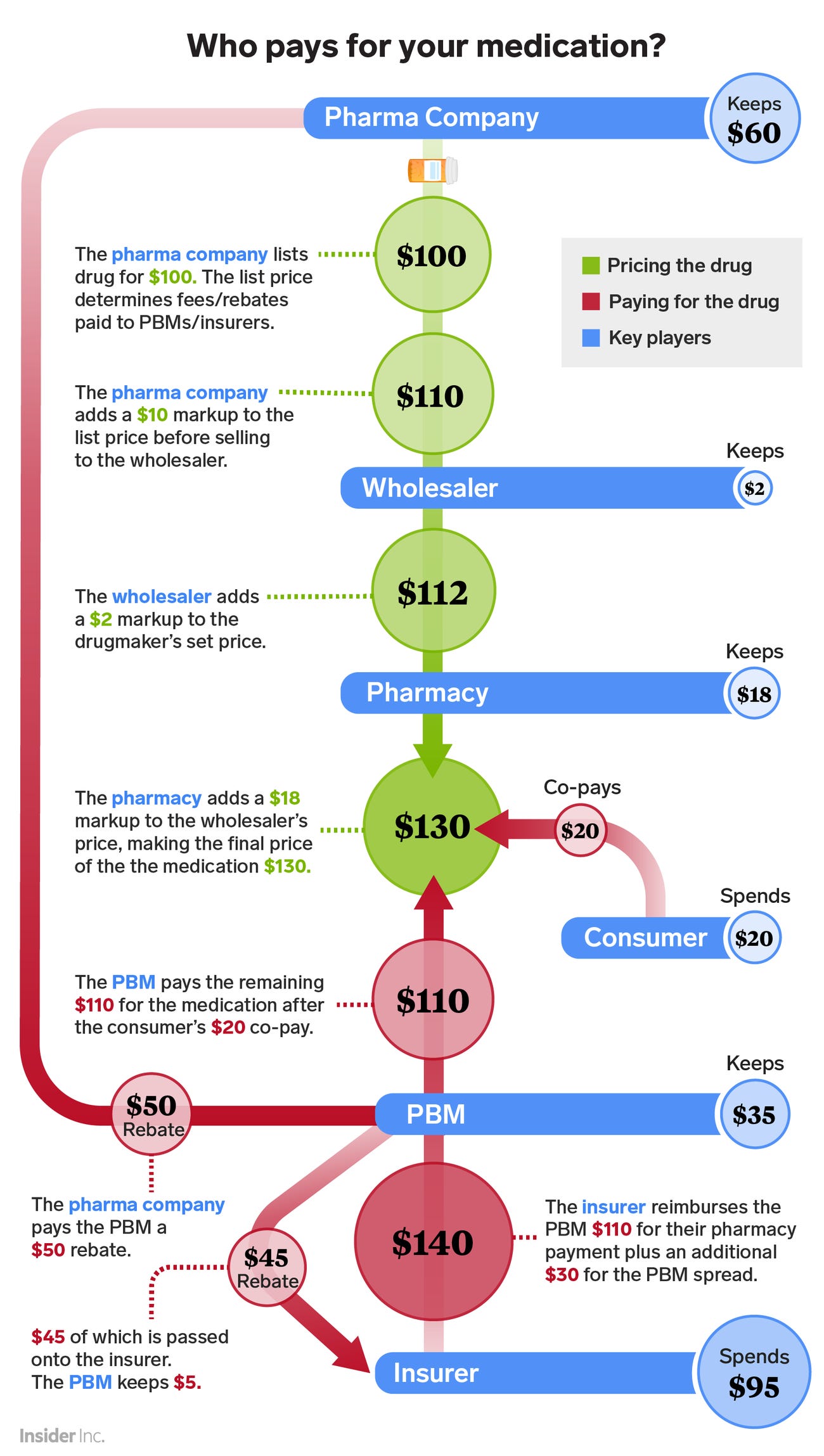
To understand the value proposition of GoodRx, one must first recognize the fundamental inefficiency of the American pharmaceutical market. Unlike most consumer goods, prescription drugs do not have a “sticker price” that remains consistent across retailers. Instead, the cost of a medication is determined by a convoluted web of negotiations between manufacturers, wholesalers, insurance companies, and pharmacies.
The Hidden Variance in Drug Costs
Most consumers assume that their local pharmacy offers a fair market price for their medication. However, without a tool like GoodRx, a patient might pay $50 for a generic antibiotic at a large retail chain, while a grocery store pharmacy three blocks away charges only $15 for the exact same pill. This variance is not based on the quality of the drug, but rather on the specific contracts that the pharmacy has with Pharmacy Benefit Managers (PBMs). GoodRx acts as a price aggregator, similar to how travel sites compare airfares, allowing users to see these price discrepancies in real-time. For an individual managing a monthly budget, this transparency is the difference between a manageable expense and a financial crisis.
How GoodRx Bridges the Gap for the Uninsured and Underinsured
For the millions of Americans who are uninsured, or those with high-deductible health plans (HDHPs), the “list price” or “usual and customary” (U&C) price of a drug can be astronomical. GoodRx serves as a vital financial bridge in these scenarios. By providing access to “negotiated rates” that were previously only available to large insurance groups, GoodRx effectively grants the individual consumer the collective bargaining power of a much larger entity. This democratization of pricing is a critical component of modern personal finance, as it allows individuals to bypass the inflated retail markups that often penalize those with the least financial protection.
Decoding the Business Model: How GoodRx Generates Revenue While Saving You Money
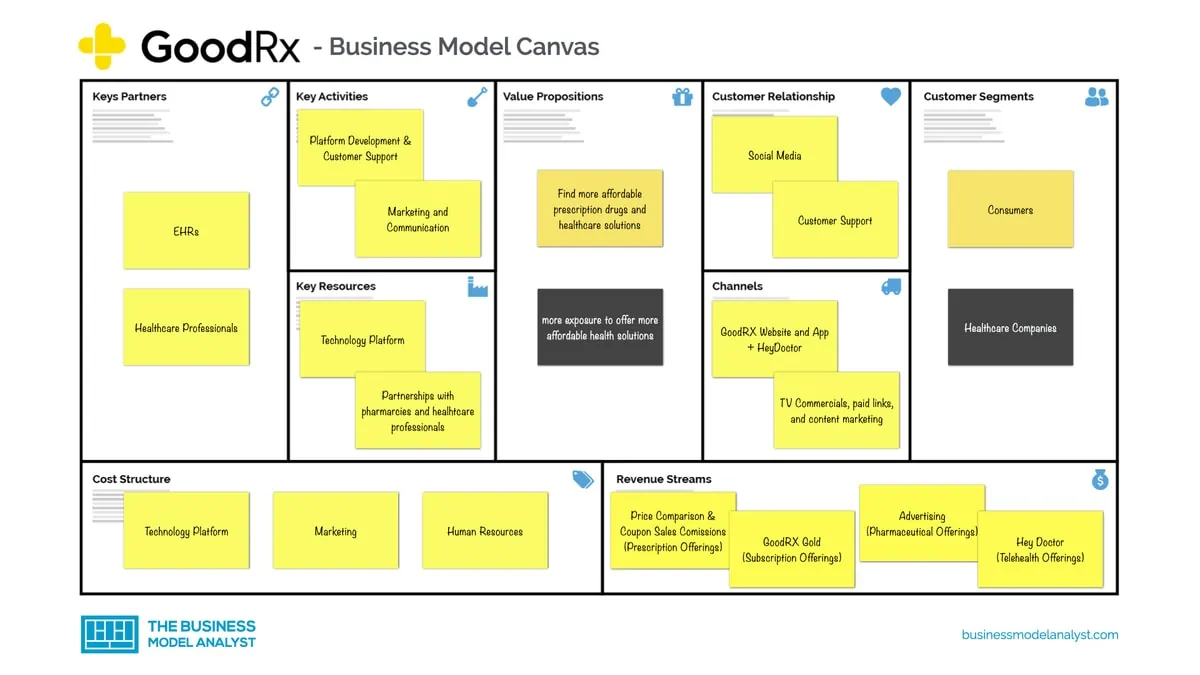
A common question among savvy financial observers is: “If the service is free for consumers, how does GoodRx make money?” The answer lies in the intersection of business finance and intermediary commissions. GoodRx does not sell drugs; it sells access to information and pre-negotiated contracts. Its revenue model is built upon its relationships with the aforementioned Pharmacy Benefit Managers.
The Role of Pharmacy Benefit Managers (PBMs)
PBMs are the “middlemen” of the pharmaceutical world. Companies like Express Scripts, CVS Caremark, and OptumRx negotiate discounts with drug manufacturers and pharmacies on behalf of insurance companies. Because PBMs represent millions of lives, they can demand significantly lower prices from pharmacies. GoodRx partners with multiple PBMs to display their various negotiated rates to the public. When a consumer uses a GoodRx coupon, they are essentially using the PBM’s “contracted rate” instead of the pharmacy’s “retail rate.”

Referral Fees and Commission Structures
From a corporate finance perspective, GoodRx operates on a high-volume, low-margin referral model. Every time a patient uses a GoodRx discount code at a pharmacy, the PBM pays GoodRx a small referral fee or a portion of the administrative fee processed during the transaction. This creates a win-win-win scenario in the business ecosystem: the consumer saves money, the PBM gains transaction volume, and GoodRx earns a commission for facilitating the connection. Additionally, GoodRx has diversified its revenue streams through gold-tier subscriptions (GoodRx Gold) and pharmaceutical manufacturer advertisement placements, further stabilizing its financial position in the health-tech market.
Maximizing Your Healthcare Budget: Practical Strategies Using GoodRx
Using GoodRx is not just about finding a coupon; it is a strategic financial move that requires an understanding of how it interacts with other financial products, such as health insurance and Health Savings Accounts (HSAs). For those looking to optimize their personal finance strategy, knowing when not to use insurance is just as important as knowing when to use it.
Comparing GoodRx with Insurance Copays
One of the most surprising aspects of the GoodRx model is that its discounted price is frequently lower than a patient’s insurance copay. This occurs because insurance companies often set fixed copay tiers (e.g., $15 for all generic drugs), whereas GoodRx reflects the actual fluctuating market price of the drug. If a generic medication costs $8 through a GoodRx-negotiated rate, but the insurance copay is $15, the consumer saves $7 by opting out of their insurance for that specific transaction. It is a vital exercise in financial literacy for patients to ask their pharmacist for both the insurance price and the GoodRx price before paying.
Leveraging GoodRx Gold for Subscription-Based Savings
For families or individuals managing multiple chronic conditions, the “Gold” subscription service represents a calculated financial trade-off. By paying a monthly fee, users gain access to even lower exclusive prices and home delivery options. From an investment perspective, if the monthly subscription fee is lower than the aggregate savings on five or more medications, the “ROI” on the subscription is immediate. This moves GoodRx from a “one-off” saving tool into a structured part of a household’s fixed-cost management.
The Broader Economic Implications: GoodRx and the Future of Healthcare Transparency
Beyond individual savings, GoodRx is a catalyst for a larger shift in the economics of the healthcare industry. By introducing price transparency into a historically opaque market, it is forcing pharmacies and PBMs to compete on a level playing field, which has long-term implications for the “Money” niche and the business of healthcare.
Disrupting the Traditional Pharmacy Market
Historically, pharmacies relied on the “black box” of pricing to maintain healthy margins on generic drugs. With the widespread adoption of GoodRx, pharmacies are forced to accept lower margins to maintain foot traffic. From a business finance perspective, this has turned prescription drugs into “loss leaders” for many retailers. Pharmacies are willing to accept the lower GoodRx rate because it brings the customer into the store, where they are likely to purchase high-margin over-the-counter goods, groceries, or beauty products. This shift in the retail pharmacy business model is a direct result of the pricing pressure exerted by GoodRx.
Data as a Financial Asset in Modern Healthcare
In the digital economy, data is a form of currency. GoodRx sits on a massive mountain of consumer behavior data—knowing which drugs are being searched for, in which locations, and at what price points. This data has immense value for market researchers, pharmaceutical manufacturers, and healthcare analysts. By analyzing these trends, GoodRx can provide insights into drug adherence and the financial barriers preventing patients from filling their prescriptions. As the company continues to evolve, its ability to monetize this data while providing a free service to consumers represents a sophisticated evolution of the “freemium” business model within the financial technology sector.
Conclusion: The Integration of Health and Wealth
The success of GoodRx is a testament to the growing intersection of personal finance and healthcare. In an era where “medical debt” is a leading cause of bankruptcy in the United States, tools that provide price transparency are no longer optional—they are essential financial instruments. By understanding the mechanics of PBMs, the strategies of insurance opt-outs, and the broader economic shifts caused by price transparency, consumers can take control of their healthcare spending. GoodRx works not just by offering a discount, but by providing the data-driven leverage necessary to navigate one of the most complex financial landscapes in the world. As healthcare costs continue to rise, the ability to audit and optimize every dollar spent at the pharmacy counter remains one of the most effective “side hustles” for protecting one’s long-term financial health.
aViewFromTheCave is a participant in the Amazon Services LLC Associates Program, an affiliate advertising program designed to provide a means for sites to earn advertising fees by advertising and linking to Amazon.com. Amazon, the Amazon logo, AmazonSupply, and the AmazonSupply logo are trademarks of Amazon.com, Inc. or its affiliates. As an Amazon Associate we earn affiliate commissions from qualifying purchases.