
In an increasingly digital world, managing your money has evolved far beyond physical wallets and traditional banking. Platforms like Cash App have become indispensable tools for millions, facilitating seamless peer-to-peer payments, investing, and direct deposits. However, a common question often arises for users: “How do I withdraw money from Cash App?” Whether you need physical cash for everyday expenses or wish to move funds back to your traditional bank account, understanding the various withdrawal methods, associated costs, and best practices is crucial for effective personal finance management.
This guide delves into the mechanics of accessing your funds from Cash App, offering a professional, insightful, and engaging perspective on how to integrate this powerful financial tool into your broader money strategy. We will cover everything from direct bank transfers to ATM withdrawals, outlining potential fees, limits, and essential security considerations.
Understanding Cash App and Its Role in Modern Personal Finance
Cash App, developed by Block, Inc. (formerly Square, Inc.), has solidified its position as a leading mobile payment service, offering a suite of financial functionalities that cater to a diverse user base. Its appeal lies in its simplicity, speed, and integrated features that extend beyond mere money transfers. For many, Cash App is not just an app; it’s a vital component of their personal financial ecosystem.
The Rise of Digital Payment Platforms
The digital revolution has dramatically reshaped how we interact with our money. Gone are the days when bank branches were the sole nexus of financial activity. Digital payment platforms, often referred to as FinTech (Financial Technology) solutions, have democratized access to financial services, offering convenience and efficiency previously unimaginable. These platforms have significantly reduced the friction associated with sending, receiving, and managing money, making financial transactions faster, cheaper, and more accessible.
Cash App stands at the forefront of this revolution, enabling users to:
- Send and receive money instantly from friends and family.
- Direct deposit paychecks, tax refunds, and other benefits.
- Invest in stocks and Bitcoin directly from the app.
- Utilize a customizable debit card (the Cash Card) linked to their Cash App balance.
- Access various discounts and “Boosts” when using their Cash Card.
This ecosystem makes Cash App a powerful tool for those looking to manage their finances on the go, providing a seamless bridge between digital funds and everyday spending.
Key Features of Cash App for Money Management
Beyond its core payment functionalities, Cash App offers several features that significantly enhance personal money management:
- Budgeting Insights (indirectly): While not a full-fledged budgeting app, the consolidated view of transactions allows users to track their spending within the app, especially if they route a significant portion of their income and expenses through it.
- Direct Deposit: The ability to receive paychecks directly into Cash App transforms it from a simple peer-to-peer app into a primary checking account alternative for many, offering faster access to funds compared to traditional banks.
- Investing Capabilities: Integrating stock and Bitcoin investing within the same platform simplifies wealth building, especially for new investors, allowing for micro-investments with ease.
- Cash Card Benefits: The Cash Card functions like a traditional debit card, drawing directly from your Cash App balance. Its “Boosts” feature allows users to save money on everyday purchases, acting as a direct financial incentive.
These features, when strategically utilized, can empower individuals to manage their daily finances, invest for the future, and streamline their banking experience, all from their smartphone.
Security Considerations for Your Funds
While convenience is paramount, the security of your financial assets within Cash App is equally critical. As with any digital financial tool, users must exercise vigilance. Cash App employs various security measures, including encryption and fraud detection technologies. However, user awareness and action are the first lines of defense. Best practices include:
- Strong, Unique Passwords: Use a complex password and enable two-factor authentication (2FA) for your Cash App account.
- Beware of Scams: Be cautious of phishing attempts, fake customer support, or unsolicited requests for money or personal information. Cash App will never ask for your PIN or sign-in code outside of the app.
- Monitor Transactions: Regularly review your transaction history for any unauthorized activity.
- Link Securely: Ensure your linked bank account and debit card are from reputable institutions and monitor those accounts as well.
- Public Wi-Fi: Avoid accessing financial apps, including Cash App, on unsecured public Wi-Fi networks where data interception is possible.
By prioritizing security, users can confidently leverage Cash App’s financial tools without compromising their assets.
Step-by-Step Guide to Withdrawing Cash App Funds
Accessing your money from Cash App is straightforward, but the method you choose depends on your immediate needs and preferences. There are primarily two ways to withdraw funds: transferring to a linked bank account or using the Cash Card at an ATM.
Transferring Funds to a Linked Bank Account
This is the most common method for moving money out of your Cash App balance and into a traditional bank account where it can be further managed, invested, or used for payments not directly supported by Cash App.
Steps:
- Open Cash App: Launch the Cash App on your mobile device.
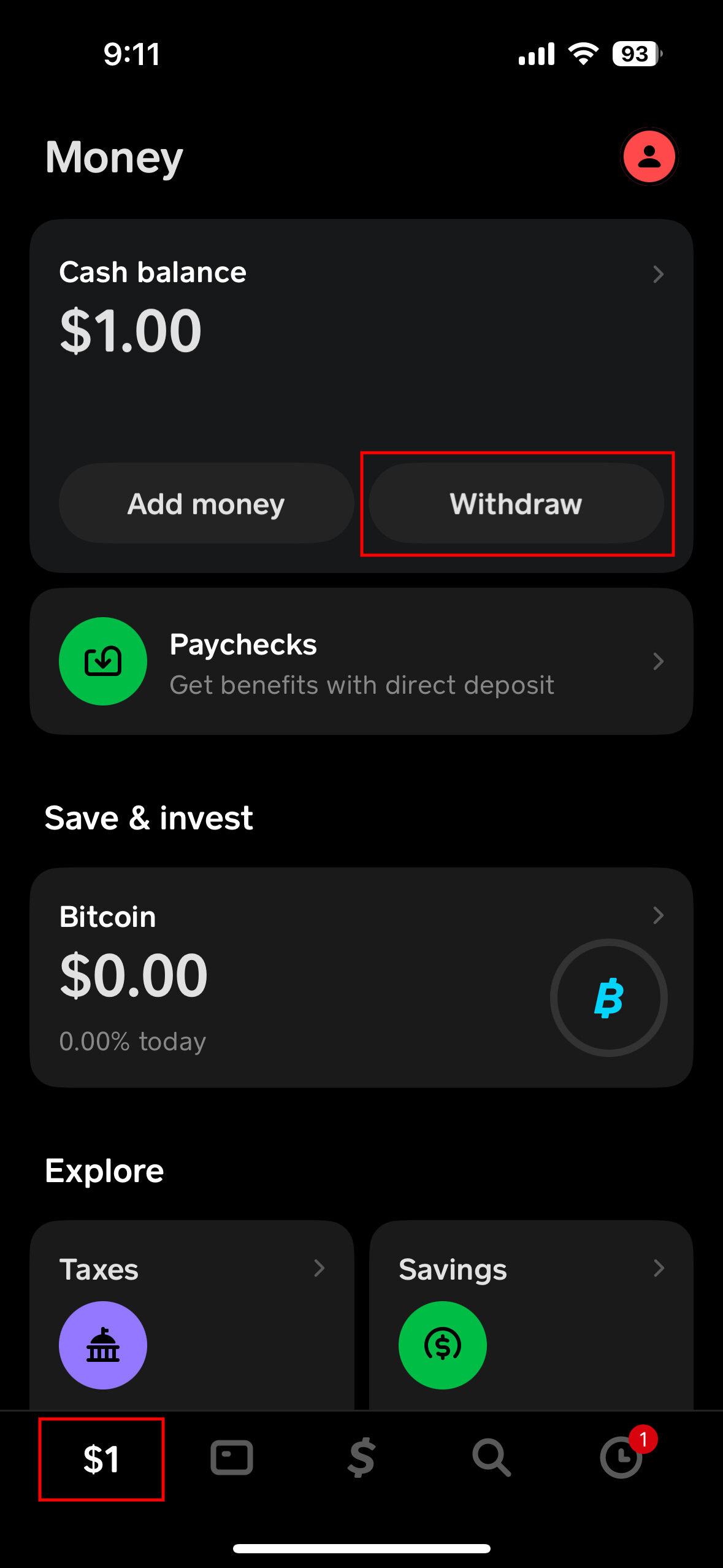
- Navigate to the Banking Tab: Tap the “Banking” tab (the house icon or dollar amount) on the home screen.
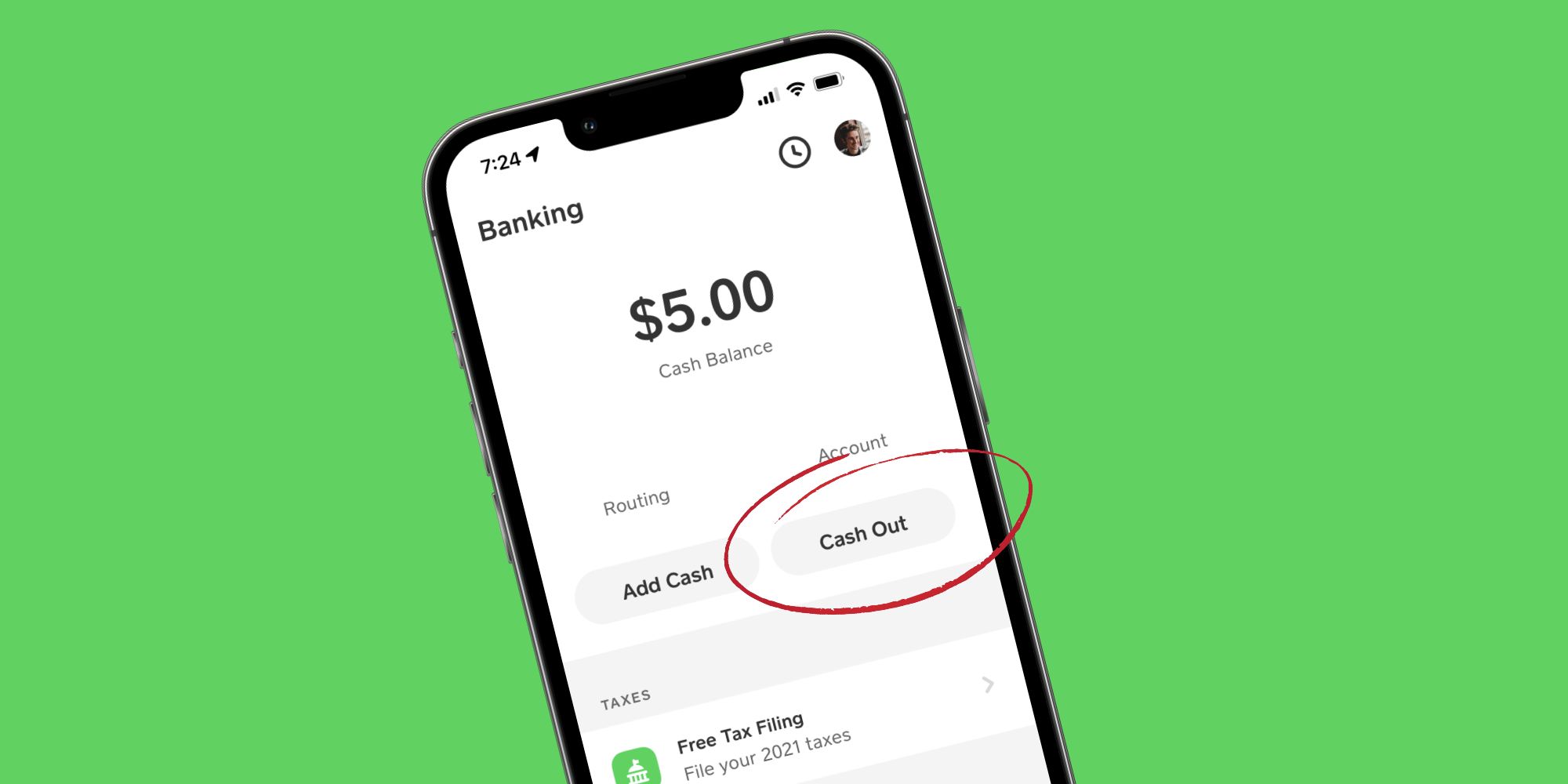
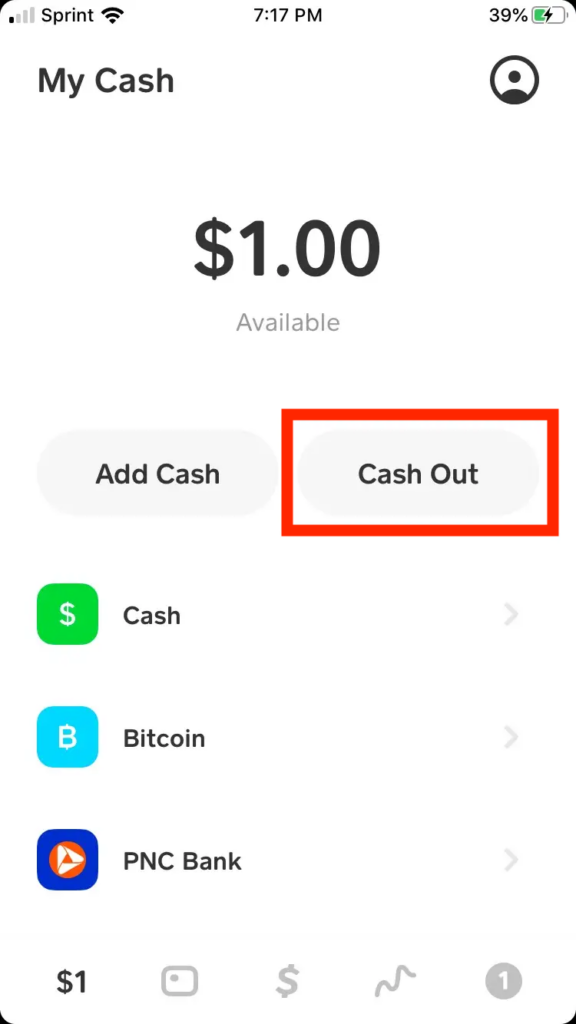
- Tap “Cash Out”: Below your Cash App balance, you’ll see a “Cash Out” button. Tap it.
- Enter Amount: Input the desired amount you wish to transfer from your Cash App balance.
- Choose Transfer Speed: You’ll be presented with two options:
- Standard (1-3 Business Days): This option is typically free.
- Instant Transfer (Within Minutes): This option incurs a small fee (usually 0.5% to 1.75% of the transferred amount, with a minimum fee).
- Confirm Transfer: Review the details, including the amount and selected transfer speed, then tap “Confirm.” The funds will then be initiated for transfer to your linked bank account.
This method is ideal for larger sums or when you’re not in a hurry, as the standard transfer offers a cost-free way to move your money.
Utilizing the Cash App Card for ATM Withdrawals
For those who need physical cash, the Cash Card provides a convenient solution, allowing you to withdraw money directly from your Cash App balance at ATMs.
Steps:
- Obtain a Cash Card: If you don’t already have one, you can order a free personalized Cash Card directly through the Cash App. It usually arrives within 5-10 business days.
- Activate Your Cash Card: Once received, activate it within the app by tapping the “Cash Card” tab (the card icon) and following the prompts.
- Locate an ATM: Find an ATM that accepts Visa debit cards.
- Insert Card and Enter PIN: Insert your Cash Card into the ATM and enter your Cash Card PIN. If you haven’t set one, you can do so in the Cash Card tab within the app.
- Select “Withdrawal”: Follow the ATM’s prompts to select “Withdrawal” or “Cash Withdrawal.”
- Choose Account Type: Select “Checking Account” as the account type.
- Enter Amount: Input the amount of cash you wish to withdraw.
- Complete Transaction: Confirm the transaction, and the ATM will dispense your cash.
Important Note: While Cash App does not charge a fee for ATM withdrawals, the ATM operator typically charges a separate fee. Cash App does offer a reimbursement for ATM fees if you receive at least $300 in direct deposits into your Cash App balance each month. This feature provides a significant financial benefit for regular users.
Instant vs. Standard Transfers: Costs and Benefits
Understanding the difference between instant and standard transfers is crucial for optimizing your withdrawal strategy, especially from a cost-saving perspective.
-
Standard Transfers (1-3 Business Days):
- Benefit: Free of charge. Ideal for planned transfers or when immediate access isn’t critical.
- Cost: Time. Funds may not be available for several business days, which can be inconvenient in urgent situations.
- Financial Strategy: Use for budgeting, moving savings, or transferring funds to external investment accounts without incurring additional costs.
-
Instant Transfers (Within Minutes):
- Benefit: Rapid access to funds, typically available in your linked bank account within minutes, even on weekends or holidays.
- Cost: A transaction fee, generally 0.5% to 1.75% of the amount transferred.
- Financial Strategy: Reserve for emergencies, unexpected expenses, or when you absolutely need money in your bank account immediately, understanding the convenience comes at a small price.
Choosing between these options requires a conscious financial decision based on urgency and the amount of money being transferred. For frequent large transfers, standard options can lead to significant savings over time.
Navigating Withdrawal Limits, Fees, and Potential Issues
While Cash App offers immense flexibility, there are practical limitations and potential fees to be aware of when withdrawing money. Understanding these aspects is key to smooth financial operations and avoiding surprises.
Daily and Weekly Withdrawal Limits
Cash App implements limits on how much money you can withdraw to protect users and comply with financial regulations. These limits can vary based on your account verification status.
- Unverified Accounts: Typically have lower limits, both for sending/receiving and withdrawing.
- Verified Accounts: By providing your full legal name, date of birth, and the last four digits of your Social Security Number (SSN), you can significantly increase your limits. Verified accounts generally have higher limits for ATM withdrawals (e.g., $300 per transaction, $1,000 per day, $1,000 per week, and $1,250 per month) and for bank transfers (e.g., $25,000 per week).
It’s important to verify your account early on if you plan to use Cash App for substantial transactions or regular withdrawals to avoid hitting these caps unexpectedly. You can check your current limits and verification status within the Cash App settings.
Understanding Cash App Withdrawal Fees
Cash App’s fee structure for withdrawals is relatively straightforward:
- Bank Transfers:
- Standard (1-3 business days): Free.
- Instant (within minutes): 0.5% to 1.75% fee, with a minimum fee applied to small transfers.
- ATM Withdrawals (via Cash Card):
- Cash App itself does NOT charge a fee.
- ATM operator fees: Most ATMs will charge their own fee (typically $2-$5).
- Fee Reimbursement: As mentioned, Cash App reimburses ATM fees for users who receive $300 or more in direct deposits each month. This is a significant perk for regular users.
These fees are a crucial component of your personal finance calculations. Strategic planning of withdrawals, especially for larger sums, can help minimize or completely avoid these costs.
Troubleshooting Common Withdrawal Problems
Occasionally, users might encounter issues when trying to withdraw money from Cash App. Common problems and their solutions include:
- Insufficient Funds: The most common issue. Ensure your Cash App balance has enough funds to cover the withdrawal amount plus any applicable fees.
- Linked Bank Account Issues:
- Incorrect Bank Details: Double-check that your linked bank account information (routing number, account number) is correct and up-to-date.
- Bank Restrictions: Some banks may have their own limits or restrictions on incoming transfers from third-party apps. Contact your bank if transfers consistently fail.
- Account Status: Ensure your linked bank account is active and in good standing.
- Exceeding Limits: You may be trying to withdraw more than your daily, weekly, or monthly limit. Check your limits in the app and adjust your withdrawal amount or wait until the limits reset.
- Technical Glitches: Rarely, temporary app or system glitches can occur. Try closing and reopening the app, restarting your phone, or trying again after a short while.
- Account Verification: Unverified accounts may face more restrictions. Completing the verification process often resolves withdrawal issues.
- ATM Issues: For Cash Card withdrawals, ensure the ATM is functional and accepts Visa debit cards. If an ATM dispenses less cash than requested, immediately contact the ATM operator and then Cash App support.
If you encounter persistent issues, contacting Cash App customer support directly through the app is the best course of action.
Verifying Your Account to Increase Limits
Account verification is a critical step for serious Cash App users. By providing your full legal name, date of birth, and the last four digits of your Social Security Number (SSN), Cash App can verify your identity. This process not only increases your sending and receiving limits but also significantly raises your withdrawal limits, both for bank transfers and ATM withdrawals.
Benefits of Verification:
- Higher Withdrawal Ceilings: Access and manage larger sums of money.
- Enhanced Security: Strengthens the security of your account and helps prevent fraud.
- Access to More Features: Unlock full functionality of the app.
The verification process is typically quick and can be initiated directly within the app’s profile settings. It’s a fundamental step towards integrating Cash App effectively into your comprehensive personal finance strategy.
Strategic Tips for Efficient Cash App Fund Management
Mastering the mechanics of withdrawing funds is just one part of the equation. Strategic management of your Cash App funds can lead to better financial outcomes, saving you time and money.
Planning Your Withdrawals to Minimize Fees
A key aspect of smart financial management is minimizing unnecessary costs. For Cash App withdrawals, this means being deliberate:
- Prioritize Standard Transfers: Whenever possible, opt for the free standard transfer option to your bank account, especially for routine transfers like moving savings or paying bills from your main bank.
- Bundle Withdrawals: If you anticipate needing cash, plan to withdraw a larger sum at once from an ATM rather than multiple small withdrawals, as each ATM transaction typically incurs a separate operator fee.
- Leverage Direct Deposit for ATM Fee Reimbursement: If you frequently use ATMs, set up direct deposit of $300 or more into your Cash App each month. This single action can save you significant money on ATM fees over time, acting as a direct financial benefit.
- Avoid Instant Transfers for Non-Emergencies: Only use instant transfers when the urgency truly outweighs the cost. For instance, if a bill is due in a couple of days, a standard transfer might be sufficient.
By adopting these habits, you can keep more of your hard-earned money in your pocket.
Integrating Cash App into Your Overall Financial Strategy
Cash App is a tool, and like any tool, its effectiveness depends on how well it’s integrated into a larger system. Consider these points:
- Primary vs. Secondary Account: Decide if Cash App will serve as a primary banking alternative (leveraging direct deposit and the Cash Card) or a secondary account for specific purposes (e.g., peer-to-peer payments, micro-investing).
- Budgeting Alignment: Use Cash App in conjunction with your budgeting goals. For instance, you could direct specific income streams (e.g., side hustle payments) to Cash App and use its balance for a particular spending category.
- Emergency Fund Access: While not a dedicated emergency fund, having some funds readily available in Cash App with instant transfer capability can act as a quick liquidity option in urgent situations, especially if linked to a separate emergency fund account in your primary bank.
- Investment Gateway: For those dabbling in stocks or Bitcoin, Cash App provides an accessible entry point. Regularly transferring small amounts from your main bank to Cash App for investment can be a strategic way to grow wealth over time.
A holistic approach ensures Cash App complements your financial goals rather than complicating them.
Best Practices for Account Security
Reiterating security is paramount. Your financial well-being hinges on protecting your accounts:
- Regular PIN Changes: Periodically change your Cash Card PIN.
- Review Activity: Make it a habit to review your Cash App activity log and bank statements for any discrepancies.
- Official Communication Only: Only respond to communications directly from Cash App support channels within the app or their official website.
- Report Suspicious Activity: If you suspect any unauthorized activity, immediately contact Cash App support and, if necessary, your linked bank.
Vigilance and proactive security measures are crucial in the digital financial landscape.
The Future of Digital Cash and Financial Access
Cash App’s evolution reflects a broader trend in personal finance: the increasing integration of technology to simplify and enhance financial services. As society moves towards greater digitization, understanding and utilizing platforms like Cash App becomes not just convenient, but essential.
The Growing Trend Towards a Cashless Society
The pandemic accelerated the move towards a cashless society, but the trend was already well underway. Digital payments offer hygiene, speed, and traceability that physical cash cannot match. As more businesses adopt digital payment solutions, and consumers become more comfortable with mobile wallets, the demand for easily convertible digital funds (like those in Cash App) will only grow. Cash App, by offering both digital transfers and physical cash access via its card, bridges this gap, catering to both digital natives and those who still rely on tangible money.
Cash App’s Evolution and Impact on Financial Inclusion
Cash App has also played a significant role in financial inclusion, particularly for populations who may be underserved by traditional banking institutions. Its ease of use, low barrier to entry, and integration of various financial services (payments, investing, banking) make it an accessible financial tool for a wide demographic. As the platform continues to evolve, integrating new features and expanding its services, its impact on how individuals manage their money and access financial opportunities will only deepen.
Conclusion
Withdrawing money from Cash App is a fundamental aspect of leveraging this versatile financial tool. By understanding the various methods—transferring to a linked bank, using the Cash Card at an ATM—and being aware of associated fees, limits, and security best practices, users can efficiently and cost-effectively manage their funds. Cash App offers powerful features that, when strategically integrated into your personal finance plan, can simplify transactions, aid in budgeting, and even provide avenues for investment. As the digital financial landscape continues to evolve, mastering tools like Cash App is not just about convenience; it’s about empowerment, ensuring you have flexible and secure access to your money whenever and wherever you need it.
aViewFromTheCave is a participant in the Amazon Services LLC Associates Program, an affiliate advertising program designed to provide a means for sites to earn advertising fees by advertising and linking to Amazon.com. Amazon, the Amazon logo, AmazonSupply, and the AmazonSupply logo are trademarks of Amazon.com, Inc. or its affiliates. As an Amazon Associate we earn affiliate commissions from qualifying purchases.