
Pre-market trading refers to the period after the previous day’s closing bell but before the standard market open. It’s an exclusive window where investors and traders can place orders and execute trades outside of the traditional 9:30 AM to 4:00 PM ET timeframe. For many, navigating this early session can seem daunting, yet it offers unique opportunities alongside distinct risks. Understanding its nuances is crucial for any investor looking to leverage these extended hours effectively.
Understanding Pre-Market Trading
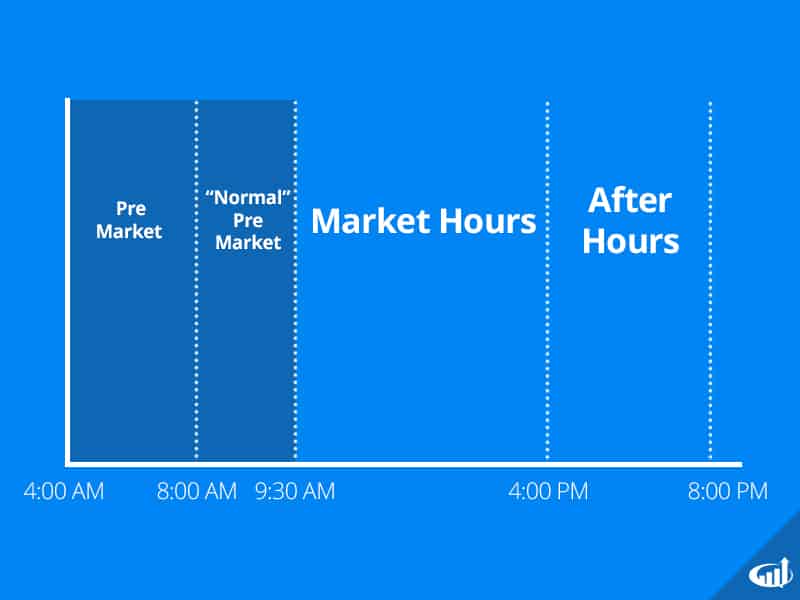
The financial markets operate on a fixed schedule, but technology has allowed for the extension of trading hours beyond the standard open and close. Pre-market trading typically runs from 4:00 AM ET to 9:30 AM ET, though the exact hours can vary slightly depending on the brokerage firm. This early window is often characterized by lower trading volumes and increased volatility, driven primarily by corporate news releases, economic reports, and international market movements.

What is Pre-Market Trading?
At its core, pre-market trading involves buying and selling securities – primarily stocks, but also ETFs – before the regular trading session begins. During this period, participants place orders that are then matched by their brokerage firms, often through electronic communication networks (ECNs) rather than the main exchanges. These ECNs facilitate direct transactions between buyers and sellers, often providing tighter spreads than what might be seen on the open market, albeit with lower overall liquidity. The pricing dynamics in pre-market can be highly indicative of how a stock might perform once the regular session commences, making it a critical period for astute traders.
Why Trade Pre-Market? Opportunities and Risks
The appeal of pre-market trading stems from several potential advantages. One primary draw is the ability to react instantly to breaking news. Companies frequently release earnings reports, merger announcements, or regulatory updates outside regular trading hours. Pre-market trading allows investors to capitalize on these developments before the broader market has a chance to fully digest them, potentially securing advantageous entry or exit points. It also offers a chance to participate in markets when standard hours might conflict with personal schedules.
However, these opportunities are counterbalanced by significant risks. The most prominent risk is reduced liquidity. With fewer participants, larger price swings can occur on relatively small trading volumes. This illiquidity can lead to wider bid-ask spreads, making it more expensive to enter or exit positions. Another major concern is increased volatility; prices can fluctuate wildly in response to limited information or speculative trading, making accurate price discovery challenging. Furthermore, the limited access to real-time information and the absence of institutional traders (who typically join closer to market open) can create an information asymmetry that disadvantages individual traders.
Key Characteristics of Pre-Market
Several distinct characteristics define the pre-market session. Firstly, the aforementioned low liquidity means that executing large orders without significantly impacting the price can be difficult. Secondly, prices tend to be more sensitive to news. A single piece of corporate news can send a stock soaring or plummeting with little resistance, as there aren’t enough market participants to absorb the volume. Thirdly, spreads between the bid and ask prices are often wider than during regular hours, effectively increasing the cost of trading. Finally, a significant portion of pre-market activity is driven by institutional investors and high-frequency trading firms, who have access to sophisticated tools and data streams, potentially giving them an edge over retail traders.
The Mechanics of Pre-Market Trading
Successfully navigating the pre-market session requires a firm grasp of the underlying mechanics. From accessing the markets to understanding specific order types and the unique dynamics of liquidity and volatility, each element plays a critical role in a trader’s success.
Accessing Pre-Market Trading
To engage in pre-market trading, investors typically need a brokerage account that explicitly offers extended-hours trading. Most major online brokerages provide this service, but it’s essential to confirm the specific hours of operation and any associated fees or limitations. Access is usually through the same trading platform used for regular hours, though some platforms might require a specific selection or setting to enable extended-hours orders. Once logged in, the process of placing an order is similar to regular trading, but specific considerations regarding order types become paramount.
Order Types Suitable for Pre-Market
Given the volatile and illiquid nature of pre-market trading, certain order types are more suitable than others. Limit orders are almost universally recommended. A limit order specifies the maximum price you are willing to pay as a buyer or the minimum price you are willing to accept as a seller. This protection is vital in pre-market, as it prevents your order from being executed at an unfavorable price due to a sudden price swing or wide bid-ask spread.
Market orders, which instruct your broker to execute a trade immediately at the best available price, are generally discouraged during pre-market. The lack of liquidity means a market order could be filled at a price significantly different and worse than what was displayed just moments before, leading to unexpected losses. Other advanced order types, such as stop-loss orders, may also behave unpredictably or not be supported by all brokers during extended hours. It’s crucial to understand your brokerage’s policy on these order types for pre-market trading.
Liquidity Considerations
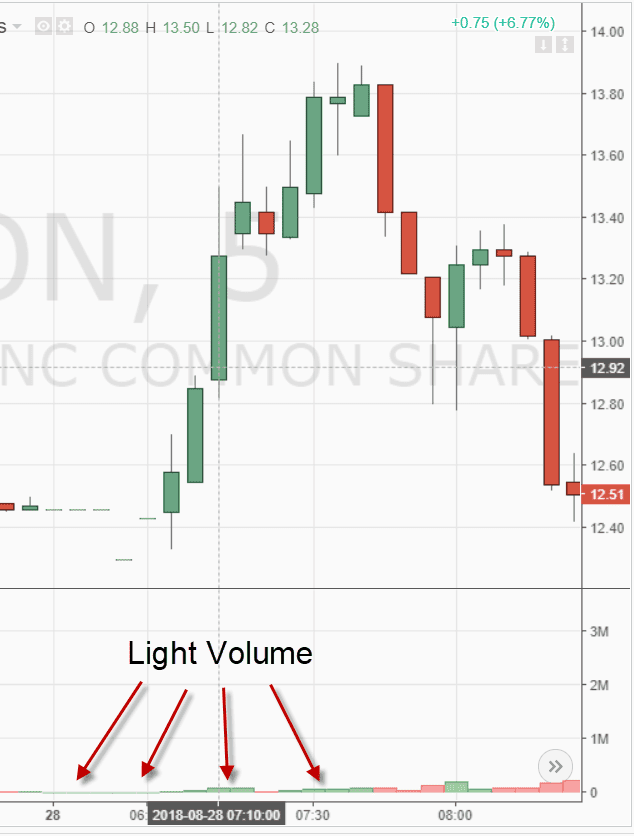
Liquidity refers to how easily an asset can be bought or sold without affecting its price. In pre-market, liquidity is significantly lower than during regular trading hours. This means there are fewer buyers and sellers, and less overall trading volume. As a result, even small orders can have a disproportionate impact on a stock’s price. A large sell order, for instance, might push the price down dramatically simply because there aren’t enough buyers willing to absorb the shares at previous price levels. This reduced liquidity directly contributes to wider bid-ask spreads, making entry and exit points less precise and potentially more costly. Traders must be prepared for orders to take longer to fill or to be filled partially.
Volatility and Spreads
Volatility, the degree of variation of a trading price series over time, is typically elevated during pre-market hours. This heightened volatility is a direct consequence of lower liquidity and the market’s reaction to fresh news. A single piece of news can lead to rapid and significant price movements, creating both opportunities for quick profits and substantial risks of sudden losses.
Coupled with volatility are wider bid-ask spreads. The bid price is the highest price a buyer is willing to pay, and the ask price is the lowest price a seller is willing to accept. The difference between these two is the spread. In a liquid market, spreads are narrow, indicating active trading and efficient price discovery. In pre-market, wider spreads are common, meaning there’s a larger gap between what buyers are willing to pay and what sellers demand. This wider spread translates into a higher transaction cost, as traders effectively pay more to buy and receive less to sell, eroding potential profits, especially for frequent traders.
Strategies and Best Practices for Pre-Market Trading
Effective pre-market trading is less about sheer speed and more about calculated decision-making. Developing a robust strategy incorporating diligent research, technical analysis, and stringent risk management is paramount.
Monitoring News and Earnings Reports
The primary driver of pre-market price action is news. Companies often release quarterly earnings reports, product announcements, merger and acquisition news, or regulatory updates before the market opens. Traders who succeed in pre-market are adept at quickly identifying and interpreting these catalysts. This involves consistently monitoring financial news sources, company press releases, and reputable earnings calendars. The goal is to anticipate which stocks will react strongly to specific news and to be prepared to act swiftly. Understanding the potential impact of news – whether it’s positive, negative, or a significant surprise – is critical for gauging immediate price direction and magnitude.
Technical Analysis in a Lower-Volume Environment
While news is the catalyst, technical analysis helps in pinpointing entry and exit points. However, traditional technical indicators can behave differently in a low-volume environment. Support and resistance levels might be less robust, and chart patterns can be less reliable due to fewer data points. Traders often focus on key price levels established in the previous day’s trading, or significant pre-market highs and lows. Volume indicators, despite the overall lower volume, can still offer insights; unusually high pre-market volume in a specific stock, especially in response to news, can indicate strong interest and potential for further movement. Traders should use simpler, more robust technical tools and be mindful that signals might be less confirmed than during regular hours.
Risk Management Principles
Given the inherent risks of pre-market trading, robust risk management is non-negotiable. Traders should never risk more capital than they can afford to lose. Position sizing – determining how many shares to buy or sell – should be conservative, especially for new traders or highly volatile stocks. Using limit orders exclusively helps control execution prices, preventing significant slippage. It’s also vital to have a clear exit strategy for every trade, whether it’s a target profit level or a maximum acceptable loss. Setting mental or actual stop-loss points can prevent catastrophic losses if a trade moves against your position rapidly. Understanding that not every news-driven move will result in a profitable trade is also key; sometimes the best move is no move at all.
Setting Realistic Expectations
Pre-market trading is not a guaranteed path to quick riches. The complexities, risks, and competitive landscape mean that consistent profitability requires significant skill, experience, and discipline. New traders should approach pre-market with caution, starting with small positions and gradually increasing their exposure as they gain experience and confidence. It’s crucial to understand that many pre-market moves are speculative and can reverse quickly once the regular trading session begins and broader market participation increases. Avoiding emotional decisions and sticking to a well-defined trading plan are crucial for long-term success.
Regulatory Landscape and Brokerage Considerations
Navigating pre-market trading also involves understanding the regulatory environment and making informed choices about brokerage services. These elements directly impact a trader’s ability to participate effectively and securely.
FINRA Rules and Regulations
Extended-hours trading, including pre-market sessions, falls under the purview of financial regulatory bodies like the Financial Industry Regulatory Authority (FINRA) in the United States. FINRA mandates that brokerage firms providing extended-hours trading disclose the risks associated with such activities. These risks primarily revolve around the aforementioned lower liquidity, higher volatility, wider spreads, and the uncertainty of price discovery. While there aren’t separate, distinct rules for pre-market trading, existing regulations apply to ensure fair and orderly markets. Brokers are also required to provide best execution, even in extended hours, though this can be challenging given the fragmented nature of ECNs. Understanding these disclosures and the regulatory framework provides a layer of protection and clarifies the responsibilities of both the trader and the brokerage.
Choosing a Brokerage Firm for Pre-Market Access
The choice of brokerage firm is critical for pre-market traders. Key factors to consider include the specific pre-market hours offered (some begin as early as 4:00 AM ET, while others start later), the range of securities available for extended-hours trading, and the types of orders supported. Beyond these practical considerations, the brokerage’s platform stability, speed of execution, and access to real-time market data are paramount. A reliable platform is essential for quick decision-making in a fast-paced environment. Furthermore, the availability and quality of research tools, news feeds, and charting capabilities that integrate pre-market data are valuable assets. Comparing these features across different brokers can help identify the best fit for an individual’s trading style and needs.
Fees and Commissions
While many brokerages have moved towards commission-free trading for standard stock transactions, it’s important to review the fee structure for extended-hours trading. Some brokers might impose specific fees for ECN access, or certain order types during these sessions. Additionally, wider bid-ask spreads inherently increase transaction costs. A stock with a 10-cent spread during pre-market, compared to a 1-cent spread during regular hours, effectively costs an extra 9 cents per share for a round trip trade. These implicit costs can quickly erode profits, especially for frequent traders or those dealing with smaller position sizes. Understanding the total cost of trading, including both explicit commissions and implicit spread costs, is vital for assessing the profitability of pre-market strategies. Due diligence in selecting a cost-effective and feature-rich brokerage is an integral part of successful pre-market trading.
aViewFromTheCave is a participant in the Amazon Services LLC Associates Program, an affiliate advertising program designed to provide a means for sites to earn advertising fees by advertising and linking to Amazon.com. Amazon, the Amazon logo, AmazonSupply, and the AmazonSupply logo are trademarks of Amazon.com, Inc. or its affiliates. As an Amazon Associate we earn affiliate commissions from qualifying purchases.