
Embarking on the journey of personal finance often feels like navigating a labyrinth without a map. For many, the word “budget” evokes images of restriction, deprivation, and endless spreadsheets. However, the reality is quite the opposite. A well-constructed budget is not a cage; it is a blueprint for financial freedom. It provides the clarity needed to make informed decisions, the discipline to reach long-term goals, and the peace of mind that comes from knowing exactly where every dollar is going. Starting a budget is the single most impactful step an individual can take to gain control over their economic future.
Understanding the Fundamentals of Cash Flow Management
Before diving into specific numbers or apps, it is essential to understand the underlying mechanics of a budget. At its core, budgeting is the process of aligning your spending with your values and goals. It requires a fundamental shift in mindset: moving from reactive spending—where you check your bank balance and hope for the best—to proactive allocation—where you tell your money what to do before the month begins.
Assessing Your Net Income
The foundation of any budget is your net income, not your gross salary. Your net income, or “take-home pay,” is the amount that actually hits your bank account after taxes, insurance premiums, and retirement contributions are deducted. If you are a salaried employee, this is straightforward. If you are a freelancer or business owner with a fluctuating income, it is safer to base your budget on your lowest-earning month of the previous year or a rolling average to ensure you do not overextend yourself during leaner periods.
Categorizing Fixed and Variable Expenses
To start a budget, you must distinguish between two types of outflows: fixed and variable expenses. Fixed expenses are the non-negotiable costs that remain relatively constant each month, such as rent or mortgage payments, car insurance, utility base rates, and subscription services. Variable expenses are more fluid and often subject to behavioral choices, including groceries, dining out, entertainment, and gas. Understanding the difference is crucial because when you need to “tighten the belt,” the variable categories are your primary levers for change.
Popular Budgeting Frameworks for Every Personality
There is no one-size-fits-all approach to financial management. The best budget is the one you can actually stick to. Depending on your level of detail-orientation and your financial goals, several proven frameworks can serve as your starting point.
The 50/30/20 Rule
Popularized by Senator Elizabeth Warren, the 50/30/20 rule is an excellent entry point for beginners because of its simplicity. It suggests allocating 50% of your net income to “Needs” (housing, utilities, basic groceries), 30% to “Wants” (hobbies, dining out, travel), and 20% to “Savings and Debt Repayment.” This high-level overview prevents you from getting bogged down in minutiae while ensuring that you are prioritizing your future self.
Zero-Based Budgeting
For those who prefer total control, zero-based budgeting is the gold standard. The philosophy is simple: Income minus Expenses equals Zero. This does not mean you have zero dollars in your bank account; rather, it means every single dollar is assigned a specific job. If you have $4,000 in monthly income, you allocate every cent until $4,000 is accounted for across expenses, savings, and investments. This method is highly effective for identifying “leaks” in your spending and accelerating debt repayment.
The Envelope System and “Pay Yourself First”
The envelope system is a tactile method where you allocate cash into labeled envelopes for different spending categories. Once an envelope is empty, spending in that category stops for the month. In a digital age, many use “digital envelopes” through sub-savings accounts. A variation of this is the “Pay Yourself First” model, where the very first transaction after receiving a paycheck is a transfer to savings or investments. You then live on whatever remains, effectively automating your discipline.
A Step-by-Step Implementation Guide
Starting a budget requires an initial time investment to audit your current habits. This historical data provides the baseline for your future projections.

Step 1: Conduct a Financial Audit
Gather your bank statements and credit card bills from the last three months. Categorize every transaction. Most people are surprised to find how much they spend on small, recurring items like coffee or unused digital subscriptions. Totaling these amounts gives you a realistic view of your current “burn rate.”
Step 2: Set Clear Financial Goals
A budget without a goal is just math. To stay motivated, you need a “why.” Are you saving for a down payment on a home? Do you want to be debt-free in 24 months? Are you building a six-month emergency fund? Define short-term (1–6 months), mid-term (1–3 years), and long-term (5+ years) goals. Assigning a dollar value to these goals allows you to work backward and determine how much you need to save each month.
Step 3: Draft Your First Month
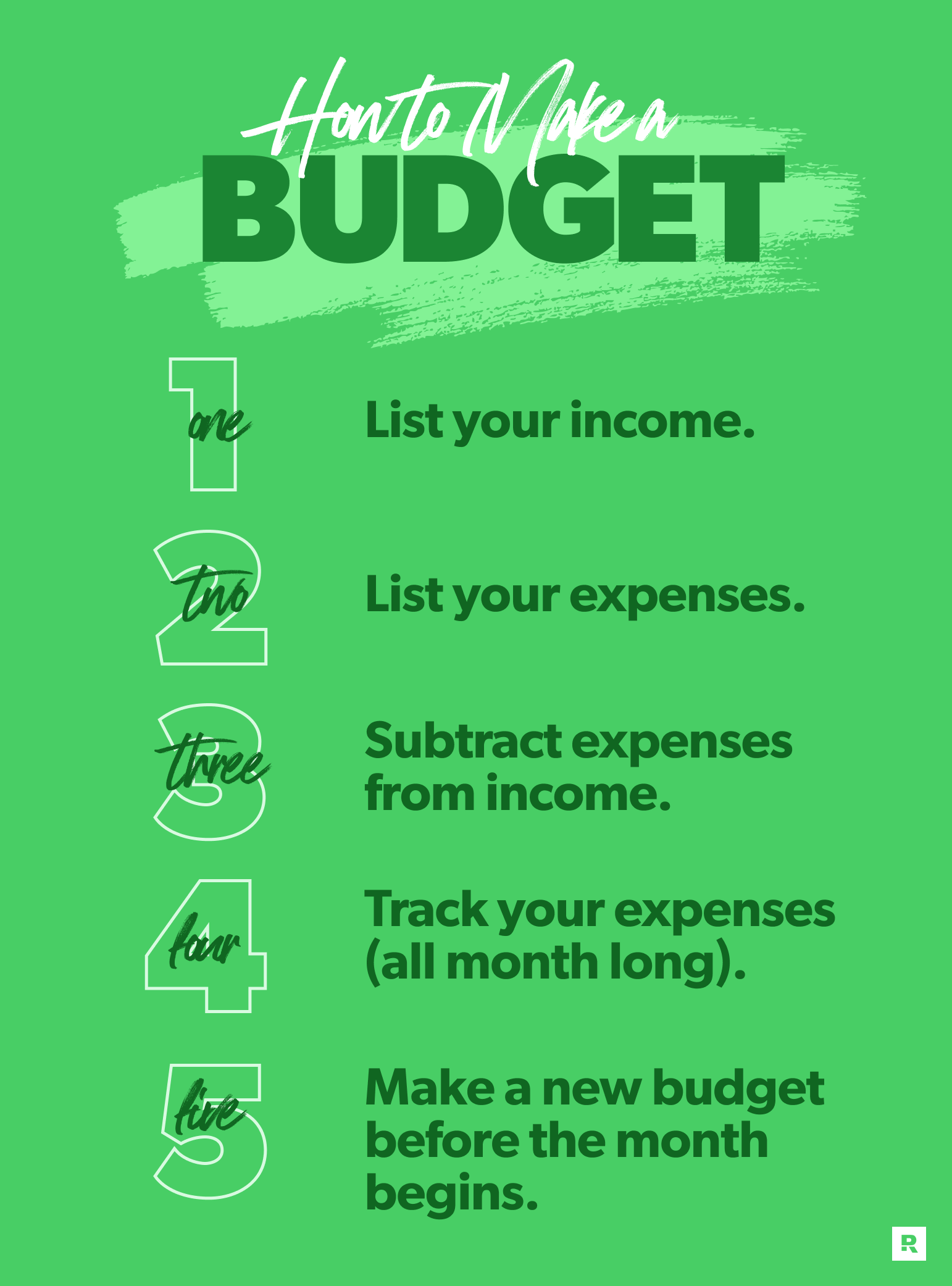
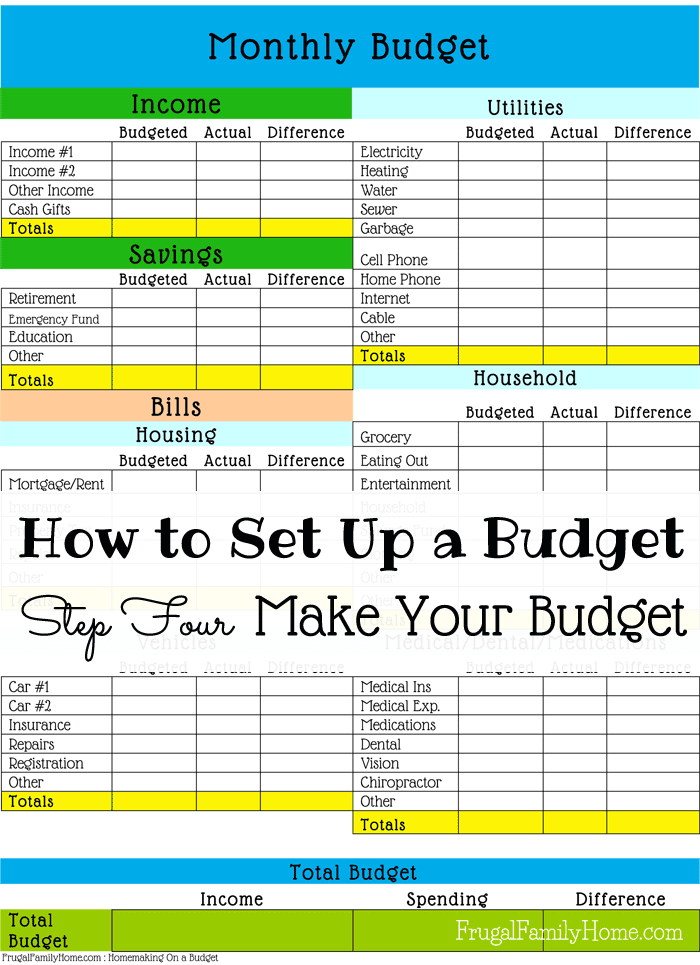
Using your chosen framework, draft a plan for the upcoming month. List your expected income at the top and subtract your fixed costs first. Next, allocate funds to your savings goals. Finally, distribute the remaining amount among your variable “wants.” If your expenses exceed your income, you must either find ways to increase your earnings or—more immediate and practical—cut back on variable spending.
Step 4: Track and Adjust in Real-Time
A budget is a living document. Throughout the month, record your spending. If you overspend on groceries, you must “borrow” from your entertainment or clothing budget to balance the books. This real-time tracking creates a feedback loop that heightens your awareness of every financial decision.
Leveraging Modern Financial Tools and Automation
In the modern era, you do not need to be a math whiz to maintain a budget. Technology has streamlined the process, making it easier than ever to monitor your progress.
Budgeting Software and Apps
There are numerous tools designed to sync directly with your financial institutions. Apps like YNAB (You Need A Budget) focus on the zero-based philosophy, forcing users to give every dollar a job. Others, like Rocket Money or Empower, provide a more passive “dashboard” view of your net worth and spending trends. For those who prioritize privacy and customization, a classic Excel or Google Sheets template remains a powerful and flexible option.
The Power of Automation
The greatest enemy of a budget is human willpower, which is a finite resource. Automation removes the need for willpower. Set up automatic transfers from your checking account to your high-yield savings account or brokerage account to occur the day after your paycheck arrives. Likewise, use autopay for fixed bills to avoid late fees and ensure your credit score remains healthy. By automating the “must-do” items, you simplify your mental load.
Overcoming Obstacles and Maintaining Long-Term Success
The first month of budgeting is rarely perfect. You will likely forget a recurring annual fee or encounter an unexpected car repair. The key to long-term success is resilience rather than perfection.
Handling Irregular and Unexpected Expenses
One of the most common reasons budgets fail is the “emergency.” To combat this, you must build an emergency fund—ideally 3 to 6 months of living expenses. Additionally, account for “sinking funds.” These are savings buckets for predictable but non-monthly expenses, such as holiday gifts, annual car registrations, or home maintenance. By saving a small amount for these items every month, they cease to be emergencies and become planned events.
The Importance of the Monthly Review
At the end of every month, hold a “money minute” or a “budget date.” Review where you overspent and where you under-spent. Ask yourself if your spending aligned with your happiness. If you spent $200 on dining out but felt stressed about it, adjust your allocation for the next month. This iterative process turns budgeting from a chore into a tool for self-improvement.
Managing the Psychological Aspect of Spending
Money is deeply emotional. Often, we overspend as a response to stress, boredom, or social pressure. Recognize your triggers. If “retail therapy” is a habit, implement a 24-hour rule for any non-essential purchase over a certain dollar amount. By creating a gap between the impulse to buy and the act of buying, you allow your rational mind to consult your budget and your goals.
Starting a budget is a declaration of intent. It signifies that you are no longer a passive observer of your financial life but an active participant in your own prosperity. While the mechanics of tracking dollars and cents are important, the true value of a budget lies in the confidence it instills. When you know you have the funds to cover your bills, the resources to handle an emergency, and a plan for your future, you unlock a level of freedom that no impulse purchase can ever match. Beginning today, with whatever resources you have, is the best investment you will ever make.
aViewFromTheCave is a participant in the Amazon Services LLC Associates Program, an affiliate advertising program designed to provide a means for sites to earn advertising fees by advertising and linking to Amazon.com. Amazon, the Amazon logo, AmazonSupply, and the AmazonSupply logo are trademarks of Amazon.com, Inc. or its affiliates. As an Amazon Associate we earn affiliate commissions from qualifying purchases.