
In the landscape of modern personal finance, the ability to manage a household budget requires more than just balancing income against expenses. It requires a deep understanding of the safety nets available when economic volatility strikes. For many individuals and families, food insecurity is not a sign of permanent financial failure but rather a temporary gap in liquidity or a byproduct of systemic inflationary pressures. Knowing how to qualify for a food bank is a critical piece of financial literacy, allowing individuals to reallocate limited cash flow toward high-interest debt, housing costs, or essential utilities while ensuring basic nutritional needs are met.
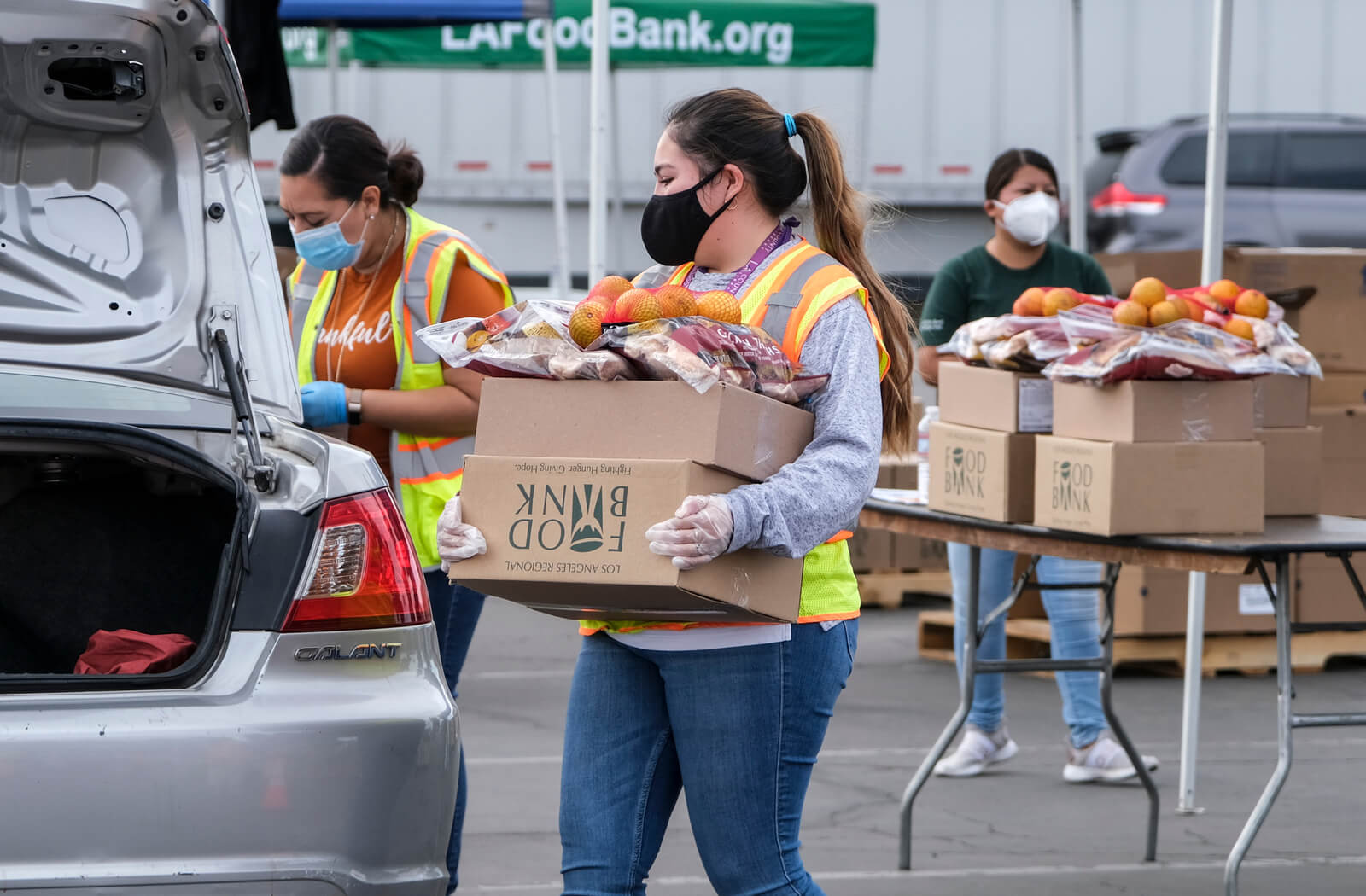
Accessing these resources is a structured process that varies by jurisdiction and organization, yet follows several universal principles of eligibility. By understanding the mechanics of these programs, you can integrate community support into a broader strategy for financial recovery and long-term stability.
The Financial Thresholds of Food Assistance
The most common metric used to determine eligibility for food banks—and the broader federal programs that supply them—is the Federal Poverty Level (FPL). Most community food banks and state-funded programs use a percentage of the FPL as their primary qualifying benchmark. Typically, if your household income falls below 130% to 185% of the FPL, you are likely to qualify for assistance.
Understanding Gross vs. Net Income
When assessing your eligibility, it is vital to distinguish between gross income (total earnings before taxes) and net income (take-home pay). Most formal assistance programs, such as the Supplemental Nutrition Assistance Program (SNAP), use gross income as the initial filter. However, local food banks often have more flexibility. They may consider your “disposable income” or “residual income” after fixed costs like rent, medical bills, and childcare are paid. This nuanced approach recognizes that a family may technically earn “too much” for federal aid while still being functionally unable to afford groceries due to high living costs in specific urban areas.
Categorical Eligibility
Many food banks utilize a concept known as “categorical eligibility.” If you already qualify for other government assistance programs, such as SNAP, Medicaid, or Supplemental Security Income (SSI), you are often automatically deemed eligible for food bank services. This streamlining prevents you from having to provide the same financial documentation to multiple agencies, making it an efficient way to access the community safety net during a financial crunch.
Documentation and Verification Requirements
While the “emergency” nature of food banks often allows for immediate help, maintaining a long-term relationship with a food pantry usually requires a formal intake process. Preparation is key to ensuring you are not turned away due to a lack of documentation. From a personal finance perspective, keeping these records organized is a hallmark of good financial management.
Proof of Identity and Residency
Most food banks require a government-issued photo ID to establish identity. Additionally, because most organizations serve specific geographic zones (ZIP codes or counties), you will likely need to provide proof of residency. This can include a utility bill, a lease agreement, or a piece of official mail addressed to you. The goal is not to exclude the unhoused—who have separate protocols for assistance—but to ensure that resources are distributed according to the specific funding mandates of that local branch.
Verification of Household Size
Since eligibility is tied to household income relative to the number of people living in the home, you may be asked to provide documentation for dependents. This could include birth certificates or Social Security cards for children. In a financial planning context, accurately reporting household size ensures you receive the appropriate volume of food to meet the caloric needs of everyone in your care, preventing the need to dip back into your cash reserves for supplemental groceries.
Self-Declaration of Need
In many jurisdictions, particularly those operating under The Emergency Food Assistance Program (TEFAP), a “Self-Declaration of Need” is sufficient for immediate help. This is a signed statement where you attest that your income falls within the required limits. This low-barrier entry is designed to provide rapid relief during a sudden financial shock, such as a job loss or an unexpected medical emergency, before formal paperwork can be processed.
Strategic Budgeting: Integrating Food Banks into a Financial Recovery Plan

Viewing the food bank as a strategic financial tool rather than a last resort is a paradigm shift that can accelerate your path to debt freedom or savings growth. When you qualify for and utilize food assistance, you are effectively “freeing up” capital that would otherwise be spent on a non-negotiable expense.
Reallocating the Grocery Budget
If an average family of four spends $800 to $1,200 per month on groceries, the supplemental support from a food bank might reduce that cash outlay by 30% to 50%. In a professional financial plan, that $400 monthly “dividend” should be intentionally redirected. Whether it goes toward an emergency fund, paying down high-interest credit card debt, or maintaining a mortgage payment, the food bank acts as an indirect cash infusion into your household economy.
Mitigating the “Heat or Eat” Dilemma
Economists often refer to the “heat or eat” dilemma, where low-income households must choose between utility payments and nutrition. By qualifying for food assistance, you mitigate the risk of utility shut-offs or evictions. Maintaining the integrity of your housing and utilities is foundational to your ability to work and generate income, making food banks a vital component of professional risk management for the household.
Specialized Programs for Different Demographics
Eligibility can also be determined by demographic status rather than just raw income. Various programs are tailored to specific groups who face unique financial pressures.
Seniors and the CSFP
The Commodity Supplemental Food Program (CSFP) specifically targets seniors aged 60 and older. This program recognizes that many seniors live on fixed incomes—such as Social Security—that do not keep pace with the rising costs of healthcare and food. Qualifying for CSFP often involves a simple income check, and the program provides monthly packages of nutrient-dense foods specifically curated for senior health.
WIC and Early Childhood Support
For families with pregnant individuals or children under the age of five, the Women, Infants, and Children (WIC) program provides targeted assistance. Qualifying for WIC is often a separate process from the general food bank, but the two frequently work in tandem. Utilizing these demographic-specific programs ensures that the most vulnerable members of a household receive specialized nutritional support, which can prevent long-term healthcare costs associated with malnutrition.
Veterans and Students
In recent years, specialized food pantries have emerged for veterans and college students—two groups that often fall through the cracks of traditional welfare models. Veterans may qualify based on their service status and current disability rating or income level. Meanwhile, campus-based food banks often have eligibility criteria tailored to the unique financial reality of students, such as excluding student loans from income calculations.
Navigating the Intake Process and Overcoming Stigma
The final hurdle to qualifying for a food bank is often psychological rather than administrative. In the realm of personal finance, there is sometimes a stigma associated with seeking help. However, from an analytical perspective, utilizing available resources is a rational and responsible decision for anyone looking to stabilize their financial future.
Finding Your Local Resource
The first step is locating a distribution center. Organizations like Feeding America operate massive networks of member food banks. You can usually find a local affiliate by searching your ZIP code on their national database. Once located, a quick phone call or website visit can clarify their specific hours of operation and the specific documents they require for their intake interview.
The Intake Interview
The intake process is generally brief and conducted with a high degree of confidentiality. It is an opportunity to discuss your household’s specific needs, including dietary restrictions or allergies. For the purpose of your personal financial records, you should keep track of the value of the assistance you receive. Treating food bank visits as a “line item” in your budget helps you maintain a clear picture of your total household resources.

Long-Term Resilience
Qualifying for the food bank should be viewed as a bridge to a more stable financial position. It provides the breathing room necessary to seek better employment, pursue education, or recover from a financial setback. By leveraging these community assets, you protect your most valuable asset—your health—while maintaining the liquidity needed to navigate the complexities of the modern economy. In the end, the food bank is not just about a bag of groceries; it is about the preservation of capital and the strategic management of household resources during times of transition.
aViewFromTheCave is a participant in the Amazon Services LLC Associates Program, an affiliate advertising program designed to provide a means for sites to earn advertising fees by advertising and linking to Amazon.com. Amazon, the Amazon logo, AmazonSupply, and the AmazonSupply logo are trademarks of Amazon.com, Inc. or its affiliates. As an Amazon Associate we earn affiliate commissions from qualifying purchases.