
Understanding your monthly income is the cornerstone of any robust financial plan. While it may seem like a simple question of looking at a paycheck, the reality of modern personal finance is often far more complex. Between various tax brackets, pre-tax deductions, side hustles, and fluctuating investment returns, identifying exactly how much capital you have at your disposal requires a systematic approach. Accurate income tracking is not just about knowing what you can spend; it is about determining your debt-to-income ratio, qualifying for loans, and establishing a sustainable path toward long-term wealth.

The Essential Distinction: Gross vs. Net Income
Before diving into specific calculations, it is vital to distinguish between two primary figures: gross monthly income and net monthly income. These figures serve different purposes in your financial life, and confusing the two can lead to significant budgeting errors.
Defining Gross Monthly Income
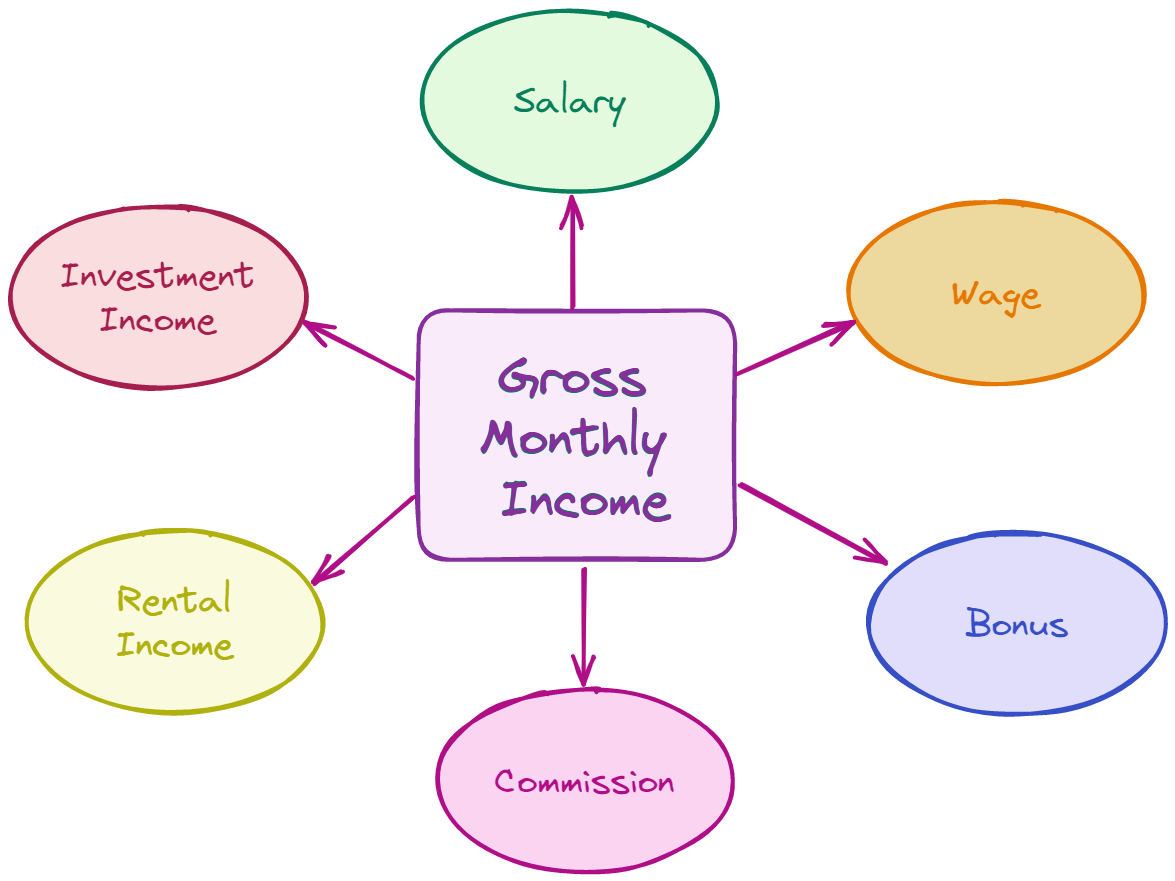
Gross monthly income is the total amount of money you earn before any taxes or deductions are removed. This is typically the figure lenders look at when you apply for a mortgage or an auto loan. If you are a salaried employee, this is your annual salary divided by twelve. For hourly workers, it is the hourly rate multiplied by the average number of hours worked per month.
While gross income is a useful metric for high-level financial comparisons, it does not reflect the reality of your purchasing power. Relying on gross figures for daily budgeting is a common pitfall that often leads to overspending and debt accumulation.
Calculating Net Monthly Income (Take-Home Pay)
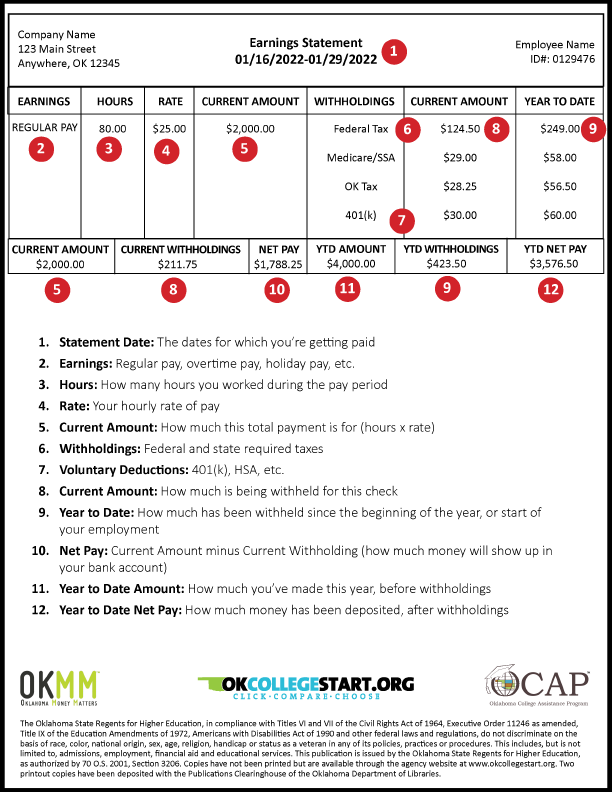
Net monthly income, often referred to as “take-home pay,” is the amount that actually lands in your bank account. This figure accounts for all subtractions, including:
-
Federal and State Income Taxes: The percentage of your earnings sent to the government.
-
FICA Taxes: Social Security and Medicare contributions.
-
Health Insurance Premiums: Your portion of employer-sponsored medical, dental, or vision plans.
-
Retirement Contributions: Pre-tax or post-tax allocations to 401(k), 403(b), or IRA accounts.
-
Other Deductions: Life insurance, flexible spending accounts (FSA), or health savings accounts (HSA).
To find your net monthly income, the most reliable method is to review your pay stubs over a three-month period and calculate the average. This provides the most accurate view of your “disposable income”—the money available for essential expenses and discretionary spending.
Navigating Complex Income Structures
Not everyone receives a steady, predictable paycheck on the first of the month. As the economy shifts toward more flexible work arrangements, calculating income requires more nuance depending on your employment status.
Salaried Employees and Pay Period Math
If you are salaried, your pay schedule significantly impacts your monthly cash flow. Many corporations pay employees bi-weekly (26 times a year) rather than twice a month (24 times a year).
In a bi-weekly system, most months will include two paychecks. However, twice a year, you will receive three paychecks in a single month. To find your “standard” monthly income for budgeting, it is best to calculate based on two paychecks. Treat those “extra” two paychecks as bonus capital for savings, debt repayment, or major purchases. If you want a perfectly accurate average, multiply one bi-weekly paycheck by 26 and divide by 12.
Hourly Workers and Overtime
For those working hourly, income can fluctuate based on shifts, seasonal demand, and overtime opportunities. To find an accurate monthly figure, look at your year-to-date (YTD) earnings on your most recent pay stub. Divide that total by the number of months that have passed in the year. This provides a “weighted average” that accounts for both busy and slow periods, offering a more realistic baseline than a single week’s high or low performance.
Freelancers and Sole Proprietors
Freelancers and business owners face the greatest challenge in identifying monthly income due to “lumpy” cash flow. In this niche, it is essential to calculate your “Net Business Income.” This is your total revenue minus business expenses (software, equipment, marketing, and self-employment taxes).
A professional strategy for freelancers is to use a “trailing 12-month average.” Sum your net profit from the last 12 months and divide by 12. This smooths out the volatility, ensuring that a high-earning month in December doesn’t lead to an unsustainable lifestyle increase in January.
The Role of Non-Wage Income and Assets
To truly understand your monthly income, you must look beyond your primary job. Many individuals possess secondary revenue streams that contribute to their total financial picture.
Investment Income and Dividends
If you have a brokerage account, you may receive monthly or quarterly dividends. While many investors choose to automatically reinvest these funds, they still count as income. To calculate this, review your annual 1099-DIV forms or your monthly brokerage statements. Sum the total dividends and interest earned over the year and divide by 12. Even if this money isn’t being “spent,” knowing its value is crucial for understanding your total wealth-building rate.
Rental Income
For real estate investors, calculating monthly income requires a strict distinction between gross rent and net cash flow. If you collect $2,000 in rent, but your mortgage, property taxes, insurance, and maintenance reserves total $1,700, your monthly income from that asset is $300, not $2,000. Identifying the “cap rate” and net operating income (NOI) of your properties ensures that you are not overestimating the contribution of your real estate portfolio to your daily life.
Side Hustles and Digital Revenue
In the modern economy, many people supplement their income through digital platforms, consulting, or e-commerce. Whether it is selling products on Etsy or driving for a ride-sharing service, these micro-incomes must be tracked. Because these roles rarely withhold taxes, it is standard practice to set aside 25% to 30% of this income for tax obligations before adding it to your “monthly income” total.
Leveraging Technology and Documentation for Accuracy
Precision in financial planning is much easier to achieve with the right tools. Relying on memory or “guesstimates” is a recipe for financial friction.
Utilizing Digital Budgeting Aggregators
Modern financial tools allow you to link your bank accounts and credit cards to automatically track every dollar that enters your ecosystem. These platforms can categorize “Income” vs. “Internal Transfers,” providing a real-time dashboard of your monthly cash flow. By reviewing these tools, you can see a multi-month trend line, which is far more valuable than a single snapshot.
The Spreadsheet Methodology
For those who prefer a more hands-on approach, a manual spreadsheet remains the gold standard for financial clarity. Create a column for “Source,” “Gross Amount,” “Deductions,” and “Net Deposit.” By updating this monthly, you develop a deep psychological awareness of your earnings. This practice also makes tax season significantly less stressful, as you already have a categorized log of all revenue streams.
Professional Financial Statements
If you are preparing for a major milestone—such as buying a business or applying for a high-value loan—you may need to produce a Personal Cash Flow Statement. This document lists all inflows (salaries, bonuses, dividends, etc.) and all outflows (fixed and variable expenses). The result is your “Net Cash Flow.” If this number is positive, you are building wealth. If it is negative, you are eroding your net worth, regardless of how high your “income” appears to be.
Why Knowing Your Monthly Income Changes Your Financial Future
Finding your monthly income is not merely an academic exercise; it is a diagnostic tool for your financial health. Once you have a firm grasp of this number, you can calculate your Debt-to-Income (DTI) ratio. This ratio is the percentage of your gross monthly income that goes toward paying debts. A DTI of 36% or less is generally considered healthy; anything higher can signal a risk of financial insolvency.
Furthermore, knowing your true net monthly income allows you to set “Reverse Budgeting” goals. Instead of tracking every penny spent on coffee, you can decide that 20% of your net income will go to investments first. This is only possible when you have a definitive, verified number for what is coming in.
By taking the time to audit your pay stubs, average your variable earnings, and account for passive streams, you move from a state of financial reactive-ness to one of proactive control. Understanding your monthly income is the first step in transforming your paycheck into a strategic tool for lifelong financial independence.
aViewFromTheCave is a participant in the Amazon Services LLC Associates Program, an affiliate advertising program designed to provide a means for sites to earn advertising fees by advertising and linking to Amazon.com. Amazon, the Amazon logo, AmazonSupply, and the AmazonSupply logo are trademarks of Amazon.com, Inc. or its affiliates. As an Amazon Associate we earn affiliate commissions from qualifying purchases.