
The Affordable Care Act (ACA), widely known as Obamacare, revolutionized the landscape of health insurance in the United States, aiming to make comprehensive health coverage accessible and affordable for millions. For many, understanding “how do you qualify for Obamacare” isn’t merely a question of eligibility but a critical financial inquiry into accessing subsidies and managing healthcare costs effectively. This article delves into the financial underpinnings of ACA qualification, exploring the criteria, the crucial role of financial assistance, and how to navigate the marketplace to secure cost-effective coverage.
At its core, Obamacare is a financial tool designed to mitigate the prohibitive costs of medical care. It provides a structured pathway for individuals and families to obtain health insurance, often with significant financial assistance, thereby integrating healthcare into personal and household financial planning. By understanding the qualification process, consumers can make informed decisions that impact their budget, protect against unforeseen medical expenses, and secure a vital component of their financial well-being.

Understanding the Foundation: Who is Generally Eligible?
Qualification for health insurance through the Affordable Care Act marketplace is primarily rooted in a set of straightforward criteria designed to ensure that coverage reaches those residing within the U.S. and not already covered by certain government programs. Beyond these basic gates, the financial landscape of an applicant plays a pivotal role in determining the type and extent of assistance they might receive, profoundly impacting their personal finance.
Core Eligibility Criteria
To be eligible to purchase a health insurance plan through the Health Insurance Marketplace (healthcare.gov or state-based exchanges), an individual must meet several fundamental requirements. First and foremost, you must be a U.S. citizen or lawfully present immigrant. This ensures that the benefits of the U.S. healthcare system, particularly those subsidized by taxpayer dollars, are directed towards legal residents. Secondly, you cannot be currently incarcerated; prisoners are typically covered by the correctional system’s healthcare provisions. Thirdly, you must reside in the United States. Finally, you cannot be enrolled in Medicare, as Medicare is a separate federal health insurance program for seniors and certain disabled individuals. These criteria establish the basic framework, but the true financial implications come into play when considering income levels and alternative public programs.
The Role of State Medicaid Expansion
One of the most significant financial relief mechanisms under the ACA is the expansion of Medicaid eligibility. In states that have expanded Medicaid, individuals and families with incomes up to 138% of the Federal Poverty Level (FPL) typically qualify for Medicaid. Medicaid offers comprehensive, low-cost (often free) health coverage, which is a substantial financial benefit for those in lower-income brackets. For individuals living in states that have not expanded Medicaid, there can be a “coverage gap,” where they earn too much to qualify for traditional Medicaid but too little to qualify for premium tax credits (subsidies) through the marketplace (which typically begin at 100% of FPL). This gap highlights a critical financial vulnerability for a segment of the population, underscoring how state-level policy decisions directly influence personal financial security and access to healthcare. Understanding your state’s Medicaid status is therefore a crucial first step in assessing your potential for affordable coverage.
Special Enrollment Periods (SEPs)
While there is an annual Open Enrollment Period during which anyone can apply for or change their marketplace plan, life doesn’t always adhere to a calendar. Special Enrollment Periods (SEPs) allow individuals to enroll in health insurance outside of Open Enrollment if they experience certain qualifying life events. These events are crucial for maintaining financial stability and continuous coverage. Financially significant SEPs include losing existing health coverage (e.g., due to job loss, COBRA expiration), getting married, having a baby or adopting a child, moving to a new area, or changes in household income that affect eligibility for subsidies. The ability to enroll outside the standard window means that individuals aren’t left without coverage during times of transition, preventing potentially catastrophic medical bills that could derail their financial health. Recognizing and acting on these SEPs promptly is vital for ensuring uninterrupted access to affordable care and avoiding gaps in financial protection.
The Financial Heart of Obamacare: Subsidies and Cost Savings
The true power of Obamacare for personal finance lies in its robust system of financial assistance, designed to make health insurance premiums and out-of-pocket costs more manageable. These subsidies directly reduce the financial burden on individuals and families, turning potentially unaffordable plans into accessible ones.
Premium Tax Credits (PTC)
Premium Tax Credits (PTC), often simply called subsidies, are the cornerstone of the ACA’s affordability provisions. These credits reduce the amount you pay each month for your health insurance premium. They are based on a sliding scale, meaning individuals with lower incomes receive larger tax credits. To qualify, your household income must generally fall between 100% and 400% of the Federal Poverty Level (FPL). However, due to temporary enhancements from the American Rescue Plan Act (ARPA) and the Inflation Reduction Act (IRA), many people above 400% FPL may also qualify for some assistance, ensuring that no one pays more than 8.5% of their household income towards their benchmark plan premium.
The FPL is a measure of income issued annually by the Department of Health and Human Services. Your FPL percentage is calculated based on your household size and income, and it directly determines the amount of PTC you’re eligible for. For instance, a single person at 200% FPL will receive more assistance than a single person at 350% FPL. Accurately projecting your Modified Adjusted Gross Income (MAGI) for the upcoming year is crucial, as this income figure is used to calculate your eligibility and the amount of your PTC. These credits can be taken in advance to lower your monthly payments or claimed when you file your federal income tax return, offering flexible financial planning.
Cost-Sharing Reductions (CSRs)
Beyond lowering monthly premiums, the ACA also offers Cost-Sharing Reductions (CSRs) to help individuals with lower incomes reduce their out-of-pocket expenses. CSRs lower your deductibles, co-payments, and co-insurance, making healthcare more affordable when you actually use it. To qualify for CSRs, your household income must generally be between 100% and 250% of the FPL.
A critical point to remember is that you can only receive CSRs if you enroll in a “Silver” plan through the marketplace. Silver plans, by definition, cover about 70% of average healthcare costs, but with CSRs, a Silver plan can effectively provide coverage equivalent to a Gold or even Platinum plan for qualifying individuals, without the higher premium. This represents a significant financial advantage, as it protects individuals from high out-of-pocket costs, which can be particularly burdensome for those with chronic conditions or unexpected medical needs. For those within the eligible income range, selecting a Silver plan is often the most financially prudent choice to maximize the benefits available under the ACA.
Understanding Modified Adjusted Gross Income (MAGI)
When determining eligibility for premium tax credits and cost-sharing reductions, the marketplace doesn’t look at your gross income. Instead, it uses a specific calculation called Modified Adjusted Gross Income (MAGI). Your MAGI for ACA purposes is your Adjusted Gross Income (AGI) from your tax return, plus certain untaxed foreign income, tax-exempt interest, and the non-taxable portion of Social Security benefits.
Understanding MAGI is crucial for accurate financial planning and avoiding surprises at tax time. Many common deductions, such as contributions to a traditional IRA or student loan interest, can lower your AGI and thus your MAGI, potentially increasing your eligibility for subsidies or the amount you receive. Conversely, certain types of income might unexpectedly push you above an eligibility threshold. Because your subsidies are based on your projected MAGI for the year you want coverage, keeping an eye on your income throughout the year and updating the marketplace with any significant changes is paramount. Failing to do so can result in having to repay excess subsidies or missing out on credits you were entitled to when you file your taxes.
Navigating the Marketplace: Enrollment and Plan Selection
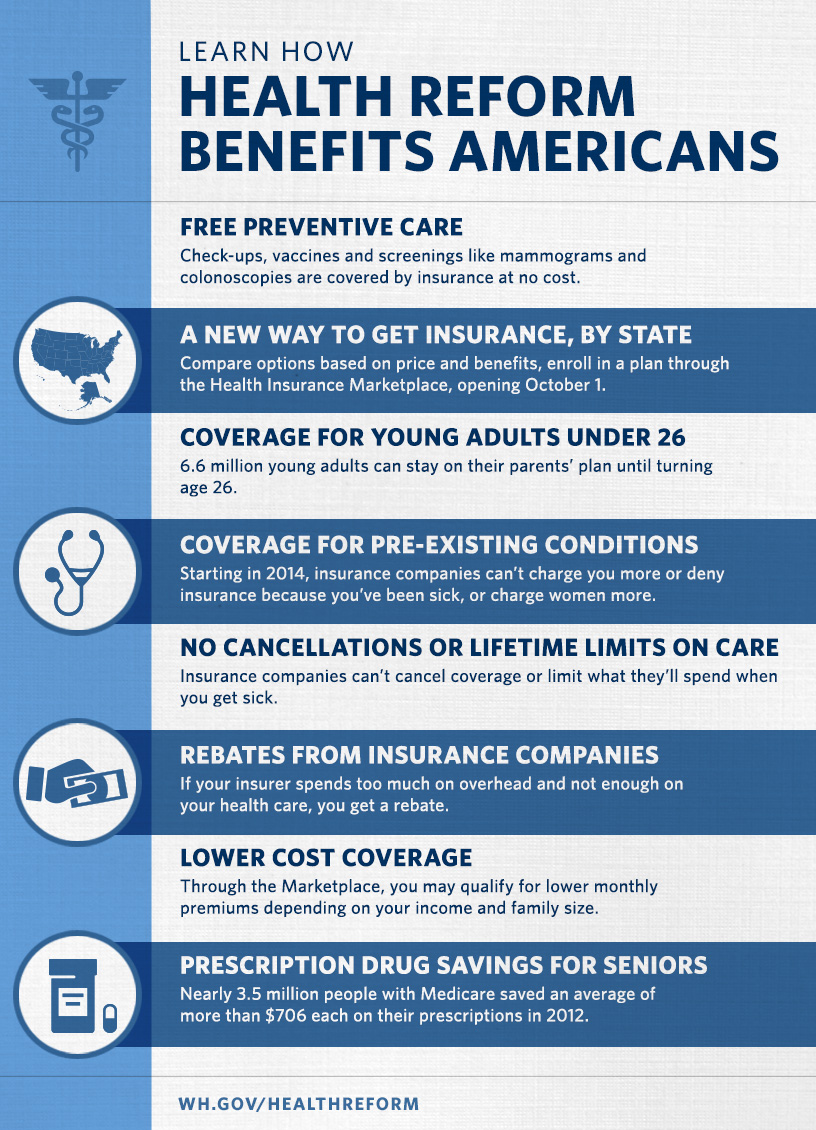
Once you understand the financial eligibility requirements, the next step is to navigate the Health Insurance Marketplace. This platform is designed to simplify the process of comparing plans and enrolling, making it a critical financial tool for consumers seeking affordable health coverage.
The Healthcare.gov Platform (or State Exchanges)
The primary gateway to Obamacare plans and financial assistance is Healthcare.gov, the federal health insurance marketplace, or your state’s equivalent exchange if it operates one. The process begins by creating an account and submitting an application that details your household information, income, and other relevant data. This information is used to determine your eligibility for subsidies and Medicaid. The platform then presents you with a range of available plans, along with an estimate of your monthly premium after any applicable tax credits are applied.
The financial transparency offered by the marketplace is a major advantage. It allows you to see the true cost of plans, including both premiums and potential out-of-pocket expenses (deductibles, co-pays, maximums), making it easier to budget for healthcare. Comparing plans side-by-side, based on their financial structure and network details, empowers consumers to make informed decisions that align with their financial capacity and anticipated medical needs.
Deciphering Plan Tiers and Their Financial Trade-offs
ACA marketplace plans are categorized into “metal tiers” – Bronze, Silver, Gold, and Platinum – each representing a different balance between monthly premiums and out-of-pocket costs. Understanding these tiers is essential for making a financially sound decision.
- Bronze plans typically have the lowest monthly premiums but the highest deductibles and out-of-pocket maximums. They are designed for individuals who anticipate needing minimal medical care and want protection against catastrophic events, thus minimizing upfront costs in their personal finance.
- Silver plans offer a moderate balance of premiums and out-of-pocket costs. Crucially, they are the only plans eligible for Cost-Sharing Reductions (CSRs), making them the most financially advantageous choice for those qualifying for CSRs. For this reason, a Silver plan can offer excellent value, especially for lower-income individuals.
- Gold plans have higher monthly premiums than Bronze or Silver, but lower deductibles and out-of-pocket maximums. These are suitable for individuals who expect to use a fair amount of medical care and prefer to pay more upfront to have lower costs when they receive services.
- Platinum plans have the highest monthly premiums but the lowest deductibles and out-of-pocket maximums, covering about 90% of average healthcare costs. They are ideal for those with significant ongoing medical needs who prioritize predictability and minimal out-of-pocket expenses, even if it means a higher monthly premium.
Choosing the right metal tier is a strategic financial decision that balances immediate premium costs with potential future medical expenses.
Expert Assistance: Navigators and Brokers
For many, the complexity of health insurance plans, income projections, and subsidy calculations can be daunting. The ACA recognizes this and provides resources to help. Navigators are trained and certified individuals or organizations that offer free, unbiased assistance to consumers applying for coverage through the marketplace. They can help you understand your eligibility, estimate your income, compare plans, and complete the enrollment process. Their role is particularly valuable in demystifying the financial aspects of health insurance.
Similarly, licensed insurance brokers can also provide guidance, often at no cost to the consumer (as they are paid commissions by insurance companies). While brokers may have relationships with specific insurers, they can help you understand various plans and find one that fits your financial situation and healthcare needs. Utilizing these expert resources can save you time, reduce stress, and potentially help you identify the most cost-effective plan and maximum subsidies you qualify for, directly benefiting your personal finance.
Beyond Qualification: Maintaining and Maximizing Your Coverage
Securing an Obamacare plan is a vital step, but managing it effectively throughout the year is equally important for long-term financial stability. This involves proactive communication with the marketplace and annual reviews to ensure your coverage remains optimal and your financial assistance is accurate.
Reporting Life Changes
Your eligibility for premium tax credits and cost-sharing reductions is tied directly to your household income and size. Life changes, such as getting a new job, receiving a raise, starting a business, getting married or divorced, having a child, or a dependent moving out, can significantly impact these factors. It is critically important to report these changes to the marketplace as soon as they occur.
Failing to report changes can lead to financial repercussions. If your income increases significantly and you don’t update the marketplace, you might receive more in advance premium tax credits than you are entitled to. This overpayment would then need to be repaid when you file your federal income tax return, potentially resulting in an unexpected tax bill. Conversely, if your income decreases, reporting it promptly could increase your subsidies, lowering your monthly premiums and providing immediate financial relief. Proactive reporting ensures your financial assistance accurately reflects your current situation, preventing future financial headaches.
Annual Re-enrollment and Plan Review
The health insurance marketplace is dynamic. Plans, premiums, networks, and benefits can change from year to year. While your current plan might automatically re-enroll you, it’s financially prudent to actively review your options during the annual Open Enrollment Period. This is your opportunity to compare your current plan with other available plans for the upcoming year.
Premiums for your existing plan might increase, or a new plan might emerge with a lower premium or better benefits for your specific needs. Your preferred doctors or hospitals might no longer be in your plan’s network, which could lead to unexpected out-of-pocket costs if you don’t switch. Furthermore, your income or healthcare needs might have changed, making a different metal tier or a different insurer’s plan more suitable. Taking the time for an annual review can uncover significant cost savings or better coverage options, ensuring your healthcare investment continues to align with your financial and medical requirements.
Tax Implications of Subsidies
The financial assistance you receive through Obamacare, specifically the Premium Tax Credits, has direct implications for your federal income tax return. When you apply for coverage, you estimate your income for the coming year. Based on this estimate, the government sends advance payments of your tax credit directly to your health insurance company to reduce your monthly premiums.
However, your actual income might differ from your estimate. When you file your federal tax return, you will complete Form 8962, Premium Tax Credit (PTC), to reconcile the amount of advance PTC you received with the amount you were actually eligible for based on your final Modified Adjusted Gross Income (MAGI) for the year. If you received too much in advance PTCs, you might owe some money back to the IRS. If you received too little, you’ll get the difference as a refundable credit on your tax return. This reconciliation process underscores the importance of accurate income projection and prompt reporting of life changes. It integrates your health insurance costs directly into your annual tax planning, making an understanding of these rules critical for sound personal financial management.

Conclusion
Qualifying for Obamacare is a multi-faceted process that extends far beyond simple eligibility criteria. It is fundamentally a financial journey, deeply intertwined with personal budgeting, income management, and strategic decision-making. The Affordable Care Act provides robust mechanisms, primarily through premium tax credits and cost-sharing reductions, to make health insurance financially viable for millions. Understanding these financial tools, along with the nuances of Modified Adjusted Gross Income (MAGI) and plan tiers, empowers individuals to navigate the marketplace effectively.
By actively engaging with the enrollment process, utilizing available expert assistance, and diligently reporting life changes, consumers can not only secure coverage but also optimize their financial outlay for healthcare. The annual review of plans and a clear understanding of the tax implications of subsidies are essential for maintaining continuous, affordable, and appropriate health protection. In essence, qualifying for Obamacare is about leveraging a comprehensive financial framework to secure one of life’s most critical assets: accessible healthcare, thereby strengthening one’s overall financial well-being.
aViewFromTheCave is a participant in the Amazon Services LLC Associates Program, an affiliate advertising program designed to provide a means for sites to earn advertising fees by advertising and linking to Amazon.com. Amazon, the Amazon logo, AmazonSupply, and the AmazonSupply logo are trademarks of Amazon.com, Inc. or its affiliates. As an Amazon Associate we earn affiliate commissions from qualifying purchases.