
Entering the world of the stock market can feel like stepping into a complex ecosystem with its own language, rules, and risks. However, at its core, “putting money in stocks” is a systematic process of purchasing ownership stakes in companies with the expectation that they will grow in value or pay out profits over time. Historically, the stock market has been one of the most effective vehicles for long-term wealth creation, outperforming savings accounts and bonds over multi-decade periods. This guide outlines the professional steps required to transition from a saver to an investor, ensuring that every dollar you commit is backed by a sound strategy.

Establishing Your Financial Foundation and Investment Objectives
Before you click “buy” on a single share of a company, you must evaluate your financial readiness. Investing in stocks involves market volatility; prices can fluctuate significantly in the short term. Therefore, the first step in putting money into stocks is ensuring that the money you use is “risk capital”—funds you do not need for immediate expenses.
Assessing Risk Tolerance and Time Horizon
Your approach to the market is dictated by two primary factors: how much risk you can stomach and how long you plan to keep your money invested. A young professional in their 20s has a “long time horizon,” meaning they can afford to see their portfolio drop 20% in a single year because they have decades for it to recover. Conversely, someone five years from retirement must prioritize capital preservation. Before investing, define your “why.” Are you investing for a down payment in three years, or for a retirement thirty years away?
The Importance of an Emergency Fund
Professional financial planning dictates that you should never invest money that you might need for an emergency. Ideally, you should have three to six months of living expenses in a high-yield savings account before you begin putting money into stocks. This prevents a “forced liquidation,” where you are required to sell your stocks at a loss during a market downturn because you need cash for a car repair or medical bill.
Clearing High-Interest Debt
If you have credit card debt with an interest rate of 18% or higher, putting money into stocks is mathematically counterproductive. The historical average return of the stock market is roughly 10% per year. By paying off high-interest debt, you are essentially getting a “guaranteed” return that is higher than what the market typically offers. Once your high-interest liabilities are cleared, you can focus on building your investment portfolio.
Choosing the Right Investment Account and Platform
To put money in stocks, you need a specialized account known as a brokerage account. This acts as a bridge between your bank account and the stock exchanges (like the NYSE or NASDAQ).
Selecting a Brokerage Platform
In the modern financial era, investors have three main choices:
-
Online Discount Brokers: Platforms like Charles Schwab, Fidelity, or Vanguard offer robust tools, wide selections of stocks, and often $0 commissions on stock trades. These are ideal for the self-directed investor who wants full control.
-
Robo-Advisors: Services like Betterment or Wealthfront use algorithms to build and manage a diversified portfolio for you based on your risk profile. This is a “hands-off” approach that is excellent for beginners who want to automate their investing.
-
Micro-Investing Apps: Apps like Acorns allow you to invest small change by rounding up your daily purchases. While good for getting started, they may lack the sophisticated tools needed for long-term wealth management.
Tax-Advantaged vs. Taxable Accounts
Where you put your money matters as much as what you buy.
-
Tax-Advantaged Accounts (IRAs and 401ks): If you are investing for retirement, these accounts are superior. A Traditional IRA or 401k offers a tax deduction today, while a Roth IRA allows your money to grow tax-free, meaning you pay no taxes on the gains when you withdraw in retirement.
-
Taxable Brokerage Accounts: These offer the most flexibility. You can withdraw your money at any time without the age penalties associated with retirement accounts. However, you will owe capital gains taxes on any profits you realize and taxes on dividends received.
Strategies for Selecting Your Investments
Once your account is funded, the question becomes: which stocks should you buy? There are two primary schools of thought: individual stock picking and index fund investing.

The Power of Exchange-Traded Funds (ETFs) and Index Funds
For the vast majority of investors, individual stocks are not the starting point. Instead, “index funds” or ETFs are the preferred vehicle. An index fund, such as one that tracks the S&P 500, allows you to buy a tiny piece of 500 of the largest companies in the U.S. simultaneously.
-
Diversification: By owning an ETF, you eliminate “single-stock risk.” If one company in the index goes bankrupt, it represents only a small fraction of your total investment.
-
Low Cost: Index funds are passively managed, meaning they have very low fees (expense ratios), which allows more of your money to stay invested and compound.
Evaluating Individual Stocks
If you choose to invest in individual companies, you must move from a consumer mindset to an analyst mindset. Professional investors look at:
-
Fundamental Analysis: This involves looking at a company’s financial health, including its revenue growth, earnings per share (EPS), and debt-to-equity ratio. You are looking for companies with “moats”—competitive advantages that protect them from rivals.
-
Valuation: Even a great company can be a bad investment if you pay too much for it. Looking at the Price-to-Earnings (P/E) ratio helps determine if a stock is overvalued or undervalued relative to its peers and historical averages.
Dividend vs. Growth Investing
Investors typically fall into two camps. Growth investors focus on companies that reinvest their profits to expand rapidly (often in the tech sector), hoping the share price will skyrocket. Dividend investors look for mature, stable companies that pay out a portion of their profits to shareholders regularly. For many, a balanced approach including both provides both capital appreciation and consistent income.
Executing the Trade and Managing Capital Allocation
Actually putting the money to work requires understanding the mechanics of a trade. When you are ready to buy, you will encounter an order screen with several options.
Understanding Order Types
-
Market Order: This tells the broker to buy the stock immediately at the current best available price. This is the fastest way to get into a position.
-
Limit Order: This tells the broker to buy the stock only if it hits a specific price or lower. This gives you more control over the price you pay, though the trade might not execute if the stock price never drops to your limit.
Dollar-Cost Averaging (DCA)
One of the most effective ways to put money in stocks is not to buy everything at once. Dollar-cost averaging involves investing a fixed amount of money at regular intervals (e.g., $500 every month), regardless of the stock price.
-
When prices are high, your $500 buys fewer shares.
-
When prices are low, your $500 buys more shares.
Over time, this strategy lowers your average cost per share and removes the emotional stress of trying to “time the market.”
Fractional Shares
Many high-quality stocks trade at hundreds or even thousands of dollars per share. If you only have $100 to invest, you can use “fractional shares”—a feature offered by most modern brokers—to buy a slice of a high-priced stock. This ensures that no amount of capital is too small to begin the compounding process.
Long-Term Portfolio Maintenance and Psychology
The act of putting money in stocks is just the beginning. The real work lies in managing the portfolio and, more importantly, managing your own behavior during market cycles.
Rebalancing Your Portfolio
Over time, some of your investments will grow faster than others, causing your portfolio to become “unbalanced.” For example, if you wanted 60% stocks and 40% bonds, a great year in the stock market might leave you with 80% stocks. Rebalancing is the process of selling a portion of your winners and buying more of your underperformers to return to your original target allocation. This forces you to “buy low and sell high” systematically.
The Impact of Compounding and Reinvesting Dividends
The “magic” of the stock market is compounding. When you receive dividends, you should ideally have them automatically reinvested through a Dividend Reinvestment Plan (DRIP). This allows you to use your profits to buy more shares, which in turn produce more dividends, creating a snowball effect that accelerates wealth building over decades.
Maintaining Emotional Discipline
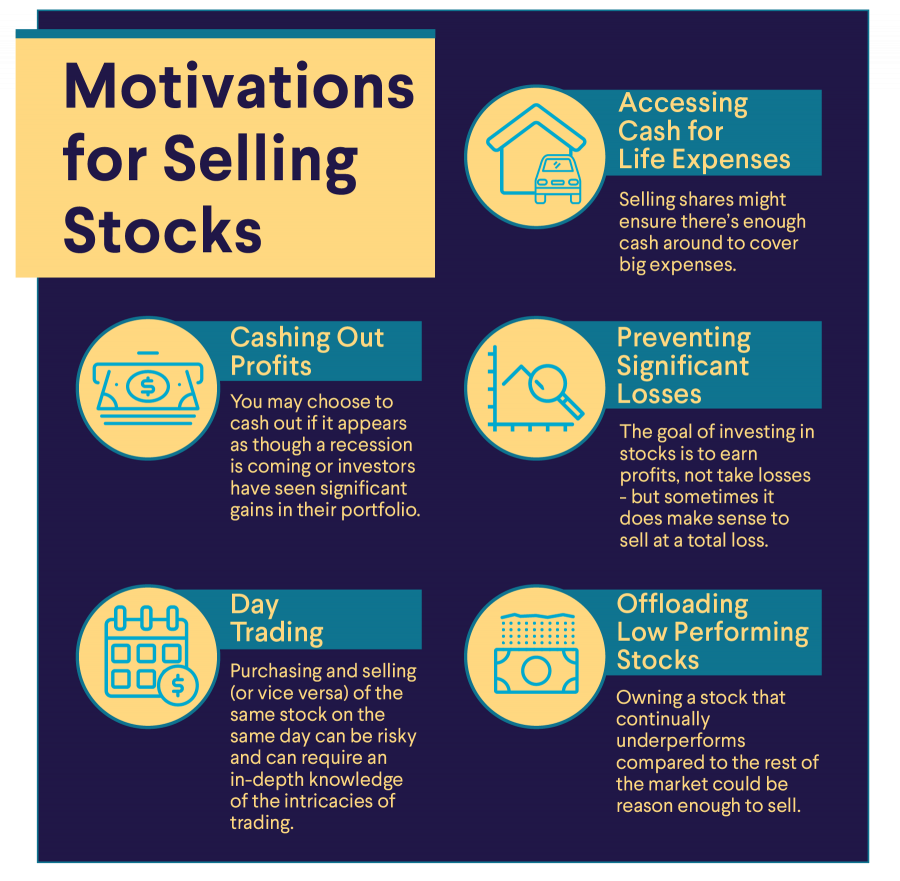
The greatest enemy of a successful investor is often themselves. Market volatility is a feature, not a bug. When the market drops 10% or 20% (a “correction” or a “bear market”), the instinct for many is to sell to prevent further losses. However, the most successful investors view these downturns as “sales” and continue their regular investment contributions. Putting money in stocks requires a temperament that prioritizes long-term logic over short-term fear.
Ultimately, putting money in stocks is a journey of consistency. It is not about finding the next “hot tip” or getting rich overnight. It is about choosing a disciplined strategy, utilizing low-cost diversified funds or well-researched individual companies, and allowing time and compounding to do the heavy lifting. By following these professional steps—securing your foundation, choosing the right accounts, diversifying your holdings, and staying disciplined—you transform your labor into capital that works for you.
aViewFromTheCave is a participant in the Amazon Services LLC Associates Program, an affiliate advertising program designed to provide a means for sites to earn advertising fees by advertising and linking to Amazon.com. Amazon, the Amazon logo, AmazonSupply, and the AmazonSupply logo are trademarks of Amazon.com, Inc. or its affiliates. As an Amazon Associate we earn affiliate commissions from qualifying purchases.