
Paying taxes is an inescapable reality for most individuals and businesses. While the traditional methods have long involved checks, bank transfers, or even cash, the digital age has introduced more flexible options. One such option, often met with a mix of curiosity and skepticism, is paying your IRS tax bill with a credit card. While it might seem counterintuitive to use a credit product for a mandatory payment, there are specific scenarios where this method can be strategically advantageous – and others where it’s a financial misstep. This article delves into the mechanics, costs, benefits, and critical considerations of settling your tax obligations with plastic, ensuring you make an informed decision aligned with your financial goals.
The Mechanics of Paying Your Taxes with Plastic
Unlike many other government agencies or utility companies that accept credit cards directly, the Internal Revenue Service (IRS) does not process credit card payments in-house. This is a crucial distinction that often surprises taxpayers. Instead, the IRS utilizes a system of authorized third-party payment processors. These processors act as intermediaries, allowing you to pay your tax bill using your credit card, and then they forward the payment to the IRS on your behalf.
Understanding Third-Party Payment Processors
The IRS maintains a list of approved payment processors to ensure security and compliance. These are private companies that have met the strict requirements set forth by the IRS to handle sensitive financial transactions. When you opt to pay your taxes with a credit card, you will not be interacting directly with an IRS portal for the payment part; rather, you’ll be directed to or will navigate independently to one of these authorized providers.
Currently, the primary IRS-authorized payment processors include:
-
PayUSAtax: A popular choice for its user-friendly interface and competitive fees.
-
Official Payments: One of the longest-standing and most widely recognized processors.
-
Pay1040: Another reliable option, often favored by tax professionals.
Each of these processors offers a similar service: they facilitate the credit card transaction and ensure your payment reaches the IRS, along with the necessary identifying information (such as your Social Security Number or Employer Identification Number, and the tax form you are paying).
The Payment Process: Step-by-Step
Using a third-party processor to pay your IRS bill is a relatively straightforward digital process:
-
Select a Processor: Visit the website of one of the IRS-authorized payment processors (e.g., payusatax.com, officialpayments.com, pay1040.com). It’s advisable to check the current fee structure of each before proceeding, as they can vary slightly.
-
Choose Your Tax Type: The processor’s website will typically ask you to specify the type of tax you are paying (e.g., Form 1040 individual income tax, Form 941 employer’s quarterly federal tax, estimated taxes, etc.).
-
Enter Personal and Tax Information: You will need to provide your Social Security Number (SSN) or Employer Identification Number (EIN), full name, address, and the tax year for which the payment is being made. Accuracy here is paramount to ensure your payment is correctly applied by the IRS.
-
Enter Payment Amount: Clearly indicate the exact amount you wish to pay.
-
Provide Credit Card Details: Input your credit card number, expiration date, security code (CVV), and the billing address associated with the card.
-
Review and Confirm: Before finalizing, you’ll be presented with a summary of your payment, including the principal amount and the convenience fee charged by the processor. Review this carefully to ensure all details are correct.
-
Receive Confirmation: Upon successful submission, you will receive a confirmation number from the payment processor. It is absolutely critical to save this confirmation number for your records, as it serves as proof of payment. The IRS may also send an email confirmation acknowledging receipt of the payment from the processor.
It’s important to remember that the payment is generally considered made on the date the processor successfully processes your transaction, not when the funds actually reach the IRS. This can be crucial for meeting tax deadlines.
The Cost-Benefit Analysis: Is It Worth It?
The primary question for most taxpayers considering this method is: “Does it make financial sense?” The answer is nuanced, depending heavily on your financial situation, the type of credit card you use, and your ability to manage debt.
The Convenience Fee: The Primary Drawback
The most significant hurdle to overcome when paying your taxes with a credit card is the convenience fee. Since the IRS doesn’t directly accept credit cards, these third-party processors charge a fee for their service. This fee is typically a percentage of the payment amount, usually ranging from 1.87% to 2.29%, though it can vary slightly between processors and for different card types (e.g., a higher fee for American Express in some cases). For debit cards, the fee is generally a low flat rate (e.g., $2.50-$3.95), making them a more cost-effective option if you simply want to use a card without the desire for credit or rewards.
Let’s illustrate with an example: If you owe $10,000 in taxes and the convenience fee is 1.98%, you would pay an additional $198. This fee can quickly add up, potentially negating any benefits unless strategically approached.
Potential Benefits: Why Some Choose This Method
Despite the fee, there are several compelling reasons why some taxpayers choose to pay their IRS bill with a credit card:
-
Earning Credit Card Rewards: This is by far the most common and often the most lucrative reason. If you have a credit card that offers generous rewards – such as high cashback percentages (2% or more), valuable travel points (especially during bonus categories), or airline miles – paying a large tax bill can significantly boost your rewards balance. The goal is for the value of the rewards earned to exceed the convenience fee paid. For instance, if you pay $10,000 with a 2% cashback card, you earn $200. If the fee was $198, you’ve effectively made a small profit of $2, or at least broke even while delaying cash outflow.
-
Meeting Minimum Spending Requirements for Sign-Up Bonuses: Many premium credit cards offer substantial sign-up bonuses (e.g., 50,000 to 100,000 points or more) for spending a certain amount within the first few months (e.g., $4,000 in 3 months). A large tax bill can be an ideal way to easily meet these spending thresholds, unlocking a bonus that is often worth hundreds, if not thousands, of dollars, far outweighing the convenience fee.
-
Managing Cash Flow and Temporary Liquidity: If you have a temporary cash flow crunch but expect funds to become available soon, paying with a credit card can provide a short-term loan. This allows you to meet the tax deadline and avoid IRS penalties and interest, while giving you a grace period to gather the necessary funds to pay off your credit card balance before interest accrues.
-
Avoiding IRS Penalties: If you simply don’t have the cash on hand by the tax deadline, paying with a credit card is often a better option than incurring IRS failure-to-pay penalties and interest, which can be significant. The IRS charges interest on underpayments and late payments, plus potential penalties for failure to file or failure to pay. Credit card interest rates, however, can quickly surpass IRS penalties if the balance is not paid off promptly.
-
Simplification and Convenience: For some, the ease of making an online payment via credit card, rather than mailing a check or setting up an electronic funds transfer, is a minor but appreciated benefit.
Navigating the Fees and Maximizing Value
If you decide that paying with a credit card is the right strategy for you, it’s crucial to approach it with a clear plan to minimize costs and maximize benefits.
Comparing Processor Fees
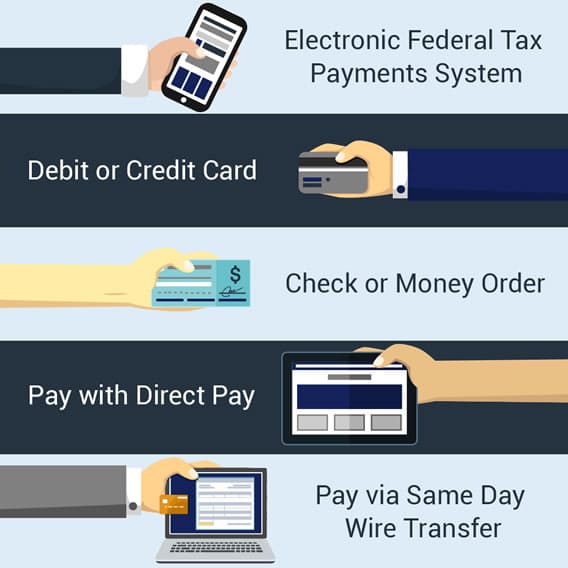
While the fees are generally in a similar range, it’s always wise to quickly check the websites of the different authorized processors before making your payment. A difference of even 0.1% can translate to several dollars on a large tax bill. Sometimes, one processor might offer a slightly better rate for a specific card network (Visa, Mastercard, American Express, Discover). Taking a minute to compare can save you a small amount.
Strategic Card Selection
The choice of credit card is paramount when paying taxes. You should focus on cards that offer:
-
High Cashback or Points Multipliers: Prioritize cards that offer 2% or more cashback on all purchases, or cards that are currently offering bonus points in a category that effectively includes tax payments (though this is rare). For travel points, ensure the points are valued highly enough to make the fee worthwhile.
-
Generous Sign-Up Bonuses: As mentioned, this is often the most impactful benefit. Calculate if the value of the sign-up bonus (minus any annual fee) comfortably exceeds the convenience fee.
-
0% APR Introductory Offers (with caution): If you absolutely cannot pay off your tax bill immediately, a card with a 0% introductory APR on purchases could offer a temporary reprieve. However, this is a dangerous strategy if not managed perfectly. The moment the introductory period ends, high-interest rates will kick in. This should only be considered if you have a guaranteed plan to pay off the entire balance before the promotional period expires.
Cards with low reward rates (e.g., 1% cashback) are generally not suitable, as the rewards earned will almost certainly be less than the convenience fee.
Alternatives to Consider
Before committing to a credit card payment, be aware of other IRS payment options:
-
IRS Direct Pay (Electronic Funds Withdrawal): This is the cheapest option. You can pay directly from your bank account through IRS Direct Pay (for individual taxes) or the Electronic Federal Tax Payment System (EFTPS) for businesses and individuals making estimated payments. Both are free and secure but offer no rewards.
-
Debit Card: You can also use a debit card through the same third-party processors. The fee for debit cards is typically a low flat rate (e.g., $2.50 to $3.95), making it a much cheaper alternative to credit cards if you just want to avoid writing a check but don’t care about rewards.
-
Check or Money Order: The traditional method of mailing a payment to the IRS.
-
Cash: In-person cash payments can be made at retail partners of the IRS, but this is less common for large sums.
-
IRS Payment Plan: If you cannot pay your taxes at all, the IRS offers various payment plans (short-term payment plan, offer in compromise, or installment agreement). These options accrue interest and penalties, but they provide a structured way to pay off your debt over time, often at a lower interest rate than credit cards, and crucially, avoid aggressive collection actions.
Important Considerations and Pitfalls to Avoid
While the strategic use of a credit card for tax payments can be rewarding, it also carries significant risks that must be understood and mitigated.
Interest Charges and High APRs
This is the most critical warning. Using a credit card means you are essentially taking out a loan. If you do not pay off your entire tax bill balance before your credit card’s statement due date, you will begin to incur interest charges. Credit card Annual Percentage Rates (APRs) are notoriously high, often ranging from 15% to 25% or even higher. This interest will quickly dwarf any rewards you earned and will be far more expensive than the initial convenience fee.
Never pay your taxes with a credit card if you cannot afford to pay off the full balance immediately. Doing so will turn a potentially beneficial strategy into an expensive debt trap. The interest accrued will almost certainly be higher than any IRS penalties you might have faced for late payment (though it’s wise to avoid both).
Impact on Credit Score
A large tax payment on your credit card can temporarily impact your credit score, even if you plan to pay it off immediately. This is because it can significantly increase your credit utilization ratio (the amount of credit you’re using compared to your total available credit). A high utilization ratio signals increased risk to credit bureaus and can cause your score to drop. While this drop is usually temporary if you pay off the balance quickly, it’s something to be aware of if you plan to apply for other loans or credit soon.
Furthermore, missing a payment or making a late payment on such a large balance would severely damage your credit score, with long-lasting negative consequences.
Documentation and Record Keeping
Regardless of how you pay your taxes, meticulous record-keeping is essential. When paying with a credit card via a third-party processor, ensure you:
-
Save the confirmation number provided by the payment processor.
-
Keep a record of the transaction on your credit card statement.
-
Maintain any email confirmations from the processor and, if applicable, the IRS.
-
Confirm that the payment is reflected in your IRS account transcript (which you can check online after a few weeks).
This documentation is your proof that you paid your taxes on time and for the correct amount, which can be invaluable in case of any discrepancies or audits.
Conclusion
Paying your IRS tax bill with a credit card is a modern financial tool, not a universal solution. For those who are financially disciplined, possess reward-rich credit cards, and can comfortably pay off the balance immediately, it presents an opportunity to leverage a necessary expense for personal gain – primarily through credit card rewards and sign-up bonuses. It can also be a valuable short-term bridge for managing cash flow and avoiding IRS penalties when facing a deadline.
However, the convenience fee is a non-negotiable cost, and the specter of high credit card interest rates looms large. For anyone who cannot commit to paying off the entire tax bill before interest accrues, this method should be unequivocally avoided. In such cases, free direct bank transfers or setting up an official IRS payment plan are far more responsible and cost-effective alternatives.
Ultimately, the decision to pay the IRS with a credit card boils down to a careful calculation of costs versus benefits, coupled with a deep understanding of your own financial capacity and discipline. Used wisely, it can be a smart money move; used unwisely, it can quickly become an expensive mistake.
aViewFromTheCave is a participant in the Amazon Services LLC Associates Program, an affiliate advertising program designed to provide a means for sites to earn advertising fees by advertising and linking to Amazon.com. Amazon, the Amazon logo, AmazonSupply, and the AmazonSupply logo are trademarks of Amazon.com, Inc. or its affiliates. As an Amazon Associate we earn affiliate commissions from qualifying purchases.