
In an increasingly digital world, managing personal finances has evolved significantly, with online bill payment becoming a cornerstone of modern financial habits. Beyond mere convenience, paying bills online offers a robust suite of financial advantages that can lead to better budgeting, increased savings, and improved credit health. Understanding how to effectively leverage these digital tools is crucial for anyone aiming for optimal financial control and peace of mind.
The Financial Advantages of Digital Bill Payment
Transitioning from paper checks and postal services to online bill payment is more than just a technological upgrade; it’s a strategic financial decision. The benefits extend far beyond saving a stamp, impacting everything from your daily budget to your long-term financial stability.

Enhanced Budgeting and Financial Control
One of the most significant advantages of paying bills online is the clarity and control it provides over your finances. Digital platforms offer a centralized view of your upcoming and past payments, making it easier to track expenditures and allocate funds accurately. Many online banking portals and budgeting apps integrate with bill payment systems, allowing for real-time tracking of your cash flow. This immediate visibility helps prevent overspending, identifies patterns in your spending, and empowers you to make informed adjustments to your budget, ultimately strengthening your financial discipline. The ease of categorization and detailed transaction histories provided by online systems are invaluable for creating and adhering to a realistic budget.
Avoiding Late Fees and Credit Score Impact
Late payments are costly, not only in terms of the fees levied by creditors but also due to their detrimental effect on your credit score. Online bill payment systems significantly mitigate this risk. By setting up reminders, scheduling payments in advance, or utilizing autopay features, you drastically reduce the chance of missing a due date. Avoiding late payments directly translates into saving money on penalty fees, which can quickly accumulate. Furthermore, a consistent history of on-time payments is a critical factor in maintaining a healthy credit score. A good credit score is essential for securing favorable interest rates on loans, mortgages, and credit cards, making online bill payment a silent hero in your long-term financial strategy.
Streamlined Record-Keeping for Tax Purposes
Gone are the days of sifting through stacks of paper statements. Online bill payment platforms automatically generate and store digital records of your transactions. This digital archive is a boon for tax preparation, providing easy access to payment dates, amounts, and vendor information for deductible expenses or proof of payment. Many utilities, landlords, and other service providers offer digital statements that complement your online payment records, creating a comprehensive and easily searchable history. This not only saves time during tax season but also provides an organized financial trail, useful for audits, disputes, or simply reviewing your financial history.
Common Online Bill Payment Methods
The landscape of online bill payment offers several avenues, each with distinct features and levels of integration. Choosing the right method often depends on your comfort level, the specific biller, and your overall financial management strategy.
Direct from Biller Websites
Most companies, from utility providers to credit card companies, offer direct online payment portals on their websites. This method involves logging into your account directly with the biller and initiating a payment using a linked bank account (ACH transfer) or a debit/credit card. This is often the most straightforward approach for individual bills as it ensures the payment reaches the intended recipient directly and immediately. Many billers also allow you to view your current statement, payment history, and manage communication preferences from the same portal. The primary advantage here is the direct control and real-time reflection of your payment on the biller’s side.
Bank’s Online Bill Pay Service
Many financial institutions offer their own integrated online bill pay services as part of their online banking platform. With this method, you add your payees (companies or individuals you owe money to) directly within your bank’s system. Your bank then either sends an electronic payment or, in some cases, mails a physical check on your behalf. This centralizes all your bill payments in one place, providing a unified dashboard for managing expenses across different vendors. It simplifies the process by reducing the number of individual websites you need to visit and log into, offering a single point of control for outgoing payments from your primary checking account.
Third-Party Payment Apps and Aggregators
A growing number of third-party apps and services specialize in bill aggregation and payment. These platforms aim to bring all your bills into a single interface, often providing features like expense tracking, budgeting tools, and reminders. Examples include personal finance apps that connect to various accounts and allow you to pay directly through their interface. While offering convenience and often advanced budgeting capabilities, it’s crucial to select reputable and secure services, as you are entrusting them with access to sensitive financial information.
Autopay and Recurring Payments
For fixed expenses like mortgage payments, rent, loan installments, or subscriptions, autopay is an invaluable tool. This feature automatically deducts the payment from your chosen account on a set date each month or payment cycle. Autopay can be set up directly with the biller, through your bank’s bill pay service, or via certain third-party apps. While incredibly convenient for ensuring on-time payments and avoiding late fees, it requires careful monitoring to prevent overdrafts if your account balance is low or to catch erroneous charges. Recurring payments can also be scheduled for variable bills, allowing you to set a payment for a specific amount to be sent on a regular basis, which you can adjust as needed.
Setting Up Your Online Bill Payment System
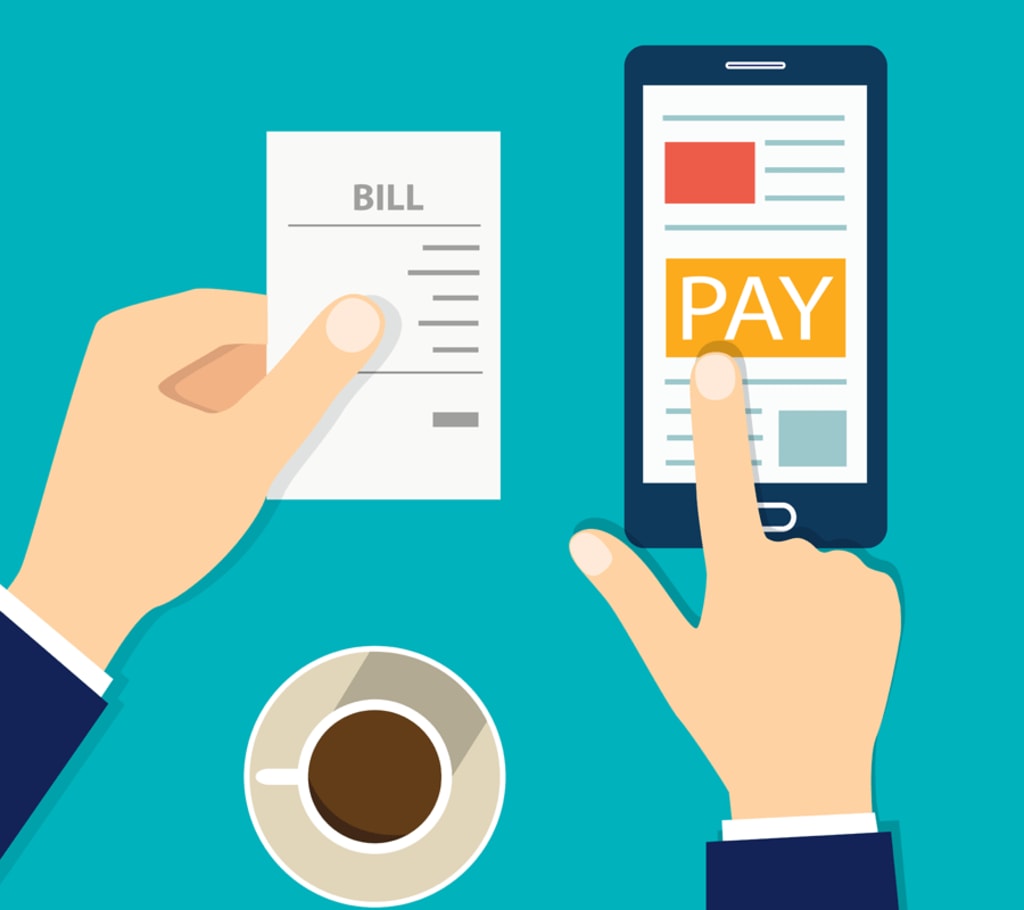
Getting started with online bill payment is a relatively simple process that requires gathering some basic information and familiarizing yourself with the chosen platform.
Gathering Necessary Information
Before you can pay a bill online, you’ll need specific details for each payee. This typically includes the biller’s name, your account number with them, and potentially their billing address (especially for bank bill pay services that might send a check). For direct biller payments, you’ll also need your login credentials for their website. For bank bill pay, you’ll need the routing and account number of the bank account you wish to use for payments. Having this information organized beforehand will make the setup process smooth and efficient.
Linking Accounts and Payment Methods
Once you have the necessary information, the next step is to link your payment method. If paying directly on a biller’s website, you’ll usually be prompted to add a bank account (checking or savings) or a debit/credit card. For bank bill pay, your linked checking account is the default payment source, but you might have options to designate other accounts. When linking, you’ll often go through a verification process, which might involve small deposits or confirming micro-transactions, to ensure the account belongs to you and is valid. Take your time to accurately input all details to avoid payment errors.
Verifying and Scheduling Payments
After linking accounts, always perform a test payment or carefully review the first few payments you schedule. Double-check the payee, the amount, and the payment date. Online systems usually provide confirmation messages and transaction IDs; retain these for your records. When scheduling, be mindful of processing times. While electronic payments are often fast, some can take a few business days to clear, especially if your bank is mailing a physical check. Always schedule payments with enough lead time to ensure they arrive before the due date, particularly when you’re first getting accustomed to a new system.
Maximizing Security While Paying Bills Online
The convenience of online bill payment comes with the inherent need for robust digital security. Protecting your financial information is paramount to prevent fraud and maintain the integrity of your accounts.
Strong Passwords and Multi-Factor Authentication
The first line of defense is a strong, unique password for every financial account. Avoid using easily guessable information like birthdays or common words. Instead, create long, complex passwords incorporating a mix of upper and lower case letters, numbers, and symbols. Even better, use a reputable password manager. Crucially, enable Multi-Factor Authentication (MFA) or Two-Factor Authentication (2FA) wherever available. This adds an extra layer of security, typically requiring a code sent to your phone or generated by an authenticator app, in addition to your password, to log in. This significantly reduces the risk of unauthorized access even if your password is compromised.
Recognizing Phishing Scams and Fraud
Cybercriminals frequently target online bill payers through phishing schemes. These often come in the form of deceptive emails or texts that appear to be from legitimate billers or banks, urging you to click a link or provide personal information. Always be suspicious of unsolicited communications asking for sensitive data. Never click links in suspicious emails. Instead, if you receive a payment alert you’re unsure about, go directly to the biller’s official website by typing the URL yourself or using a bookmark. Verify payment requests or account changes directly with the company through a known, official contact method. Be wary of urgency tactics or threats used in these communications.
Monitoring Accounts and Transaction History
Regularly reviewing your bank statements and online payment history is a critical security practice. Set up alerts for large transactions, login attempts from new devices, or any unusual activity. Reconcile your online payments with your bank statements monthly to catch any discrepancies or unauthorized transactions promptly. The sooner you identify fraudulent activity, the quicker you can report it to your bank and the biller, limiting your liability and potential financial loss. Proactive monitoring transforms you into the primary guardian of your online financial security.
Overcoming Common Hurdles and Best Practices
While online bill payment simplifies financial management, a few common challenges can arise. Adopting best practices can help you navigate these seamlessly, ensuring a smooth and stress-free experience.
Managing Multiple Due Dates
One common challenge is juggling various due dates for different bills. To overcome this, create a centralized system. This could be a digital calendar with reminders, a spreadsheet, or utilizing your bank’s bill pay service to schedule all payments from one interface. Some individuals prefer to align as many due dates as possible to a single period (e.g., the first or last week of the month) by contacting billers directly to request adjustments. This streamlines the process and reduces the cognitive load of tracking numerous individual dates.
Handling Insufficient Funds
Accidentally scheduling a payment when your account has insufficient funds can lead to overdraft fees from your bank and late fees from the biller. To prevent this, always maintain a buffer in your checking account, especially if using autopay. Regularly check your account balance before major payment cycles. Many banks offer low-balance alerts that can warn you if your funds are running low. If you foresee a potential issue, it’s always better to proactively contact the biller to request an extension or alternative payment arrangement, rather than risking a bounced payment.
Regularly Reviewing and Updating Payment Information
Financial details change—bank accounts might be updated, credit cards expire, or contact information shifts. It’s crucial to periodically review and update your payment information across all online bill payment platforms. An outdated credit card on file could lead to a missed payment, even if you have autopay set up. Make it a habit to check your saved payment methods at least once a year, or whenever you receive a new card or change banking institutions. This small act of maintenance prevents future disruptions and potential fees.
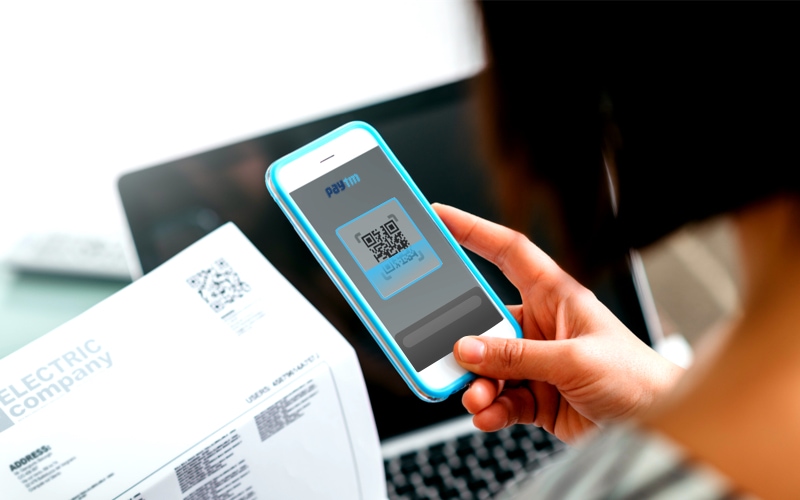
Balancing Convenience with Control
While autopay offers unparalleled convenience, it’s vital to strike a balance with financial control. For variable bills (like electricity, which fluctuates seasonally), always review the bill amount before it’s automatically debited. Some people prefer to manually approve all payments, using scheduled reminders to ensure timeliness. The key is to find a system that works for your personal financial style—one that leverages the efficiency of online payments without surrendering oversight of your money. This might involve a hybrid approach, using autopay for fixed, predictable expenses and manual payments for variable ones, always supported by vigilant account monitoring.
aViewFromTheCave is a participant in the Amazon Services LLC Associates Program, an affiliate advertising program designed to provide a means for sites to earn advertising fees by advertising and linking to Amazon.com. Amazon, the Amazon logo, AmazonSupply, and the AmazonSupply logo are trademarks of Amazon.com, Inc. or its affiliates. As an Amazon Associate we earn affiliate commissions from qualifying purchases.