
Navigating the intricacies of personal finance often involves making decisions about where and how you bank. While opening a new account is usually straightforward, closing one can sometimes feel like a more complex endeavor. Whether you’re consolidating finances, switching to a different institution, or simply no longer need a particular account, understanding the proper procedure for closing a Chase checking account is crucial. This guide aims to demystify the process, ensuring a smooth transition and helping you avoid potential pitfalls. We’ll delve into the necessary preparations, outline the various methods for closure, and discuss what to expect once your account is officially shut down. Our focus remains squarely on personal finance, empowering you with the knowledge to manage your banking relationships effectively.
Preparing for Account Closure: A Prudent Approach
Before you initiate the closure of your Chase checking account, a series of preparatory steps can save you time, stress, and potential financial headaches. Rushing into the process without due diligence can lead to bounced payments, forgotten funds, or unexpected fees. A methodical approach ensures all loose ends are tied, safeguarding your financial standing and peace of mind.
Transferring Funds and Updating Direct Deposits/Payments
This is arguably the most critical step. You cannot close an account that has an outstanding balance or pending transactions. Start by transferring all funds out of the Chase account you intend to close. This typically involves moving money to another bank account, a savings account, or withdrawing it in cash. Ensure the account balance reaches zero, or a minimal amount (e.g., a few cents) if a final interest payment or small transaction is anticipated.
Simultaneously, identify all automatic transactions linked to this account. This includes:
- Direct Deposits: Your paycheck, government benefits, or any other regular income source must be redirected to your new or preferred account. Contact your employer’s HR or payroll department, or the relevant government agency, well in advance.
- Automatic Payments/Bill Pay: Utility bills, loan payments, subscriptions (Netflix, Spotify, gym memberships), insurance premiums, and any other recurring debits need to be updated with your new bank account information. Failing to do so can result in late fees, service interruptions, or even damage to your credit score.
- Linked External Accounts: If your Chase checking account is linked to investment platforms, peer-to-peer payment apps (like Venmo or PayPal), or other financial tools, update these connections to reflect your new primary bank account.
Give yourself ample time for these changes to take effect. It’s often wise to keep the account open for an extra billing cycle or two after updating everything, just to catch any forgotten recurring payments that might still attempt to debit the old account.
Reviewing Account Activity and Statements
Take the time to review your recent account statements, ideally spanning the last 6-12 months. This exercise helps in two ways:
- Identify Forgotten Transactions: It can highlight recurring payments or subscriptions you might have overlooked when updating your financial information.
- Verify All Funds Accounted For: Ensure no outstanding checks have yet to clear or any deposits are still pending. If you’ve written checks that haven’t cleared, you’ll need to contact the recipient to stop payment or issue a new check from your active account.
Download or print copies of your statements for your records before closing the account. While Chase typically retains access to past statements online for a period, having your own copies is a sound financial practice for tax purposes or future reference.
Understanding Potential Fees and Account Balances
Be aware that certain fees might be associated with closing an account, although this is less common for standard checking accounts unless they were recently opened (e.g., within 90-180 days). Some banks might charge an early closure fee. Chase’s policy can vary, so it’s prudent to confirm this.
Also, ensure the account is truly at a zero balance, or even slightly positive, before requesting closure. If the account is overdrawn or has pending fees (like a monthly service fee that hasn’t posted yet), you will need to deposit funds to cover these amounts. Chase will not close an account with a negative balance; you’ll be required to resolve it first. If you’re closing a joint account, all account holders typically need to agree and be present or provide their consent.
Step-by-Step Guide to Closing Your Chase Checking Account
Once your preparations are complete, you can proceed with the actual closure request. Chase offers several methods for closing a checking account, each with its own advantages depending on your preference and accessibility.
Closing via Online Banking (If Available)
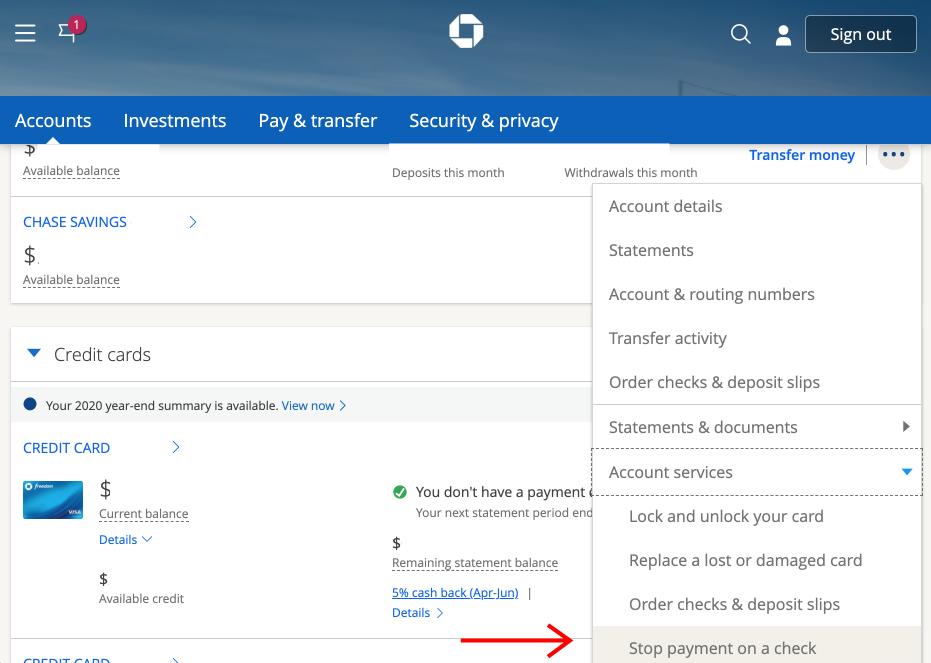
While many banks offer various services online, the ability to fully close a checking account through the Chase online banking portal or mobile app can be limited, especially if you have a balance to zero out or specific documentation is required. For simple closures of accounts already at zero, you might find an option under account management or through a secure message request.
Process (if available):
- Log into your Chase Online Banking account.
- Navigate to the specific checking account you wish to close.
- Look for options like “Account Services,” “Manage Account,” or “Close Account.”
- If no direct option is available, try sending a secure message through the Message Center to inquire about the online closure process for your specific account.
Be prepared that Chase may still require a phone call or an in-person visit to confirm identity and finalize the closure, even if you initiate it online. This is often a security measure.
Closing by Phone: A Direct Approach
Calling Chase’s customer service is a common and often efficient way to close an account. This method allows you to speak directly with a representative who can guide you through the process, answer questions, and confirm details in real-time.
Process:
- Call Chase Customer Service: The number is usually found on the back of your debit card, on your bank statements, or on the official Chase website. For personal checking accounts, the number is often 1-800-935-9935.
- Be Prepared for Verification: You will need to verify your identity. Have your account number, Social Security Number, and other personal information ready.
- State Your Intent: Clearly inform the representative that you wish to close your checking account.
- Address Remaining Balances: If there’s a residual balance, the representative can often help you transfer it to another Chase account (if you have one) or mail a check to your address of record.
- Confirm Closure: Ask for a confirmation number or for the closure to be confirmed in writing (via mail or email). Inquire about when the account will officially show as closed.
Remember to make this call during business hours to ensure you reach a department equipped to handle account closures.
In-Person Closure at a Chase Branch
For those who prefer face-to-face interaction or need immediate confirmation, visiting a Chase branch is an excellent option. This method provides direct assistance and can be particularly helpful if you have complex issues or a significant remaining balance.
Process:
- Locate a Branch: Use the Chase website or app to find the nearest branch.
- Bring Identification: Bring valid government-issued photo identification (e.g., driver’s license, passport) and your Chase debit card.
- Meet with a Banker: Explain that you wish to close your checking account.
- Transfer/Withdraw Funds: A banker can assist you in withdrawing any remaining balance in cash, issuing a cashier’s check, or transferring it to another account.
- Receive Confirmation: Request immediate written confirmation of the account closure, if possible. The banker should be able to provide you with a printed statement or a signed document confirming the account is closed and the balance is zero.

This method often provides the quickest and most definitive closure confirmation.
Closing by Mail (Less Common, but an Option)
While less frequently used due to the convenience of phone or in-person methods, it is technically possible to close an account by mail, especially if you are out of the country or cannot access a branch or phone easily. This method requires careful execution and can take longer.
Process:
- Write a Formal Letter: Clearly state your intention to close the account. Include your full name, account number, contact information, and a clear request for a check of any remaining balance to be mailed to your address.
- Sign and Date: Ensure the letter is signed by all account holders if it’s a joint account.
- Include a Voided Check/Debit Card (Optional but Recommended): Some banks might request this for verification, though a clear written request and signature usually suffice.
- Send Certified Mail: For your protection, send the letter via certified mail with a return receipt requested. This provides proof that Chase received your request.
- Follow Up: After a reasonable time (e.g., 7-10 business days), follow up with a phone call to Chase customer service to confirm receipt of your letter and the status of the closure.
Due to the inherent delays and potential for miscommunication, this method is generally recommended only as a last resort.
What Happens After You Close Your Account?
Closing a bank account isn’t an instantaneous event; there’s a brief period where the closure processes and final confirmations are issued. Understanding this post-closure phase is vital for ensuring a complete and clean break.
Confirmation and Documentation
After you’ve submitted your request to close the account, Chase will typically send you a formal letter or email confirming the closure. This documentation is important for your records, proving that you initiated and completed the process. Keep this confirmation along with any other related banking documents. It should state the effective date of closure and confirm a zero balance.
It’s also a good idea to periodically check your credit report in the months following closure. While closing a checking account doesn’t directly impact your credit score like a loan or credit card, verifying that no unexpected activity or errors appear on your report is always a wise financial practice.
Monitoring for Residual Transactions
Even after receiving confirmation, it’s prudent to monitor your new primary account and other financial services for a few weeks to ensure all direct deposits and automatic payments have successfully redirected. Occasionally, a payment might attempt to debit the closed account. If this happens, the transaction will be rejected, and the merchant might contact you or send a late payment notice. Having a temporary buffer in your new account can help mitigate any immediate issues.
If a direct deposit attempts to go into a closed account, it will generally be returned to the originator, who will then need to resend it to your new account. This process can cause delays in receiving funds. Promptly updating all third parties well in advance is the best way to prevent this.
Impact on Your Credit Score (Generally Minimal)
Closing a checking account typically has no direct impact on your credit score. Checking accounts are not credit products, and banks do not report their status (open/closed, balances) to credit bureaus in the same way they do for credit cards, loans, or lines of credit.
However, there are indirect ways a poorly managed closure could affect your credit:
- Overdrafts: If you close an account that subsequently incurs an overdraft (due to a forgotten recurring payment, for example), and you fail to repay this overdraft, the bank might send it to collections. This would negatively impact your credit score.
- Reporting to ChexSystems: If your account is closed with a negative balance, Chase might report this to ChexSystems, a consumer reporting agency that banks use to assess risk for new account openings. While not a credit bureau in the traditional sense, a negative ChexSystems report can make it difficult to open new checking or savings accounts at other financial institutions in the future.
Therefore, ensuring a zero balance and settling all potential liabilities before closure is paramount to protecting your broader financial reputation.
Important Considerations Before Finalizing Your Decision
Closing a bank account should be a deliberate decision. Before you finalize the process, consider a few alternative scenarios and specific situations that might influence your choice.
Alternatives to Closing: Downgrading or Account Conversion
Sometimes, closing an account isn’t the only solution, especially if you want to avoid potential fees or simply need a simpler banking relationship. Consider these alternatives:
- Downgrading: If you’re struggling to meet minimum balance requirements or transaction quotas for a premium checking account, you might be able to downgrade to a more basic, low-fee, or no-fee checking account. This allows you to retain your account history and potentially avoid the hassle of setting up a completely new account elsewhere.
- Converting to Savings: If you find you no longer need a checking account but want to keep a relationship with Chase, you might be able to convert it into a savings account, which often has fewer transaction restrictions and different fee structures.
Discuss these options with a Chase representative to see if they align better with your current financial needs.
Addressing Joint Accounts
If the Chase checking account you wish to close is a joint account, the process becomes slightly more involved. Typically, all account holders must provide consent for the closure. This often means all parties need to be present at a branch, or all signatures are required on a mailed request. One account holder usually cannot unilaterally close a joint account. Ensure you communicate with the other account holder(s) and obtain their agreement before proceeding.
When to Seek Professional Advice
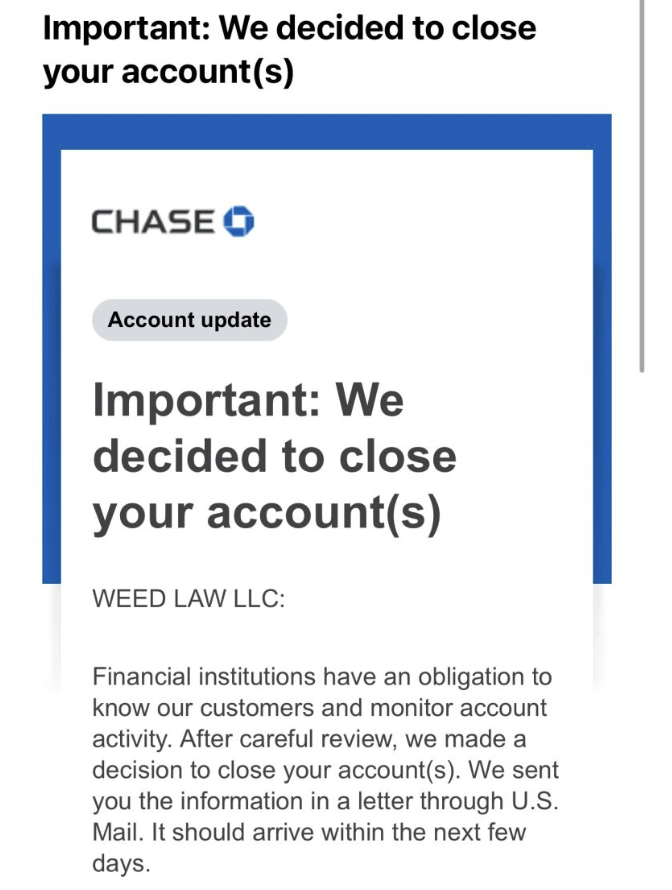
For complex financial situations, such as dealing with an estate, bankruptcy, or significant outstanding debts linked to the account, it may be prudent to seek advice from a financial advisor or legal professional. They can provide tailored guidance to ensure the account closure is handled in a manner that protects your financial interests and complies with all relevant regulations.
Closing a Chase checking account, when approached systematically, is a manageable process. By meticulously preparing, choosing the most convenient closure method, and understanding the post-closure implications, you can ensure a smooth transition and maintain healthy financial hygiene.
aViewFromTheCave is a participant in the Amazon Services LLC Associates Program, an affiliate advertising program designed to provide a means for sites to earn advertising fees by advertising and linking to Amazon.com. Amazon, the Amazon logo, AmazonSupply, and the AmazonSupply logo are trademarks of Amazon.com, Inc. or its affiliates. As an Amazon Associate we earn affiliate commissions from qualifying purchases.